#NowReading What I say depends on how you ask: Experimental evidence of the effect of framing on the measurement of attitudes.
🖊️By Jeffrey R. Bloem and Khandker Wahedur Rahman.
🔗https://t.co/SoX7n9DrMa
@CGIAR@JeffBloem#SurveyDesign#DataCollection
What could replace the word "stakeholder"? Vote in the poll below, read the thread and then re-vote (I want to see if my arguments persuade any of you), join an email discussion on Monday and join a live discussion on 21 Nov 🧵
Congratulations @eiangee@LarikisTrikis Kate Sherren, @ElenaBennett@jeremy_lundholm Gordon Hickey, Emily Hodgson, @KeahnaMargeson @parianashta & Polly Nguyen on the workshop report publication! A tremendous example of the cross-network research at ResNet https://t.co/sodo1GLIAr
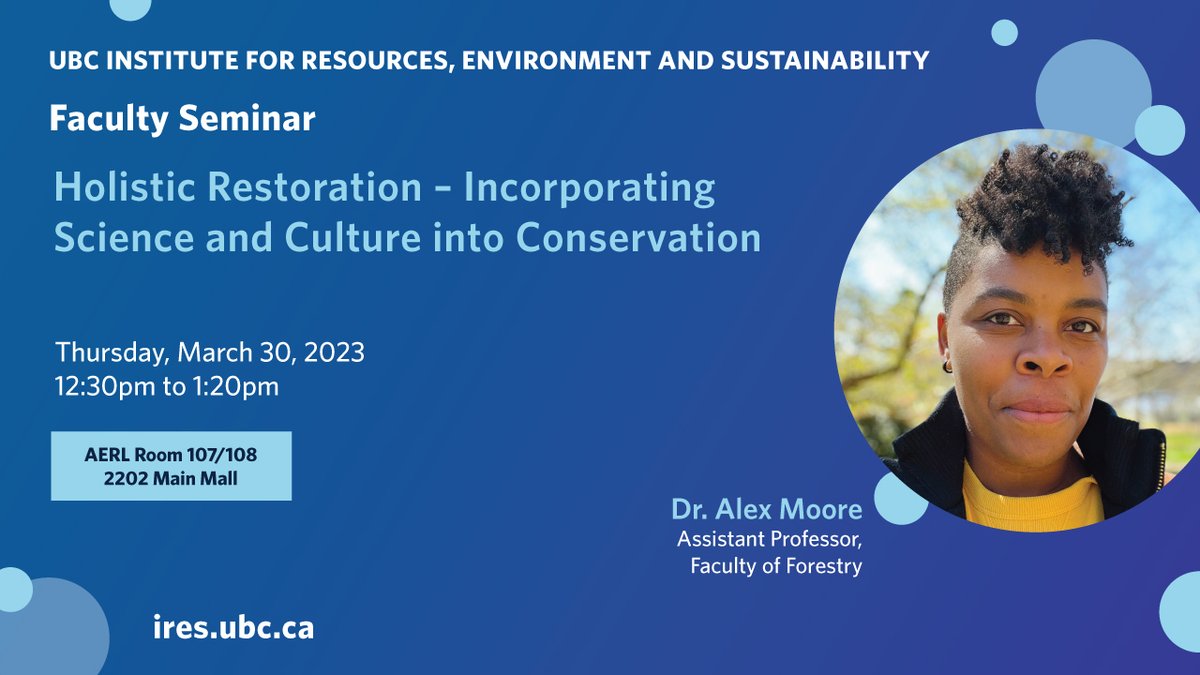
📢 Seminar alert! 12:30pm, Mar 30🗓️
Join @Dr_AlexM's talk to learn about:
- coastal wetlands, among the most valuable and threatened ecosystems across the globe, and
- the inclusion of cultural values & community-centered conservation interventions.
🔗 https://t.co/Sf18Z5QR7h
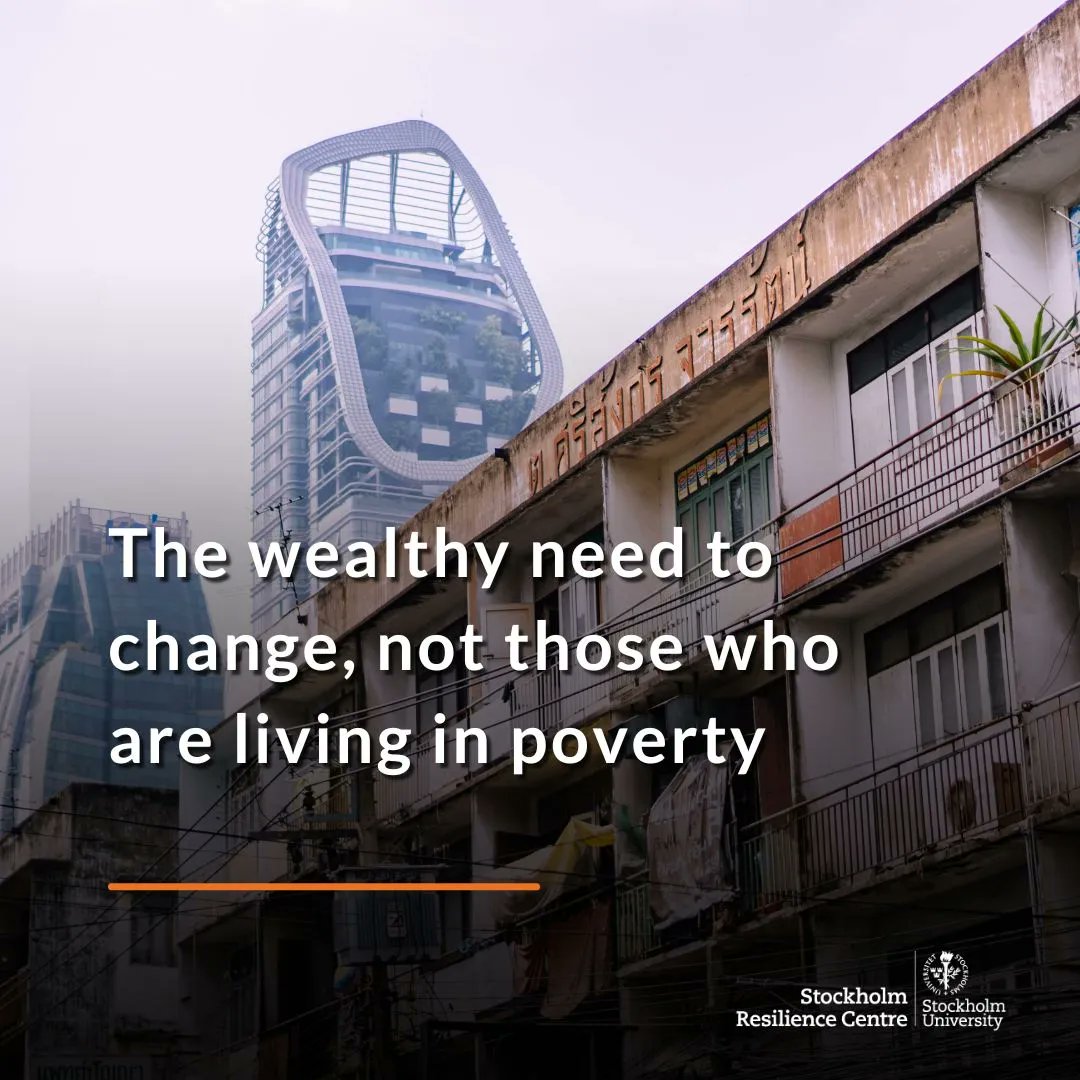
Ensuring a dignified life for all means putting additional pressure on the Earth system.
But rather than asking people in poverty to tighten their belts, the onus should be on the wealthy to change, conclude experts from @SafeJustPlanet.
Read more: https://t.co/6buJmkqKtd
How do we teach, learn and share knowledge in ways that create and support pathways to equality? Four papers in our current issue ask critical questions of the actors, methodologies and spaces in which we learn, research and teach the city 👇 1/4
A very cool study: Science coverage of climate change increases belief accuracy and support for government action after exposure, but effects decay over time and are attenuated by exposure to skeptical opinion content https://t.co/4kgeH36Itm
Every day, working on ways to prepare and prevent climate change, I come up against the same obstacle. We need transformational change, but the systems in which we operate are designed, at times intentionally, for only incremental change.
I just had a fantastic conversation with @ByAliceIrene for Reseed.
She got straight to the heart of SO MANY important issues.
I'm looking forward to discovering these episodes!
Consent vs. veto power: What's the difference? #IndigenousRights
We explain: Both include the right to say NO. Consent implies coming to the table with an open mind; veto doesn't.
Arguably, communities should be able to veto some development. #UNDRIP at least includes #FPIC.
At first glance, sustainability sciences may seem as if they’re neutral ways to study and describe the relationships between humans and nature. But, in fact, they are deeply shaped by the legacies of colonisation and coloniality. https://t.co/Io11XELWz2 via @tapestry_t2s
Current risk assessments are not suited for a future filled with complex, large-scale changes, say researchers.
In a recent paper they highlight strengths and weaknesses of diverse risk approaches and outline 5 major challenges for the future.https://t.co/6EBhgKkNTS
I'm so excited to see this out! Brilliant reflections from @salalberrywoman about the roles of Indigenous knowledge & ethnobiology in a sustainable future. #SocEcoSys#ConSocSci
Well grounded: Indigenous Peoples' knowledge, ethnobiology and sustainability https://t.co/qzbjMJA8Dl
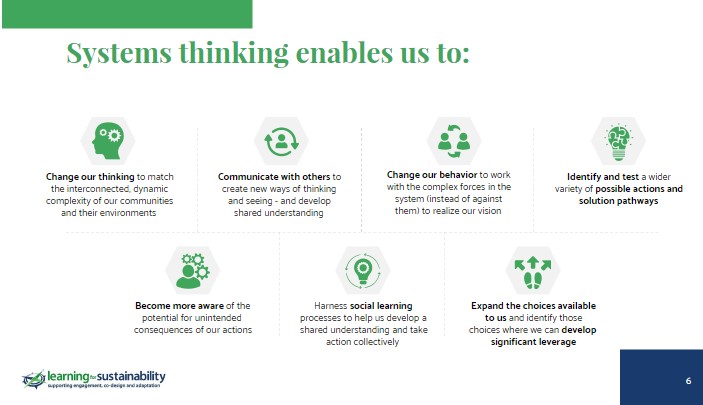
An intro to #systemsthinking & #systemicdesign – concepts & tools ... https://t.co/Njum32uUUZ .... will help you address complex or wicked problem situations and collaboratively design real-world solutions ... by @will_allen & Margaret Kilvington