South West England regional histopathology training. Visit our website and Facebook forum for training info, cases, book reviews and FRCPath exam tips.
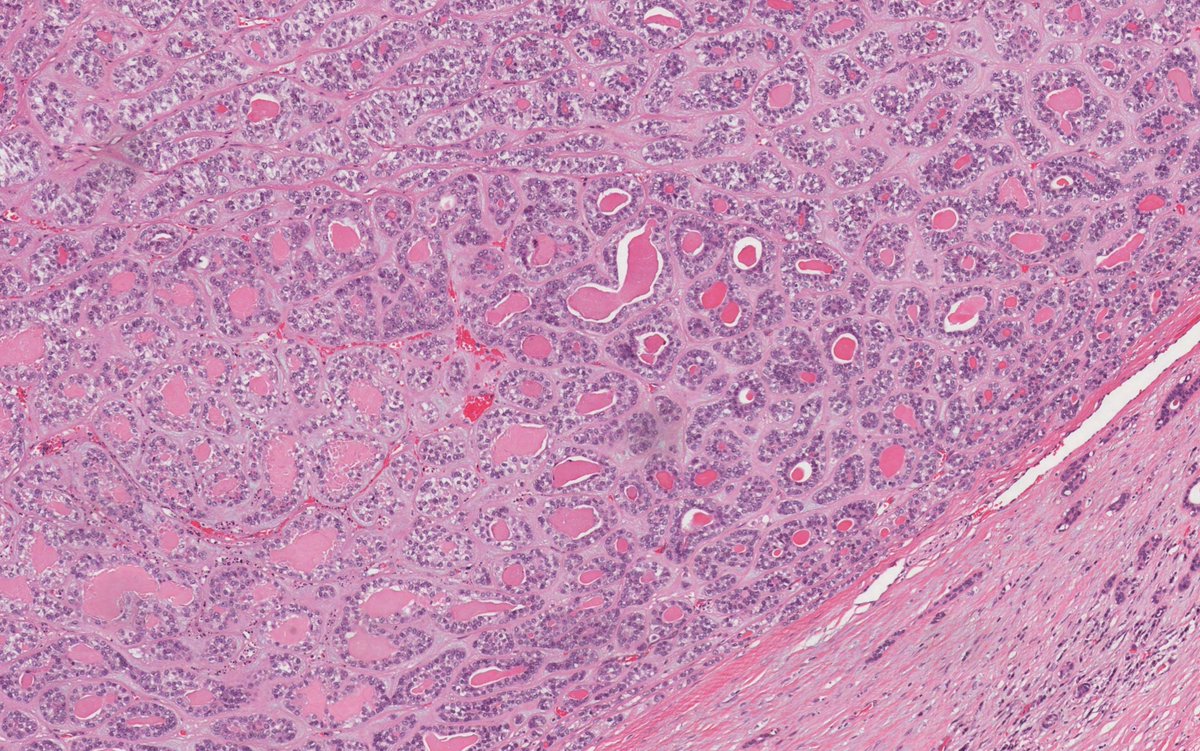
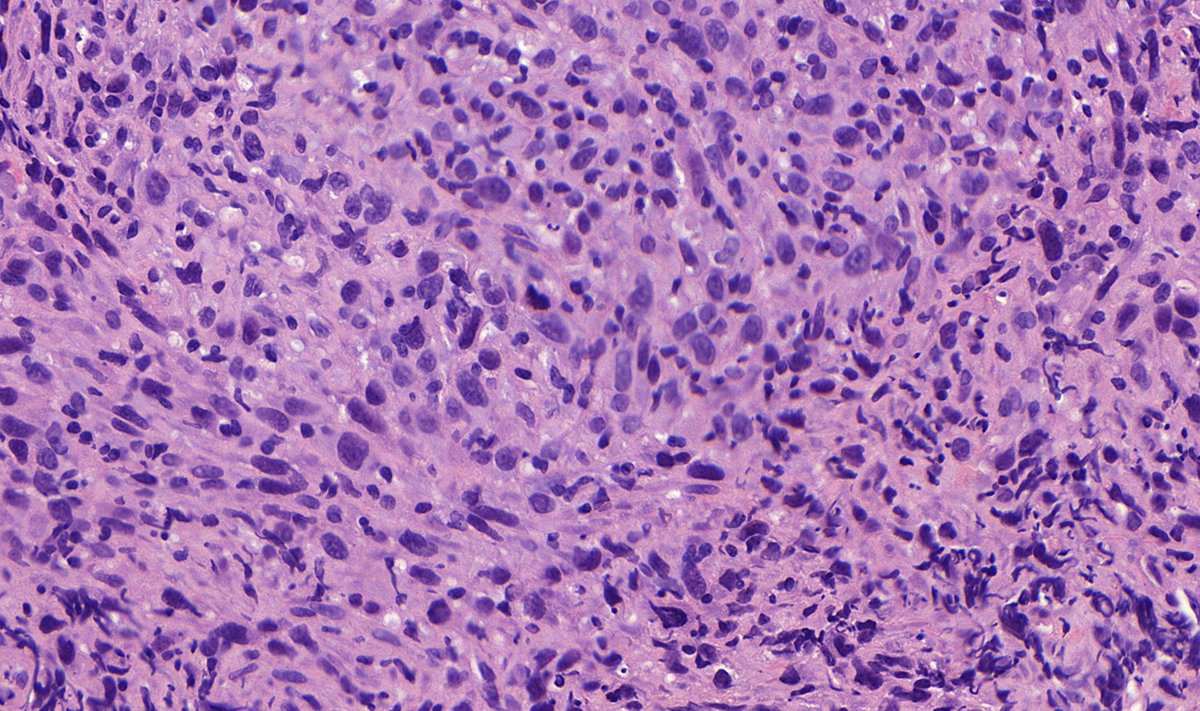
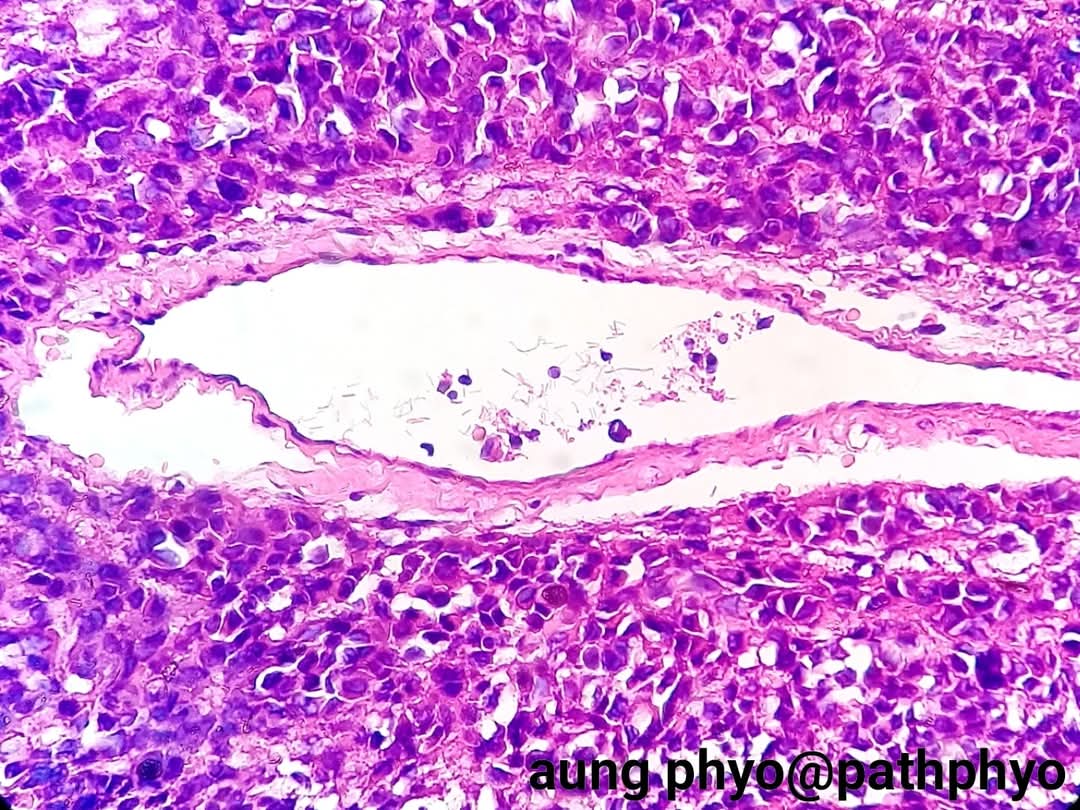
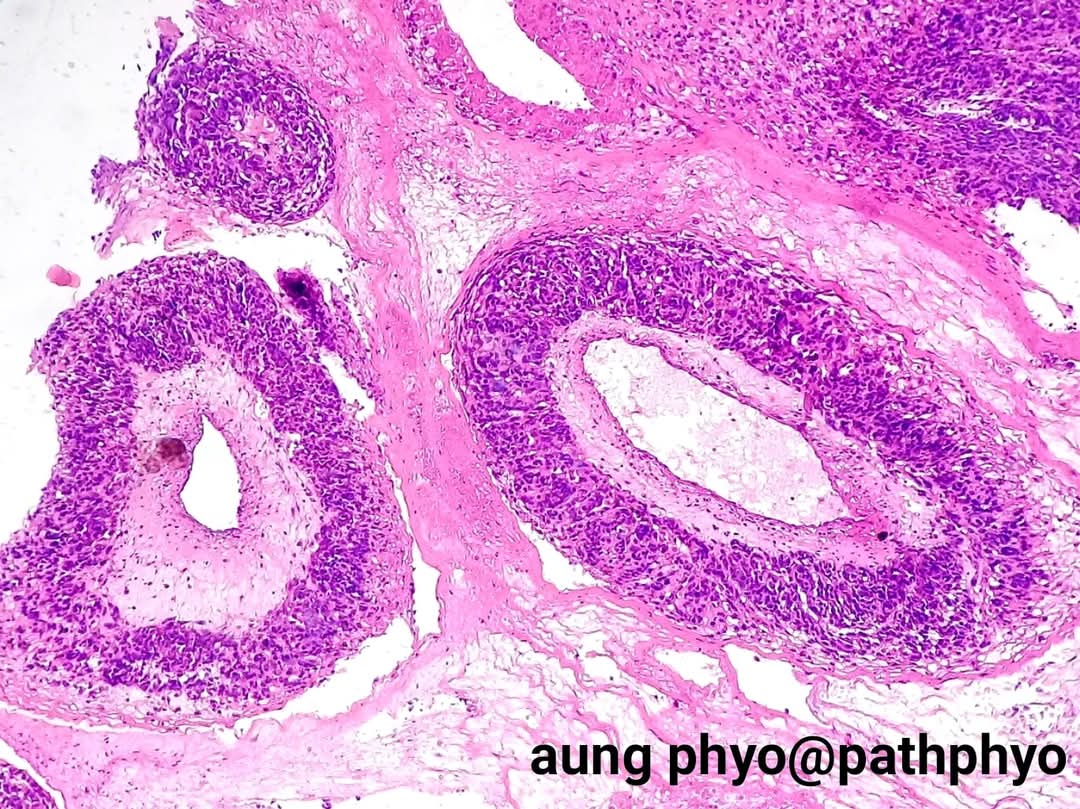
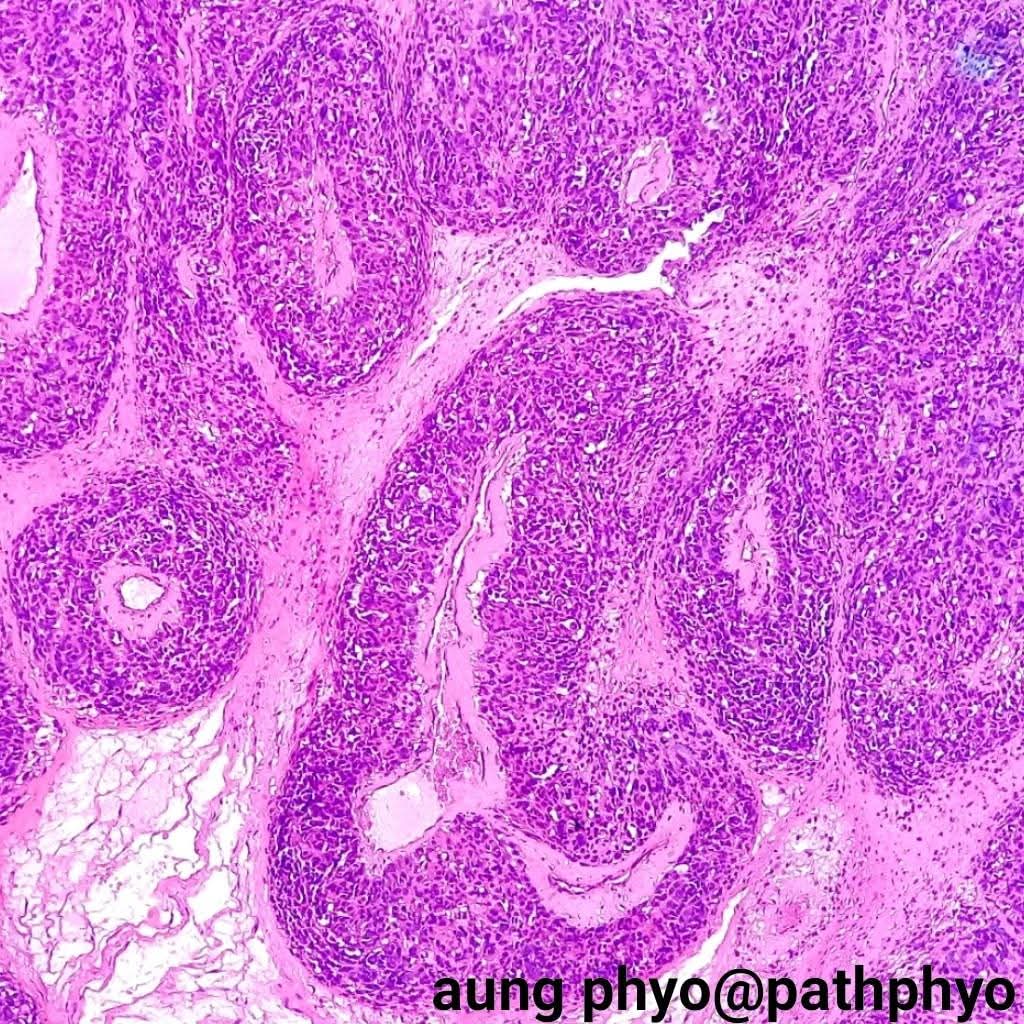
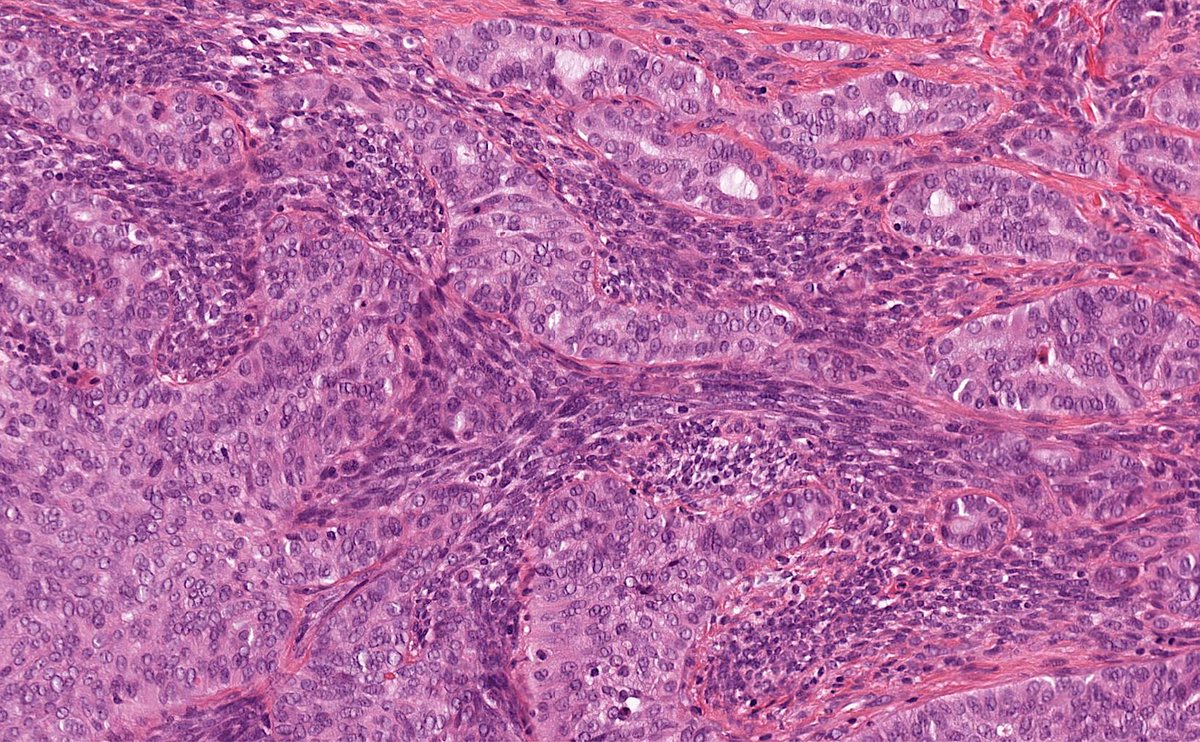
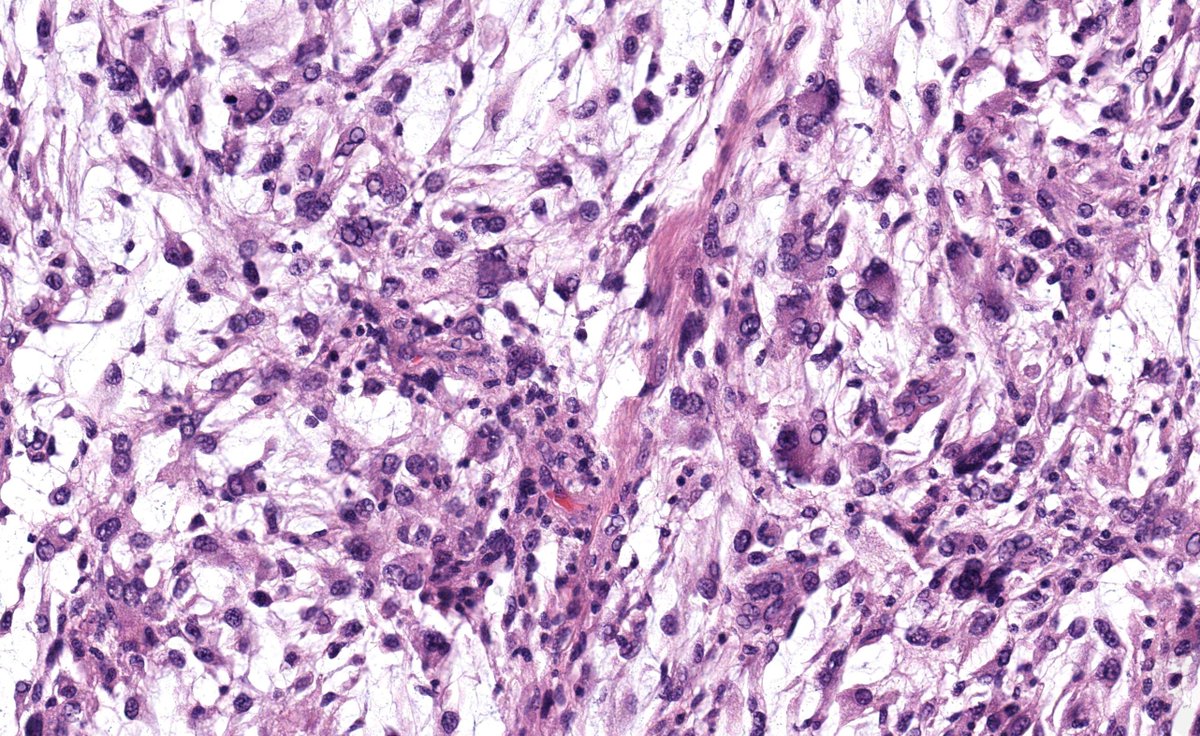
Biphasic synovial sarcomas have:
1) An epithelioid component forming cohesive structures, often tubules
2) A spindle cell component forming fascicles of monotonous cells with very high N:C ratios
+S18-SSX fusion-specific antibody (better than TLE1)
WSI: https://t.co/EY7c3sG4HE
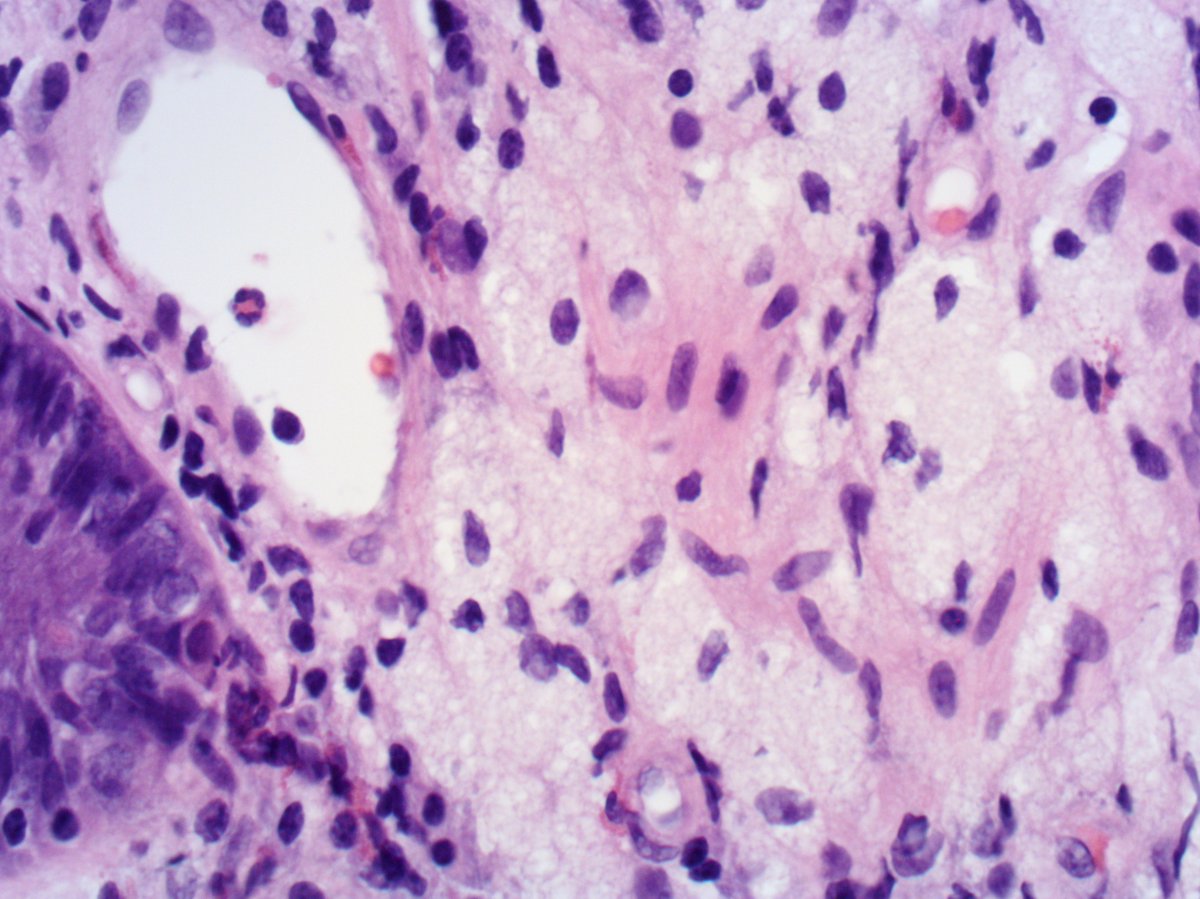
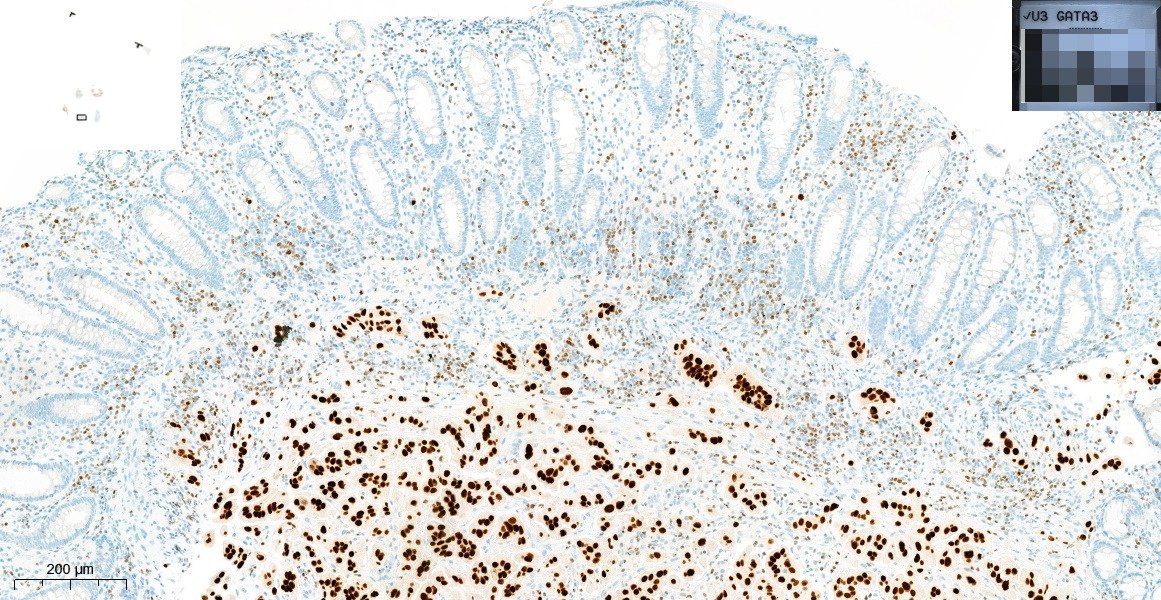
Rectal muciphages; useful to identify the distal biopsy in an unlabelled colonic series. #Pathologists dont confuse them for sampling of a xanthoma! #GIPath
The NHS need to create a national, cloud based digital pathology system to allow outsourcing and expert second opinions, preventing local silos that would otherwise require already digitised glass slides being sent away.
Read more at the following link...
https://t.co/Crh9s07XS9
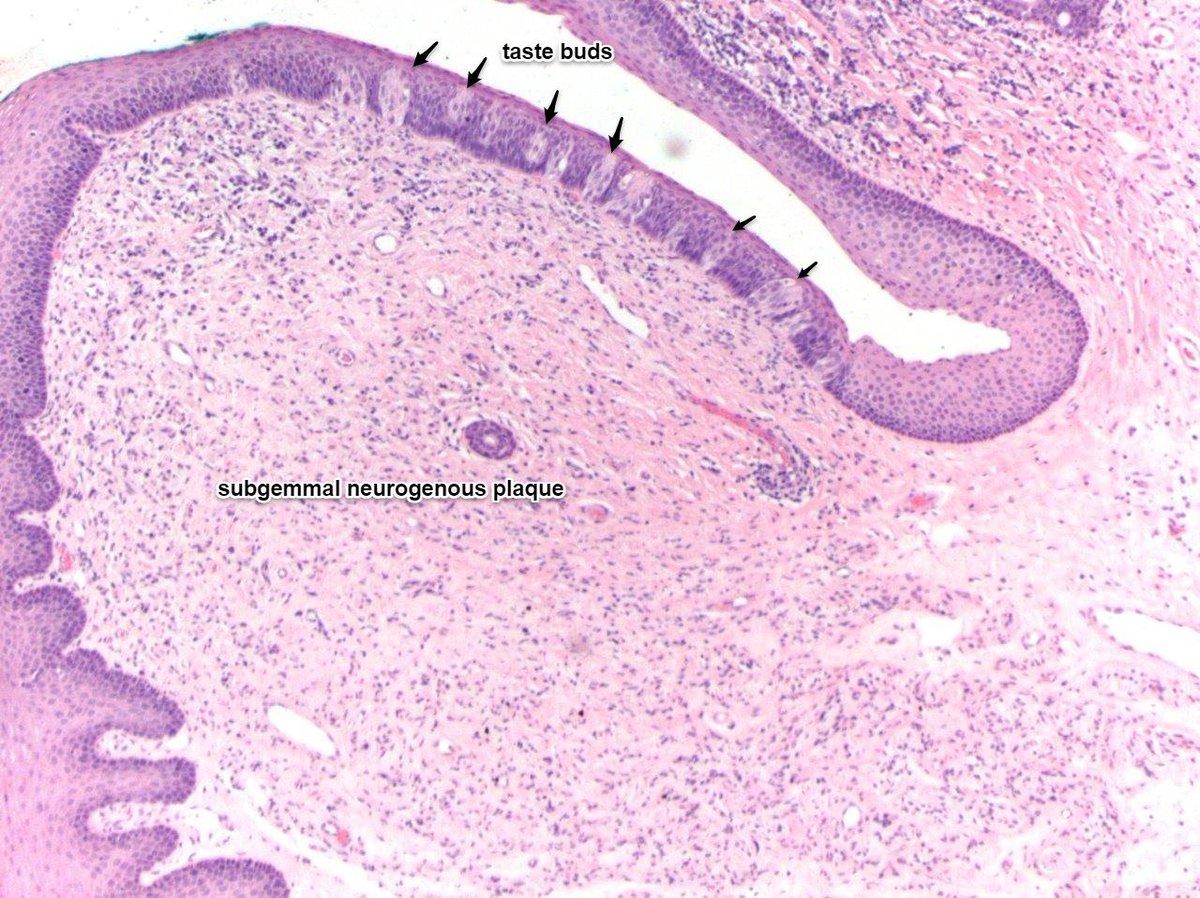
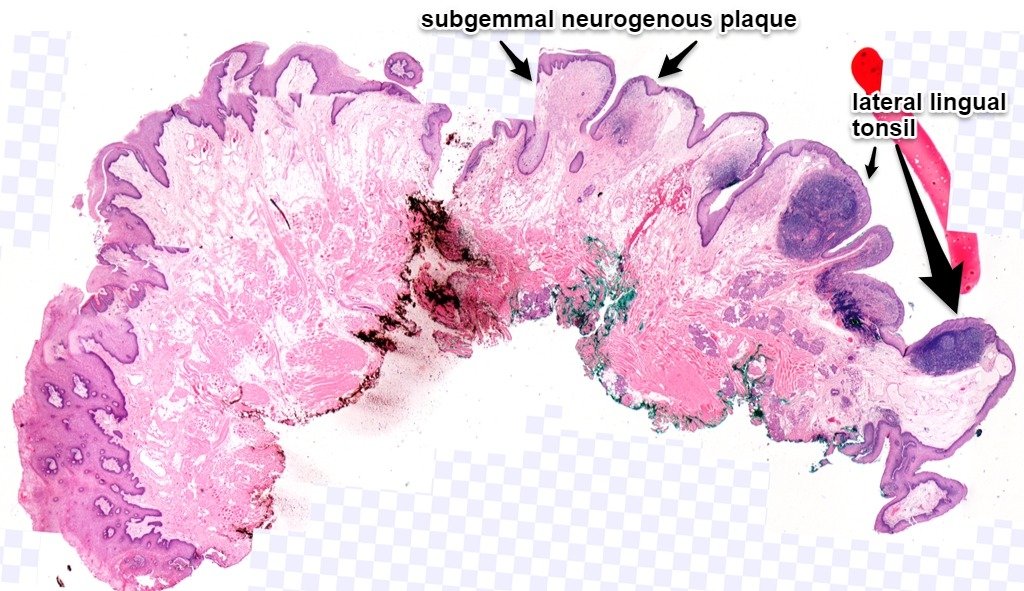
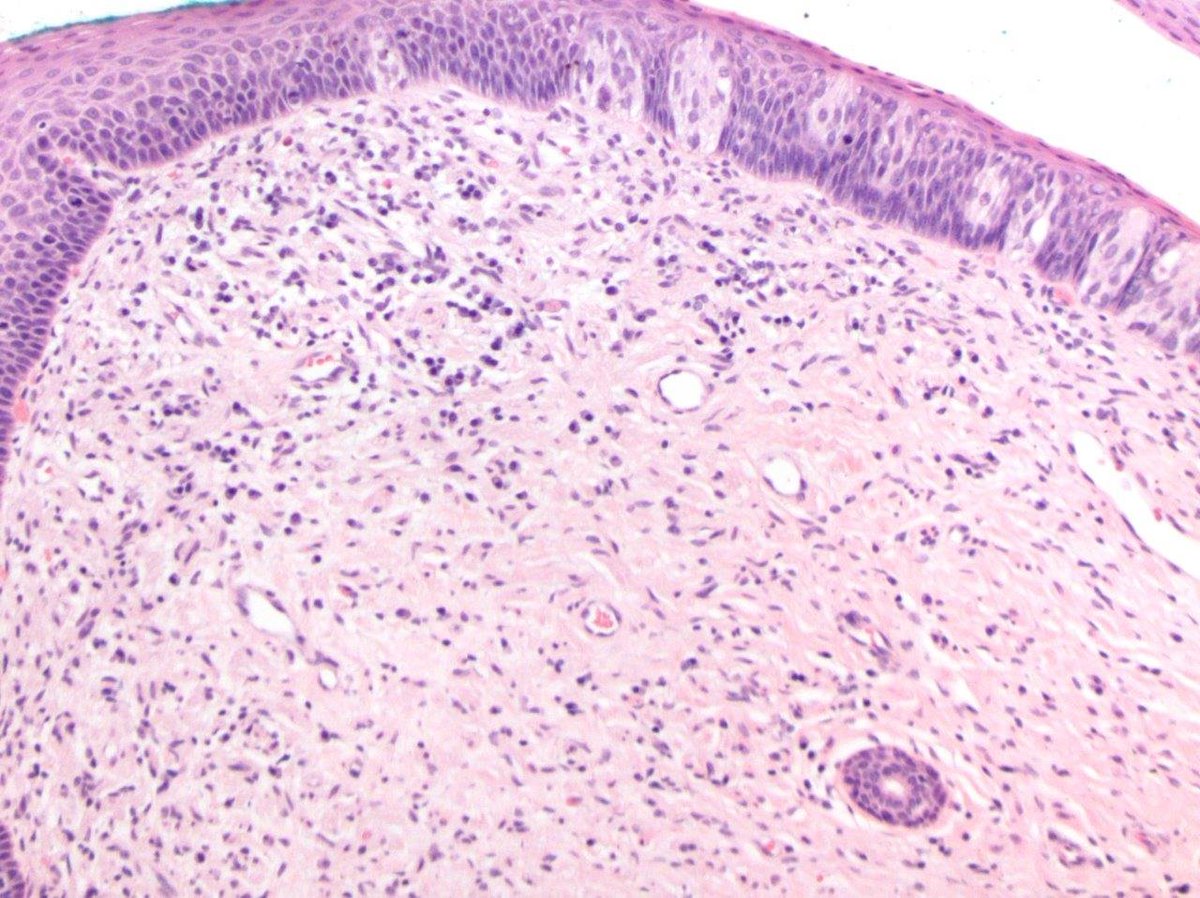
Excision of lateral tongue for high grade dysplasia but showing some rarely seen and beautiful microanatomical variants. Lateral lingual tonsillar tissue, taste buds lining clefts of foliate papillae and subgemmal neurogenous plaque. #ENTpath@sakhurram@ENTpathology
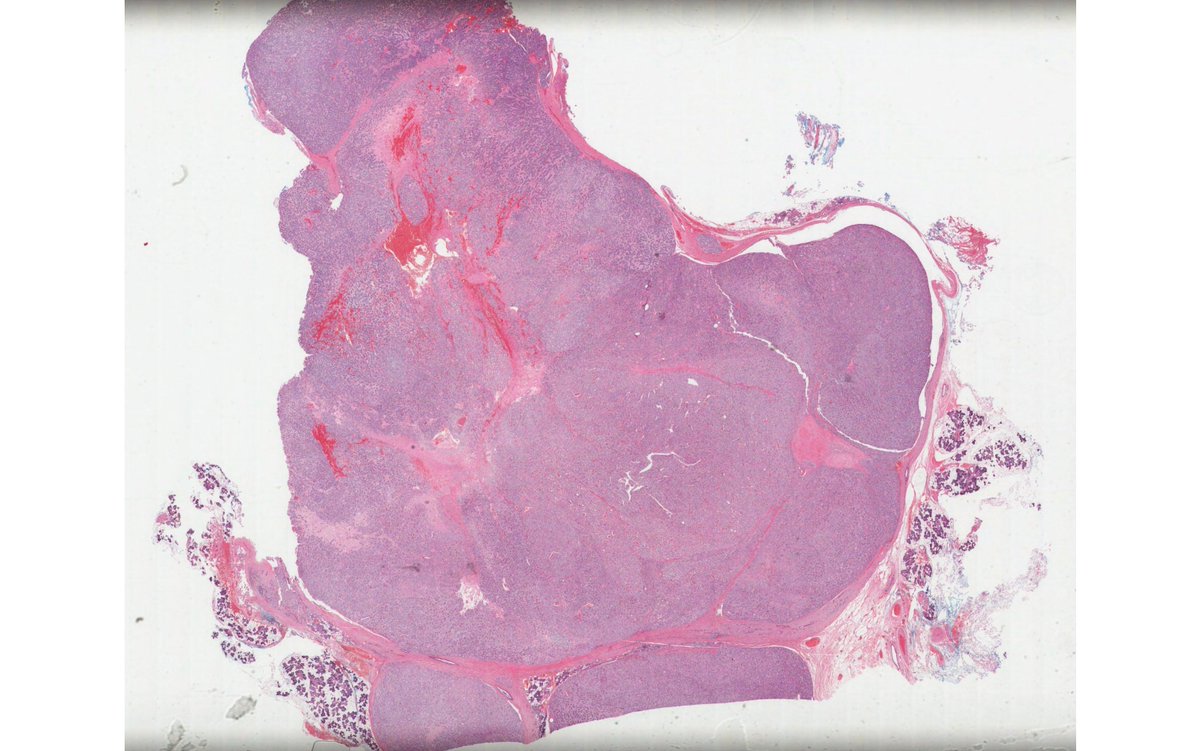
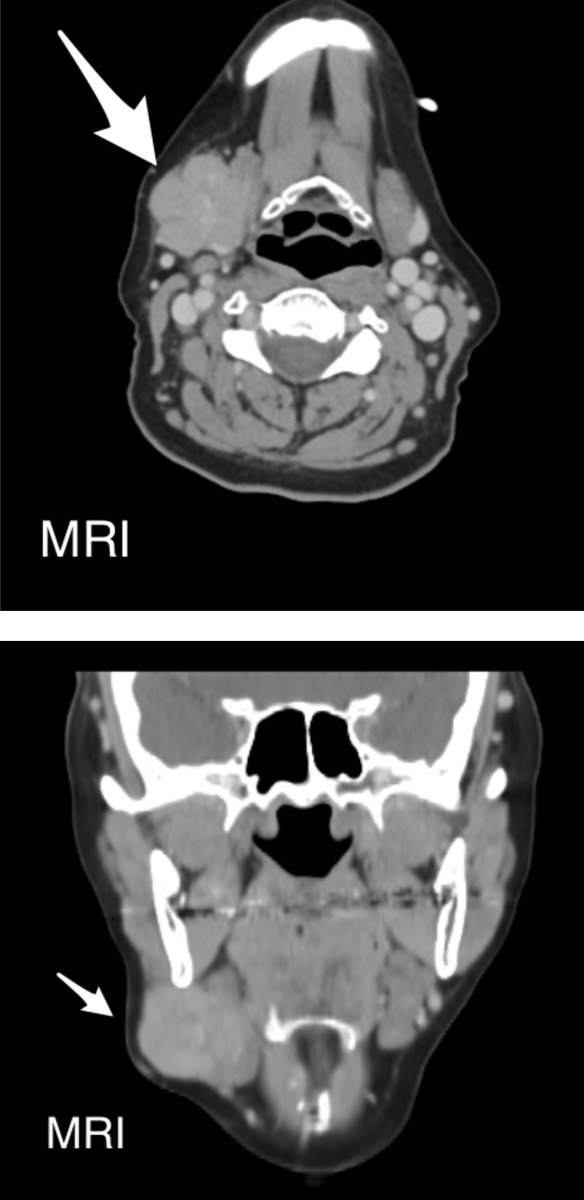
Resection of a parotid gland mass revealing what type of tumor? Answer: https://t.co/LKB4XjwAvH #PathArt#PathTwitter#MedTwitter https://t.co/y5elvylJHs
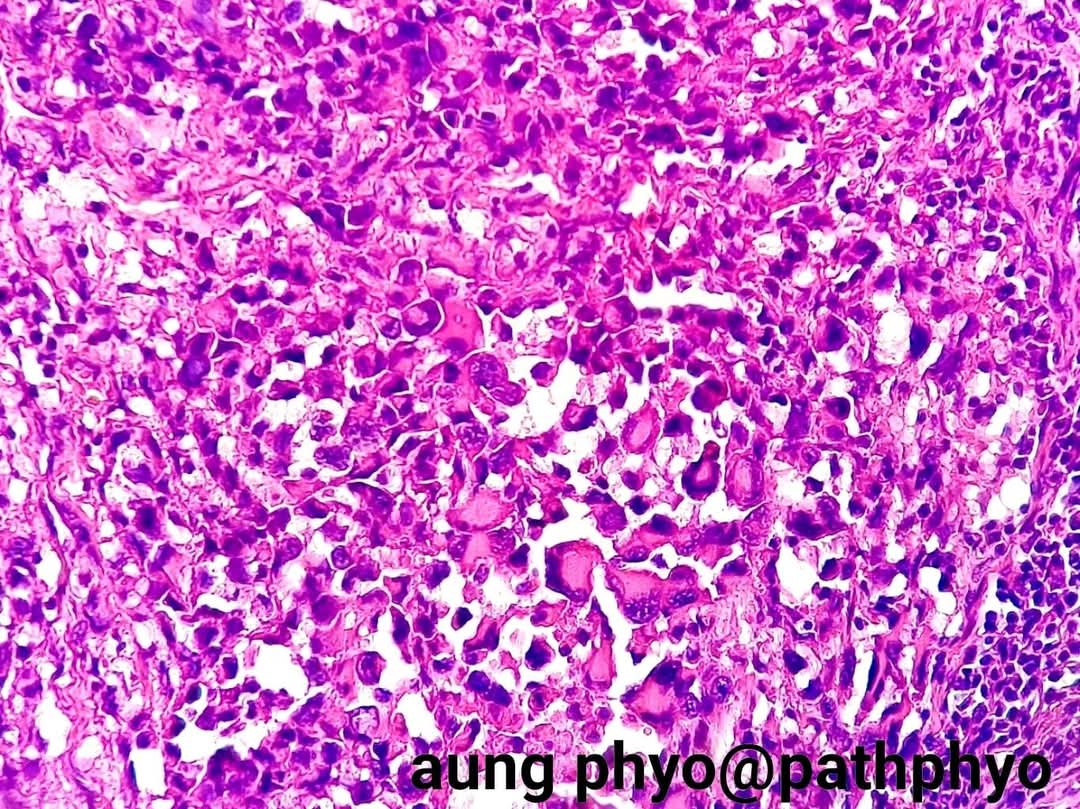
A nasty met of melanoma in inguinal lymph node. The peritheliomatous distribution of melanoma cells (most are rhabdoid and plasmacytoid here) can be mistaken as perivascular formations of metastatic germ cell tumors without appropriate history. The patient has primary in big toe.
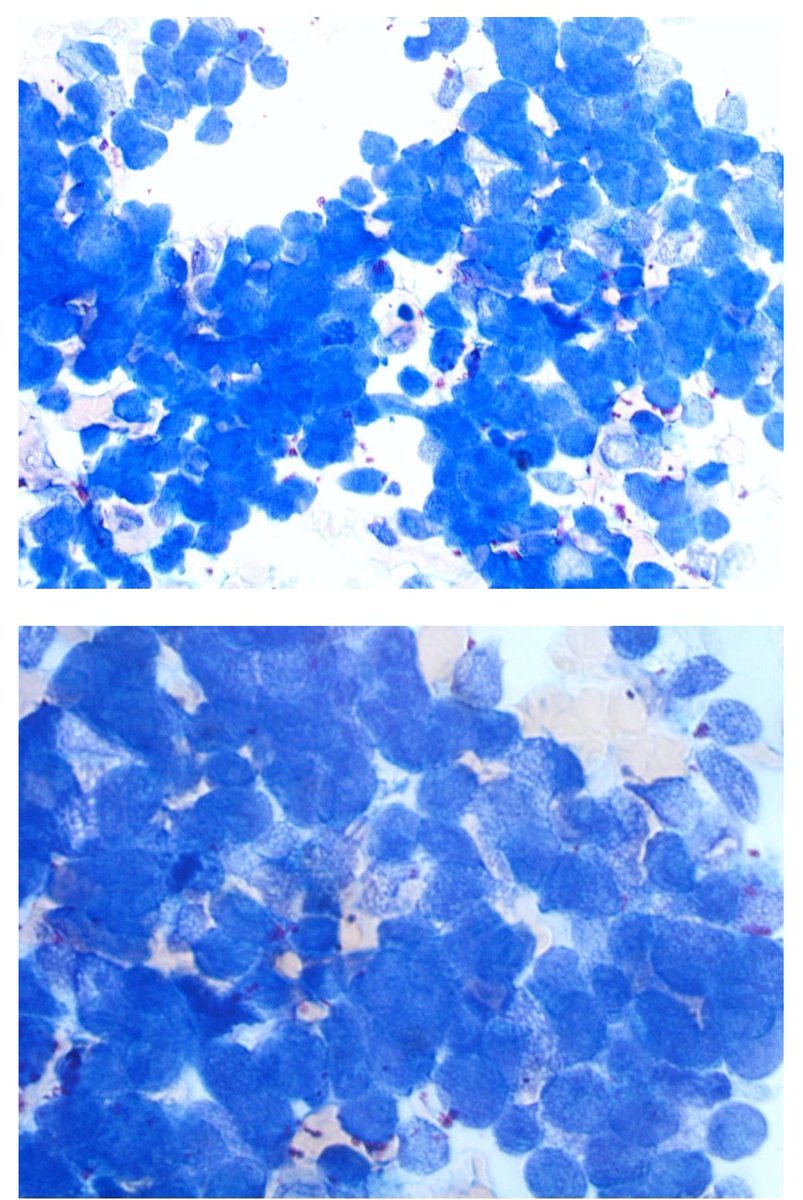
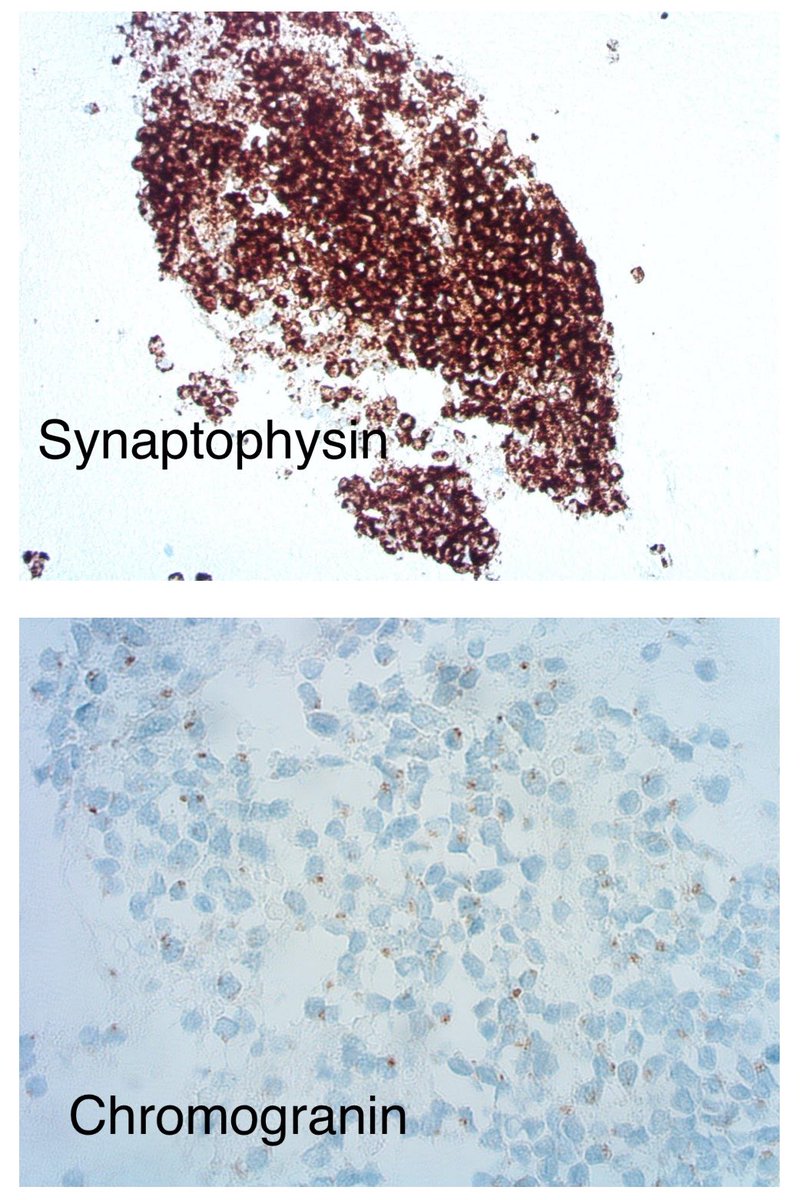
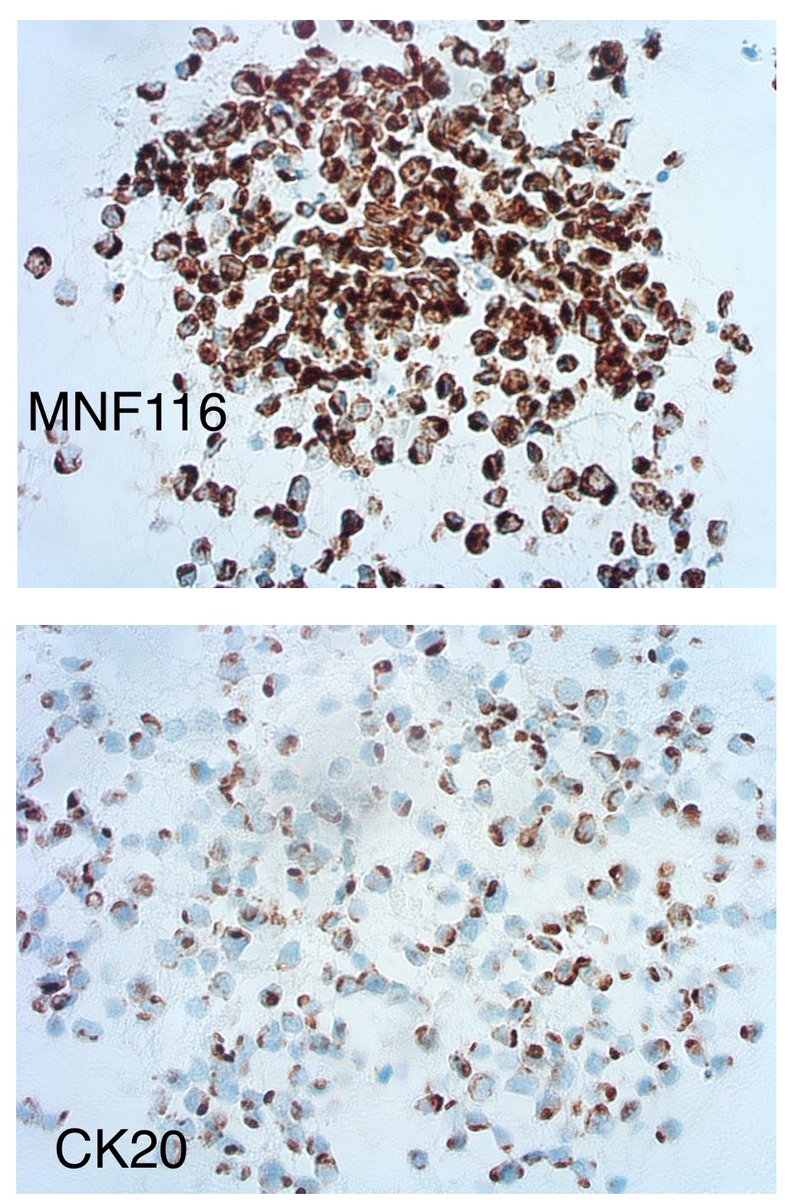
Salivary gland neuroendocrine carcinoma of small cell (Merkel)-type; CK20 dot-positive.
TTF1-, PET scan, skin survey and lack of tumour UV DNA signatures can help exclude spread from far more likely occult thoracic or cutaneous primary https://t.co/7cSo4ajyZp @ENTpathology
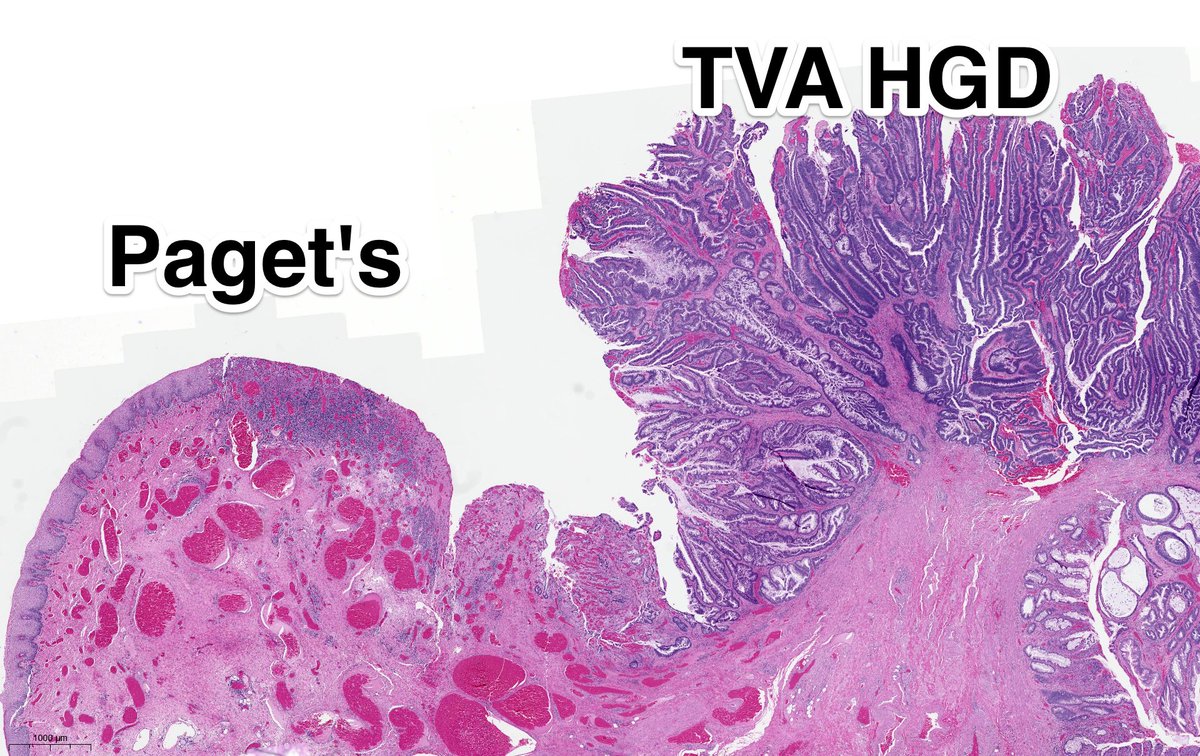
Paget’s disease of perianal squamous mucosa associated with a non-invasive prolapsing anorectal adenoma with high grade dysplasia. Like the @LizMontgomeryMD series our case didnt show submucosal invasion, and the Paget cells had a “colorectal” (CK7- CK20+ CDX2+) Immunophenotype.