With profound sadness, we announce the passing of our brother Captain Stuart “Stu” Campbell, #166, after a courageous battle with occupational cancer. A 30+ year member, Stu served with pride, courage & compassion. Our thoughts & prayers are with his family. #LODD#NeverForgotten
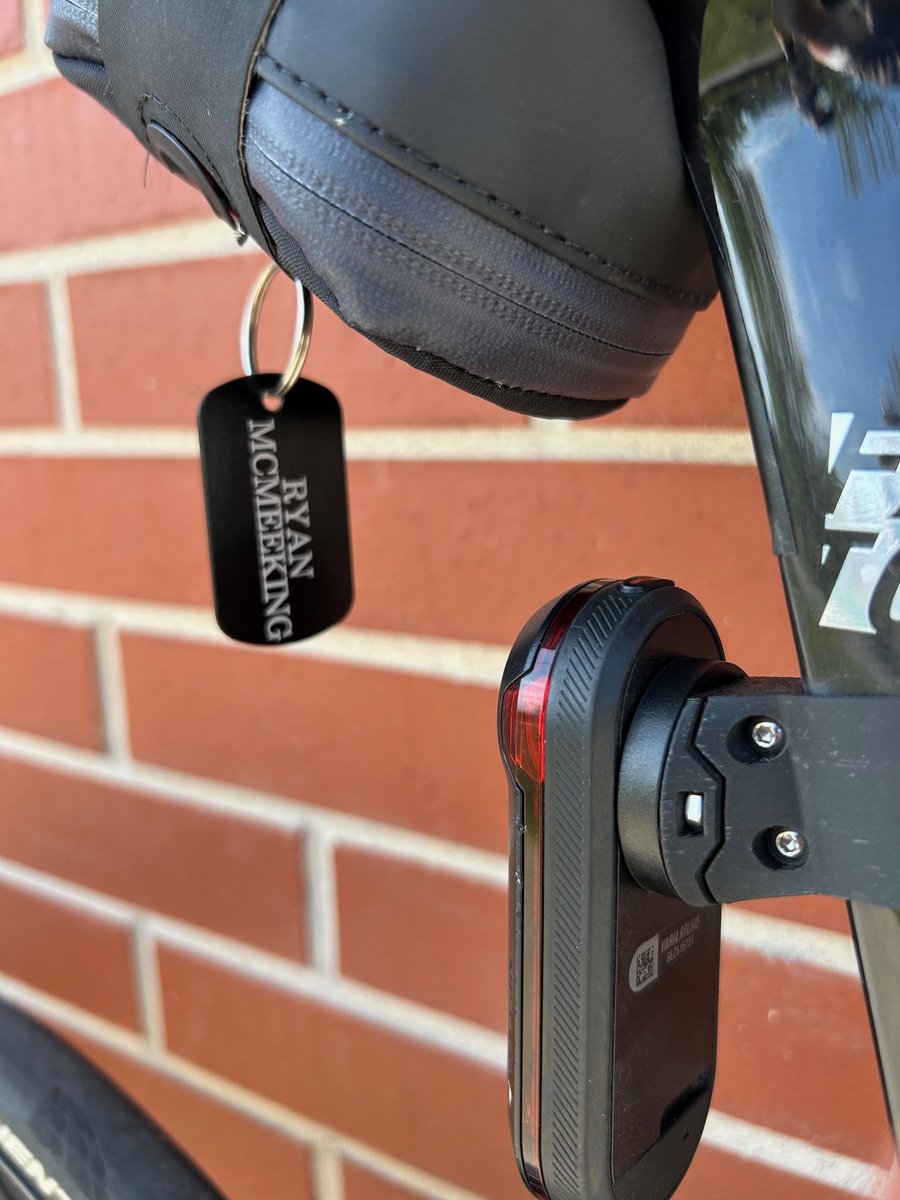
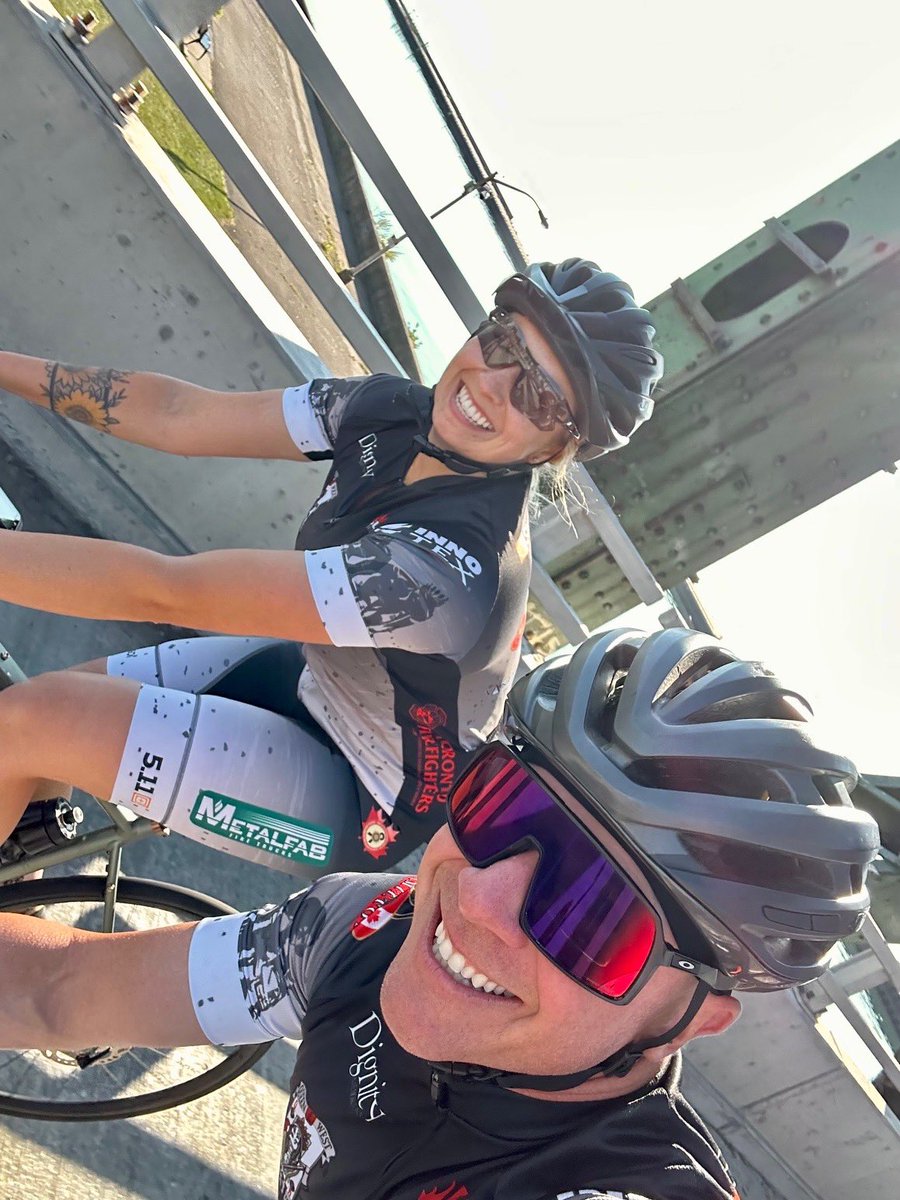
🚴♂️ Day 1 of the Canadian Fallen Firefighters Memorial Ride is complete. Kyle & Victoria are riding alongside 70 firefighters on a 580km journey from Hamilton to Ottawa. They ride in memory of TP FES Firefighter Ryan McMeeking, whose name will be added to the memorial next year.
@leafguy403 I’m a huge Leafs fan, son Tucker was named after Darcy Tucker. Wife asked me for names during first pregnancy, started naming Leaf. These were photo from skating at ACC (Scotiabank)
@BarDown Yes, goalie interference, increase and the making contact with right leg may have slowed his progress across to the post where the goalie may have had a better chance ce of saving. Player wasn’t push in, muscled his way past defender
Ok, here’s what I know:
- First, nobody really knows anything. The pilots probably have some idea, but they may not know, either.
- I’ve seen no indication the plane was in distress beforehand.
- The Tower controller audio sounds normal. Canada has had an ATC shortage just like the US, but there is no indication that played a role here.
- The runways had compacted snow, but read mostly as “condition 5”, which is not that bad as far as being slippery (it’s a 0-6 scale, 6 is dry, 5 is wet *or* some coating of snow / other contaminant).
- The winds were strong & gusty. There are multiple sources for wind data; the ATIS was reporting stronger winds than Tower & a slightly different direction, but both were strong.
- The airplane may have been near its “crosswind limit” depending on which weather source you use. That doesn’t necessarily mean anything, though.
(Crosswind limits are the extent that the airplane was tested & certified to, not an absolute limit. You could exceed them, but it would be tough explaining why you chose to)
- Whatever happened, it happened quick.
- It’s unusual to see airplanes end upside down, but when you do there is usually more casualties & a big fire. Lucky, and fire services seem to have responded pretty quickly.
- The NTSB will assist (since it’s a US airline), but Canadian authorities will lead the investigation.
- The jet is a regional CRJ 900, being called Delta but it’s operated by a different company. That relationship is complicated.
- Regionals are sometimes seen as a stepping stone to major airlines with inexperienced pilots building time to be competitive for a job at the majors, but that isn’t always the case. Many regional pilots are quite happy to stay at the regionals & have 10,000 hours or more.
- The two high profile accidents (DCA) were both regional jets, yes, but I see no pattern or connection there with the evidence available; these are very different crashes.
I try not to speculate on these things, though it’s very tempting; not because I know anything, but because pilots are kind of built with a desire to know how something can happen, and now, so we don’t do the same. “If it can happen to that crew, it can happen to me”. I don’t always follow that rule as close as I’d like, but I’m going to do my best to avoid speculating.
Politics should stay out of this. I highly doubt any political policy had anything to do with this.
Is this stuff happening more frequently lately? Well, we’ve certainly had a bad stretch. Some of it is more exposure, and until recently that’s all I thought it was.
That does NOT mean I think something is going on, though. We might go the next few months with absolutely nothing happening (which would be remarkable) and even out the year thus far. You can run the numbers any way you want to on this stuff, and I expect you’ll see scary graphs…but then it all flattens out over a longer axis. How to lie with statistics kind of thing.
I’m not concerned about flying for the moment, but yes, this has been a little unusual. It’s just still too early to say the safety system is broken; zero accidents is the goal, but it’s not possible in the real world. Obviously, we’ll be looking at this stuff carefully at the airlines to eliminate any weaknesses or trends we can ID, but every crash is different.
That said, would I put my kids on one of these airplanes tomorrow? Yes, I would. Would I worry about it? The logical side of my brain wouldn’t, but humans aren’t strictly logical. I wouldn’t say I’d be worried, but I’d notice it & think about it – it can’t really be helped & it’s understandable.