Clopidogrel versus aspirin for secondary prevention of coronary artery disease: a systematic review and individual patient data meta-analysis: @TheLancet
🥸Plavix for secondary prevention may be superior to aspirin
😱 Summary
👇👇👇
#ESC2025#Lancet@vlgmrc@FeliceGragnano@Drroxmehran
New IPD meta-analysis of 7 RCTs comparing clopidogrel with aspirin for secondary prevention in 28,982 patients.
https://t.co/DEwVIPel5Q
Building on consistent recent findings after PCI!
https://t.co/RFXzrabBmP
#echofirst How to predict SAM after MV-repair ➡️ What to measure in the preprocedural TEE
ASE Guidelines for the Use of TEE to Assist with Surgical Decision-Making in the OR
@ASE360#CVImaging
https://t.co/N9aQI30QfI
I wrote the Comment on the INFINITY-SWEDEHEART trial for @TheLancet.
Drug-eluting stents still have limitations that raise concerns over a patient's lifetime, and avoiding the caging of the coronary arteries has become a central goal in developing the next generation of coronary devices.
Should the benefits of coronary bioadaptors be confirmed over time and across more complex patient populations, this novel technology could offer the long-awaited solution to flatten the event curve for patients with stent implants. #TCT2024
https://t.co/VFApp6MLIP
You can vote for EACVI elections!
There are many excellent candidates who will shape the future of our Association.
All my support to Prof. Denisa Muraru, candidate for President-Elect.
An outstanding scientist who has worked so hard for #EACVI with passion and determination.
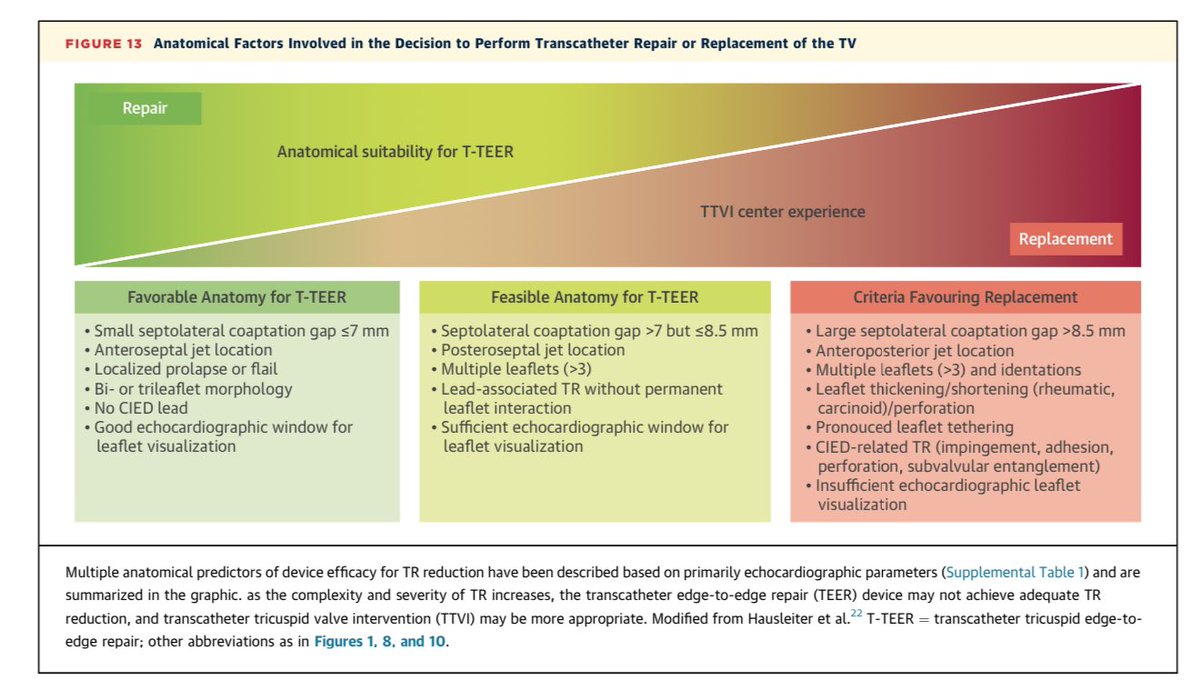
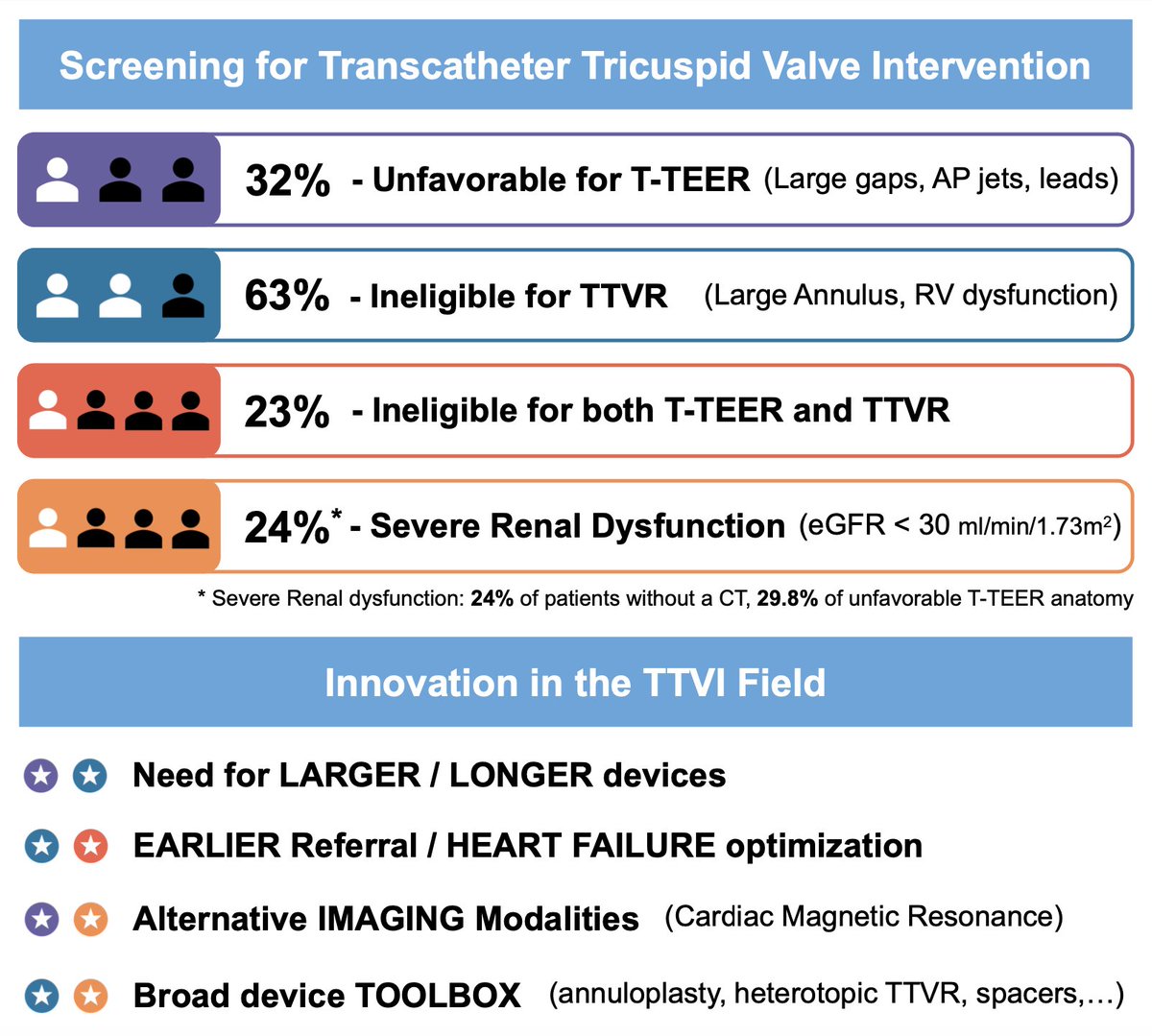
Second T-TEER randomized trial: Tri-FR! Presented at #ESC2024#ESCCongress2024 by @DonalErwan showing similar TRILUMINATE results: primary 1Yr endpoint driven by QoL but numerically lower mortality and HFH. Longer FU needed. @ESCardioNews@escardio
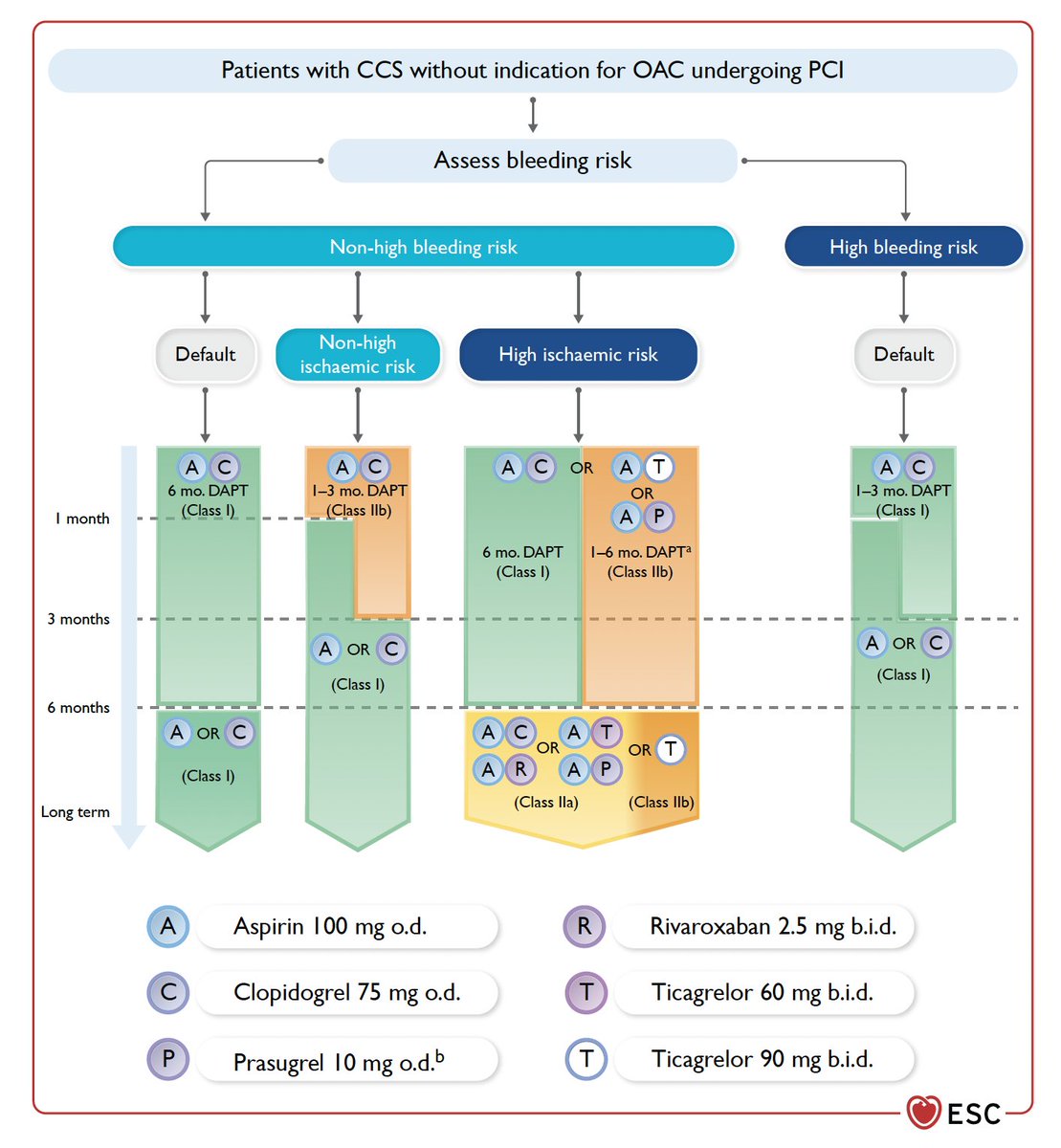
How many times have we seen this flow chart on the duration of DAPT change over the years? Let’s summarize the situation regarding class I recommendations (“must be done”) as reported in the new 2024 guidelines on chronic coronary syndromes:
- High bleeding risk patient: DAPT for 1-3 months.
- High ischemic risk patient with no high bleeding risk: DAPT for 6 months (alternatively 1-6 months in class IIb).
- Patient with neither high ischemic risk nor high bleeding risk: DAPT for 6 months (alternatively 1-3 months in class IIb).
I believe there is a missed opportunity for a recommendation regarding 'bi-risk' patients, but there is little evidence on this matter.
https://t.co/7RI6XRsdrd #ESCCongress
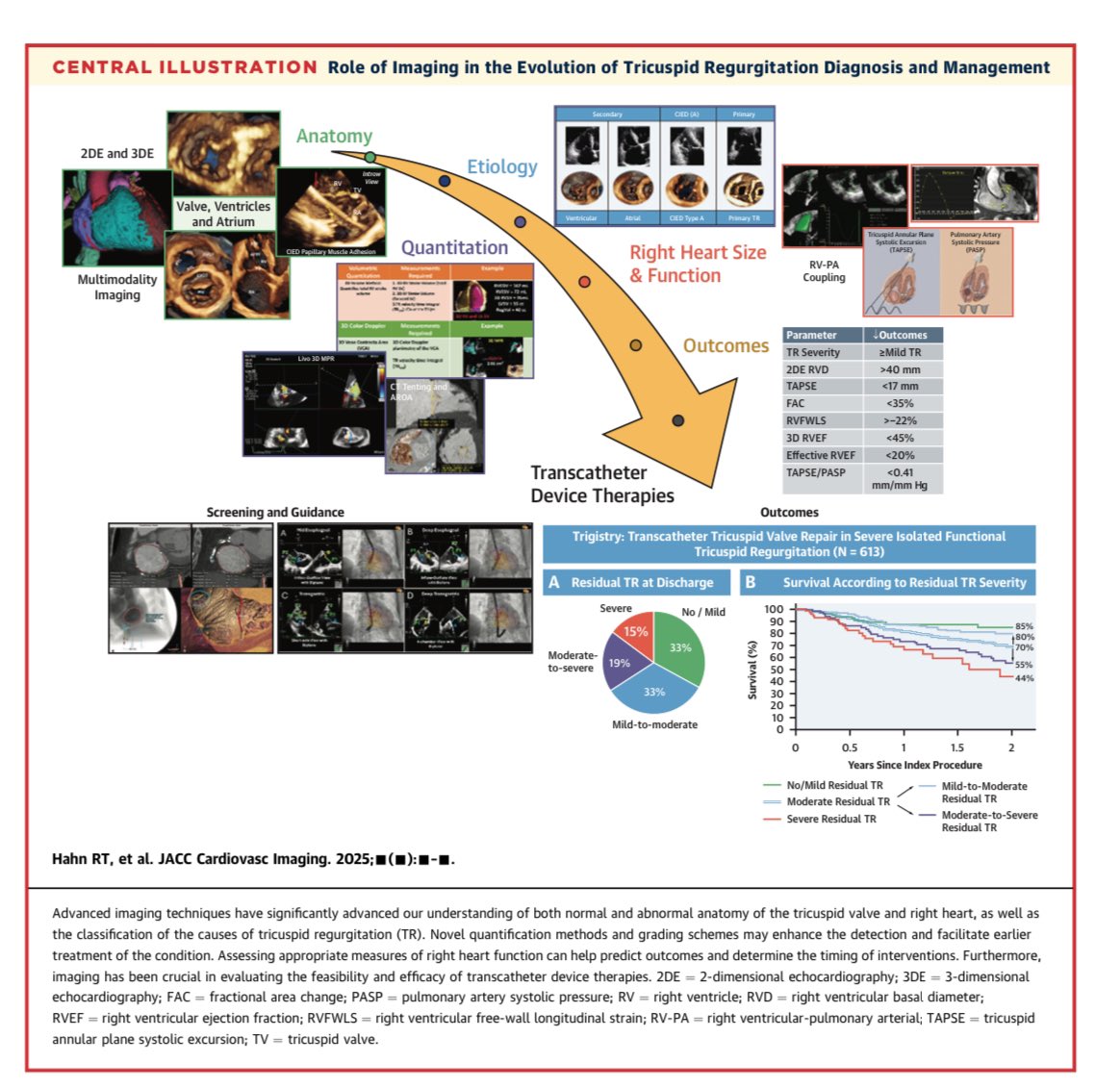
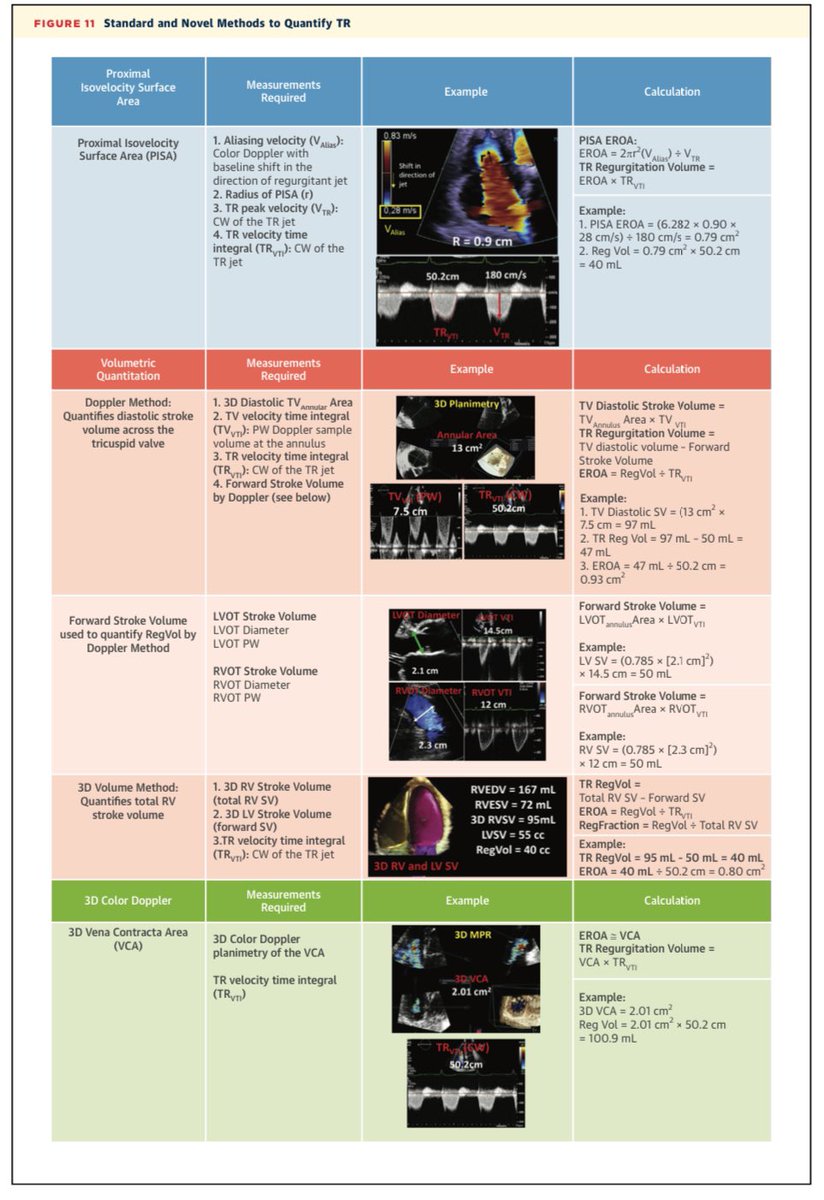
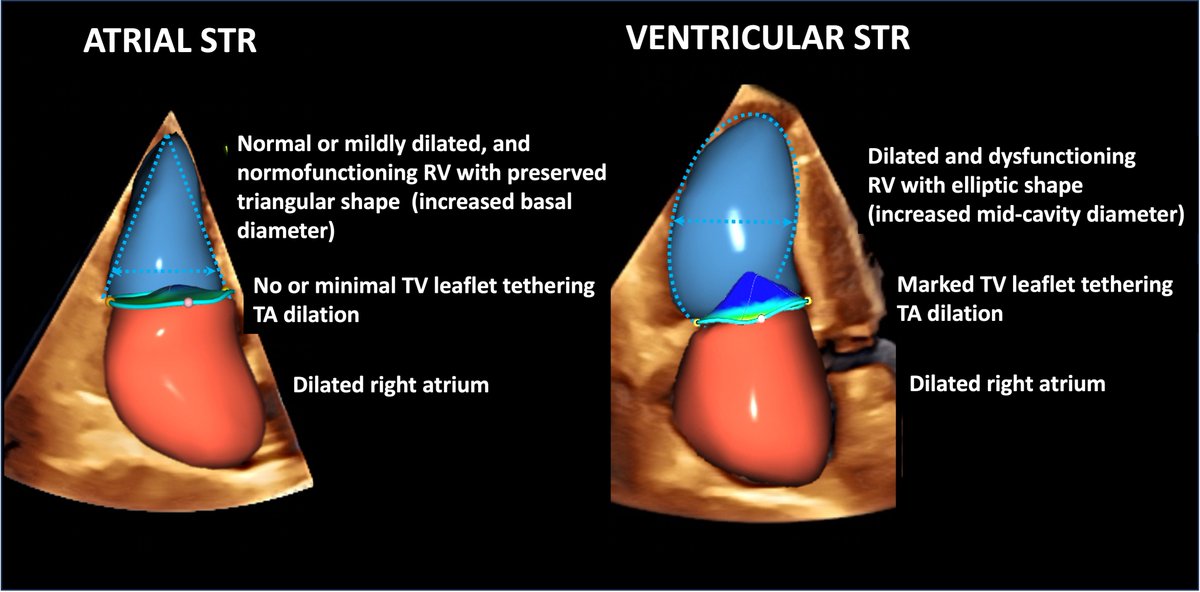
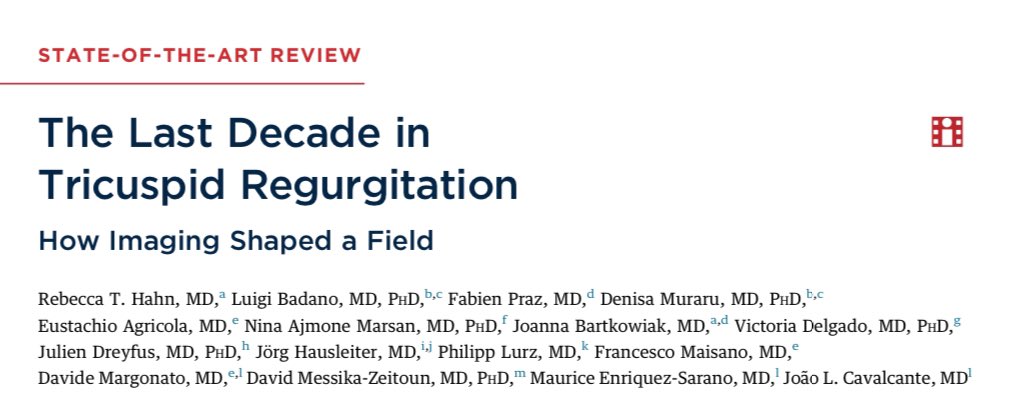
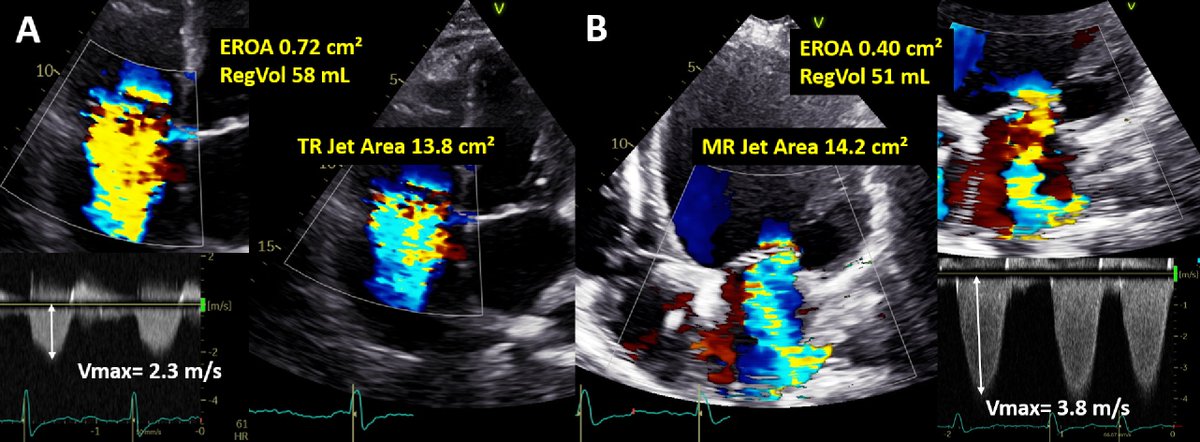
Check out our latest review on #JASE about the strengths and limitations of echocardiographic parameters in assessing patients with TR before and after interventions. Great collaborative effort! https://t.co/kRJRxpNhyh
@lpbadano@denisamuraru@NAjmoneMarsan@XGalloo@CHPedroLi