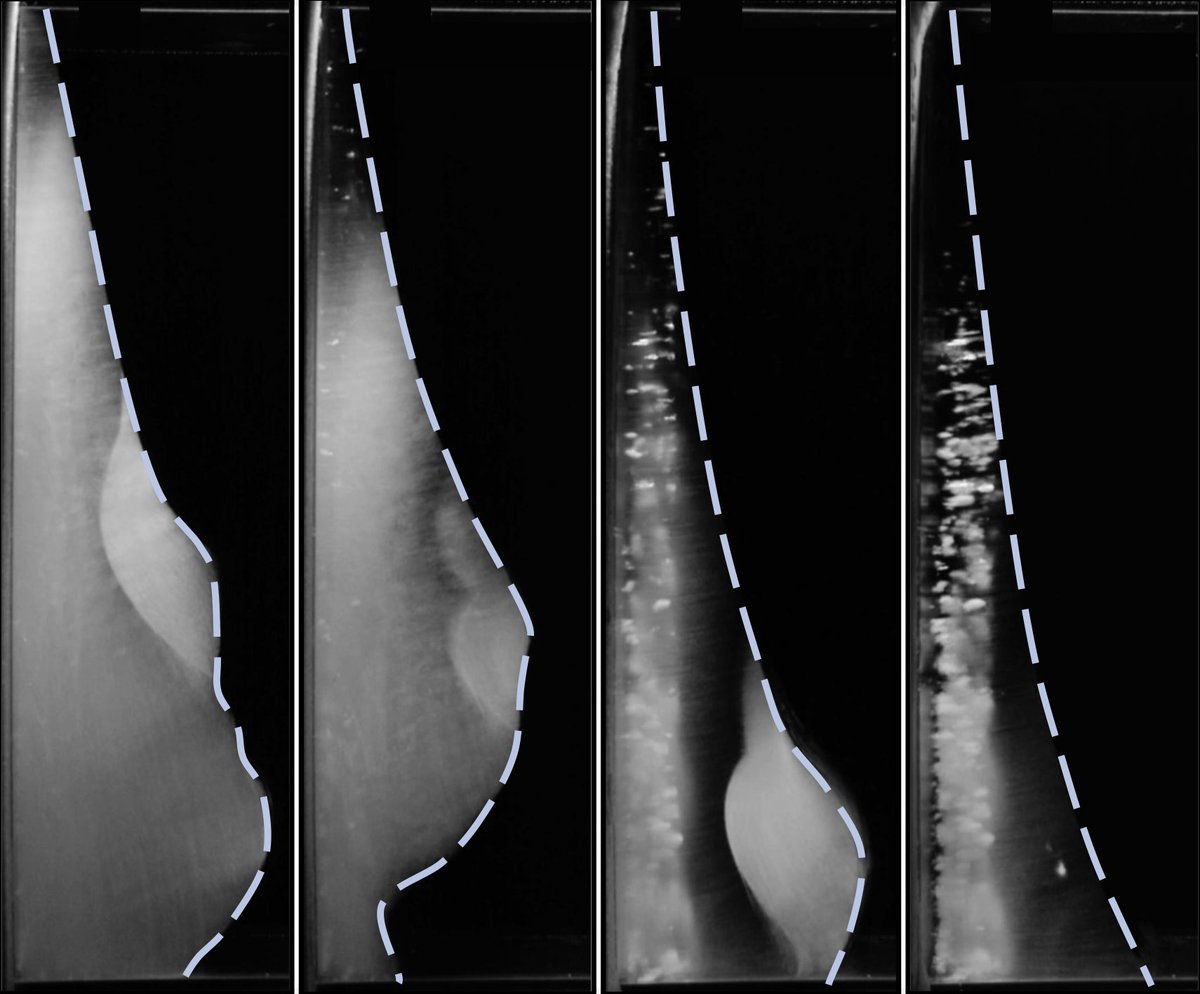
🧊 A study in @PhysRevLett shows sea ice is more resistant to melting the older it is — likely due to the loss of salty pockets in the ice over time. These findings may improve climate models.
Read the paper: https://t.co/KhSCBX7E9D
Check out our new collaborative work. Invasive cancer cells reshape collagen tissue mechanics: unlike fibroblasts, they soften the matrix & disrupt stress-stiffening. 👇https://t.co/EsRLiNtfwq
📢📢Hiring 2 Research Assistants & 2 Postdocs at @EmoryUniversity in Atlanta to study cytoskeletal biophysics/biochemistry. Please RT.
RAs: great for recent bachelor's/master's in Physics/Bio/Chem/Biochem. Email CV and interests to [email protected].
https://t.co/4B2YexM7Nt
Excited to share our review article about "Label‐Free Microscale Technologies for Isolation of Heterogeneous Circulating Tumor Cells" led by Gurhan in Advanced NanoBiomed Research - Wiley Online Library https://t.co/hJdaDSAiEo
.@_amolf scientists introduce LabelFreeTracker, a label-free machine-learning-based method to visualize the nuclei and membranes in bright-field images of 3D mouse intestinal #organoids.
🔎 Discover more: https://t.co/KrKN4eSb8l
Optogenetically induced chemo-mechanical excitations are used to drive and study shape deformations in starfish oocytes. Understanding and eventually controlling such waves is important for the development of synthetic cells.
https://t.co/F6DKoijE3k
Another exciting day ahead at 'Physics of Life 2025'! Highlights include keynote talks by Satyajit Mayor & Otger Campàs (@CampasLab), cutting-edge sessions, lunchtime talks, and a dinner at Pavilions of Harrogate - all whilst the sun shines down on us!
1️⃣For years, scientists have known that mechanical tension influences cell behavior. But in our recent study in @NatureMaterials we found that it is not just the amount of tension—it is the direction!
https://t.co/DCnYZYs29Z
Excited to see that our collaborative work with @raoof_amir's team in Utrecht University published in #Drug_Delivery & #Translational 🥳👇https://t.co/ZFFjTiSbqH
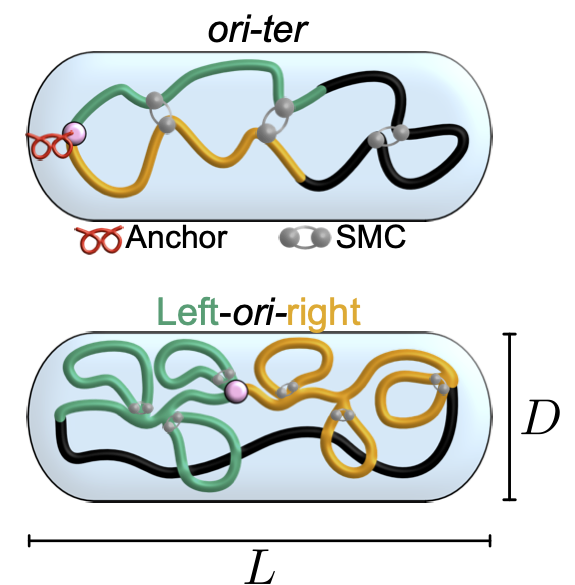
A biophysical model and 3D polymer simulations explain the molecular mechanisms behind E. coli’s ability to organize chromosomes into left and right halves, using loop extrusion to ensure precise gene locationing without the need for cellular anchors.
🔗 https://t.co/HRGYKCBqoB
Congratulations to @EPidko and @MennoVeldhorst from @QuTech_news for receiving an @NWONieuws Vici grant! 👏 This enables them to develop an innovative line of research and set up their own research group for five years.
🔗Find out more about the grants: https://t.co/fO2UYkRX7S
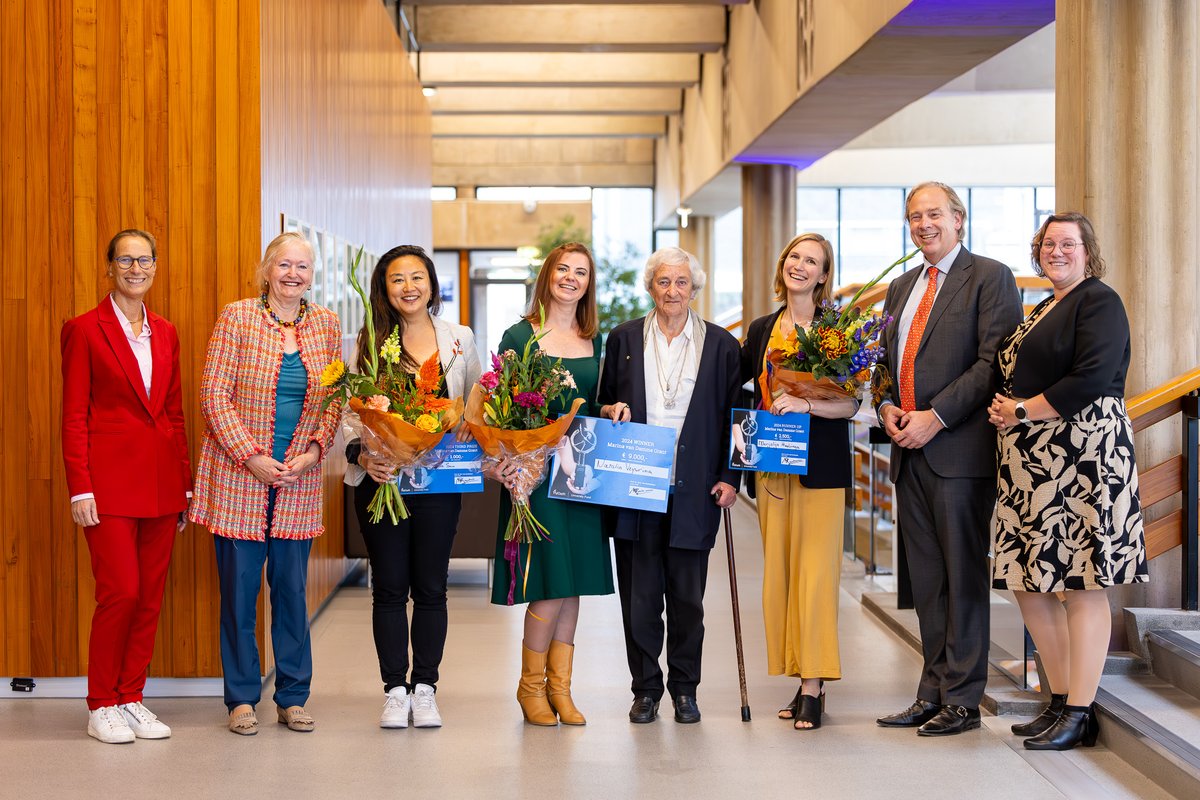
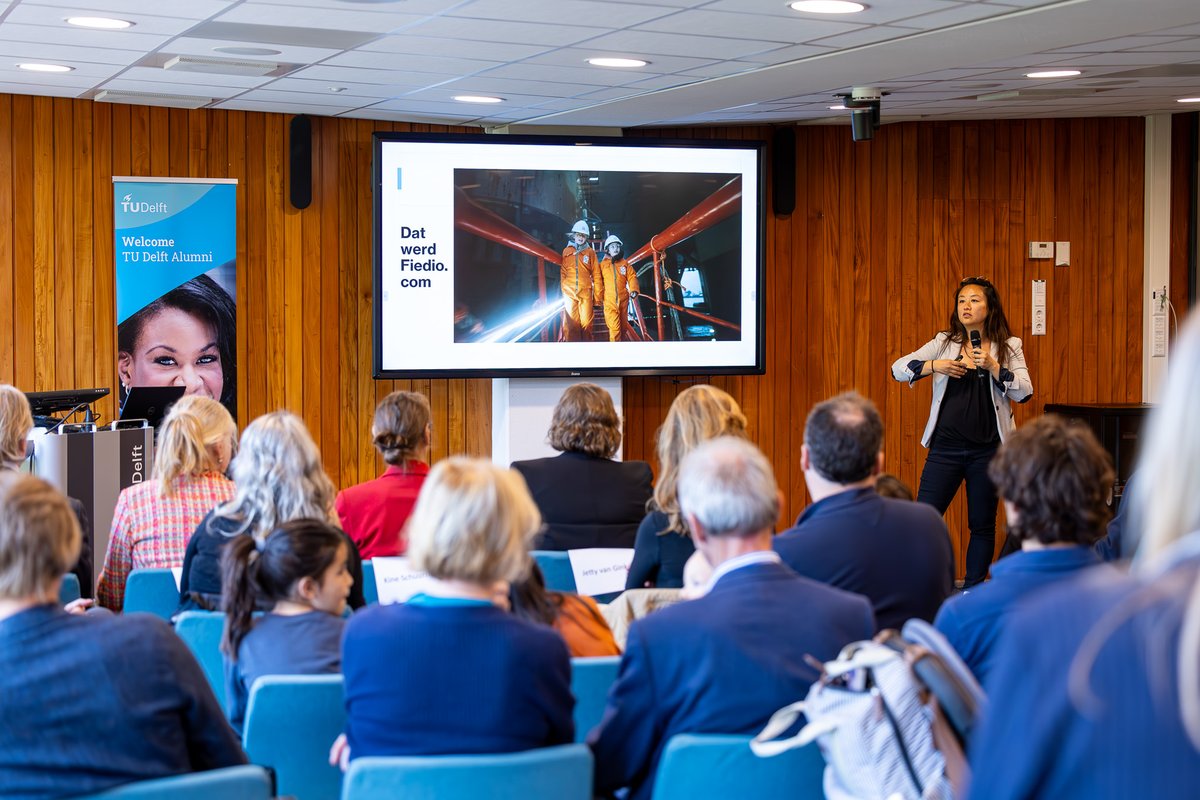
📢 Are you an ambitious female alumna of TU Delft with a plan? You can now apply for the Marina van Damme Scholarship 2025!
This scholarship enables engineers to further develop themselves and to increase their career opportunities.
🔗 More information: https://t.co/avolVzD9ki
How do the different posterior tissues affect the physical elongation of the body axis? Very happy to share the work led by Georgina @regagino, together with Shuo-Ting @yenshuoting and Sangwoo, that we just published in @NatureComms 🥳
https://t.co/TGZzzhJVAc
Simulations of cancer cell invasion reproduce experiments in microfluidic channels, showing how confinement, adhesion, and chemotaxis affect how cells break off from an invading front and rupture — behavior that can lead to #metastasis.
Read the paper: https://t.co/WCcR4Fi355
A new kind of elastic surface instability is observed during flow of extremely soft elastic solids through a confined space
Letter: https://t.co/ck293crDBD
Video: https://t.co/5QjH7upir6