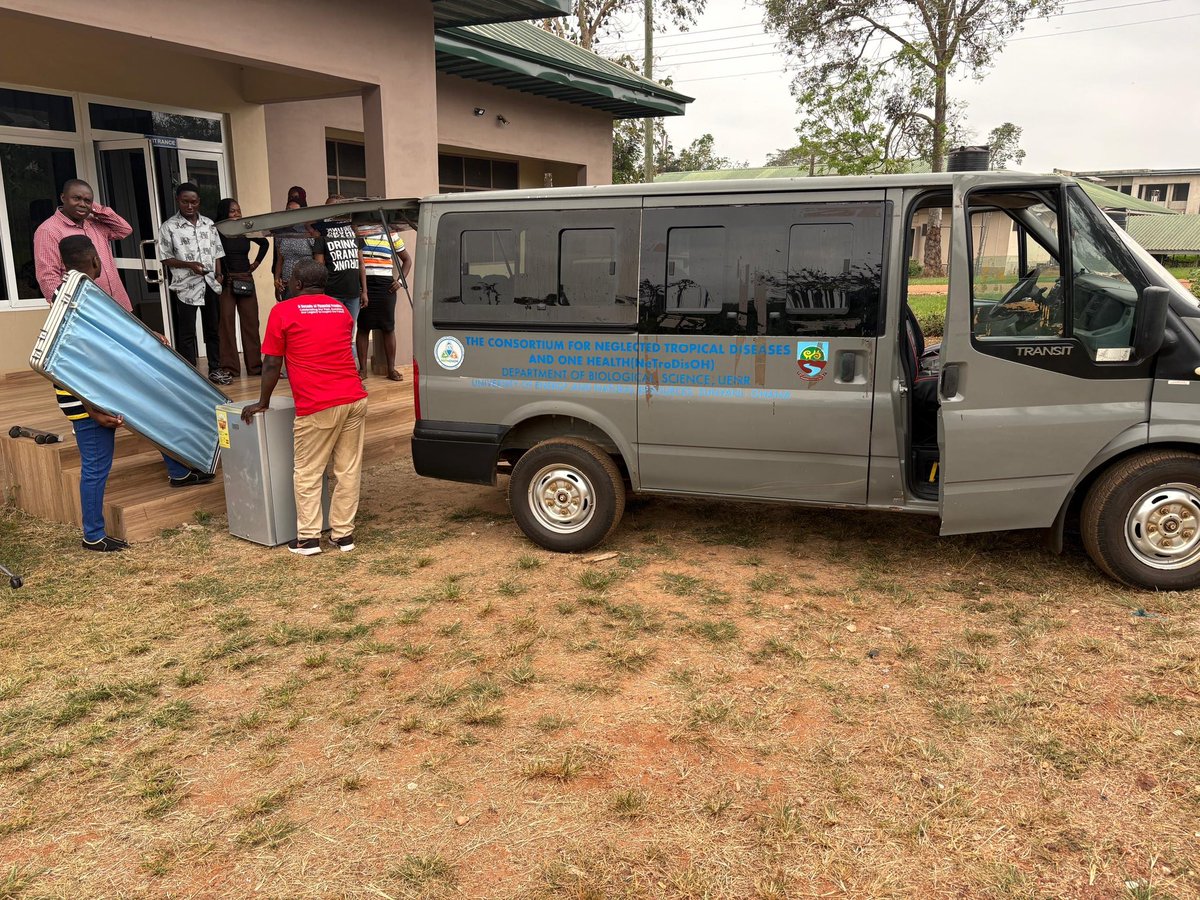
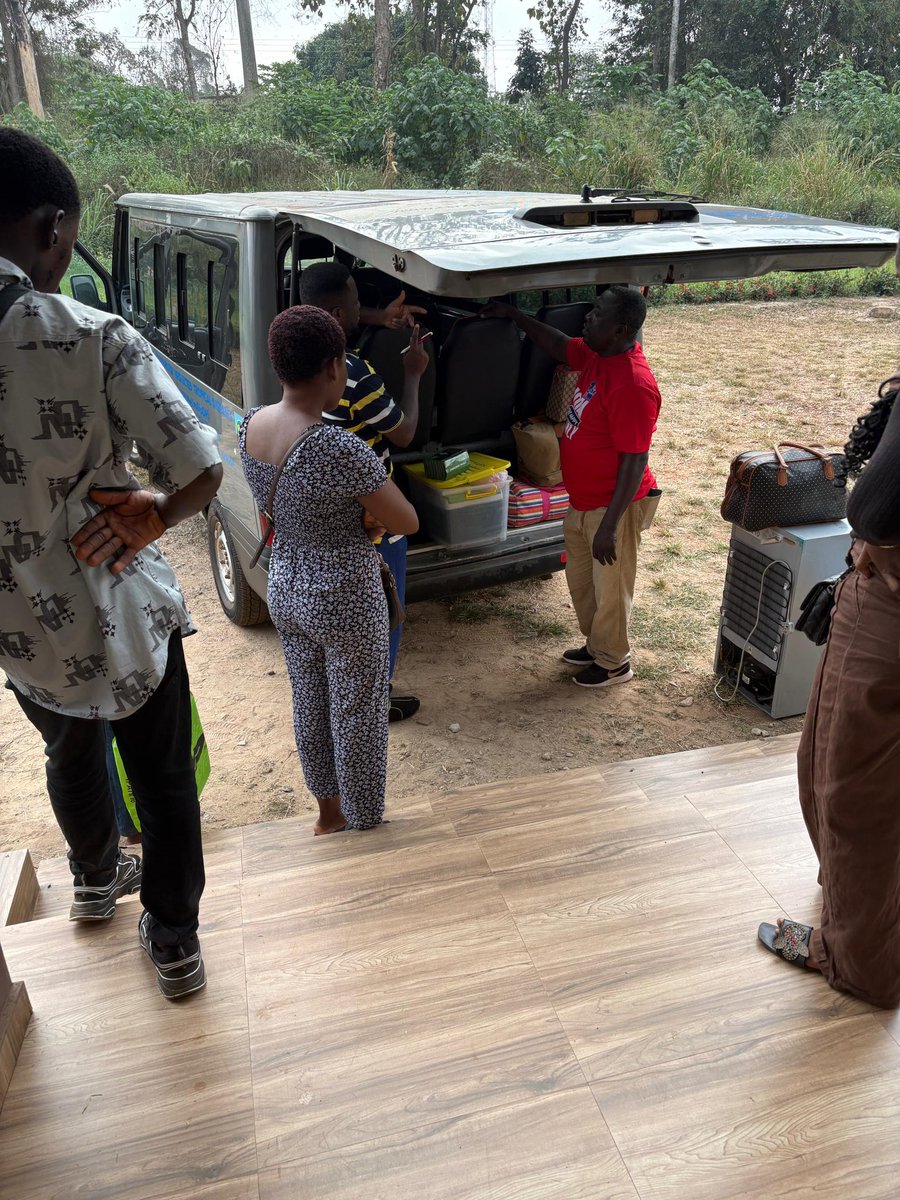
It is a new year! It's a new project!
Today we set off to the field to work in 10 hard-to-reach communities in Wenchi Municipality in the Bono Region and the Atebubu Municipality in Bono East Region of Ghana.
Preparing your abstract for #ICOPA2026?
Congress Co-Chair Momar Ndao shares practical tips, from why early submission matters to keeping your work clear and focused.
🔗 Submit yours now: https://t.co/KBbWTFdSgZ
#Parasitology#MedicalCongress@WorldFedPara
We are thrilled to share our newly published article: “Prevalence of scabies and community knowledge, attitudes, and practices on the disease in the middle belt of Ghana” has been published with @BioMedCentral. Take a read below!!!
👉👉👉https://t.co/IeafkbwoZZ
Another article on the work we @netrodis are doing on #beatNTDs has now been published with @PLOSNTDs. You can read this article via the link below.
👉👉👉https://t.co/sQRY6K5n3C
Be part of the global parasitology community at ICOPA 2026 in Montréal, Aug 16–21, 2026! 🌍
6 days of talks, research, & networking with the world’s top experts. Don’t miss it!
🔗 Learn more: https://t.co/usmeYCV91W
#ICOPA2026#Parasitology#Montreal#MedicalCongress
Apply for the ICOPA 2026 Travel Grant! ✈️
Present your work, connect globally, and join Montréal’s premier parasitology congress, Aug 16-21, 2026.
Apply now 🔗 https://t.co/50Na8UbHKR
#ICOPA2026#Parasitology#MedicalCongress
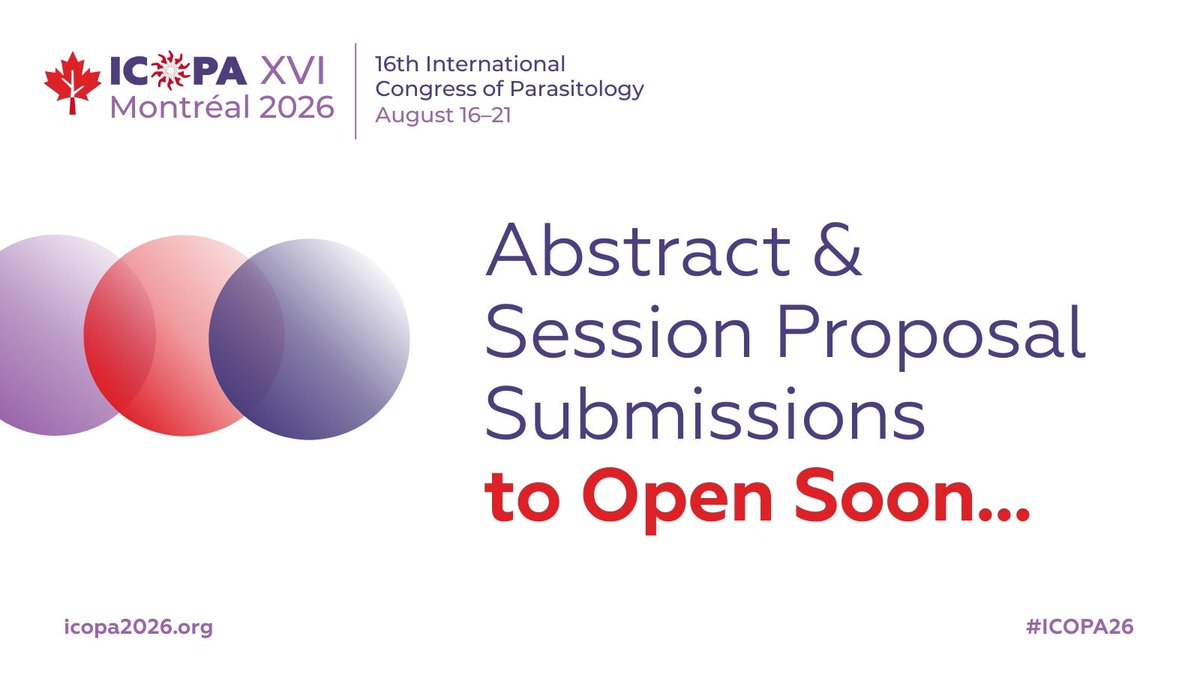
Big news is on the way for #ICOPA2026! 🌍
Abstract & Session Proposal Submissions will open soon - subscribe to our newsletter for the latest updates, insights & the official launch date.
📩 https://t.co/usmeYCV91W
#Parasitology#MedicalResearch#MedicalCongress
Kenya has eliminated human African trypanosomiasis 🇰🇪
Kenya has achieved a huge milestone as the World Health Organization (WHO) has validated it having eliminated human African trypanosomiasis, also known as sleeping sickness. Ten countries have now successfully eliminated human African trypanosomiasis as a public health problem. The other countries are Benin, Chad, Côte d’Ivoire, Equatorial Guinea, Ghana, Guinea, Rwanda, Togo, and Uganda.
This is the second Neglected Tropical Disease (NTD) Kenya has eliminated - it eliminated Guinea worm disease in 2018.
New study in Kenya shows that mass drug administration using ivermectin cuts new malaria infections by 26% among children aged 5–15, with no rise in serious side-effects.
~
A large trial at the coast of Kenya has shown that giving the antiparasitic drug IVERMECTIN to most community members once a month for three consecutive months can provide significant additional protection against malaria in children even where insecticide-treated bed-nets are already common.
The team, led by my friends @Carlos_Chaccour, @MwangangiJ3103 and @MartaFerreiraM2 (@KEMRI_Wellcome@KEMRI_Kenya) randomly assigned 84 village clusters, covering nearly 29,000 people, to receive either ivermectin or the usual deworming tablet, albendazole. They then followed these communities up for six months monitoring malaria infections and any advese evennts. They observed that children in the ivermectin clusters had 2.20 malaria episodes per child-year, compared to 2.66 episodes per child in the albendazole clusters, translating to a 26% drop in new infections. Safety was comparable between the two groups, suggesting that this low-cost, widely available medicine could become a valuable new tool alongside nets and insecticides in the fight against malaria.
Their conclusion: "Among children 5 to 15 years of age who were living in an area with high coverage and use of bed nets, ivermectin, administered once a month for 3 consecutive months, resulted in a 26% lower incidence of malaria infection than albendazole. No safety concerns were identified"
My take: Though logistically delivering such an intervention might be challenging, it offers a rare option for malaria control among school-aged kids, who are traditionally less covered by other interventions such as ITNs; in part because the sleeping patterns of the kids in this age group does not align with how bednets are traditionally used (Image by ChatGPT-o3).
~
Chaccour et al 2025: Ivermectin to Control Malaria — A Cluster-Randomized Trial: https://t.co/tVkDCOBSQ2 @defronteramedia@ifakarahealth@ISGLOBALorg
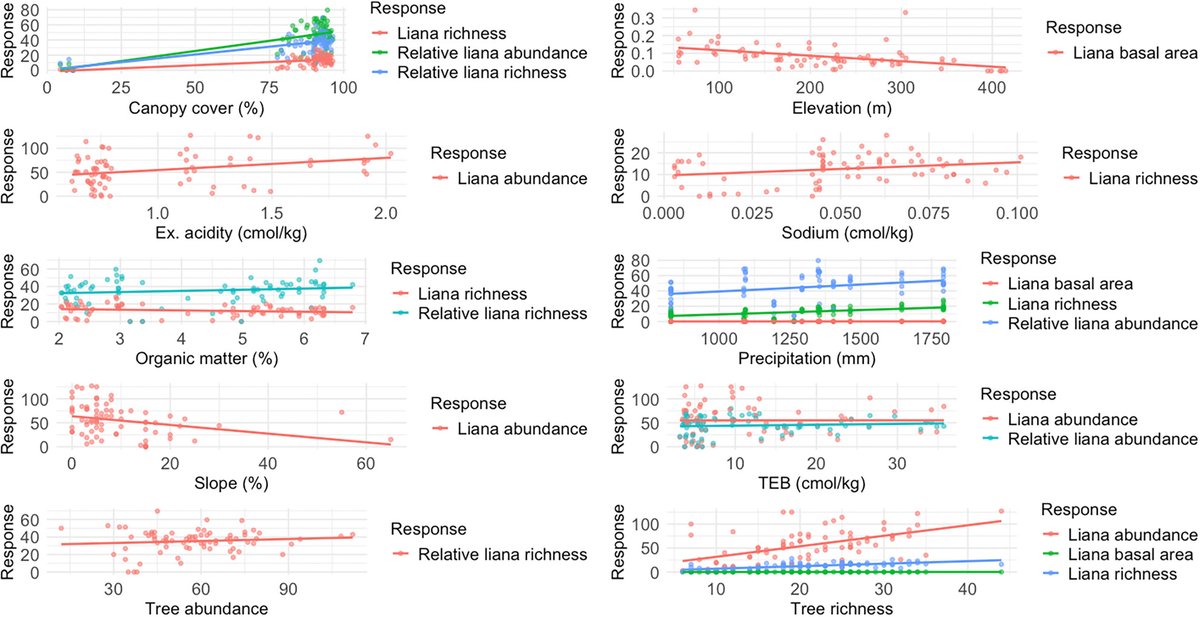
Check our new paper on liana community structure in Ghana. We investigated environmental and forest structural drivers of liana diversity, abundance and basal area: https://t.co/GfVeiC6sWI
With funding support from IFS, Sweden.
@Q_ForestLab
With Burundi recently validated by @WHO for eliminating trachoma, the number of countries that have eliminated at least one #NTD has increased from 56 to 57! 🌍🎉
Proof that progress is real — and the 2030 goal is within reach.
#BeatNTDs#UniteActEliminate
🎉 More great news from Africa!
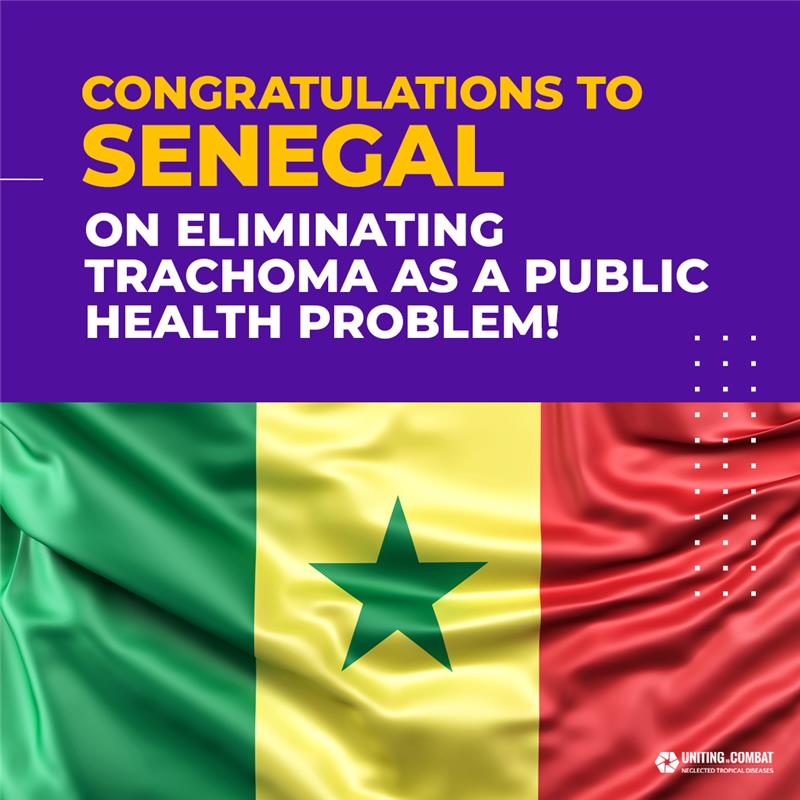
@WHO has validated that Senegal has officially eliminated trachoma as a public health problem.
This makes Senegal the 9th country in the WHO African Region to achieve this milestone.
#UniteActEliminate#BeatNTDs
Suriname reaches huge milestone in the fight against malaria 🇸🇷
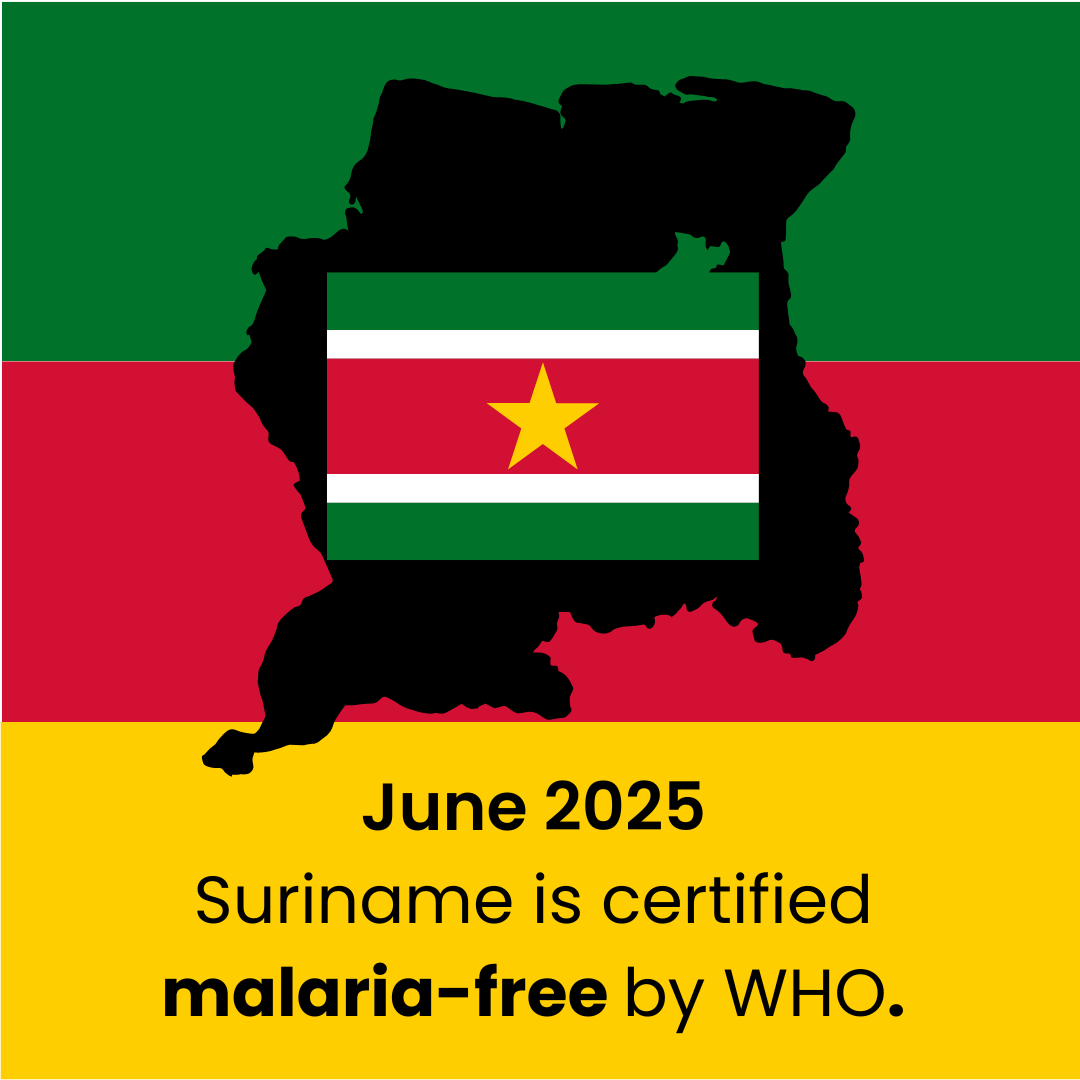
Suriname has been certified malaria-free by the World Health Organization (WHO). It is the first country in the Amazon region to eliminate malaria. This milestone is the culmination of 70 years of continuous work by the government and people of Suriname.
The WHO has now certified a total of 46 countries and 1 territory as malaria-free.
Thank you for being part of #ASMicrobe 2025—your energy & insights made it unforgettable! Save the date for ASM Microbe 2026, June 4–8 in Washington, D.C.! Session proposals open tomorrow—help shape next year’s program & advance the microbial sciences. https://t.co/I95XtqfMbZ
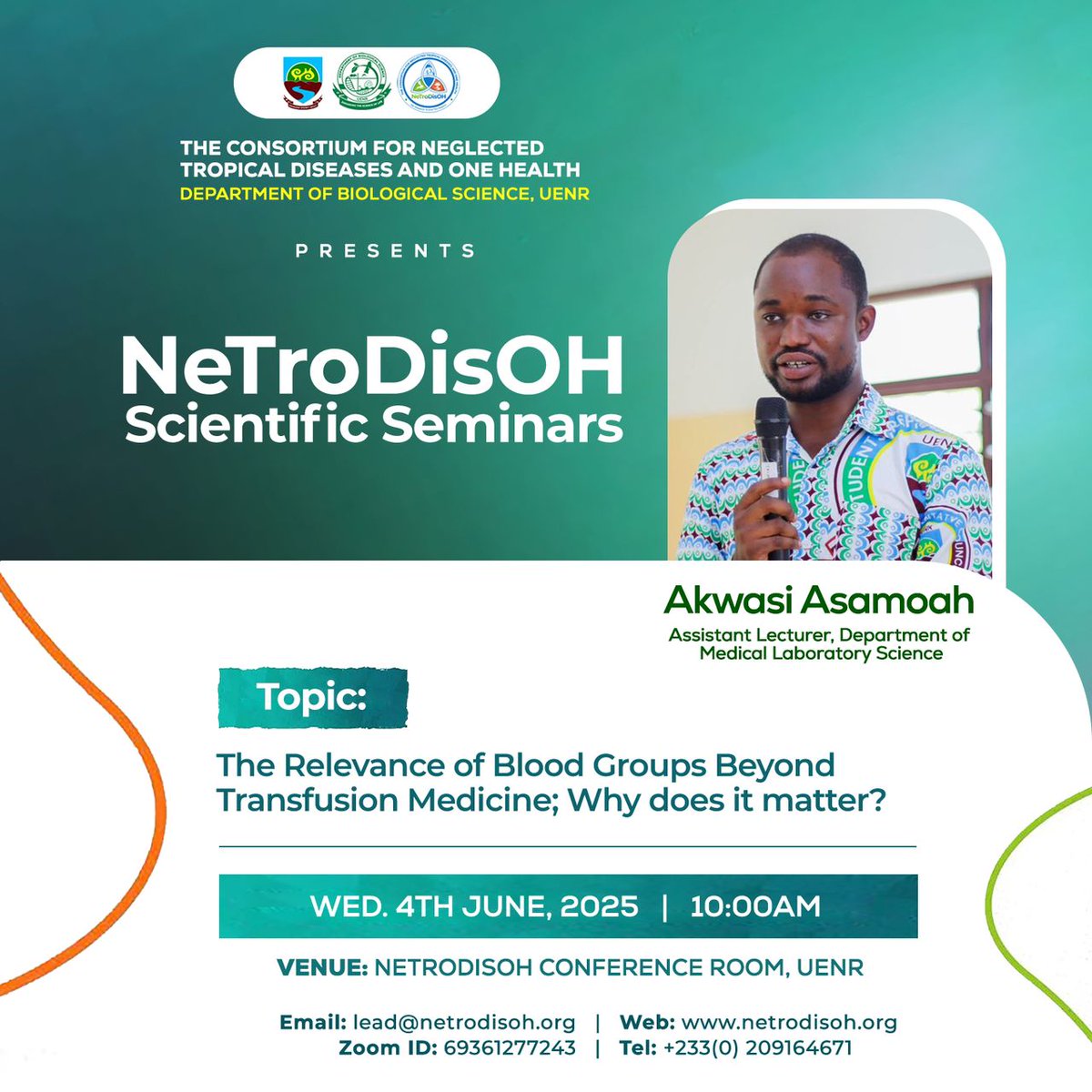
You are invited to our forthnightly seminars. Today, Mr Akwasi Asamoah, as Assistant Lecturer @uenrofficial will take us through ' the relevance of blood group beyond transfusion medicine'. The time is 10:30 GMT. Link https://t.co/eynQPDw1mF