@glupyan@AndrewLampinen The hype-counterhype incentives in the study of LLMs are making everything around them so hard to understand with a cool head. Very frustrating.
I've been having a nice time talking to @denizcemonduygu about maps and graphs of philosophical discourse, and thought I'd repost my bibliometric map of the phenomenology literature. Dots are authors, links are citations, and colors are clusters.
@Forrest_L_Davis@MH_Christiansen@CSL_Lab There's no paper yet! But yes, we found that in this particular agreement dataset the accuracy of the RLHF GPT-3 diminishes in comparison with non-RLHF models in the two phrase manipulations that humans struggle with the most.
@CSL_Lab alumn @pcontrerask talks about how feedback is crucial for getting large language models to produce more human-like language output, such as making similar agreement errors and being sensitive to subtle semantic distinctions
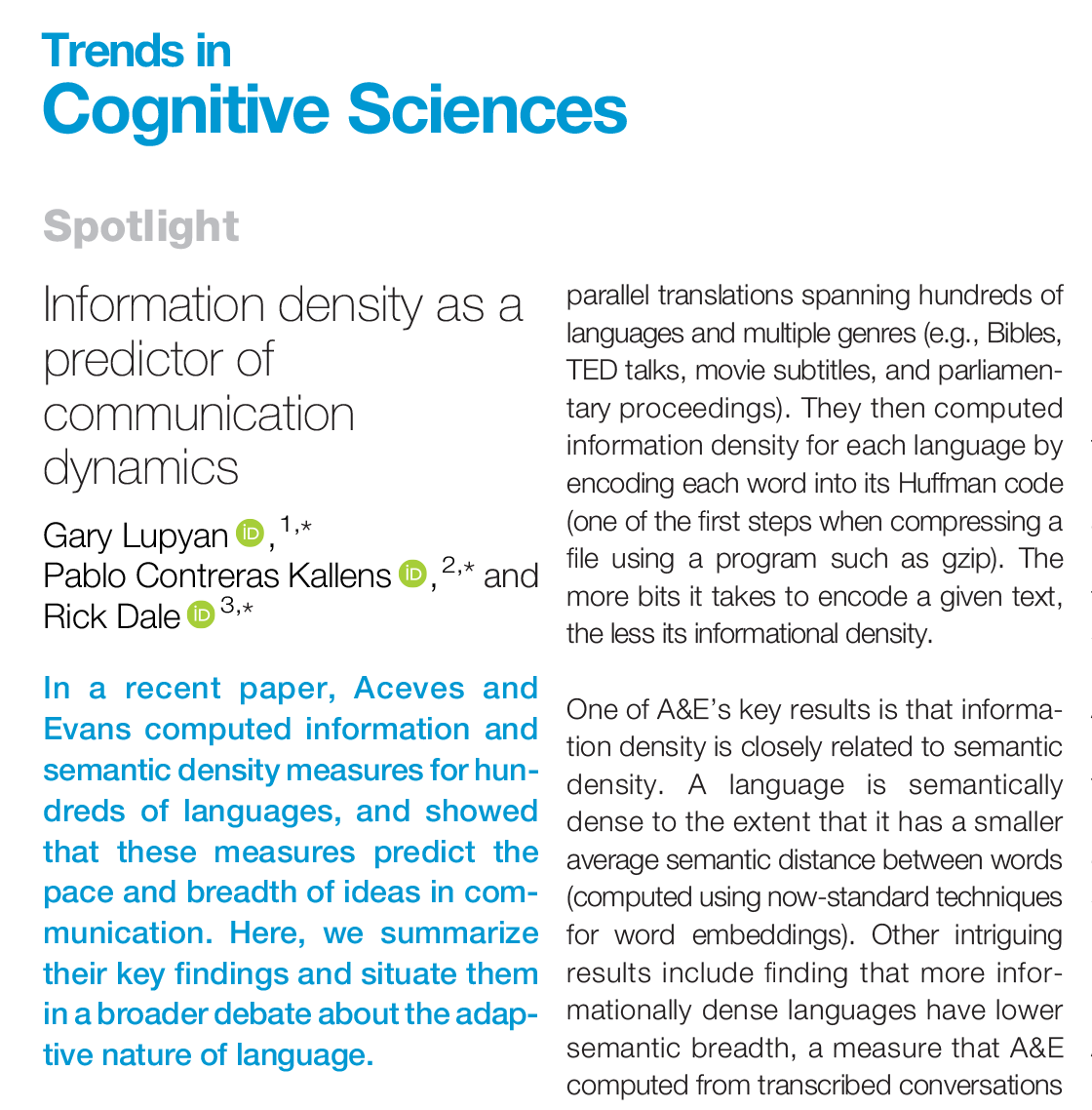
Information density as a predictor of communication dynamics
Spotlight by Gary Lupyan (@glupyan), Pablo Contreras Kallens (@pcontrerask), & Rick Dale on recent @NatureHumanBehav work by Pete Aceves (@peteaceves) & James Evans (@profjamesevans)
https://t.co/1Ol3agjOR5
How do infants learn to produce the consonant sounds of their ambient language? To find out, check out our CogSci proceedings paper “Statistical learning or phonological universals? Ambient language statistics guide consonant acquisition in four languages” A 🧵: /1
Huge congratulations 🥳to
👉Dr.👈 @pcontrerask
who just passed his PhD defense with flying colors!👏
He defended his dissertation in @CornellPsychDpt
THE COMPUTATIONAL BRIDGE:
INTERFACING THEORY AND DATA IN COGNITIVE SCIENCE
Follow @pcontrerask to see the papers
@glupyan Their response to why it's not seems fixated on only one of the interpretations of a very complex intellectual exercise, which focuses on just a portion of the assumptions. Really strange, to me.
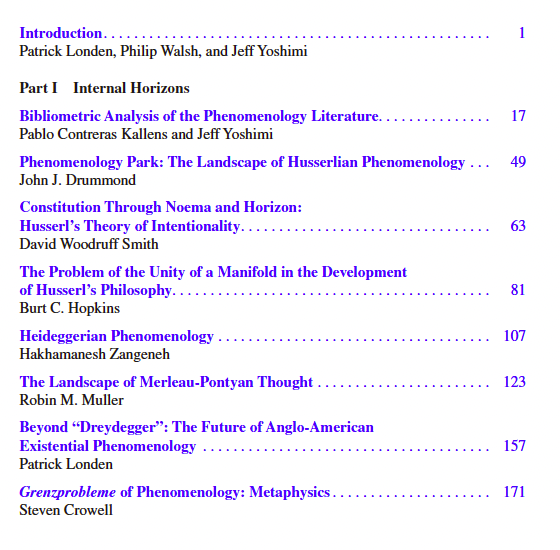
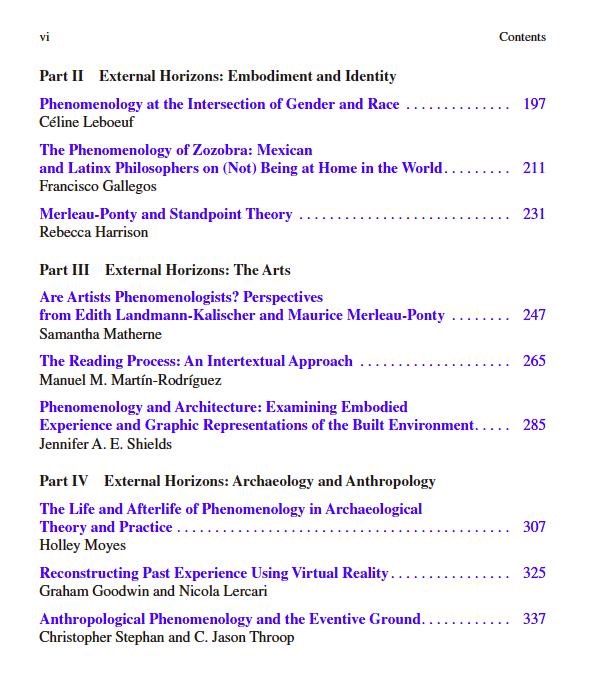
I'm delighted to announce the publication of our free, open access book, "Horizons of Phenomenology", a collection of essays on the state of the field. A brief thread about the book, and the long and ultimately victorious struggle to publish it open access. 1/
In sum, the ideas that children (a) have innate syntactic categories and (b) NEED them because they can't construct them via distributional analyses alone are NOT straw-men but real and influential proposals in the child language literature 7/n
@roger_p_levy@glupyan@weGotlieb@xsway_ I don't know if that exchange ever actually happened in published form, so it's just a hunch, and the now "weak" version can be considered now as a contender. But labeling it as a "modern" version, as if the other option was just a strawman, is a bit too revisionist for my taste.
@roger_p_levy@glupyan@weGotlieb@xsway_ I fear there's a little bit of squirming in this "weak" POS. I don't think generativists would have told you that the magic "amount" actually exists. I have trouble believing that if you asked "what if they got 2x the data? 3x? 100x? the answer would have been "yes" at any point.
I've seen lots of threads about large language models (LLMs) and their implications for language acquisition BUT not many threads by language-acquisition specialists. So here's my two cents on how LLMs undermine SOME SPECIFIC PROPOSALS for acquisition of syntactic categories 1/n
@EvelinaLeivada@glupyan@Timothy0Leary But this framing assumes a view of language that's based on the work being questioned. "Learning rules" is an explanation, not a description, of productive language use. If a model that doesn't do the former can achieve the latter, why assume that that's what people are doing?