Here's a short film I recorded with @royalsociety about extinction, the evolution of gigantism, and the application of conservation palaeobiology, featuring @NHM_London's @Tweetisaurus: https://t.co/ncVQdiyouF 🦥🐧🐍 @ES_UCL
Giants, like the 13m long snake 'titanoboa', have existed throughout history. But do they always go extinct? And can the fossil record help us preserve species today? @pdmannion and @Tweetisaurus explore gigantism and extinction:
@NHM_London@ES_UCL https://t.co/Wv4Vn3RZMj
The First Circular for our @EAVPalaeo Meeting in Krakow is out:
https://t.co/HRzEgLqF4j
You are most welcome and looking forward to meeting the Palaeo-community in Krakow this summer!
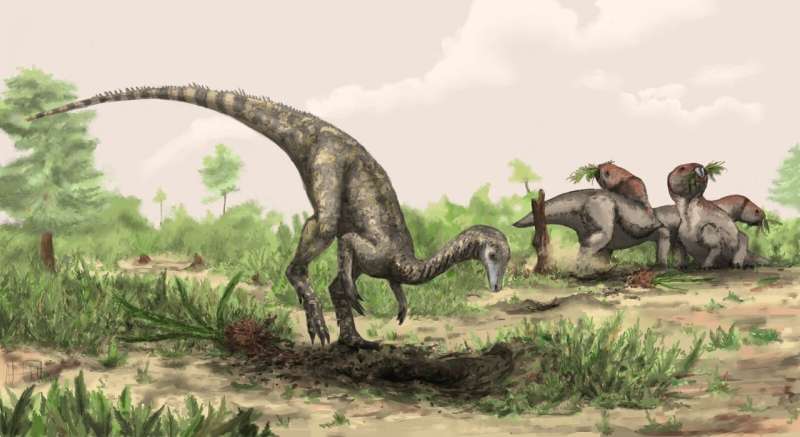
Where did dinosaurs originate? Our new paper, led by @ES_UCL PhD student Joel Heath (with @nhcooper123 & Paul Upchurch), accounts for variation in sampling within biogeographic analyses to indicate a novel a low paleolatitude origin for dinosaurs: https://t.co/c3dfOSEqU3
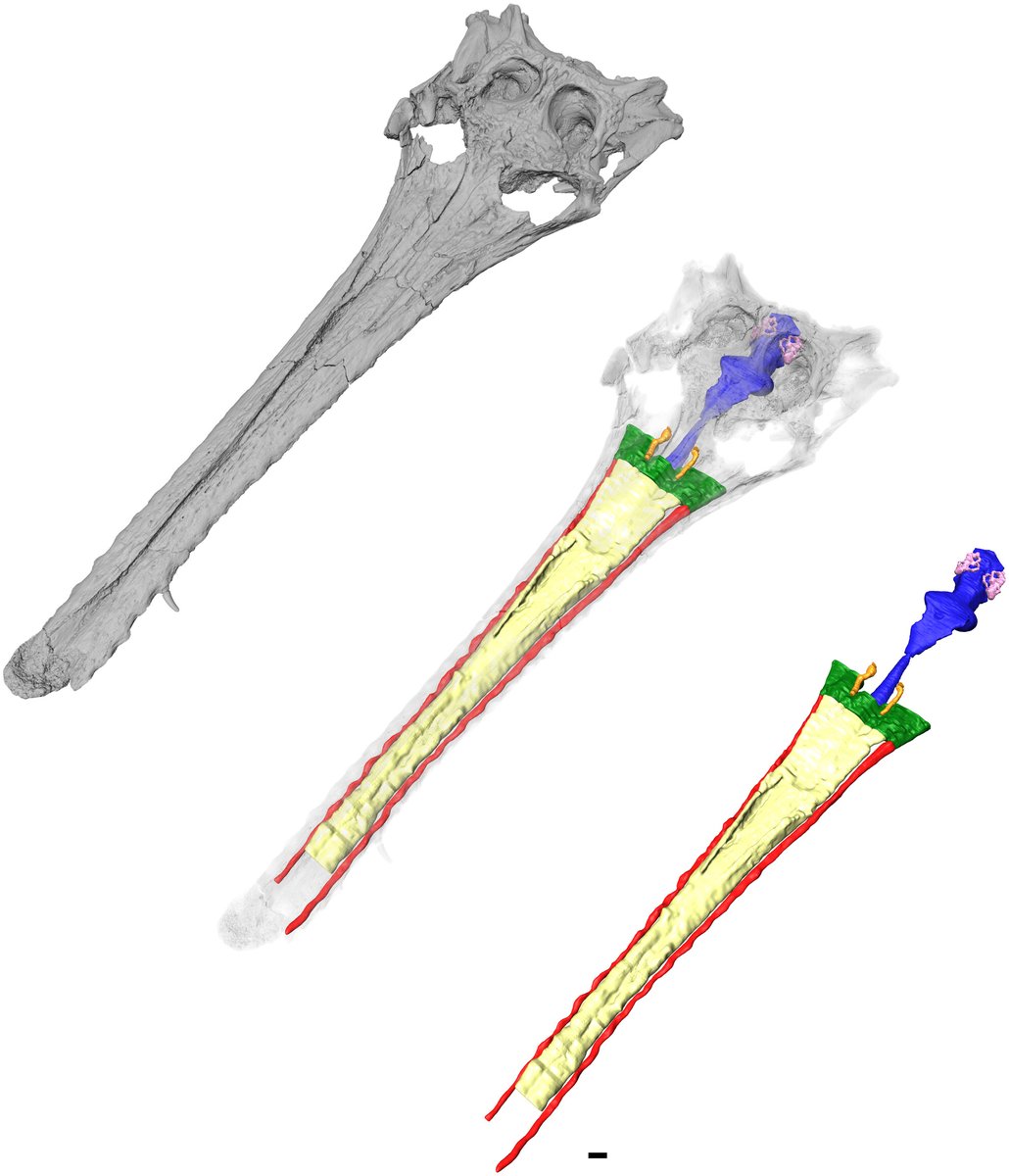
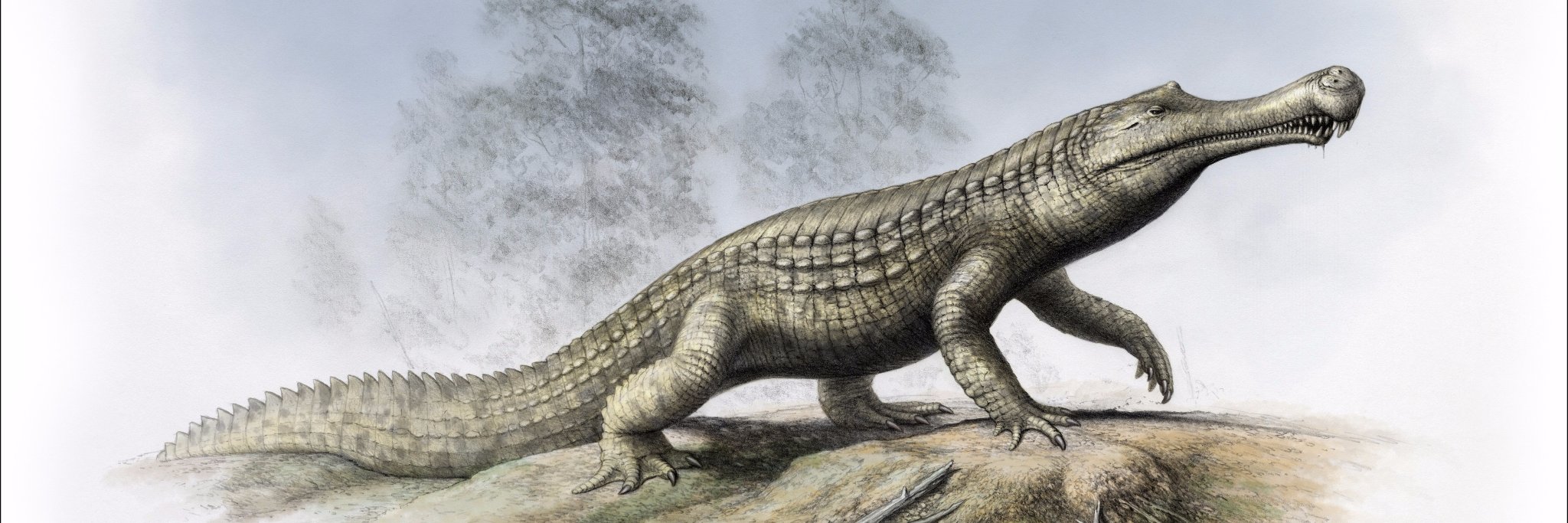
I’m happy to share that my first ever paper is out!! I was lucky enough to work with @pdmannion and @palaeoburke over two summers looking into the neuroanatomy of the gavialoid Argochampsa krebsi https://t.co/QCZ5Ad8D9a
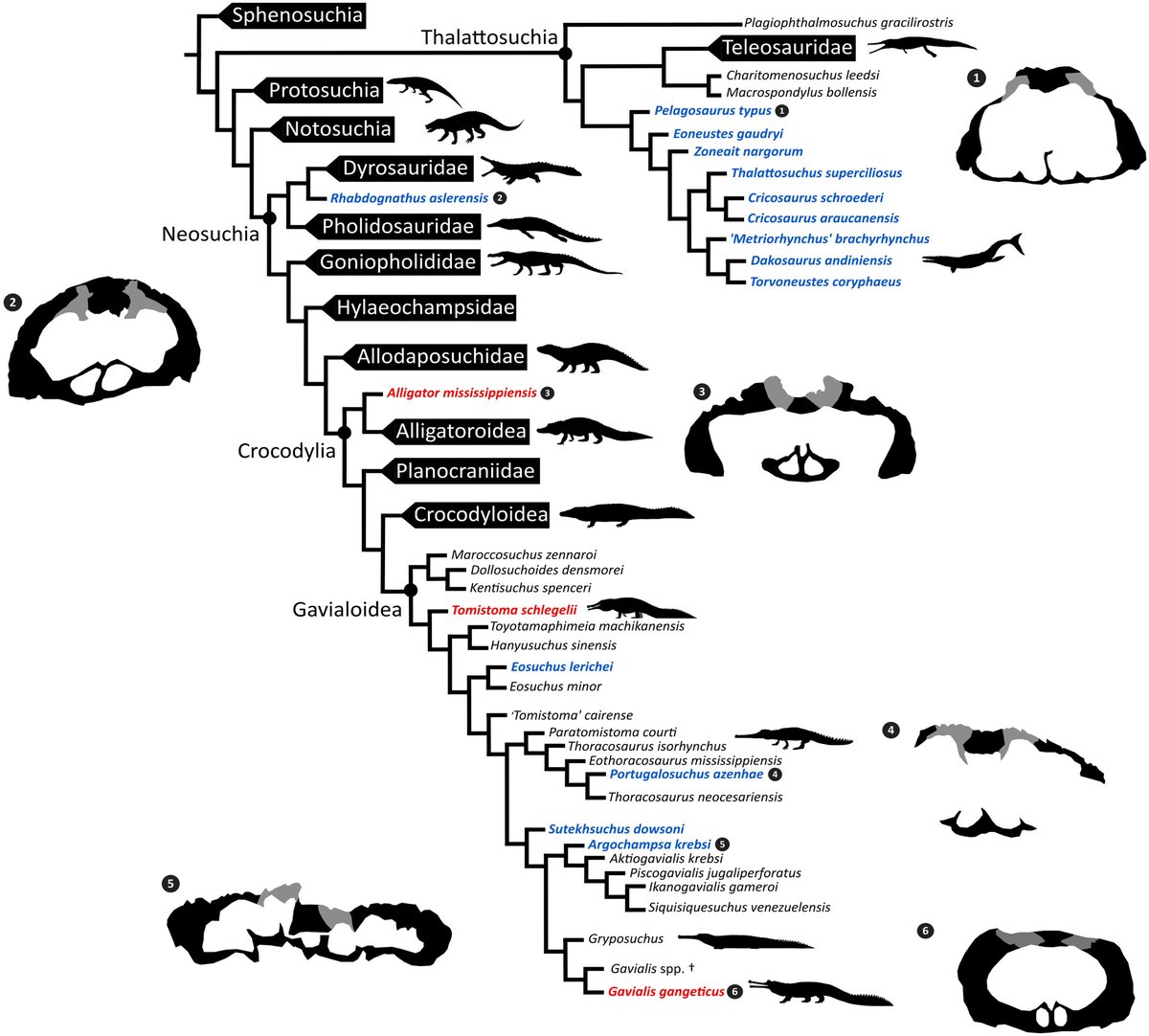
New year, new paper! Led by @palaeocarly and with @pdmannion we present the neuroanatomy of the gavialoid Argochampsa krebsi, and the potential evidence of saltwater tolerance in this species https://t.co/cnSL4LOS8s
New paper led by former @ucl undergraduate @palaeocarly (now @GeosciencesEd) + @ES_UCL PhD student @palaeoburke on the internal cranial anatomy of the Paleogene crocodylian Argochampsa, with an evaluation of salinity tolerance in extinct crocodyliforms https://t.co/FsdqxLus4s
Interested in conservation, corals, & predictive modelling? 🪸
PhD project supervised by myself (@ES_UCL) & @nsantodomingo (@NHM_London) on the tropicalisation of marine communities across time & space available @NERC_TREES_DLA
🗓️ Apply by 20th Jan 2025
https://t.co/Pcnku4E0n6
✨✨ Interested in learning more about TREES DLA and the application process? ✨✨
Come along on the 20th Dec (11:00am GMT) to our webinar for potential applicants! 📝
For more details and registration see here: https://t.co/JEXKxI9tSo
https://t.co/hydHgMWNxF
Conservation Palaeobiology PhD project @ZSLScience and @ES_UCL supervised by Clare Duncan, Sam Turvey and I on recent extinctions on islands as part of the @NERC_TREES_DLA. Application deadline = 20th Jan 2025: https://t.co/a3W1xNk6tP
Can we really determine temporal and spatial patterns in Mesozoic dinosaur diversity and diversification? New paper @RSocPublishing discussing what patterns we can and can’t (currently) recognise given spatiotemporal sampling heterogeneity: https://t.co/oSRxSzCOAd
PhD project @ES_UCL supervised by me on the evolution and biogeography of alligatoroid crocodylians, utilising CT scan data to evaluate internal cranial anatomy, as part of the @NERC_TREES_DLA. Application deadline = 20th Jan 2025: https://t.co/gajOumlJDS
PhD project @LivUni on the evolution of body size, shape and locomotor ecology in tetrapods, with a supervisory team led by Karl Bates, alongside @nhcooper123, @peterfalkingham, @MaherAlice & myself, including working with @NML_Muse: https://t.co/r5CfgUvBMV
🚨PhD Opportunity: Come to Edinburgh and study ichthyosaurs with us @GeosciencesEd!
Study Scottish fossils from Skye! New ones & historic specimens!
Project led by Stig Walsh, co-supervised by @davfof @tanytrachelos Erin Maxwell & me.
Details👇
TREES (@NERC_TREES_DLA) – a major new initiative for PhD studentships in environmental science led by three @UCL departments (@ES_UCL, @UCLgeography & GEE @uclbiosciences) and involving ten universities and research institutes...
https://t.co/B64Sqa0gRR
🌱 Announcing TREES! 🌍 The NERC-funded Doctoral Landscape Award led by UCL & partners will train future environmental scientists through interdisciplinary research and a commitment to EDI & sustainability.
🔗 Learn more: https://t.co/hydHgMWfI7
Tired of flattened early bird fossils?
Today is your lucky day.
Very happy to finally welcome 'Navaornis hestiae' to the world! It allowed us to see for the first time a (near)complete enantiornithine brain.
Today in @Nature: https://t.co/rVj52qzkNH
#spinningskull