À paraître aux @CNRSEd
« Empires. Une histoire sociale de l’environnement » sous la direction de Guillaume Blanc et Antonin Plarier :
https://t.co/6CpIvqvCSf
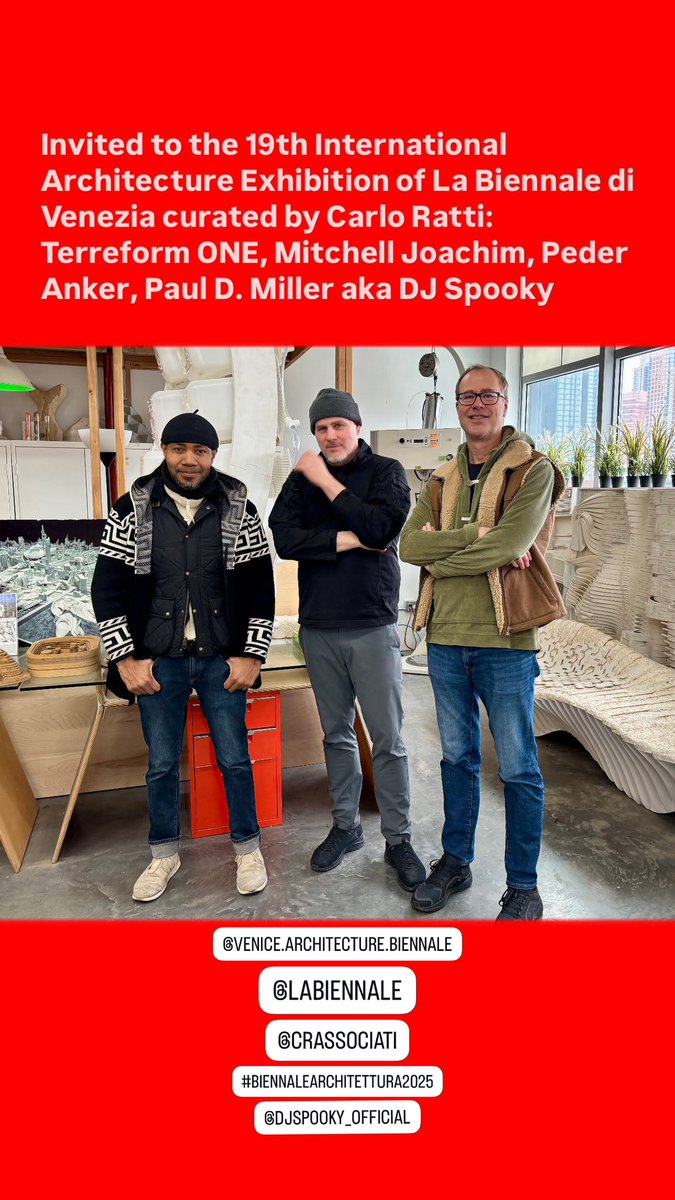
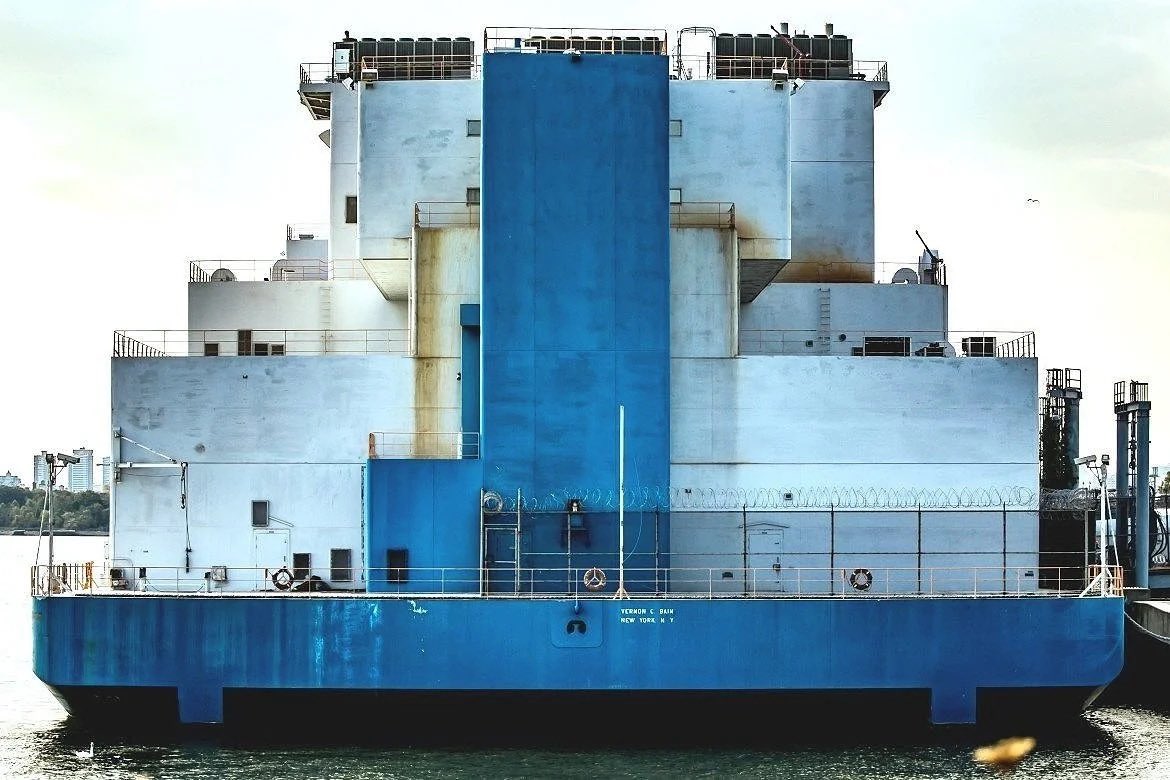
I’m part of team team, with @MitchellJoachim and @djspooky repurposing the decommissioned Vernon C. Bain Correctional Center barge. Together, we can create a thriving and vibrant new space for all to enjoy.
https://t.co/gNcNv38rBM
Many narrators continue to portray Oppenheimer as the father of the atomic bomb. But crediting him was part of a strategy to make nuclear weapons look like an unambiguous force of good—not of evil, writes @pederanker.
https://t.co/r3WQzjV9Ya
In a second essay, @pederanker argues that Oppenheimer was being used by US officials as part of a strategy to make nuclear weapons look like an unambiguous force of good—not of evil.
(2/2)
https://t.co/lKtSnRYxdj
#Oppenheimer#Groves#80thAnniversary
"The Power of the Periphery" has been shortlisted for the 2025 ACLS Open Access Book Prizes and the Arcadia Open Access Publishing
Awards in Environmental Humanities! 🌍📘
Congratulations to our author, Peder Anker🎉
Read more 🔗 https://t.co/AX3kPAw5Zc
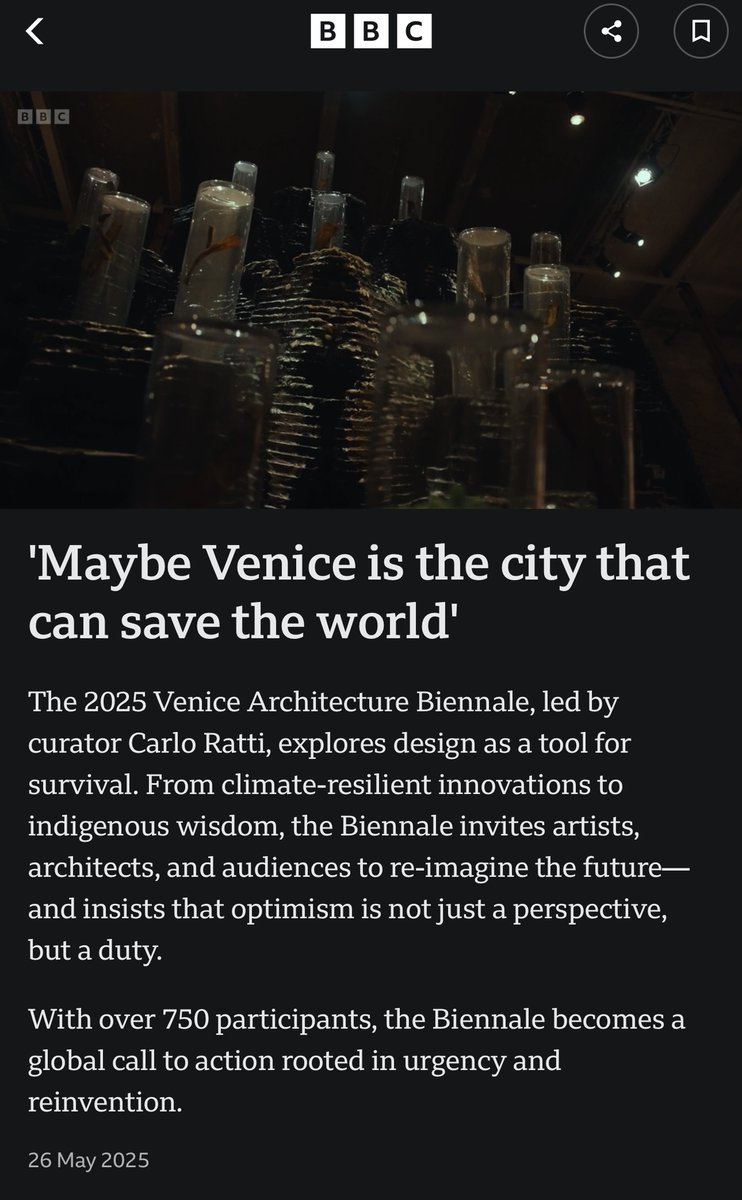
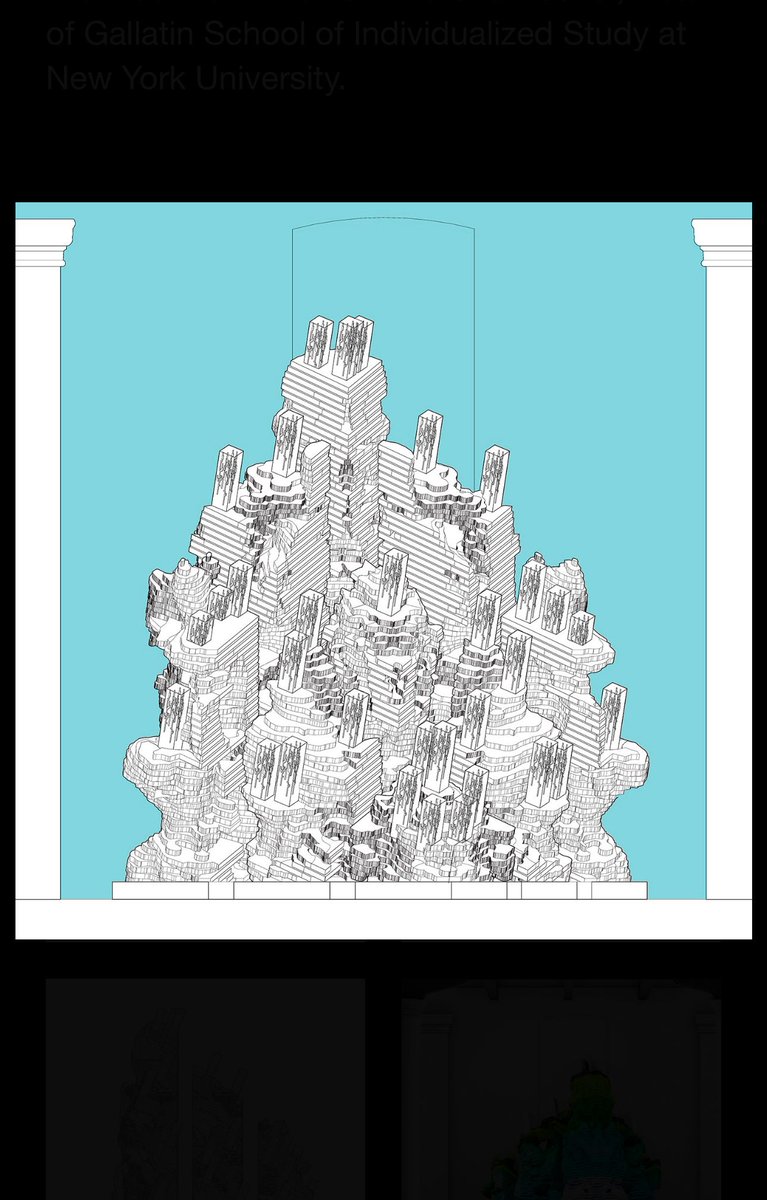
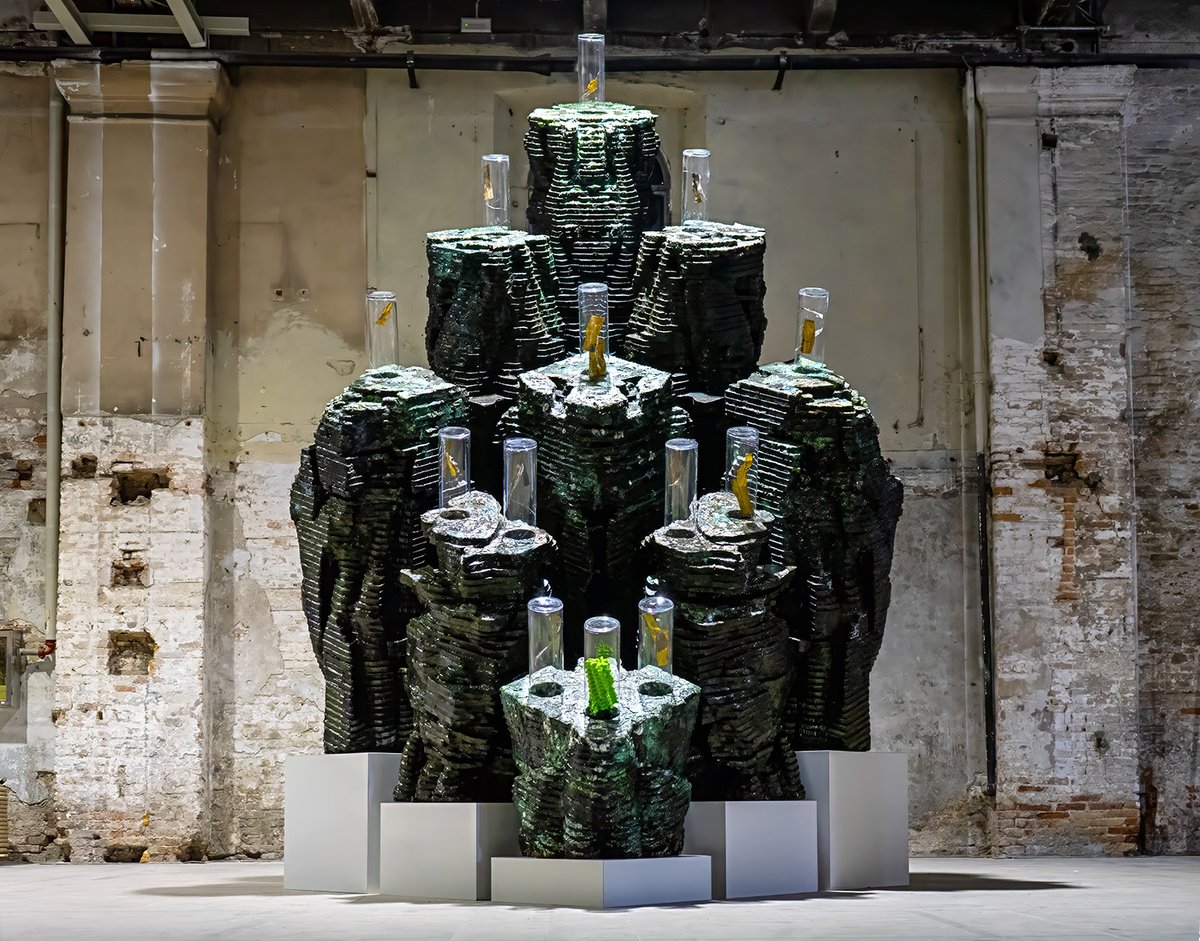
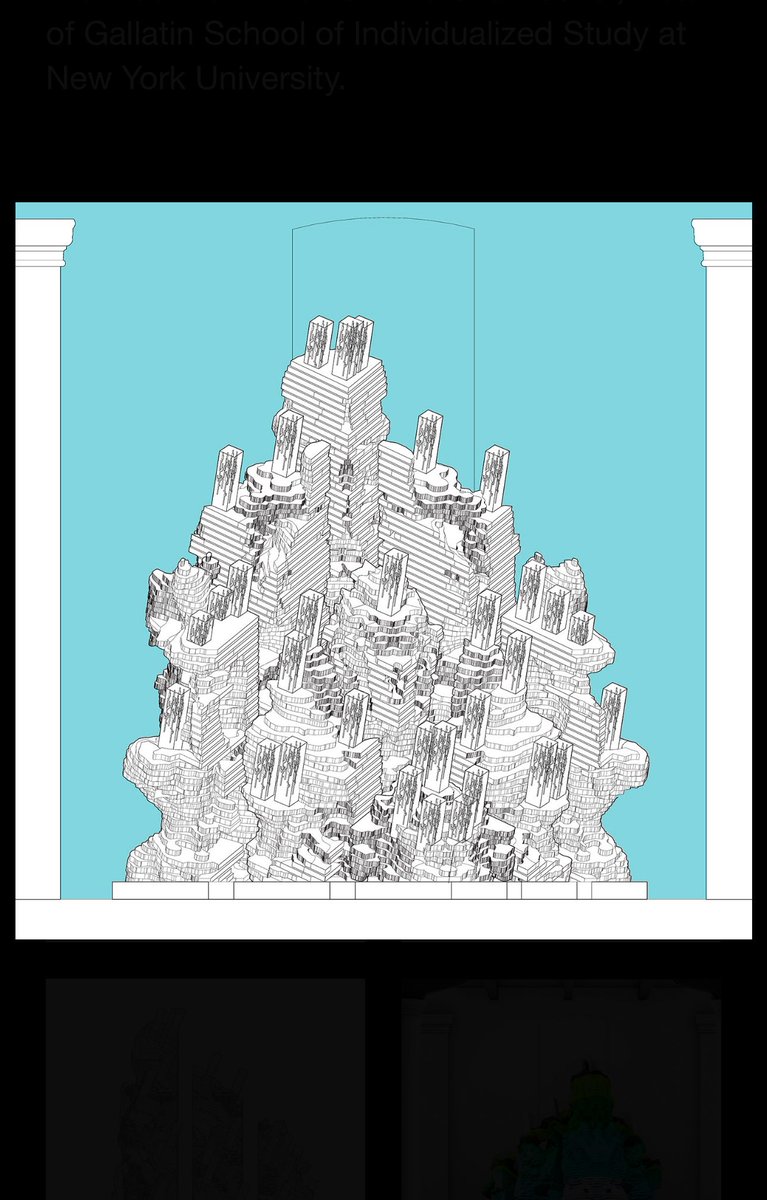
Coding Plants: An Artificial Reef and Living Kelp Archive, La Biennale di Venezia Architettura, 19th International Architecture Exhibition, Venice May 10-Nov 23. I'm there with a dream team from #NYU and Terreform One. #architecture
Can the ocean remember for us? At Venice Biennale 2024, Coding Plants by Terreform ONE stores design ideas in kelp DNA. A living reef becomes a memory archive—art, science & sea meet. #BlueHumanities in action.
https://t.co/9tGmtO43Zm
#publichumanities@pederanker@stevermentz