@FEDER_ONG@ANdHP@Murciasalud@SMCardiologia@DomingoPascualF 🫂🫁Primera reunión de pacientes con hipertensión pulmonar para dar voz y visibilidad a una enfermedad rara.
🗣️Una tarde emocionante, llena de esperanza, unión y aprendizaje compartido.
Gracias a todos los que la habéis hecho posible 💙 @franpastorperez
🩺Sergio Manzano (@SergioManzFern) interviene ahora en la sesión en directo #CardioTV ‘El reto de la continuidad asistencial en el paciente de alto riesgo cardiovascular: del cardiólogo al médico de familia’.
👉Conéctate a la última sesión #CVVT2025 en https://t.co/76sOFUNOrb
Revascularización coronaria en adultos mayores - Declaración Científica AHA 2025. 🔱🫀
🔶️Los adultos ≥75 años representan el 30-40% de las hospitalizaciones por SICA, con enfermedad coronaria más compleja y alta prevalencia de síndromes geriátricos (fragilidad, deterioro cognitivo, multimorbilidad).👴👵📈
🔶️La edad cronológica no refleja el verdadero riesgo: se recomienda integrar edad biológica, fragilidad, función, cognición y movilidad en la toma de decisiones (5 Ms: Matter most, medications, Mind, Mobility, Milticomplexity). ✍️🏻👀
🔶️IAM-CEST: angioplastía primaria por acceso radial sigue siendo primera línea incluso en pacientes muy ancianos. En fibrinolisis, >75 años deben recibir dosis reducidas.🚨♡
🔶️IAM-SEST: evidencia mixta, requiere individualizar. La estrategia invasiva reduce reinfarto y revascularización urgente, pero no siempre reduce mortalidad. 🤔🔎
🔶️Cardiopatía isquémica estable: los beneficios son principalmente sintomáticos, mejoras en calidad de vida, pero no siempre en mortalidad.👨⚕️🏁
📚🆓️⤵️
https://t.co/KkYYueFAtA
https://t.co/3H6p1yMz25
Presented at #AHA25:
In a meta-analysis of 17,801 patients with myocardial infarction and preserved LVEF (≥50%), beta-blockers did not reduce death, MI, or heart failure over a median 3.6 years of follow-up. Full results: https://t.co/1LiJFFvnm3
@AHAScience
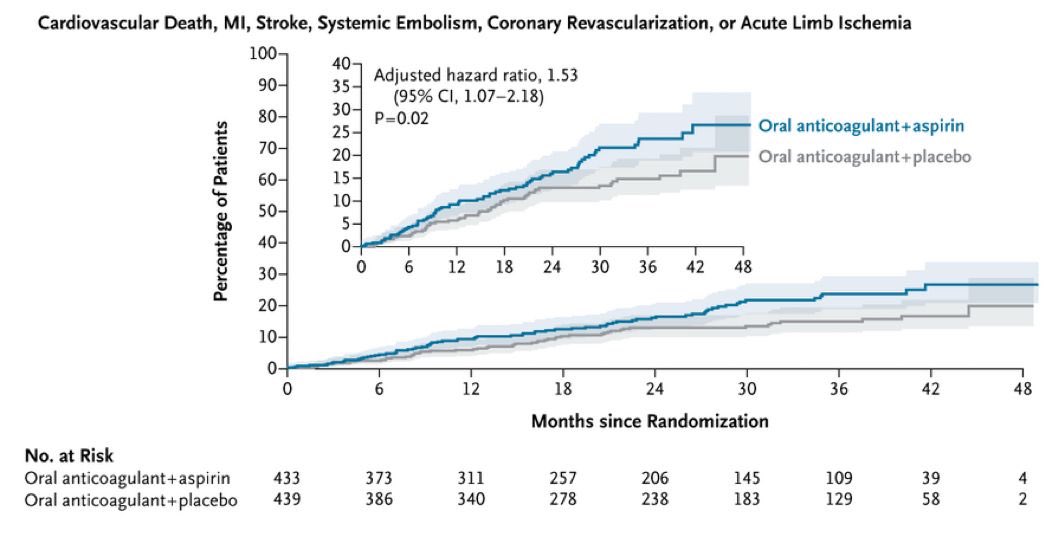
Aspirin in Patients with Chronic Coronary Syndrome Receiving Oral Anticoagulation
Among patients with chronic coronary syndrome at high atherothrombotic risk who were receiving an oral anticoagulant, the addition of aspirin led to a higher risk of cardiovascular death, myocardial infarction, stroke, systemic embolism, coronary revascularization, or acute limb ischemia than placebo, as well as higher risks of death from any cause and major bleeding
#Cardiology #MedTwitter #CardioTwitter #HeartHealth #Healthcare
@DLBHATTMD@CMichaelGibson@DrMarthaGulati@hvanspall@NEJM@AndrewJSauer@Hragy@AnastasiaSMihai
https://t.co/iaNYtGcPPD
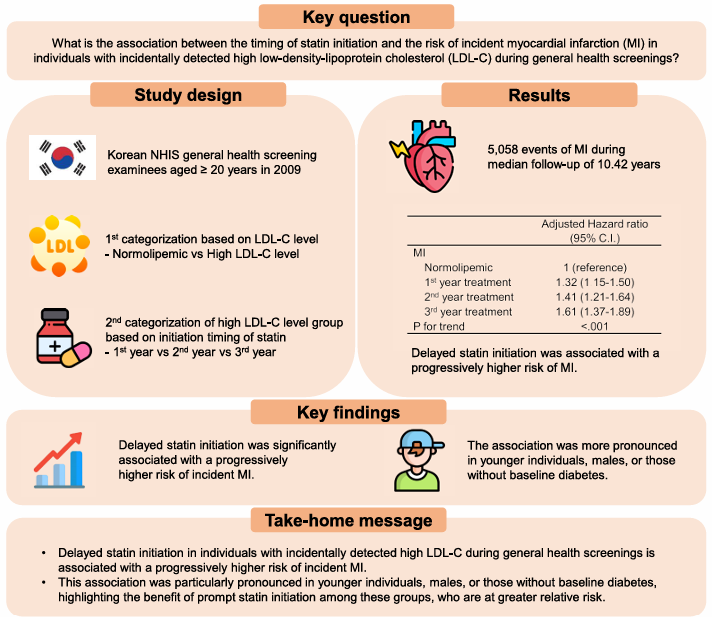
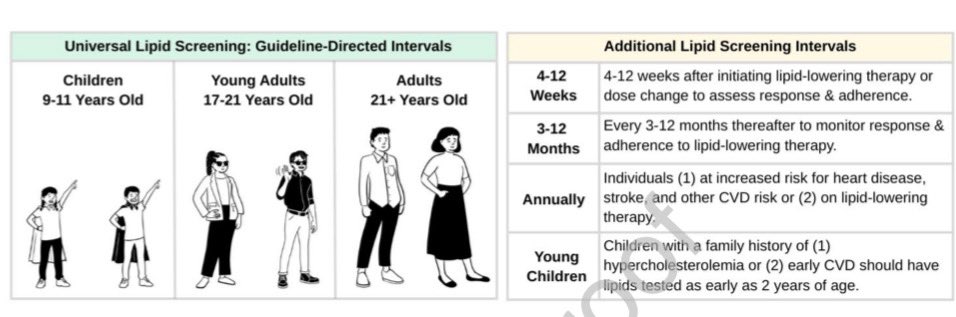
🆕 LDL elevado (≥130) en chequeo: Por qué no demorar las estatinas especialmente <40 años, varones y sin diabetes.
📕 Eur Heart J
📁 Resumen: https://t.co/g4C2LDgFRJ
🔎 LDL alto en chequeos rutinarios no es “para más adelante”.
📈 Retrasar estatinas aumenta el riesgo de infarto con un claro gradiente por cada año de demora.
👥 Impacto <40 años, varones y sin diabetes: el beneficio relativo del inicio precoz es mayor.
✅ Claves prácticas:
• Confirmar LDL ≥130 mg/dL y valorar estatinas sin demoras.
• Acompañar con hábitos cardioprotectores.
• Asegurar adherencia el primer año (seguimiento y educación).
🎯 Objetivo: reducir “tiempo en LDL alto” y eventos futuros.
El sincope es uno de los síntomas que a los clínicos nos encanta. Teniendo los conceptos bien claros se convierte en un auténtico reto, aunque hay que estar dispuesto a asumir un cierto grado de incertidumbre
👉 New Evidence: Lifetime Risk Starts Early
👆 A 22-year follow-up of young adults from the CARDIA study shows that cumulative exposure to apoB, LDL-P, and TRL-P between ages 18–40 significantly increases the risk of ASCVD events later in life.
📈 Each 1 SD increase in these atherogenic lipoproteins was associated with ~30% higher ASCVD risk after 40 years of age—even after adjusting for traditional risk factors.
🎯 Maintaining apoB <75 mg/dL in early adulthood may represent an actionable target to reduce lifelong ASCVD risk.
👆 The message is clear: “Lower is better. Start early. Stay low.”
🗞️ Read the full article: https://t.co/TXY3mZ12h4
@society_eas@escardio
Horizontal QRS Axis Predicts Response to Cardiac Resynchronization Therapy in Heart Failure Patients with Left Bundle Branch Block
https://t.co/x6Mq0jYJ6p
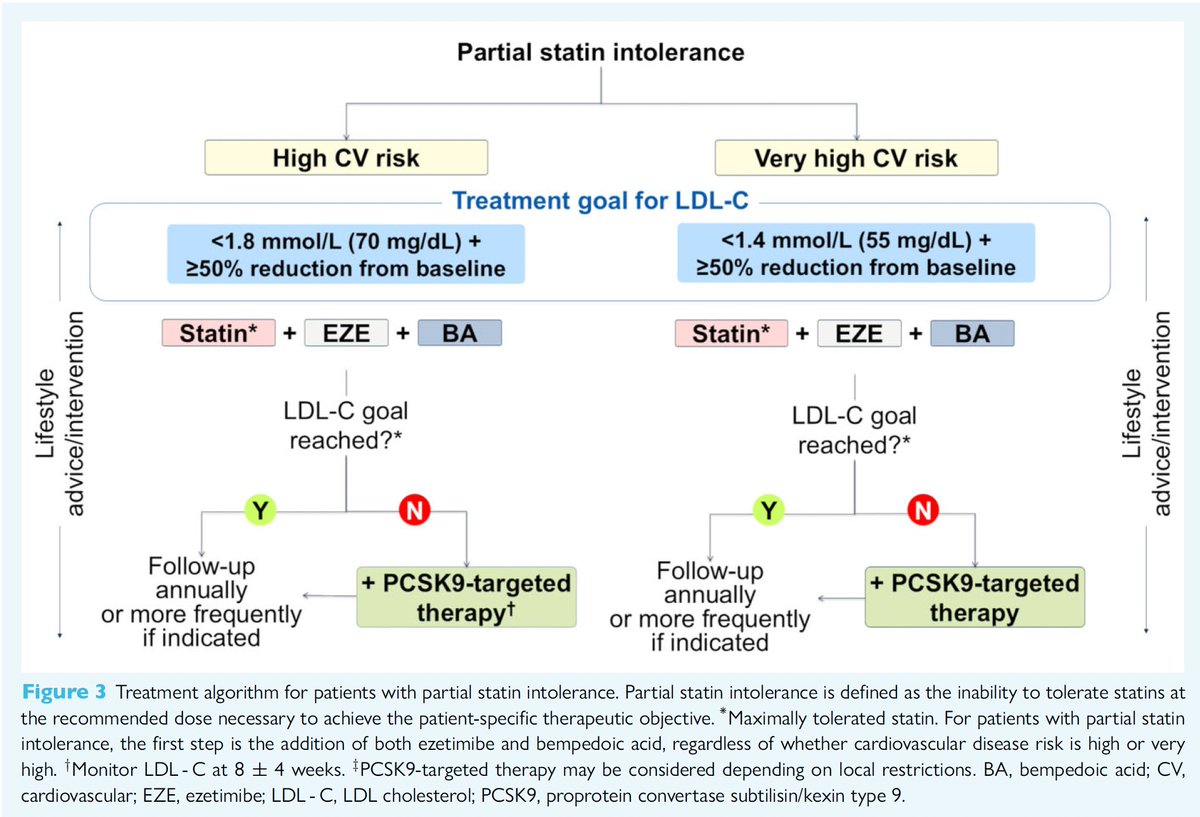
INTEGRACIÓN DE EZETIMIBE Y ACIDO BEMPEDOICO COMO TERAPIA COMBINADA EN DISLIPEMIA
Opinión de expertos
🔴Alto riesgo: Estatina+Eze ⏩ AcB
🔴Muy Alto riesgo: E+Ez o E+Ez+AcB
🔴Intolerancia a estatinas: Ez+AcB⏩ iPCSK9
Vía @ESC_Journals
https://t.co/ZOoSvXNP0c⏩
📌 Which Beta-blocker is Preferred in Each Case?
Follow this thread
(1)
Your choice depends on the patient’s condition 👇
1️⃣ 👨⚕️ HOCM (Hypertrophic Obstructive Cardiomyopathy):
🔹 Preferred type:
Non-vasodilating Beta-blocker
➡️ e.g., Metoprolol – Bisoprolol
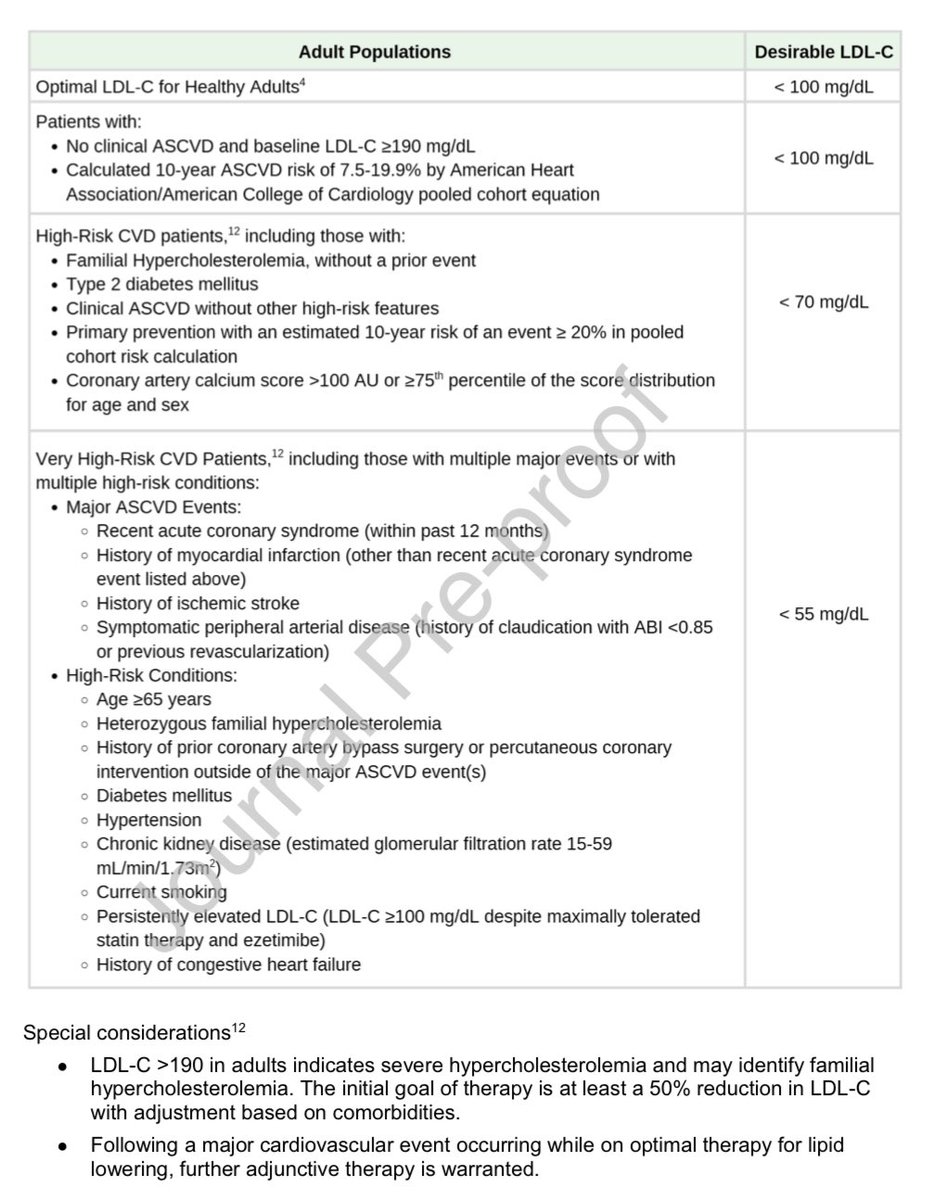
📢 Hot off the press in @LipidJournal:
LDL-C management just got clearer: “Lower for longer is better.”
This new guidance from the National Lipid Association brings no-nonsense, risk-based recommendations for real-world practice.
✅ LDL-C is causal
✅ Lowering it reduces events
✅ Targets can go <40 mg/dL safely
✅ Time matters—start early, stay low
📉 Don’t wait for plaque to build up—treat the cause, not the consequence.
👉 Read it here: https://t.co/hKP6IQvMTZ
@CBallantyneMD@nationallipid@Drlipid
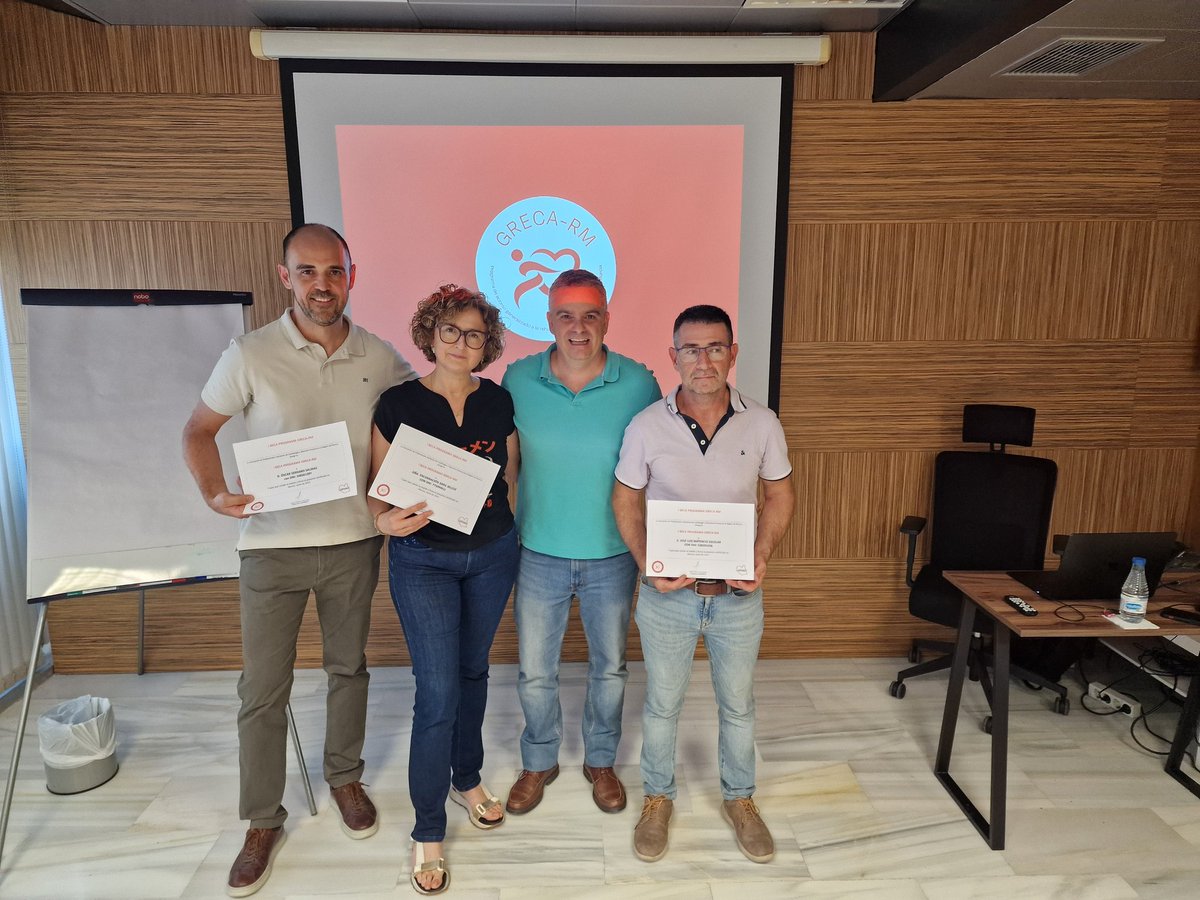
🎓💙 I Beca GRECA-RM
Reconocemos a 3 grandes profesionales por completar el Máster en Formación Permanente en Rehabilitación Cardíaca:
🏥 José Luis Matencio @Area6VegaMedia
🏥 Óscar Serrano @Area2Cartagena
🏥 Encarnación Abril HULAMM
👏 ¡Gracias por vuestro compromiso!