7 days ago, around this time, I got early access to Gemini 4 Argon. Today that access ended.
I spent the entire week testing it across long conversations, education, coding, tools, and real workflows.
Here are my takeaways.
Guys Nano banana 2.1 is out and I don't have good news
The drift benchmark pitted head to head against Flux 3
And I don't think I need to tell you who won
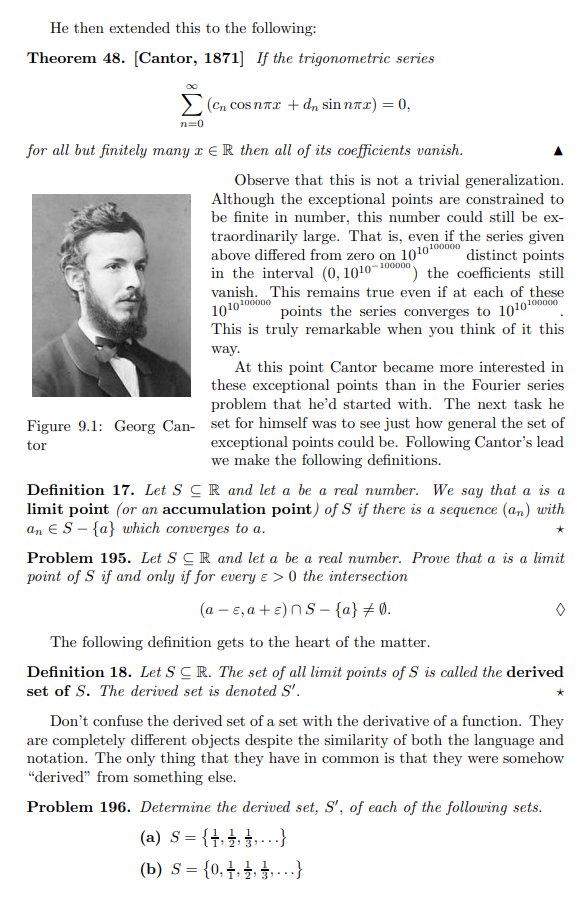
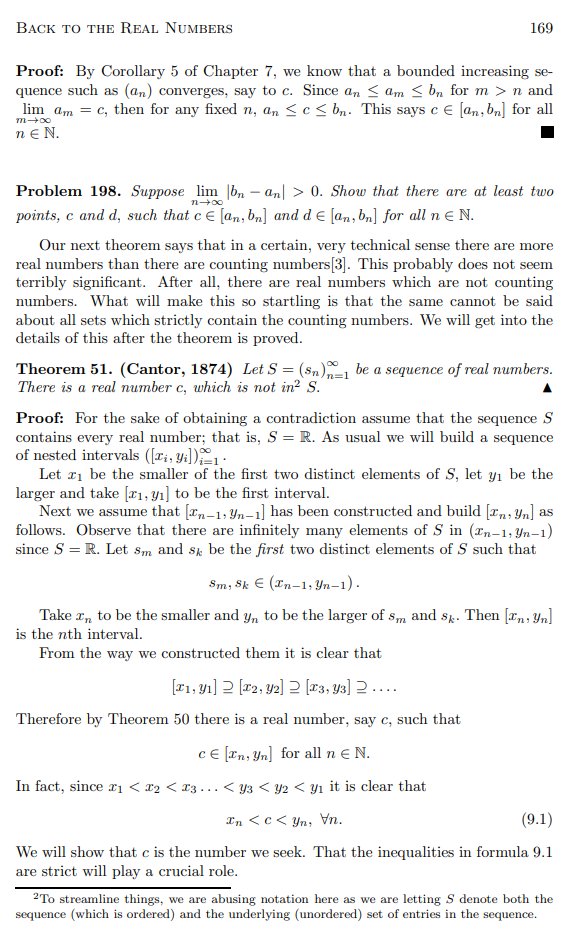
This textbook makes such interesting pedagogical choices, relative to Rudin. It basically doesn't talk about open sets, or define continuous functions in terms of them. It introduces countable and uncountable sets really late, well after continuity, Bolzano-Weierstrass, etc
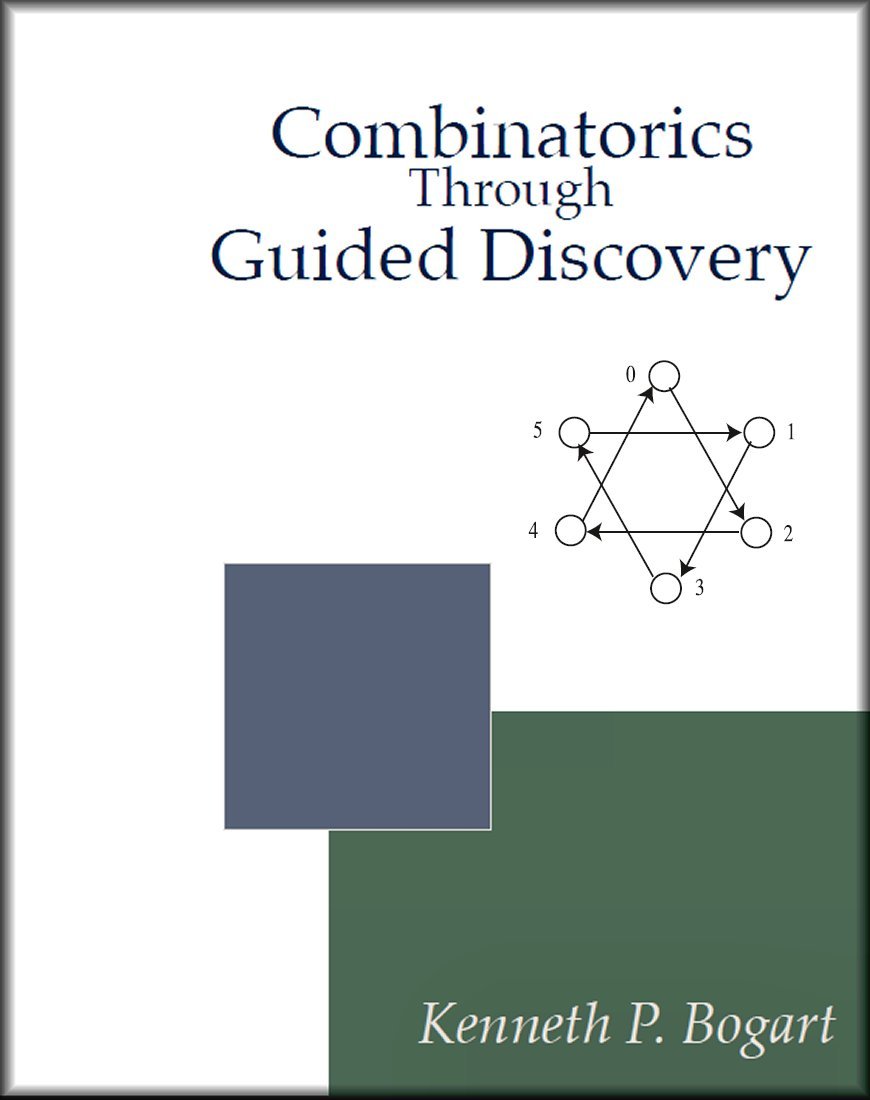
FREE math book. "Combinatorics Through Guided Discovery," by Ken Bogart.
Many of the problems are designed to build up your intuition for how combinatorial mathematics works. Above all, this book is dedicated to the principle that doing math is fun. Topics:
- What is Combinatorics?
- Applications of Induction and Recursion in Combinatorics and Graph Theory
- Distribution Problems
- Generating Functions
- The Principle of Inclusion and Exclusion
- Groups Acting on Sets
Link: https://t.co/wIJM4VZDNP
I was on the Docs team 15 years ago. The rewrite (from Writely to the new OT-based editor) had just launched. We were facing an enormous list of features we lacked that prevented enterprises (and some consumers) from using us. I think we didn't even have inherited text styles at that point. Markdown was so far down the list compared to absolute basic editor functionality. Plus there were some reasonable arguments against it, like "the 'spec' is some guy's webpage"
The thing that stopped it for the next 5 years (which was how long I was on the team) was that the Word <-> Docs conversion service was a separate team based in Sydney called Changeling. Having literally opposite work hours made it difficult to coordinate with them, plus it made it easy for the I-don't-want-Markdown-in-Google-Docs crowd to just say "obviously Markdown conversion should be handled by this other team that's really difficult to coordinate with," which was a really effective way to shut it down in favor of things that would better help them game promotion.
I don't have any insight into why they finally started prioritizing it a few years ago, but my guess is that they started losing contracts to Notion which is a lot more Markdown-native
If you want to know who survives AI, look at what happened to Hollywood in the 1970s.
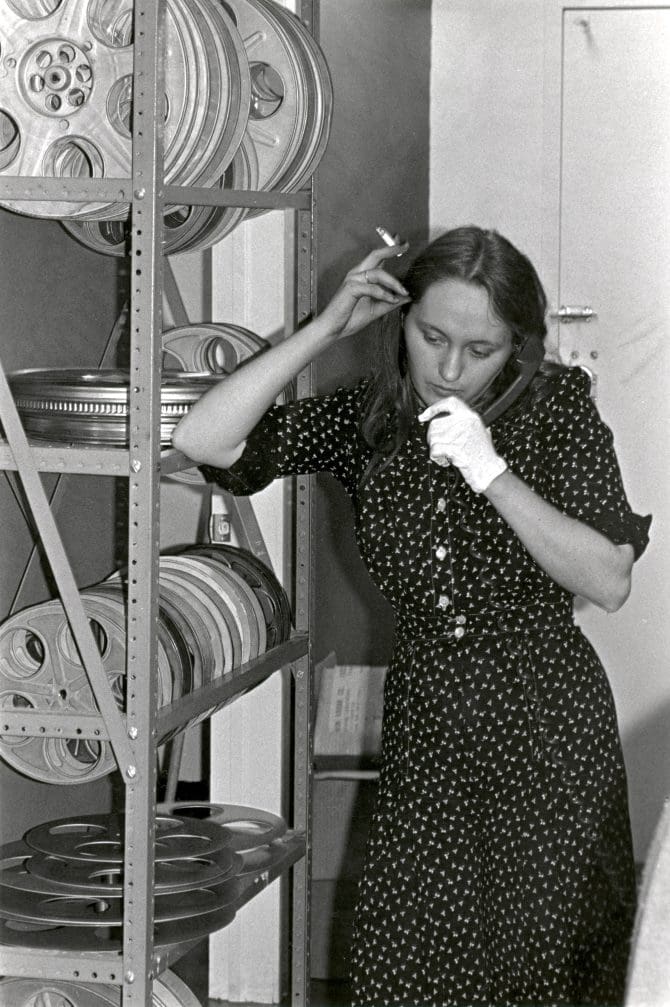
Movie Studios used to enforce tight “shooting ratios”; usually 5:1, maybe 10:1 TOPS. As in, for every 5 feet of film shot, at least 1 foot had to end up in the final cut (35mm was expensive!)
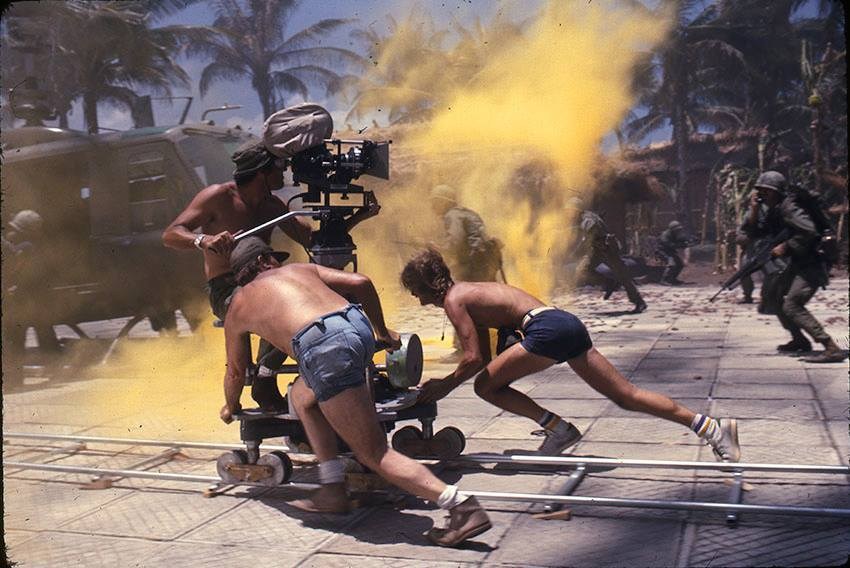
In the 70s, there was a rapid elimination of production constraints. Improvements in film cost and camera portability made the old studio rules…obsolete. Why not take multiple angles, roll simultaneously? Set could have 3, 5, even 10 cameras rolling at once. Shooting ratios *exploded*, 50:1, even 100:1 (Apocalypse Now)!
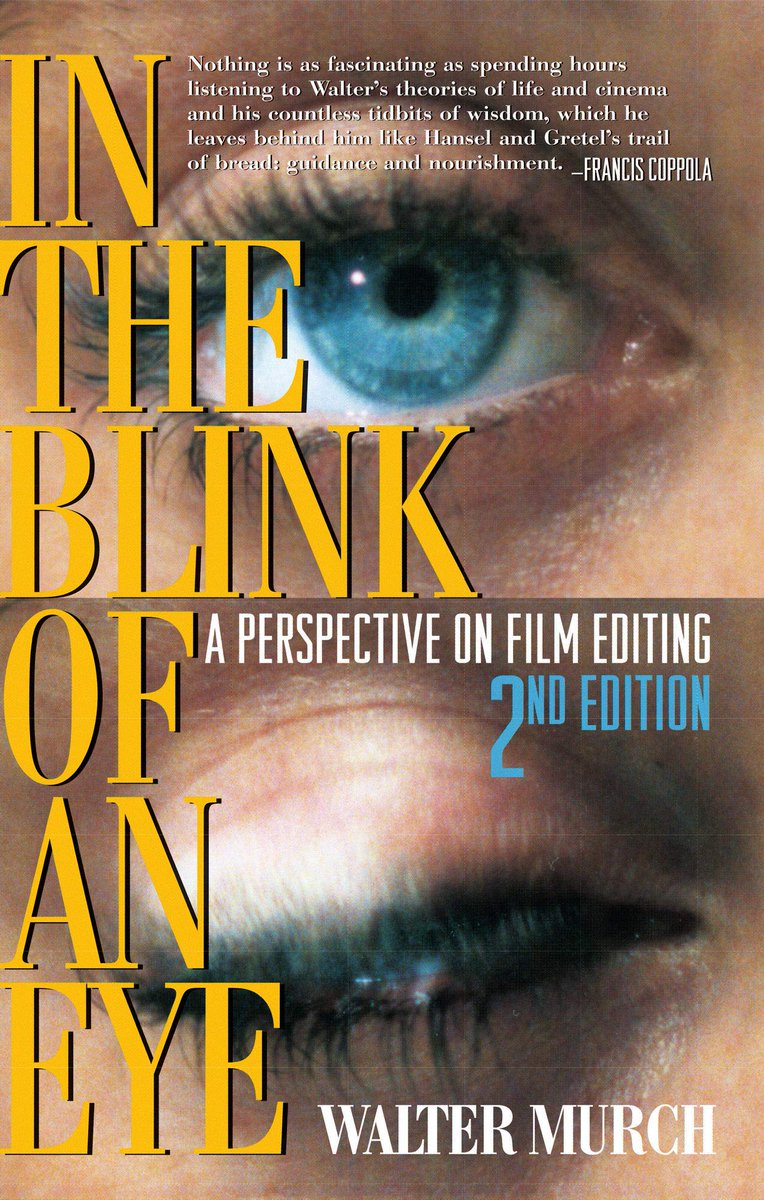
Of course, it also *radically* changed the workflow. Editing use to be the quiet, thankless job in the studio years (30s-50s). Suddenly, they became the most important people on the totem pole!
How do you find the masterpiece hiding in the (literal miles) of film? A ton of the footage was…trash, of course. But as each individual camera because *less* important, it opened up directors to take on significantly higher risks.
Now, don’t get me wrong. Insane shooting ratios were still *kinda* a niche in the 70s. More traditional directors stuck with only slightly inflated shooting ratios (15:1, 30:1 common); it was the more experimental pioneers (Coppola, Scorsese, etc) that hit the big 100:1 numbers. The huge ratios were still crazy.
Until they weren’t.
You can probably guess what happened in the early 2000s. Digital cameras reduced the cost of individual footage to a complete non-constraint. Effectively free, don’t even cut on set, just keep the camera rolling.
Suddenly…*EVERYONE* starts shooting 100:1. Entire new forms of content get created, like Reality TV, where ratios can hit 500:1! Massive shift of human labor to the editing side.
I’d say, we’re currently in the “1970s Hollywood” of AI. It can be easy (and cheap!) to produce things (code, tools, etc), but YOU have to be the ruthless editor. It’s the “miles of film” problem all over again. Hollywood solved it by throwing massively more resources on the editing side, and editing became a “constantly talking with the director about vision/direction” job, instead of a “hide in the back office and do your work” job.
It’s a hunch, but I’d bet that filmmakers closer to the experimental 1970s “ratio explosion” directors handled the later 2000s digital shift *much* better, because the underlying principles were the same. They’d certainly be ahead of the curve predicting it, and (hopefully) were less surprised when the digital ratios did hit.
I’m not saying AI is exactly the same problem. But it’s a good idea to look at parallels in history where rapid elimination of constraints changed an industry, and how that industry handled it 5, 10, even 50 years later!
When something starts to get cheap…helps to imagine what would happen when it’s free!