Previously founded @ValiMail, now Chief Product & AI Strategist @Hearst. Innovator, Founder, and Product & Engineering Leader. Husband and dad to two sons.
Very soon, the blocker to using AI to accelerate science is not going to be the ability of AI, but rather the systems of science itself, as creaky as they are.
The scientific process is already breaking under a flood of human-created knowledge. How do we incorporate AI usefully?
Amusing how 99% of people interacting with reality forget how this thing works.
It's an advanced extremization machine. It generates the next instant of time based on the Cauchy surface and the action.
Under the hood, it's a giant volume integral that has eerily good output.
Working on Torch 🔥 Unified health record + LLM in one iOS app.
Syncs records from hospitals, labs, Function, One Med, PDFs etc. Makes it simple & fast to get all your health data in one place + get LLM help making sense of it.
Reply/RT for TestFlight invite. More below ⬇️
@emollick If I can make an offbeat suggestion - Douglas Adams. His AIs have personalities that are more important than their capabilities. Think of Marvin. His vision for society and meaning is a little harder to suss out.
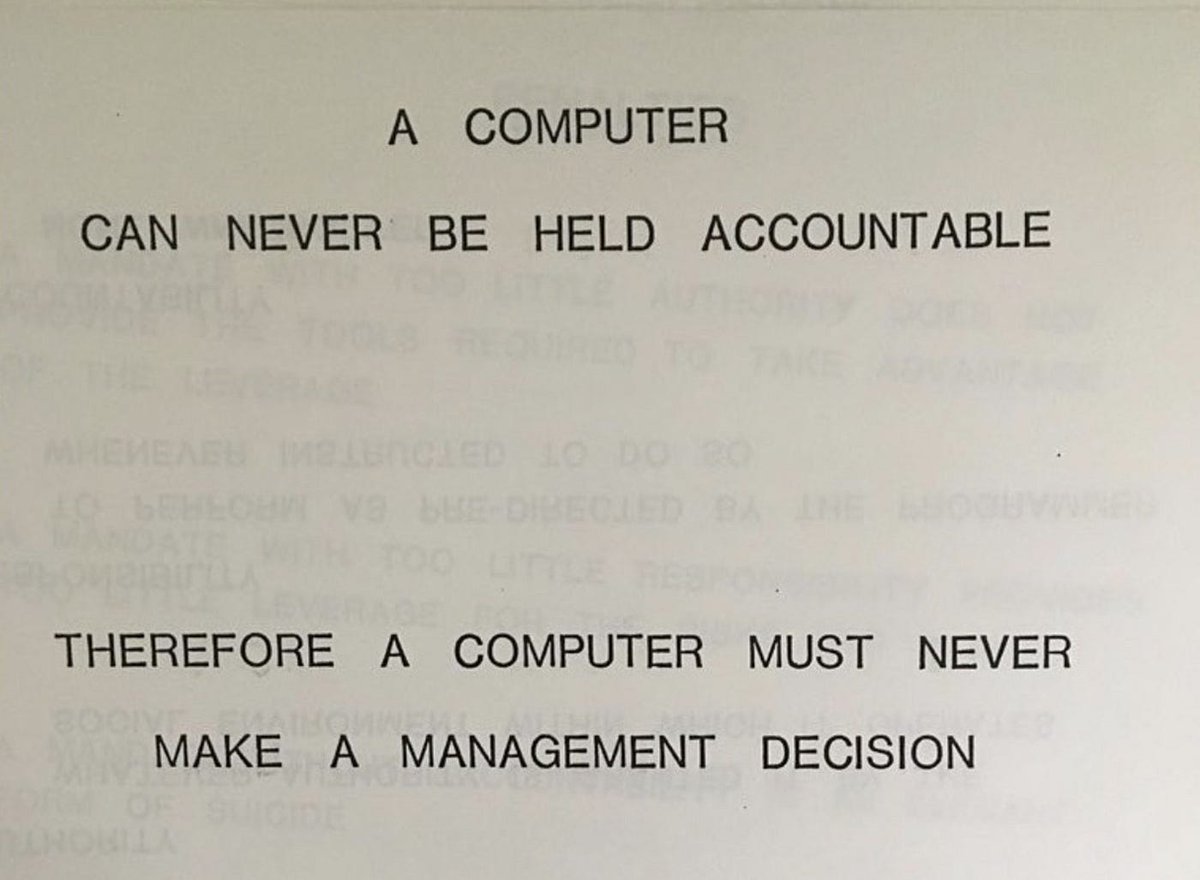
We know how to assign responsibility for automated systems, many decision-making systems are already automated in modern firms (it is why the classic IBM sign never made a lot of sense to me.) What is much harder is the wider question of who is change of organizational change.
As an aside: if tech could export one cultural quirk to the rest of the world, it should be the culture of end to end ownership and agency, ideally throughout the chain and in the avatar of the founder if we cannot manage that.
We hope MIT will follow Harvard's lead on institutional neutrality, because it's good in itself, but also because, frankly, we'd like to be out of the position of telling MIT it should be more like Harvard as soon as possible. Just not a natural state for us.
@emollick I was surprised to see this competition pop on on Kaggle today as a Featured Code Competition - https://t.co/cxQJaPAAmw . People are having a very hard time with the idea that LLM generated text is undetectable.
@jnunemaker Ruby's "convention over configuration" standard makes Copilot really, really good at Ruby. Most Ruby projects have very similar directory and code structure, so it's much easier to generate "standard" code. Both the code completion and the chat give me great answers in Ruby.
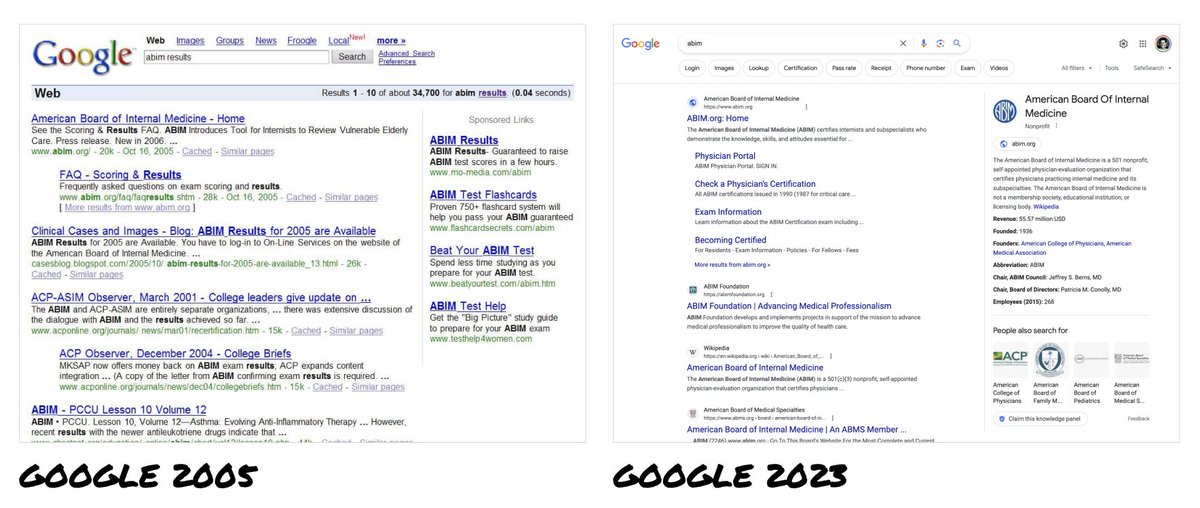
In 2006, I was 1 of 4 designers on Google Search.
For 20 years, every search engine has copied Google.
Now ChatGPT, Bard + Claude look like Google's offspring - "better” search engines.
But last week signaled we're on the brink of a design revolution.
ChatGPT unveiled incredible new features.
These could give us the opportunity to completely shift how we interface with AI.
Here's the full story:
–––
When I was a designer on Google Search, all major search engines looked the same – Google, Yahoo, MSN Bing.
Google was the market leader with a heavily optimized UI that supported billions of dollars in ad revenue.
Naturally, it became THE way to show search results.
Its success made it illogical for Google to consider big UI changes.
And any changes they did make were just mirrored by everyone else.
So 20 years later, we’ve only seen incremental changes to search engine UIs.
–––
Today, we have consumer-ready LLMs (Large Language Models) freshly in our hands.
As consumer products, these are in their infancy.
We’re very early in understanding their capabilities and defining how people interact with them.
These are uncharted waters.
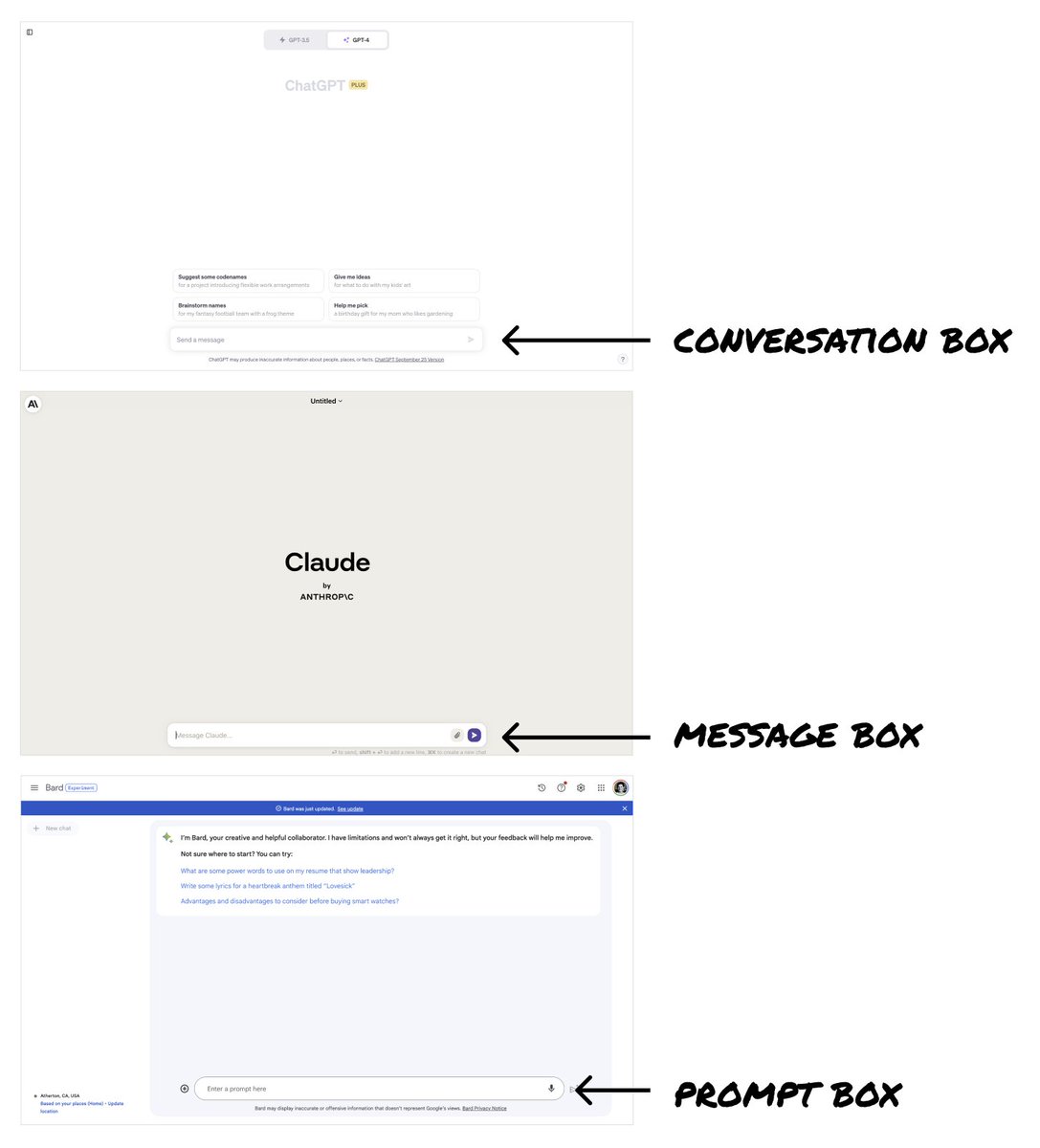
And yet ChatGPT, Bard, Claude etc. all chose a text-based input box — just like Google’s search box — as the core interface.
Why?
The input box is simple, versatile, and familiar.
- It’s simple to understand → you type your questions into the box.
- It’s versatile → the box can handle all sorts of questions/queries.
- The paradigm is super familiar → people immediately know how to use it.
Because of this, LLMs have essentially become “a better Google.”
–––
But last week’s ChatGPT announcements thrust open the doors to new possibilities.
ChatGPT is now multi-modal — it can see, hear, and speak.
These are the recent announcements from @OpenAI :
Voice: https://t.co/hAeXxBTH9l
Photos: https://t.co/X3QbLnwT1V
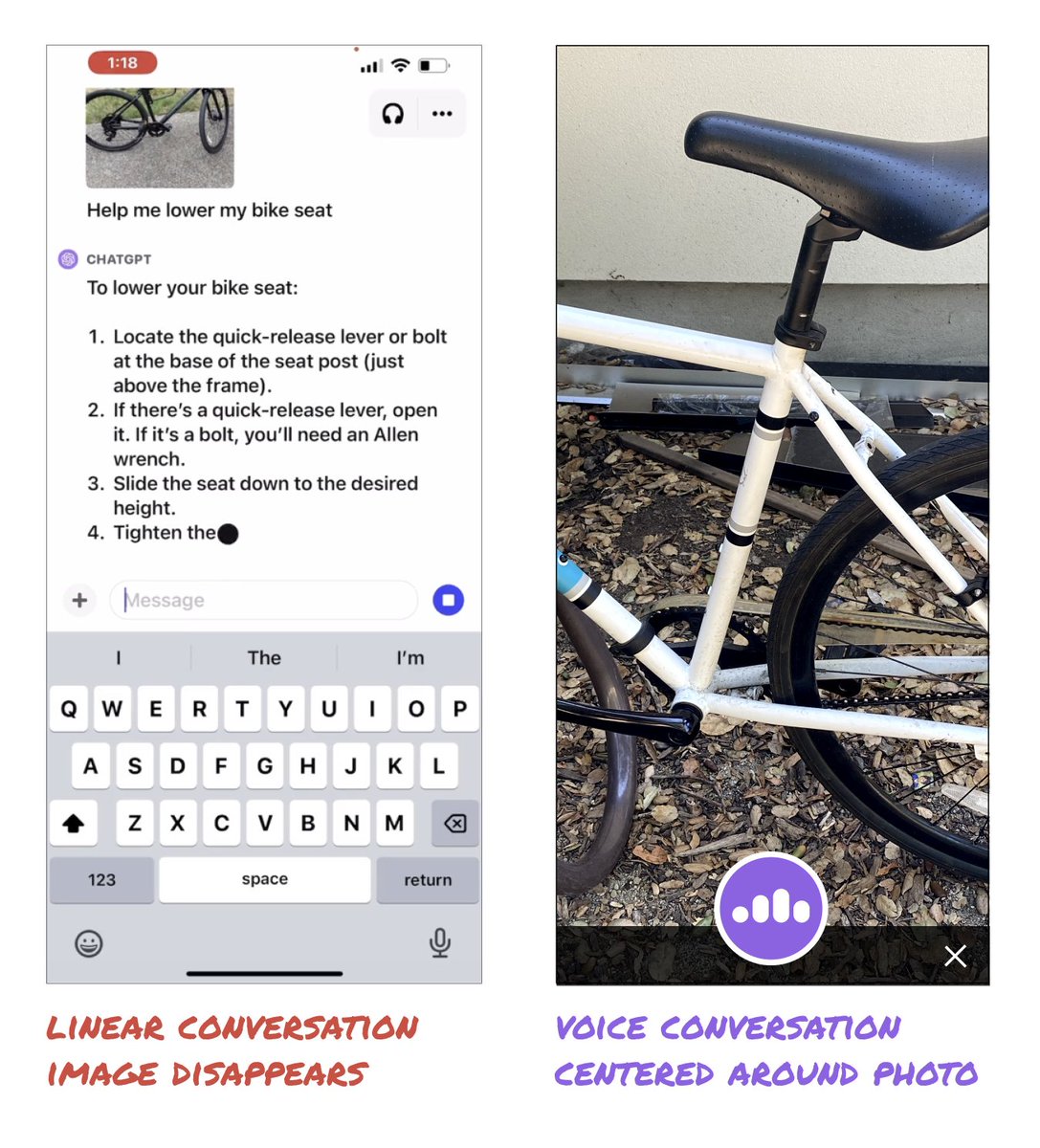
The example of ChatGPT explaining how to lower a bike seat was incredible.
But, it could be so much better!
The video showed you'll have to post multiple new photos to keep adding new information and to progress the conversation.
It was still a linear conversation centered around the text box.
But what if we rethought the interface to center around the image?
What if ChatGPT supported both images AND voice simultaneously?
Could we end up with a more immersive experience?
–––
How else could interacting with LLMs mimic IRL conversations?
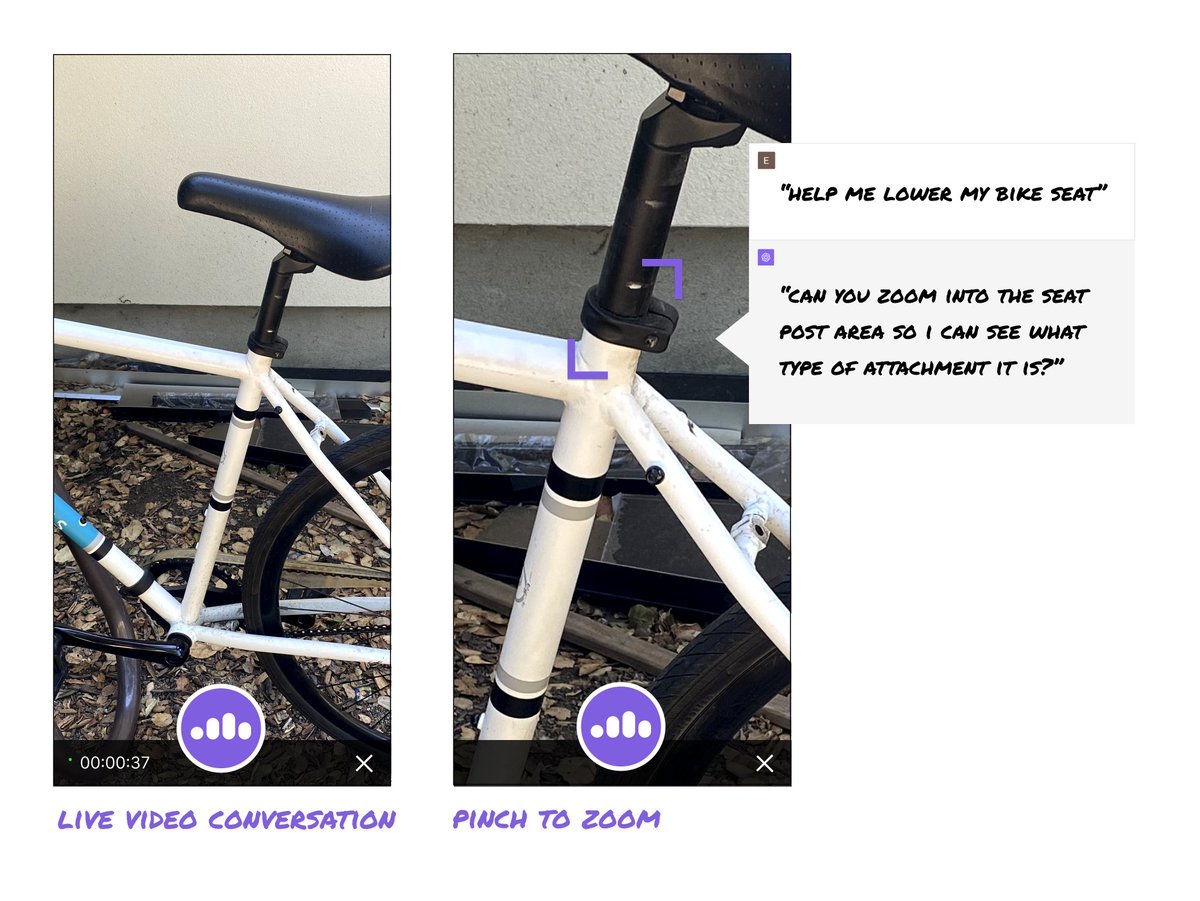
Could we (or the AI) pinch to zoom or rotate the image?
Could we interact in real time with video?
What new possibilities open up with context being preserved over time?
–––
There is so much energy and excitement around what AI can do.
But we are limiting the potential by assuming the conversation box is the best interface.
Right now, designers have the chance to create truly novel interactions and bust through the 20+ year old search UI paradigm.
The ideas above are just to illustrate some potential options.
But they are also intended to spark a flame.
Now is the opportunity to be creative and explore divergent UIs.
What are the craziest, coolest, most creative UI ideas we can unleash?
LFG 🚀
Had a number of great conversations about generative AI at yesterday's Fortune #CEOInitiative event. During one such conversation I was reminded of an old science fiction story (Melancholy Elephants by Spider Robinson) that I think has relevance for today's debates 🧵 (1/?)