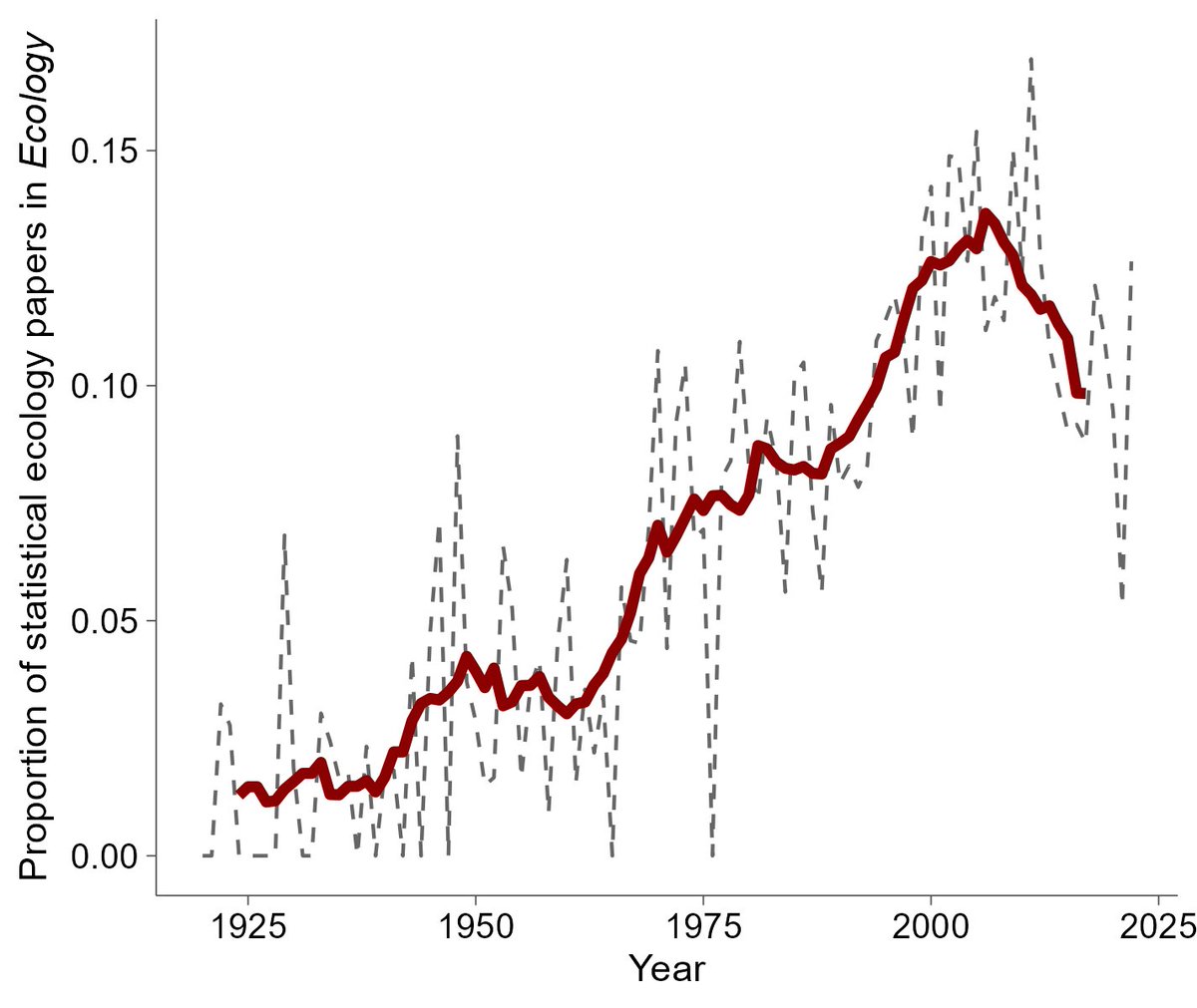
Check out our new piece on the history of statistical ecology and the role that @ESAEcology has played
This was a fun (and challenging!) paper to write - we learned a lot!
https://t.co/NeZhT8lG22
Although environment predicts diversity in general, this is likely due to the mixing of species and clades among regions. Communities that have been isolated for tens of millions of years do diverge from expectations, showing that community convergence is not inevitable.
It’s finally published! “Deep biogeographic barriers explain divergent global vertebrate communities”, published in @NatureComms with @BrodieEcology & @ZipkinLab#biogeography#macroecology https://t.co/Wl4odQDE8f
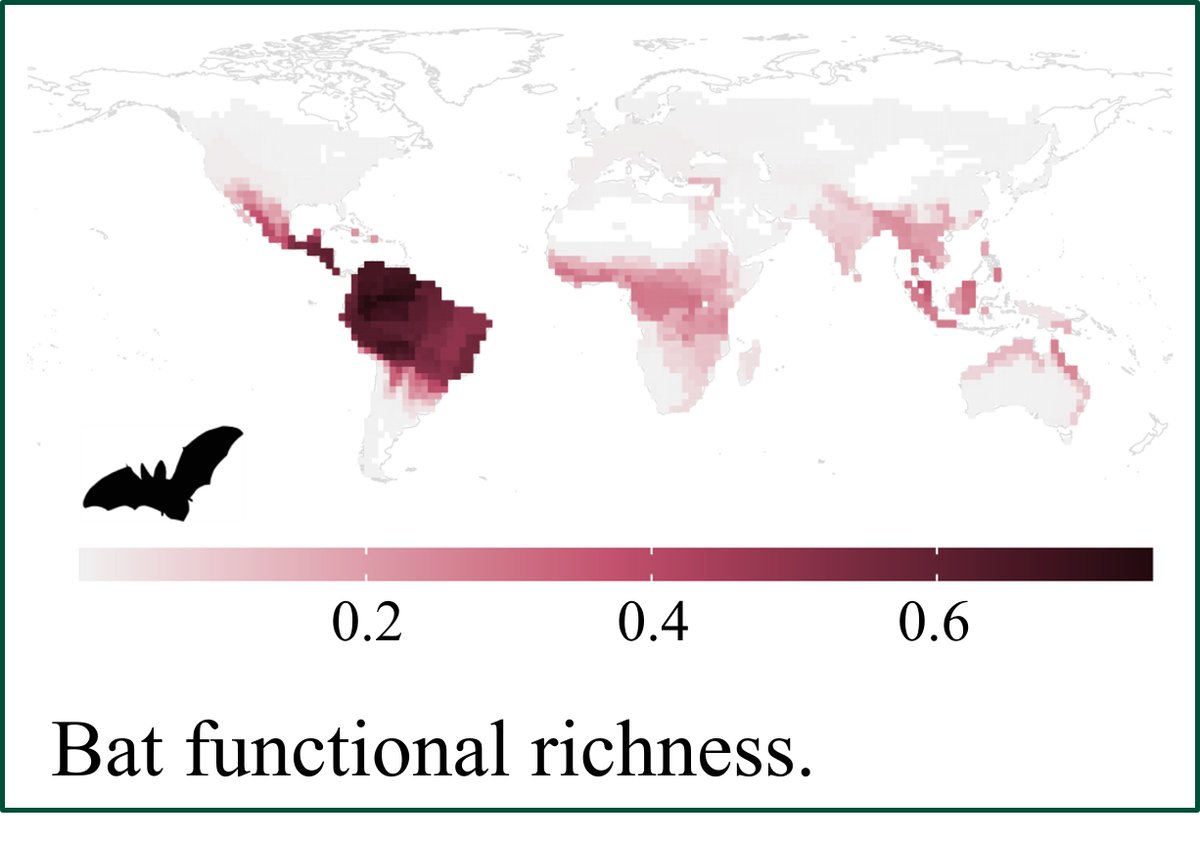
For mammals, isolated regions like Australia had lower diversity and unique combinations of #functionaltraits. For bats, the Neotropics are much more functionally diverse than the Paleotropics due to past isolation. For birds, though, isolation didn’t matter.
How much does sex chromosome conflict contribute to house mouse hybrid sterility? Much less than we thought! But Y-linked incompatibilities show subtle effects on spermatogenesis expression and male fertility. Excited to share our latest work in Genetics https://t.co/6Np9Syt5Fn
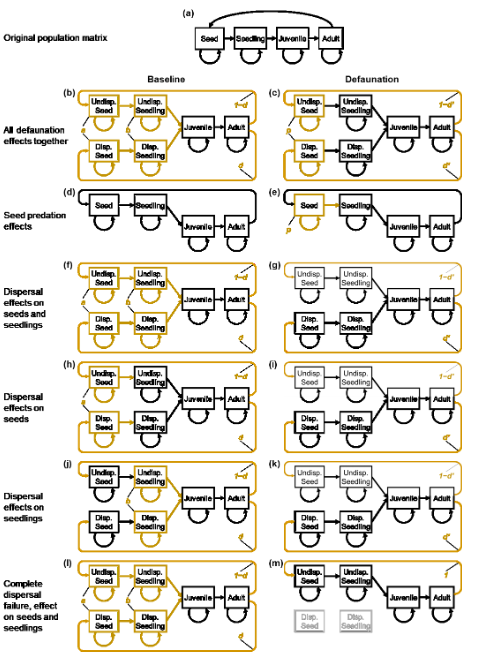
🌳Williams and Brodie disperse information on tropical tree populations!🌴They share that reduced seed dispersal and altered predation caused by defaunation may have negligible near-term effects on #tropical trees. 🌱 https://t.co/7GIXhctBnF
#conservation#science#sundaypunday
I’m thrilled to announce a new paper published in Oecologia!
“Food availability alters community co-occurrence patterns at fine spatiotemporal scales in a tropical masting system”
https://t.co/eu7pKVMAS6
Our fine-scale #spatiotemporal#cooccurrence method can be applied to many other systems, including cases where one species may avoid sites where another species has been present recently.
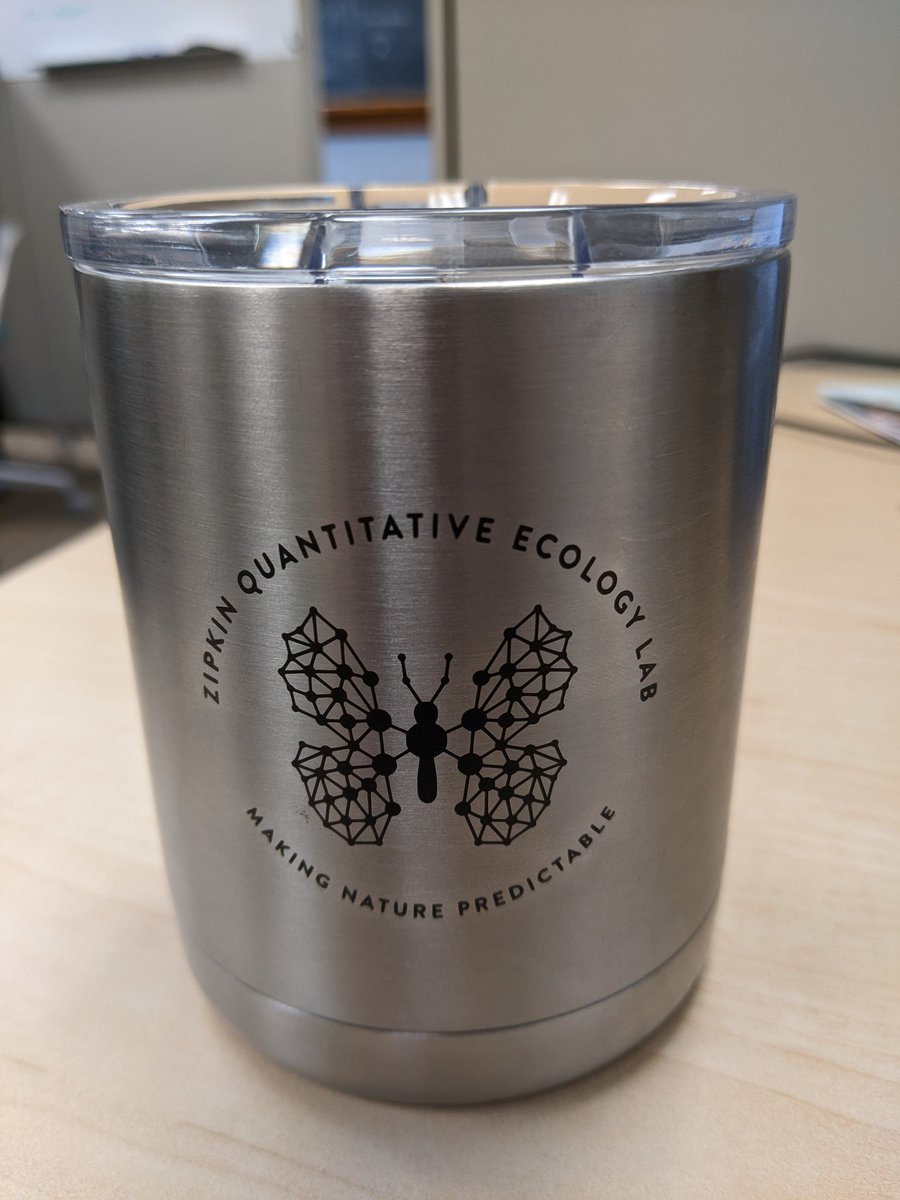
After a convoluted journey following the completion of my PhD last year, I have started working as a postdoc in the @Zipkinlab at @MSU_IBIO! I officially started a couple of months ago, but I’ve just started working in person. I have an office and everything, plus this sweet mug!
Interested in data integration and community modeling? Come check out my #ESA2022 talk tomorrow on integrated community models and their use for biodiversity conservation. Link to paper in @MethodsEcolEvol below!
https://t.co/KswAJtACXx