BREAKING NEWS:
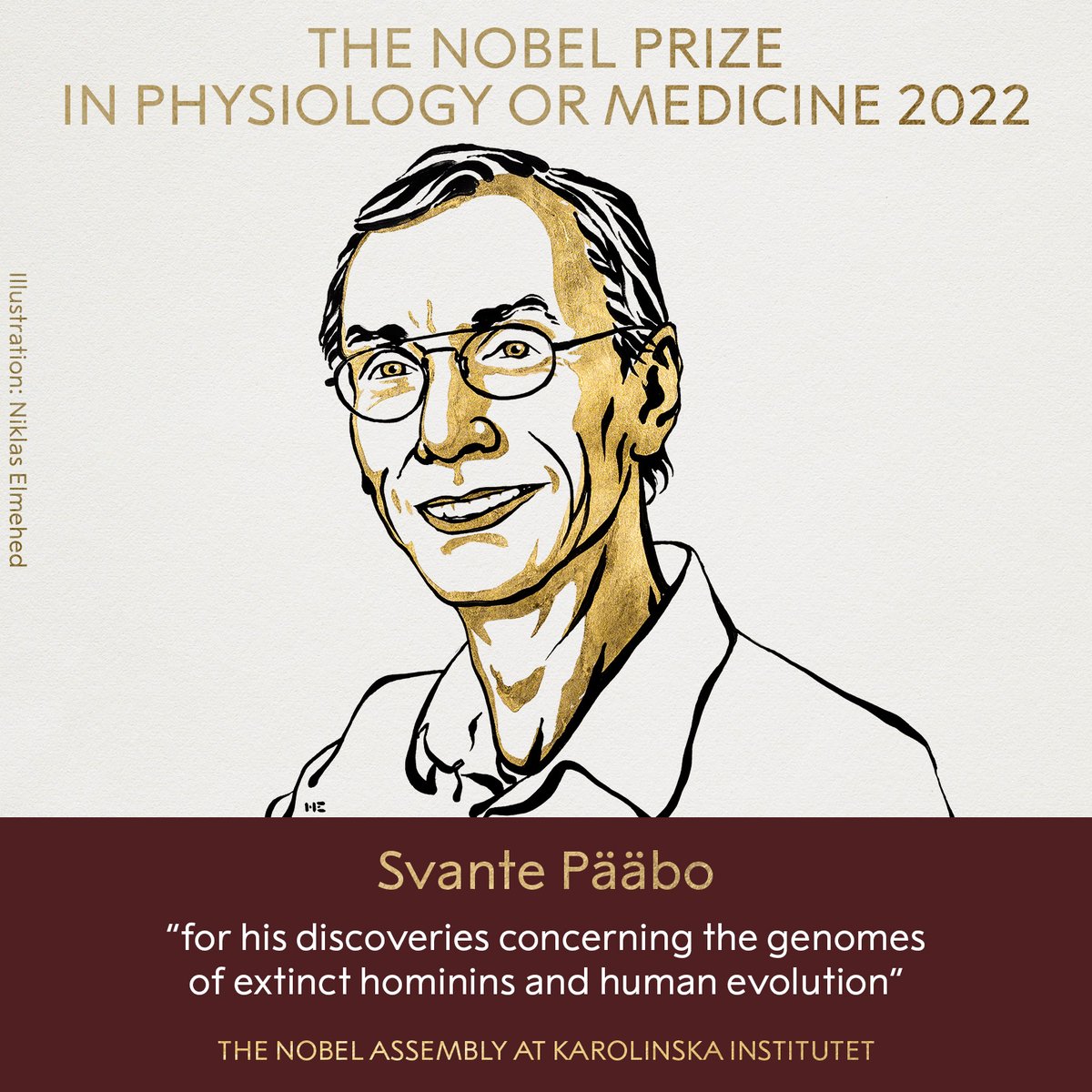
The 2022 #NobelPrize in Physiology or Medicine has been awarded to Svante Pääbo “for his discoveries concerning the genomes of extinct hominins and human evolution.”
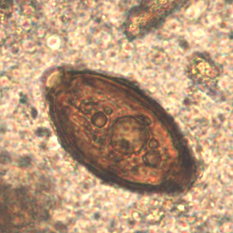
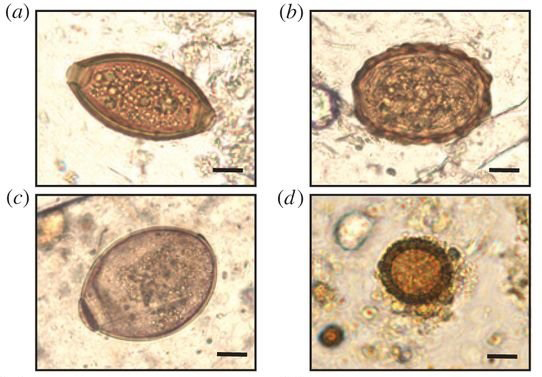
Check out our Issue Image for the month of April from the article "Reconstructing the history of helminth prevalence in the UK"!
https://t.co/NY7e7I5kwc
Alongside modern genomics & bio-informatics, 🪱parasites 🪱conserved in archaeological sites can shed light on past societies🏛
@pgflammer speaks about ancient DNA, helminths sampled in Medieval burial grounds and the hygiene hypothesis.
https://t.co/Cg1Uw1IP40
@PalaeoBARN
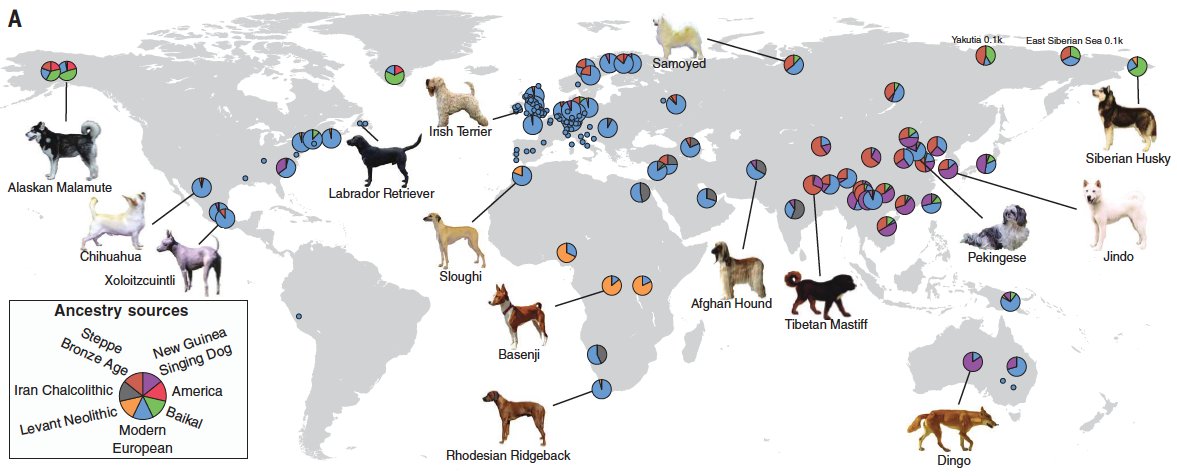
In this ancient dog DNA study by Anders Bergström et al., we show that already 11,000 years ago there were ≥5 different dog groups across the world. https://t.co/paSxpe6Eny
We then trace the history written in dog & human DNA together, through the Holocene to global dogs today.
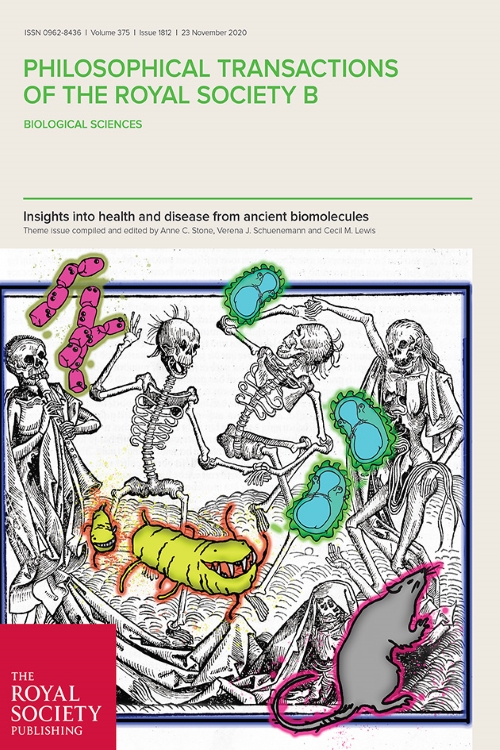
This week's #PhilTransB issue looks at how ancient biomolecules can be used to address questions about the history and spread of microbes and parasites around the world https://t.co/0wt1tkBs1o. Edited by @StoneLab_ASU @CecilMLewisJr @OU_LMAMR and @evmed_ch
Check out our new paper! We discuss the amazing opportunities of helminths in Archaeology!
Intestinal helminths as a biomolecular complex in archaeological research | Philosophical Transactions of the Royal Society B: Biological Sciences https://t.co/I6rSX5MDcB
#Parasite worms were common in Medieval Europe, with 40% of people parasitized by Ascaris and 25% by whipworm, say @pgflammer and Hannah Ryan of @OxZooDept, @PalaeoBARN, et al.
🔎 @PLOSPathogens paper: https://t.co/BRkg6x5Qf2
📰 @ScienceMagazine article: https://t.co/b8MzGLqRm4
Helminth infections common in Medieval Europe, grave study finds
Featured research from Patrik G Flammer and colleagues
Press release here: https://t.co/gaqXIp2rT2
Full story here: https://t.co/XB6BBvhkfc
Parasitic Infections Common in Medieval Europe. Analysing samples from 589 graves at 7 sites dated 680-1700 A.D., Adrian Smith et al. discovered 2 common parasites, roundworm & whipworm, at each site, and 2 food-derived parasites tapeworms at 4 sites. https://t.co/WhVbsLOb1O
We know that people in the past had all sorts of diseases, but little is known about the epidemiology. Here is our recent study to shed some light on medieval worms:
https://t.co/Y4d0tyoZOV
@Greger_Larson @sylvswarren @OxZooDept
Archaeoparasitologist @pgflammer finds genetic type of parasitic worm from a posh medieval #Bristol (Finzel's Reach) latrine found in one other place in Europe - the Baltic port of #Lübeck. @UniofOxford@oatweet https://t.co/wMNQfKNSwT Published paper at https://t.co/FHlqfWbWmG
Eerily evocative photographs by @RoryCarnegie capturing our "abaondoned ship" HMS Tinbergen, now in the process of being demolished. RIP. Including @StuWest8's cocktail glass and our asbestos graffiti. Thank you Rory @OxZooDept https://t.co/ZcaJQxT2zK
@don_o_meara I find Tina Turner for Switzerland slightly insulting. Yes, she's a Swiss citizen since 2013, but couldn't you think of someone who grew up in Switzerland? Like Ursula Andress, Johanna Spyri, Carla del Ponte, ...
How is everyone spending their quarantine time? After Apollo 11, I spent mine inside a secure building, the Lunar Receiving Laboratory, for 3 weeks - writing mission reports, conducting debriefs & exercising! Show me how you’re staying safe from COVID-19. #StayingSafeWithBuzz