Your task: cable management.
Your equipment: bulky, pressurized gloves.
Your location: space.
Could you do it? @Astro_Raja and @Astro_Matthias did, as they installed @Space_Station hardware upgrades during a spacewalk: https://t.co/9sOiBQsU2d
Microgravity provides a unique look at fluids like water, and we’re taking advantage of that in @Space_Station research! Scientists use surface tension to gain a new perspective on diseases and examine small forces that control liquids. #WorldWaterDay
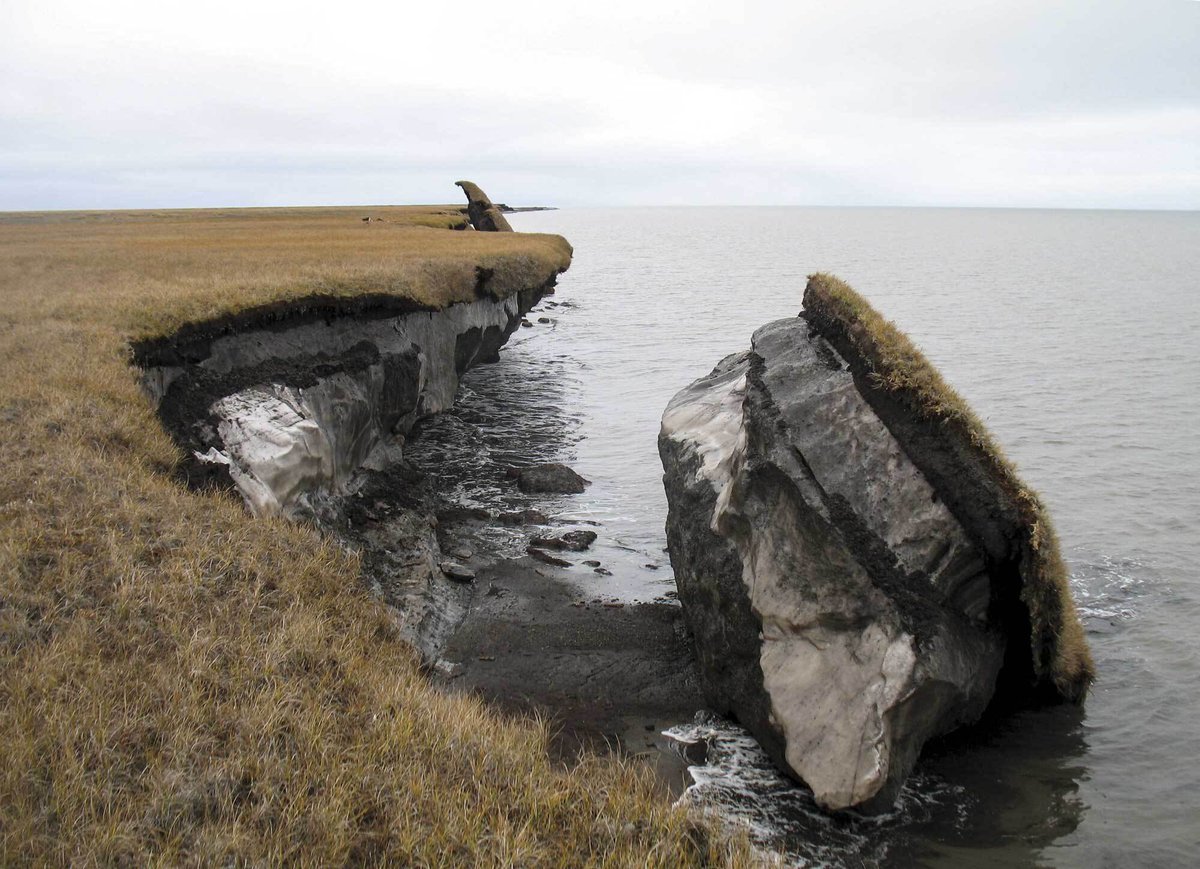
Thawing permafrost – ground that remains frozen for at least two years – could leach microbes and chemicals into the environment. To better understand the effects, @NASA scientists are integrating Earth observations from ground, air, and space.
Details: https://t.co/3Oyl4NOUsa
At NASA, women are making history every day as leaders and role models for the next generation of explorers.
Join us in commemorating #InternationalWomensDay by learning about some @WomenNASA who inspire us: https://t.co/fMpDWD16TU
Our Psyche mission is preparing for a 1.5-billion-mile (2.4-billion-km) journey to an asteroid of the same name. At 800 sq. ft (75 sq m), its solar arrays are the largest ever installed at @NASAJPL, bringing it one step closer to its August launch. Details:https://t.co/teNPteG6P8
Twin galaxies? Look again 👀
From the perspective of our orbiting @NASAHubble telescope, these two galaxies in the Virgo constellation appear side-by-side... but they're actually more than 150 million light-years apart: https://t.co/0VfGwYiHvF
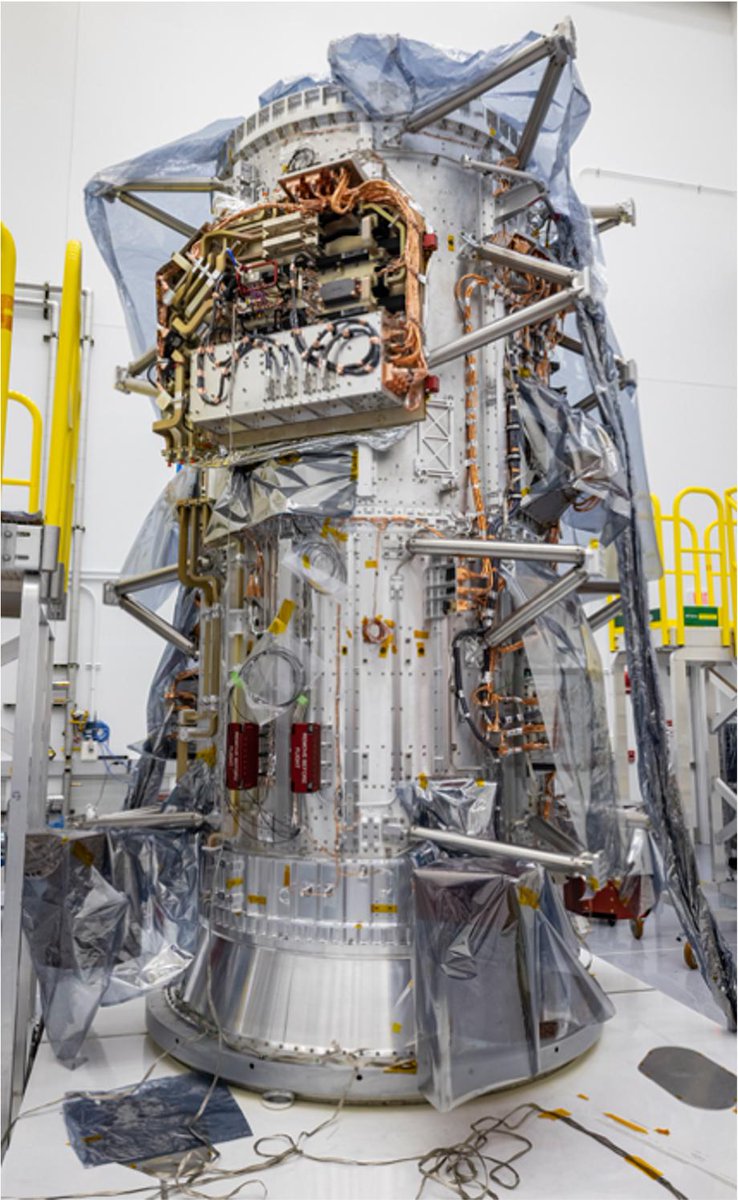
Assembly of our @EuropaClipper spacecraft is now underway at @NASAJPL.
Scheduled to launch in 2024, this @NASAAstrobio mission will conduct close flybys of Jupiter's icy moon Europa, to determine whether it has conditions suitable for life: https://t.co/oaQaOobdMV
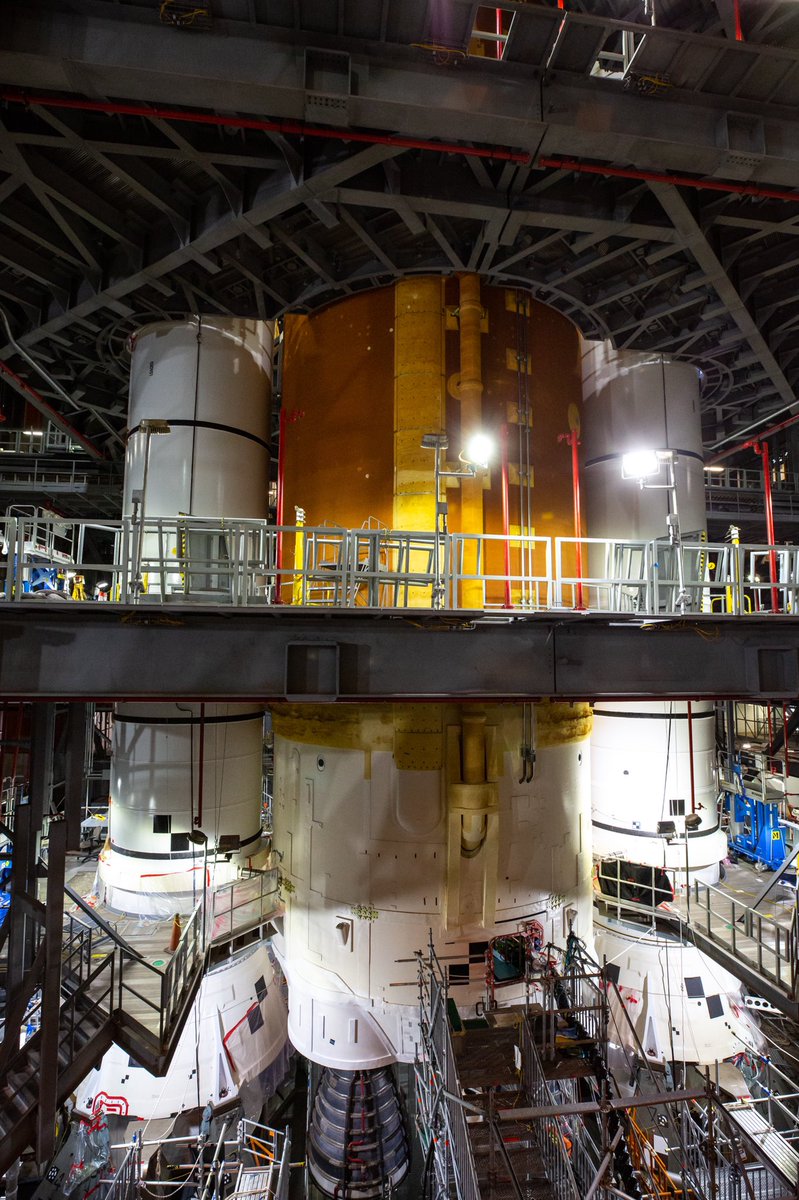
Engineers continue to work through final closeout tasks for the #Artemis I launch, as well as integrated testing before @NASA_SLS and @NASA_Orion roll out to the pad for the first time in mid-March.
Join us today at 1:30pm ET for the latest updates: https://t.co/A9sbAYbCl3
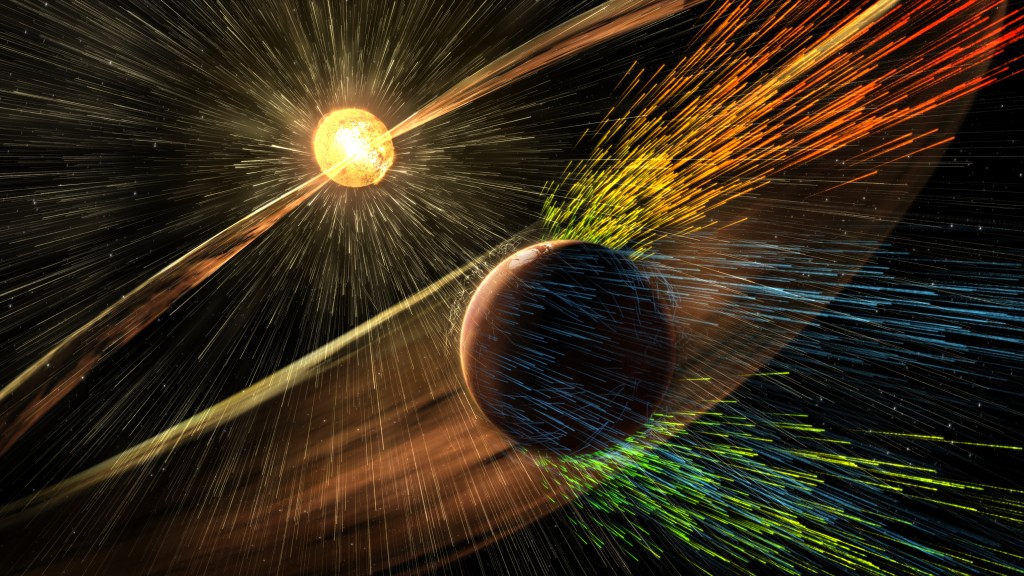
🔍 Jinkies! Scientists have measured the temperature of ions in Mars’ atmosphere using MAVEN. This has led to a thrilling mystery: the Case of the Hot Ions!
Read all about it in a new series highlighting scientific papers in a jargon-free format: https://t.co/2VJm4iPpuO