🇨🇳 Every second in China, an average of 100 solar panels are installed.
As of 2025 H1, they now have over 67% of the world's installed solar capacity.
Within this decade, China's solar capacity alone will surpass total US electrical capacity from all sources.
AI OVERPRODUCTION
China seeks to commoditize their complements. So, over the following months, I expect a complete blitz of Chinese open-source AI models for everything from computer vision to robotics to image generation.
Why? I’m just inferring this from public statements, but their apparent goal is to take the profit out of AI software since they make money on AI-enabled hardware. Basically, they want to do to US tech (the last stronghold) what they already did to US manufacturing. Namely: copy it, optimize it, scale it, then wreck the Western original with low prices.
I don’t know if they’ll succeed.
But here’s the logic:
(1) First, China noticed that DeepSeek’s release temporarily knocked ~$1T off US tech market caps.
(2) Second, China’s core competency is exporting physical widgets, more than it is software.
(3) Third, China’s other core competency is exporting things at such massive scale that all foreign producers are bankrupted and they win the market. See what they’re doing to German and Japanese cars, for example.
(4) Fourth, China is well aware that it lacks global prestige as it’s historically been a copycat. With DeepSeek, becoming #1 in AI is now something they actually consider possibly achievable, and a matter of national pride.
(5) Fifth, DeepSeek has gone viral in China and its open source nature means that everyone can rapidly integrate it, down to the level of local officials and obscure companies. And they are doing so, and posting the results for praise on WeChat.
(6) Finally, while DeepSeek was obscure before recent events, it’s now a household name, and the founder (Liang Wengfeng) has met both with Xi but also the #2 in China, Li Qiang. They likely have unlimited resources now.
So, if you put all that together, China thinks it has an opportunity to hit US tech companies, boost its prestige, help its internal economy, and take the margins out of AI software globally (at least at the model level).
They will instead make their money by selling inexpensive AI-enabled hardware of increasing quality, from smart homes and self-driving cars to consumer drones and robot dogs.
Basically, China is trying to do to AI what they always do: study, copy, optimize, and then bankrupt everyone with low prices and enormous scale.
I don’t know if they’ll succeed at the app layer. But it could be hard for closed-source AI model developers to recoup the high fixed costs associated with training state-of-the-art models when great open source models are available.
Last, I agree it’s surprising that the country of the Great Firewall is suddenly the country of open source AI. But it is consistent in a different way, which is that China is just focused on doing whatever it takes to win — even to the point of copying partially-abandoned Western values like open source, which seemed like the hardest thing to adopt.
On that point: they did build censorship into the released DeepSeek AI models, but in a manner that’s easily circumvented outside China. So, you might conclude they don’t really care what non-Chinese people are saying outside China in other languages, so long as this doesn’t “interfere with China’s internal affairs.”
Anyway —this is an area I’ve been watching, and my reluctant conclusion is that China is getting better at software faster than the West is getting better at hardware.
This is the week where decades happened.
Crypto is now legal.
AI is now free.
The entire blue empire is being shut down by executive order. And after the postwar order, we enter the post-Internet order.
This report is long but very good.
“With R1, DeepSeek essentially cracked one of the holy grails of AI: getting models to reason step-by-step without relying on massive supervised datasets. Their DeepSeek-R1-Zero experiment showed something remarkable: using pure reinforcement learning with carefully crafted reward functions, they managed to get models to develop sophisticated reasoning capabilities completely autonomously. This wasn't just about solving problems— the model organically learned to generate long chains of thought, self-verify its work, and allocate more computation time to harder problems.
The technical breakthrough here was their novel approach to reward modeling. Rather than using complex neural reward models that can lead to "reward hacking" (where the model finds bogus ways to boost their rewards that don't actually lead to better real-world model performance), they developed a clever rule-based system that combines accuracy rewards (verifying final answers) with format rewards (encouraging structured thinking). This simpler approach turned out to be more robust and scalable than the process-based reward models that others have tried.”
https://t.co/XRqgMNRzg1
Here comes the next big boom in Texas.
There's lithium under the bayous of northeast Texas, possible world-class deposits.
My latest for @TexasMonthly
https://t.co/eQyDtY5Lqg
Destination: Unknown
adventure: Guaranteed...!
A Thread, all about Trains..🧵👇
1. The Mauritanian iron ore train, one of the world's longest and heaviest, spans up to 3 km, travels 704 km, and has 200-300 carriages weighing up to 84 tons.
MAXIMALISM WILL RISE
Inflation is a real problem for the regime. It cuts across demographics to cut into their support.
And there's really nothing they can do.
Yeah, they can hike rates, but that just means high prices for young people on another dimension — namely, on their biggest ticket items like loans and cars.
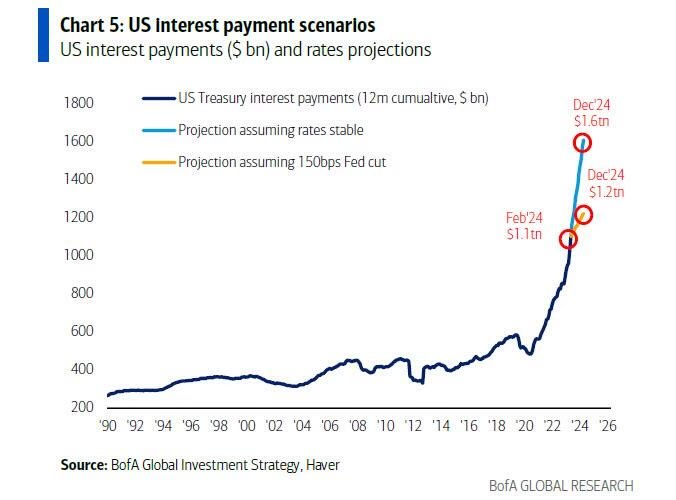
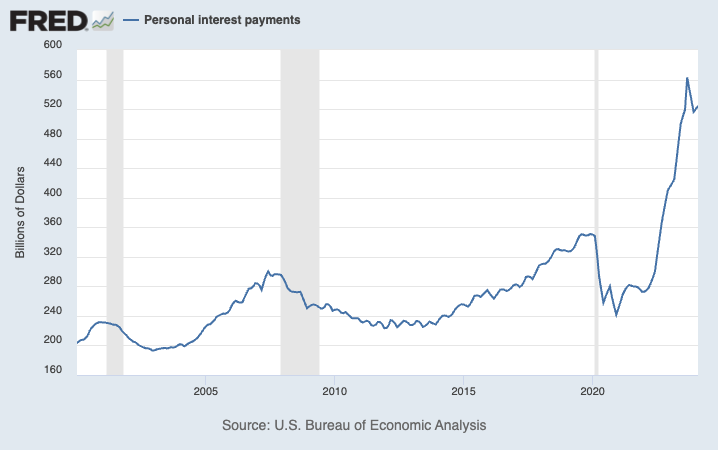
And of course the entire US economy is based on endless money printing. And high rates mean the regime is piling up interest costs in an unsustainable way, as you can see below, so they can't keep rates elevated forever.
All they can do is what they're currently doing. Which is manipulating stats and gaslighting the population. First inflation didn't exist, then it was transitory, then it was being imminently solved by high rates, and now it's actually good for you (or something!).
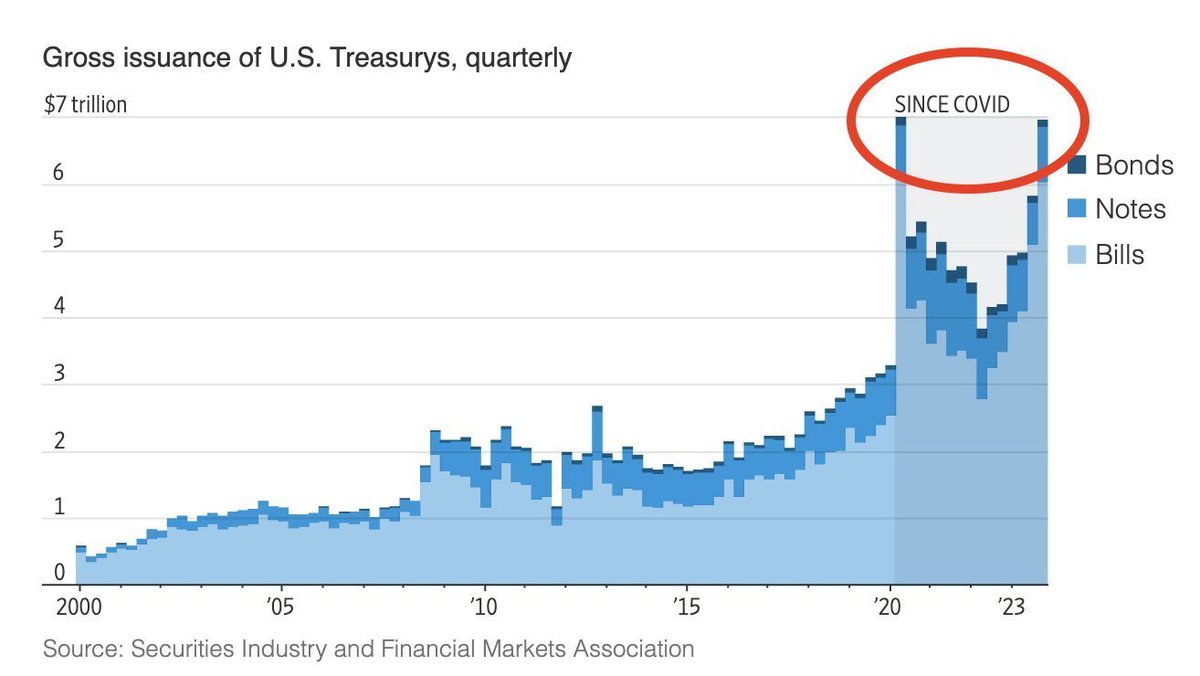
Oh, and the other thing they can do is quietly issue record amounts of debt, just to prop up this fake economy:
God only knows how long this lasts or how quickly it comes apart, when it breaks. But the DC regime cannot pay its debts. They will eventually resort to printing gigantic quantities of money.
However — if we're already at 64% of 18-29 year olds thinking inflation is the #1 issue, extrapolate out what it looks like when it's 75%. Or 95%. Or 99%. When we're all just drowning in oceans of printed paper.
That is the stuff of which revolutions are made.
So, this really isn't about Trump vs Biden. For one thing, both Trump and Biden nominated Chairman Powell. For another, as recent votes show, there is no way any national Republican or Democrat will solve this mess. They are creatures of the state, and any solution to inflation will not come from within this state.
It will have to come from outside.
That's why it the next one really is the people vs the government, the network vs the state, and — most of all — the dollar vs Bitcoin.
I am no maximalist, but Bitcoin Maximalism will rise.
Charles Bukowski's work will change your life forever.
His work takes 100s of hours to read. I've gone through it so you don't have to.
11 ideas. 11 opportunities to upgrade your mind.
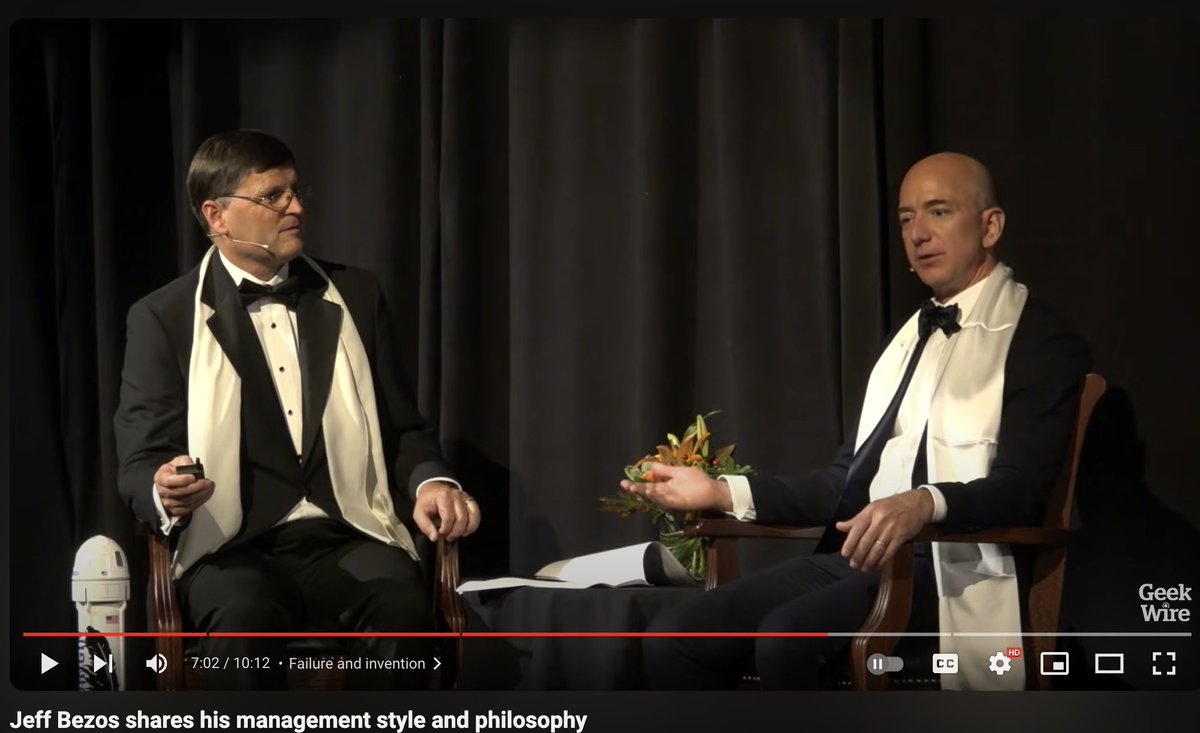
Every saturday morning for the last 6 years, I watch this obscure video.
It's Jeff Bezos talking about leadership, but really, it's the most succinct blueprint for how to achieve greatness I have ever found.
You should watch it often, but I summarized it here: (thread, sry)
I went from thinking the Bible was the most boring book ever to seeing the magic in it.
Years ago, I realized that the Bible is the foundational book of Western civilization. If I was going to be an educated person, I needed to know what it said. Though I was motivated to learn about it, I didn't have the patience to read it or the knowledge to understand it.
Generally, I try to follow my 4th-grade English teacher's advice to read things first-hand. But the Bible seemed too hard, too boring, and too confusing to read on my own. It was a snooze fest. The stories felt outdated in a world of smartphones and fast Internet. Living in the modern world, shouldn’t I be rooting my life in modern books, modern studies, and modern authors?
At the time, I was living in New York when a friend introduced me to the work of Tim Keller. I reluctantly found time to put down the self-help and picked up two of his books instead: The Reason for God and Making Sense of God. It was around that time when I discovered Keller's Questioning Christianity lecture series.
Instead of focusing on the Bible directly, Keller focused on Christianity's relationship with culture and the modern world. He spoke to career-driven Gordon Gekkos who were driven by the glories of the material world, but sensed the emptiness at the heart of such a single-minded pursuit. Instead of referencing scripture directly, he spoke about big-picture themes like identity and purpose, morality and meaning.
This was back when I thought all Christians had the intelligence of sidewalk pigeons. I would scoff at church-goers because I didn’t understand why anyone would worship a sky fairy or follow rules from thousands of years ago. Keller was the guide I needed.
For the first few years, I looked at faith through a cultural lens instead of reading the Bible directly. I literally knew nothing about Jesus or Christianity — and I came to realize how little I knew about my own atheism too. In school, while studying the Declaration of Independence, I’d learned that it’s “self-evident” that “all men are created equal.” Turns out, this defining American ideal is only self-evident if you assume that every person has inherent worth because they’re made in the image of God. I was stumped. Where did my moral compass come from? Do people have inherent value? And if so, is it because every human is a child of God?
In addition to advocating for the life of Jesus and the truth of his message, Keller revealed the many assumptions underlying my own atheistic worldview. He taught me that every worldview requires a leap of faith. Sure, Christianity couldn’t perfectly explain everything in the universe, but then again, neither can any worldview. Astrophysicists say that much of the universe is made up of “dark matter,” which is a scientific-sounding way to talk about a leap of faith
Though I did some Bible studies, I never enjoyed them. They felt more like reading tedious academic papers than drinking directly from the fountain of God’s wisdom. Instead of reading Scripture directly, I joined a small Christian reading group where I was the only non-believer. By showing me coherent ways to interpret reality besides my science-based materialism, books like The Story of Reality and I Don't Have Enough Faith to Be an Atheist loosened the screws on my atheism.
My palate was beginning to change. Like a fine wine, the same flavors that were once repulsive to me started to appeal to my intellectual taste buds. I surrounded myself with wise Christians who were orthodox about scripture and eager to answer my hardest questions about faith. I asked them to dinner and invited myself to Church with them.
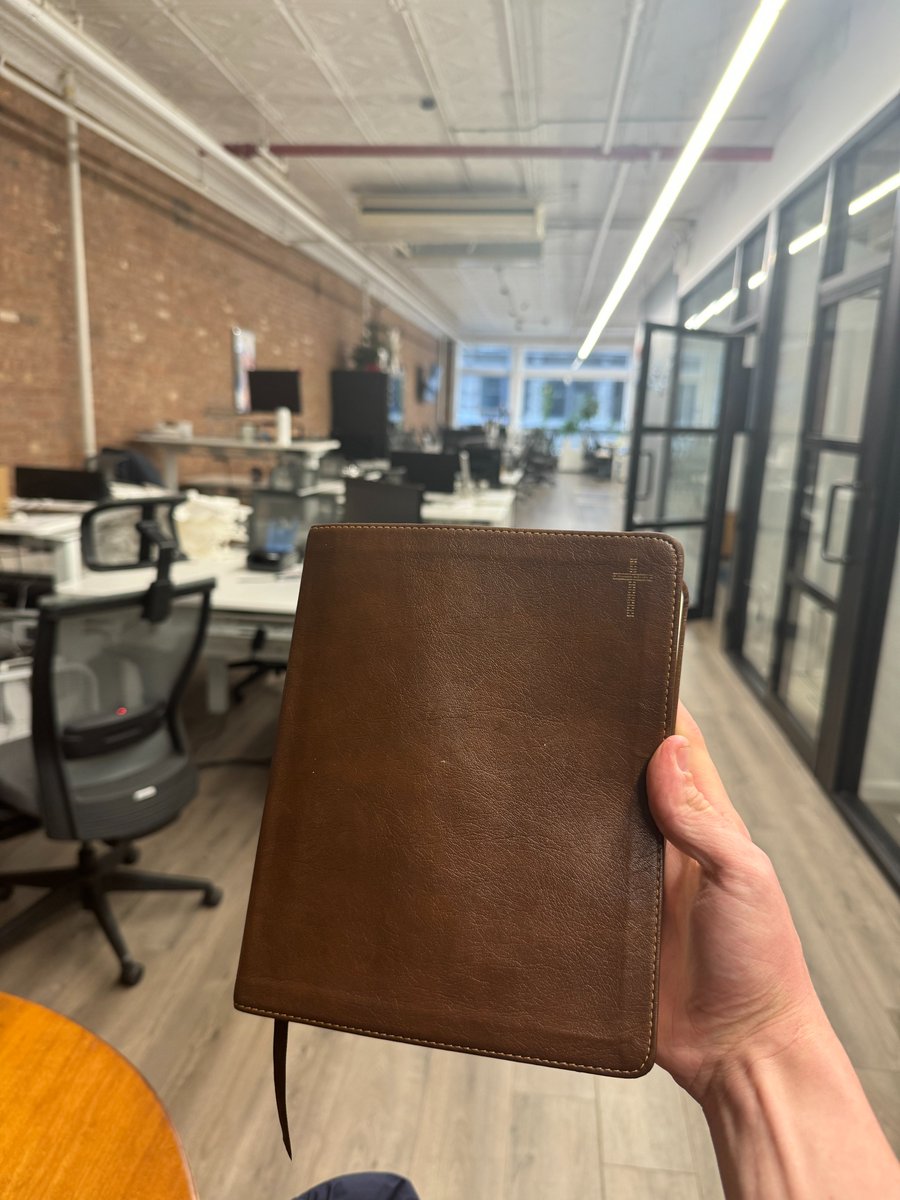
This marked a new era. Once again, I found some guides: books, Internet sources, and an in-person leader to show me the way. On the Internet, I'd turn to The Bible Project to answer my big-picture thematic questions. I picked up the ESV Study Bible, which I still read every day on the white boucle couch in my living room (if you like reading on the computer, I recommend The Bible Study App by Olive Tree).
For years, I’d stiff-armed the Bible. Now, I was skipping to a 7am Bible Study led by a devout believer who'd been reading God's word every day for almost a quarter-century, and wasn’t afraid to rebuke my theology.
What surprised me most was how carefully we read. I admired the integrity of our study. We live in a culture of binge-reading where people boast about how many books they can complete in a given year. We did the opposite. We never read more than ~20 verses in a single session and dissected every word, every verse, and every story. (I once spent two hours studying John 1:1-4 — just four verses at a strip mall Schlotzsky's in the Texas Hill Country.)
Never in my life had I read so deliberately. I spent months in the books of Ephesians, Romans, John, and 2 Corinthians, and there's no way I would've known how to read the Bible so diligently on my own. I learned to look beyond English translations, and I use the BibleHub to look up the original Greek and Hebrew whenever possible.
For a translation, I recommend the English Standard Version (ESV) (no, you don’t need to read the King James Version). And If you're going to pick two books, I recommend the Gospel of John and the Book of Romans. Either find a guide to read them carefully with you or follow along with The Bible Project and The ESV Study Bible. Whatever you do, read slowly.
I used to be a serial consumer who’d brag about how many books I read every year. I’d pick up anything and everything. The more, the merry. But the more I study the Bible, the more careful I’ve become about who I read and listen to. Gone are my days as a serial consumer. Frauds, charlatans, and false teachers abound, so be skeptical and vet your sources. In all this time, I’ve had no more than ten serious teachers. Fortunately, that’s all you need.
I became a believer on March 20th of this year, four years after attending my first Tim Keller lecture, and the Bible is alive for me now like no book I've ever read.
These days, I read the Bible and basically nothing else.
Opening it up is the best part of my daily routine. The words twinkle. The stories are supernatural. It's a living, breathing document, and I wholeheartedly believe it's the Word of God, which makes every other book feel dim by comparison.
HISTORY IS RUNNING IN REVERSE
The Bitcoin ETF is the spiritual reversal of Executive Order 6102. Back in 1935, they seized the gold. But now, digital gold is back.
Ninety years ago, FDR and his fellow travelers rode the 20th century arc of centralization. The chokepoints of then-new technologies for mass media and mass production allowed them to gain control over the population, recruit top talent for their "Brain Trust", and seize the gold after a series of epic legal battles[1].
Those gold clause cases are forgotten today, but received as much contemporary coverage as 9/11 or the Moon Landing. They were the most important issue in the country, receiving far more coverage than seemingly comparable Supreme Court decisions like Roe vs Wade. Why?[2]
The reason is that the transition from a gold-backed to fiat-backed system was comparable to a soft communist revolution, as the *visible* seizure of gold laid the groundwork for the *invisible* seizure of wealth via money printing.
And the classically trained judges at that time fully understood this. Justice McReynolds' then-famous dissent denounced the ruling in the harshest terms, noting that the "Constitution is gone" and the "dollar...may be 30c tomorrow, 10c the next day, and 1c the day following".[3]
McReynolds was right.
While the court was forced into a grudging institutional surrender by FDR's threat of court-packing[2], the gold clause case affected every economic decision-maker in the country, as it amounted to the US government explicitly defaulting on its bonds by seizing the assets of its citizens, laying the groundwork for the century of monetary debasement to come.[4]
Now all of that is unwinding. FDR's team could ride the wave of centralizing technology that built giant states around the world. But today, technology today favors *decentralization* — personal computers, end-to-end encryption, mobile phones, and of course cryptocurrency [5].
Thus, top talent isn't being pulled into a government Brain Trust. It's being brain drained *out* of the US establishment. And as a consequence the epic legal battles are, on balance, going our way.
It's not just the DC Circuit case.[6] The ideological conflict between decentralization and centralization is reflected in the 3-2 vote for the Bitcoin ETF approval itself. Read Peirce's brilliant pro-liberty approval[7], Crenshaw's dour denial[8], and Gensler's reluctant approval[9].
You'll see echos of the gold clause case, but in reverse. This time, it is the centralized state that is being forced into a grudging institutional surrender. And a surrender it is, as Crenshaw's dissent[8] makes clear:
"...there is no primary regulator for the bitcoin spot markets. Spot bitcoin ETPs will be participating in an unregulated, fragmented, continuously traded, global free-for-all. Even if there were a primary regulator for this market, much of it could be beyond the reach of U.S. regulation..."
Let that sink in! This is what the US establishment truly fears: not Bitcoin as "fraud", but Bitcoin as freedom. They want to rule not just you but the world, so they're scared of the prospect of "a global free-for-all..beyond the reach of US regulation". And they know that any spot ETF will bid up the price of self-custodied Bitcoin outside their control[10], as Satoshi intended.
So: since FDR's seizure of gold, our lives have revolved around the centralized state rather than the decentralized market. The state has had control for so long we've forgotten what freedom is like. But now gold is slipping out of their hands, and back into yours.
History is running in reverse.
[1]: https://t.co/yl0MCTRrlg
[2]: https://t.co/92ahAV1AeY
[3]: https://t.co/MknSZv5Q6g
[4]: https://t.co/dbYcaOXyff
[5]: https://t.co/1DWoz5f6nW
[6]: https://t.co/COJmRAwO3K
[7]: https://t.co/pipMkosz5k
[8]: https://t.co/4tSlPrST9c
[9]: https://t.co/ZWjdGrRMXJ
[10]: https://t.co/XMCEWu2PK9
This, in a nutshell, is everything wrong with government.
The marginal cost of energy is free at certain moments in California. This is an incredible unlock for human productivity.
But also in California, while the marginal cost of generating this energy is free, the downstream costs to consumers keep going up.
Why? Because of regulatory capture: in this case by the utility that acts as a middleman between making the power and the homeowners that consume it.
When enough homeowners are self sufficient via rooftop solar and storage, this monopoly and naked arbitrage will break - not just in California but across the US.
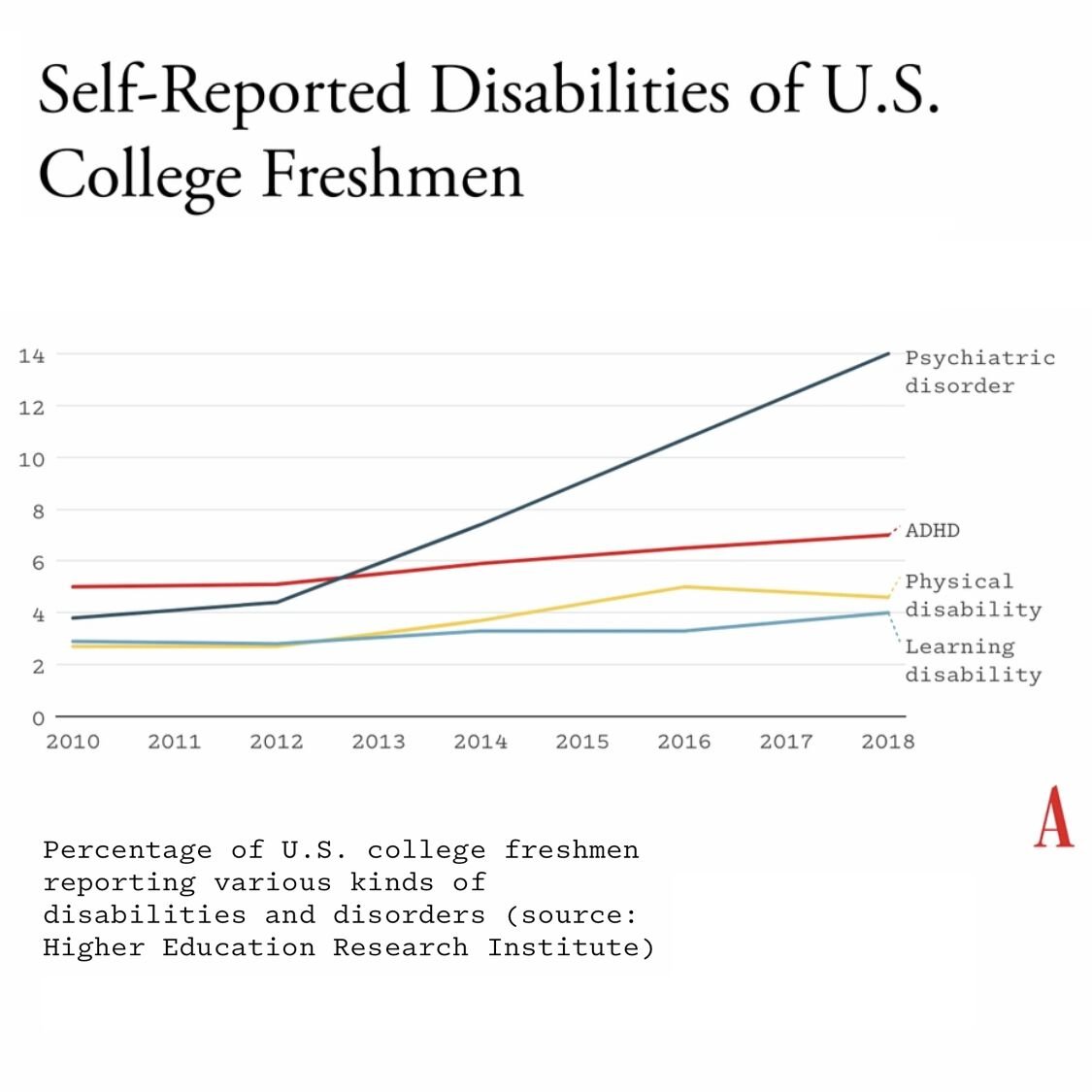
This is a sad trend for people and society.
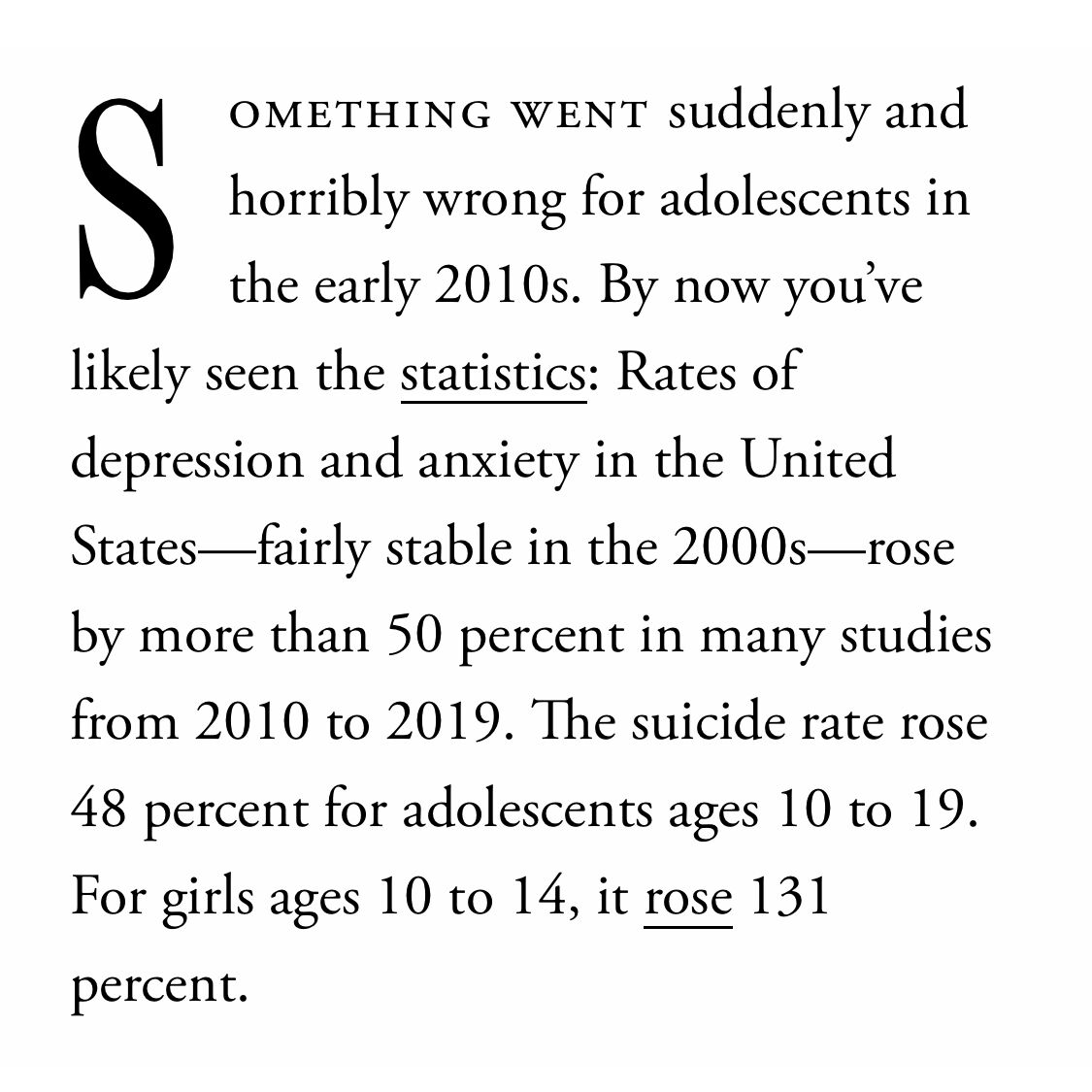
It’s been proven for many years now: building a committed relationship with one person and then raising children in that nuclear two-parent family contributes more to creating healthy, happy adults and a well functioning society than anything else (ie wealth vs poverty, health history, zip code, race).
So the implication of the trend below, if it doesn’t self correct are terrible for society as a whole:
1) there will be more and more promiscuity and, as a byproduct, less kids born
2) what few kids we do have will grow up in non two parent households
It may seem “fun” and “free” to be a 20/30 something with a roster, but many of these folks will wake up alone, too late to act on the simple truth that being in a committed relationship and having kids is not an indulgence of a thriving society but a requirement.








![balajis's tweet photo. HISTORY IS RUNNING IN REVERSE
The Bitcoin ETF is the spiritual reversal of Executive Order 6102. Back in 1935, they seized the gold. But now, digital gold is back.
Ninety years ago, FDR and his fellow travelers rode the 20th century arc of centralization. The chokepoints of then-new technologies for mass media and mass production allowed them to gain control over the population, recruit top talent for their "Brain Trust", and seize the gold after a series of epic legal battles[1].
Those gold clause cases are forgotten today, but received as much contemporary coverage as 9/11 or the Moon Landing. They were the most important issue in the country, receiving far more coverage than seemingly comparable Supreme Court decisions like Roe vs Wade. Why?[2]
The reason is that the transition from a gold-backed to fiat-backed system was comparable to a soft communist revolution, as the *visible* seizure of gold laid the groundwork for the *invisible* seizure of wealth via money printing.
And the classically trained judges at that time fully understood this. Justice McReynolds' then-famous dissent denounced the ruling in the harshest terms, noting that the "Constitution is gone" and the "dollar...may be 30c tomorrow, 10c the next day, and 1c the day following".[3]
McReynolds was right.
While the court was forced into a grudging institutional surrender by FDR's threat of court-packing[2], the gold clause case affected every economic decision-maker in the country, as it amounted to the US government explicitly defaulting on its bonds by seizing the assets of its citizens, laying the groundwork for the century of monetary debasement to come.[4]
Now all of that is unwinding. FDR's team could ride the wave of centralizing technology that built giant states around the world. But today, technology today favors *decentralization* — personal computers, end-to-end encryption, mobile phones, and of course cryptocurrency [5].
Thus, top talent isn't being pulled into a government Brain Trust. It's being brain drained *out* of the US establishment. And as a consequence the epic legal battles are, on balance, going our way.
It's not just the DC Circuit case.[6] The ideological conflict between decentralization and centralization is reflected in the 3-2 vote for the Bitcoin ETF approval itself. Read Peirce's brilliant pro-liberty approval[7], Crenshaw's dour denial[8], and Gensler's reluctant approval[9].
You'll see echos of the gold clause case, but in reverse. This time, it is the centralized state that is being forced into a grudging institutional surrender. And a surrender it is, as Crenshaw's dissent[8] makes clear:
"...there is no primary regulator for the bitcoin spot markets. Spot bitcoin ETPs will be participating in an unregulated, fragmented, continuously traded, global free-for-all. Even if there were a primary regulator for this market, much of it could be beyond the reach of U.S. regulation..."
Let that sink in! This is what the US establishment truly fears: not Bitcoin as "fraud", but Bitcoin as freedom. They want to rule not just you but the world, so they're scared of the prospect of "a global free-for-all..beyond the reach of US regulation". And they know that any spot ETF will bid up the price of self-custodied Bitcoin outside their control[10], as Satoshi intended.
So: since FDR's seizure of gold, our lives have revolved around the centralized state rather than the decentralized market. The state has had control for so long we've forgotten what freedom is like. But now gold is slipping out of their hands, and back into yours.
History is running in reverse.
[1]: https://t.co/yl0MCTRrlg
[2]: https://t.co/92ahAV1AeY
[3]: https://t.co/MknSZv5Q6g
[4]: https://t.co/dbYcaOXyff
[5]: https://t.co/1DWoz5f6nW
[6]: https://t.co/COJmRAwO3K
[7]: https://t.co/pipMkosz5k
[8]: https://t.co/4tSlPrST9c
[9]: https://t.co/ZWjdGrRMXJ
[10]: https://t.co/XMCEWu2PK9](https://pbs.twimg.com/media/GDh9Z-EagAA_vtO.jpg)
![balajis's tweet photo. HISTORY IS RUNNING IN REVERSE
The Bitcoin ETF is the spiritual reversal of Executive Order 6102. Back in 1935, they seized the gold. But now, digital gold is back.
Ninety years ago, FDR and his fellow travelers rode the 20th century arc of centralization. The chokepoints of then-new technologies for mass media and mass production allowed them to gain control over the population, recruit top talent for their "Brain Trust", and seize the gold after a series of epic legal battles[1].
Those gold clause cases are forgotten today, but received as much contemporary coverage as 9/11 or the Moon Landing. They were the most important issue in the country, receiving far more coverage than seemingly comparable Supreme Court decisions like Roe vs Wade. Why?[2]
The reason is that the transition from a gold-backed to fiat-backed system was comparable to a soft communist revolution, as the *visible* seizure of gold laid the groundwork for the *invisible* seizure of wealth via money printing.
And the classically trained judges at that time fully understood this. Justice McReynolds' then-famous dissent denounced the ruling in the harshest terms, noting that the "Constitution is gone" and the "dollar...may be 30c tomorrow, 10c the next day, and 1c the day following".[3]
McReynolds was right.
While the court was forced into a grudging institutional surrender by FDR's threat of court-packing[2], the gold clause case affected every economic decision-maker in the country, as it amounted to the US government explicitly defaulting on its bonds by seizing the assets of its citizens, laying the groundwork for the century of monetary debasement to come.[4]
Now all of that is unwinding. FDR's team could ride the wave of centralizing technology that built giant states around the world. But today, technology today favors *decentralization* — personal computers, end-to-end encryption, mobile phones, and of course cryptocurrency [5].
Thus, top talent isn't being pulled into a government Brain Trust. It's being brain drained *out* of the US establishment. And as a consequence the epic legal battles are, on balance, going our way.
It's not just the DC Circuit case.[6] The ideological conflict between decentralization and centralization is reflected in the 3-2 vote for the Bitcoin ETF approval itself. Read Peirce's brilliant pro-liberty approval[7], Crenshaw's dour denial[8], and Gensler's reluctant approval[9].
You'll see echos of the gold clause case, but in reverse. This time, it is the centralized state that is being forced into a grudging institutional surrender. And a surrender it is, as Crenshaw's dissent[8] makes clear:
"...there is no primary regulator for the bitcoin spot markets. Spot bitcoin ETPs will be participating in an unregulated, fragmented, continuously traded, global free-for-all. Even if there were a primary regulator for this market, much of it could be beyond the reach of U.S. regulation..."
Let that sink in! This is what the US establishment truly fears: not Bitcoin as "fraud", but Bitcoin as freedom. They want to rule not just you but the world, so they're scared of the prospect of "a global free-for-all..beyond the reach of US regulation". And they know that any spot ETF will bid up the price of self-custodied Bitcoin outside their control[10], as Satoshi intended.
So: since FDR's seizure of gold, our lives have revolved around the centralized state rather than the decentralized market. The state has had control for so long we've forgotten what freedom is like. But now gold is slipping out of their hands, and back into yours.
History is running in reverse.
[1]: https://t.co/yl0MCTRrlg
[2]: https://t.co/92ahAV1AeY
[3]: https://t.co/MknSZv5Q6g
[4]: https://t.co/dbYcaOXyff
[5]: https://t.co/1DWoz5f6nW
[6]: https://t.co/COJmRAwO3K
[7]: https://t.co/pipMkosz5k
[8]: https://t.co/4tSlPrST9c
[9]: https://t.co/ZWjdGrRMXJ
[10]: https://t.co/XMCEWu2PK9](https://pbs.twimg.com/media/GDh6QvFbkAAt2xd.png)
![balajis's tweet photo. HISTORY IS RUNNING IN REVERSE
The Bitcoin ETF is the spiritual reversal of Executive Order 6102. Back in 1935, they seized the gold. But now, digital gold is back.
Ninety years ago, FDR and his fellow travelers rode the 20th century arc of centralization. The chokepoints of then-new technologies for mass media and mass production allowed them to gain control over the population, recruit top talent for their "Brain Trust", and seize the gold after a series of epic legal battles[1].
Those gold clause cases are forgotten today, but received as much contemporary coverage as 9/11 or the Moon Landing. They were the most important issue in the country, receiving far more coverage than seemingly comparable Supreme Court decisions like Roe vs Wade. Why?[2]
The reason is that the transition from a gold-backed to fiat-backed system was comparable to a soft communist revolution, as the *visible* seizure of gold laid the groundwork for the *invisible* seizure of wealth via money printing.
And the classically trained judges at that time fully understood this. Justice McReynolds' then-famous dissent denounced the ruling in the harshest terms, noting that the "Constitution is gone" and the "dollar...may be 30c tomorrow, 10c the next day, and 1c the day following".[3]
McReynolds was right.
While the court was forced into a grudging institutional surrender by FDR's threat of court-packing[2], the gold clause case affected every economic decision-maker in the country, as it amounted to the US government explicitly defaulting on its bonds by seizing the assets of its citizens, laying the groundwork for the century of monetary debasement to come.[4]
Now all of that is unwinding. FDR's team could ride the wave of centralizing technology that built giant states around the world. But today, technology today favors *decentralization* — personal computers, end-to-end encryption, mobile phones, and of course cryptocurrency [5].
Thus, top talent isn't being pulled into a government Brain Trust. It's being brain drained *out* of the US establishment. And as a consequence the epic legal battles are, on balance, going our way.
It's not just the DC Circuit case.[6] The ideological conflict between decentralization and centralization is reflected in the 3-2 vote for the Bitcoin ETF approval itself. Read Peirce's brilliant pro-liberty approval[7], Crenshaw's dour denial[8], and Gensler's reluctant approval[9].
You'll see echos of the gold clause case, but in reverse. This time, it is the centralized state that is being forced into a grudging institutional surrender. And a surrender it is, as Crenshaw's dissent[8] makes clear:
"...there is no primary regulator for the bitcoin spot markets. Spot bitcoin ETPs will be participating in an unregulated, fragmented, continuously traded, global free-for-all. Even if there were a primary regulator for this market, much of it could be beyond the reach of U.S. regulation..."
Let that sink in! This is what the US establishment truly fears: not Bitcoin as "fraud", but Bitcoin as freedom. They want to rule not just you but the world, so they're scared of the prospect of "a global free-for-all..beyond the reach of US regulation". And they know that any spot ETF will bid up the price of self-custodied Bitcoin outside their control[10], as Satoshi intended.
So: since FDR's seizure of gold, our lives have revolved around the centralized state rather than the decentralized market. The state has had control for so long we've forgotten what freedom is like. But now gold is slipping out of their hands, and back into yours.
History is running in reverse.
[1]: https://t.co/yl0MCTRrlg
[2]: https://t.co/92ahAV1AeY
[3]: https://t.co/MknSZv5Q6g
[4]: https://t.co/dbYcaOXyff
[5]: https://t.co/1DWoz5f6nW
[6]: https://t.co/COJmRAwO3K
[7]: https://t.co/pipMkosz5k
[8]: https://t.co/4tSlPrST9c
[9]: https://t.co/ZWjdGrRMXJ
[10]: https://t.co/XMCEWu2PK9](https://pbs.twimg.com/media/GDh2FcIbMAEC67E.png)






![balajis's tweet photo. HISTORY IS RUNNING IN REVERSE
The Bitcoin ETF is the spiritual reversal of Executive Order 6102. Back in 1935, they seized the gold. But now, digital gold is back.
Ninety years ago, FDR and his fellow travelers rode the 20th century arc of centralization. The chokepoints of then-new technologies for mass media and mass production allowed them to gain control over the population, recruit top talent for their "Brain Trust", and seize the gold after a series of epic legal battles[1].
Those gold clause cases are forgotten today, but received as much contemporary coverage as 9/11 or the Moon Landing. They were the most important issue in the country, receiving far more coverage than seemingly comparable Supreme Court decisions like Roe vs Wade. Why?[2]
The reason is that the transition from a gold-backed to fiat-backed system was comparable to a soft communist revolution, as the *visible* seizure of gold laid the groundwork for the *invisible* seizure of wealth via money printing.
And the classically trained judges at that time fully understood this. Justice McReynolds' then-famous dissent denounced the ruling in the harshest terms, noting that the "Constitution is gone" and the "dollar...may be 30c tomorrow, 10c the next day, and 1c the day following".[3]
McReynolds was right.
While the court was forced into a grudging institutional surrender by FDR's threat of court-packing[2], the gold clause case affected every economic decision-maker in the country, as it amounted to the US government explicitly defaulting on its bonds by seizing the assets of its citizens, laying the groundwork for the century of monetary debasement to come.[4]
Now all of that is unwinding. FDR's team could ride the wave of centralizing technology that built giant states around the world. But today, technology today favors *decentralization* — personal computers, end-to-end encryption, mobile phones, and of course cryptocurrency [5].
Thus, top talent isn't being pulled into a government Brain Trust. It's being brain drained *out* of the US establishment. And as a consequence the epic legal battles are, on balance, going our way.
It's not just the DC Circuit case.[6] The ideological conflict between decentralization and centralization is reflected in the 3-2 vote for the Bitcoin ETF approval itself. Read Peirce's brilliant pro-liberty approval[7], Crenshaw's dour denial[8], and Gensler's reluctant approval[9].
You'll see echos of the gold clause case, but in reverse. This time, it is the centralized state that is being forced into a grudging institutional surrender. And a surrender it is, as Crenshaw's dissent[8] makes clear:
"...there is no primary regulator for the bitcoin spot markets. Spot bitcoin ETPs will be participating in an unregulated, fragmented, continuously traded, global free-for-all. Even if there were a primary regulator for this market, much of it could be beyond the reach of U.S. regulation..."
Let that sink in! This is what the US establishment truly fears: not Bitcoin as "fraud", but Bitcoin as freedom. They want to rule not just you but the world, so they're scared of the prospect of "a global free-for-all..beyond the reach of US regulation". And they know that any spot ETF will bid up the price of self-custodied Bitcoin outside their control[10], as Satoshi intended.
So: since FDR's seizure of gold, our lives have revolved around the centralized state rather than the decentralized market. The state has had control for so long we've forgotten what freedom is like. But now gold is slipping out of their hands, and back into yours.
History is running in reverse.
[1]: https://t.co/yl0MCTRrlg
[2]: https://t.co/92ahAV1AeY
[3]: https://t.co/MknSZv5Q6g
[4]: https://t.co/dbYcaOXyff
[5]: https://t.co/1DWoz5f6nW
[6]: https://t.co/COJmRAwO3K
[7]: https://t.co/pipMkosz5k
[8]: https://t.co/4tSlPrST9c
[9]: https://t.co/ZWjdGrRMXJ
[10]: https://t.co/XMCEWu2PK9](https://pbs.twimg.com/media/GDiDPEiakAAdjgp.jpg)


