This is unironically the most useful thing to do if you’re trying to understand how public markets work (esp how analyst sentiments can move share price). Buy 1 share of something you care about, peek at performance, read news, dial into quarterly earnings. The dots will connect.
Owning that 1 share is enough of a psychological forcing function to learn as you go.
Are case interviews (where you spend hrs working on a project w/ little historical context, then present it to people who didn't review before, and then have to defend your dissertation live w/o any knowledge of cultural/comm norms) the worst?
They have to be the worst, right?
@acapland This may sound vanilla. I watched your other episodes and I enjoyed (1) the authenticity of the questions & (2) how you deep-dived into the challenges they had & how they navigated through it
It's 100% refreshing. It's a good break from all the tactic-focused content out there.
Stumbled upon @acapland's podcast after seeing a friend (Pat Moran) get interviewed.
His content is what I've been looking for for a long time.
https://t.co/iO9YJDtZ02
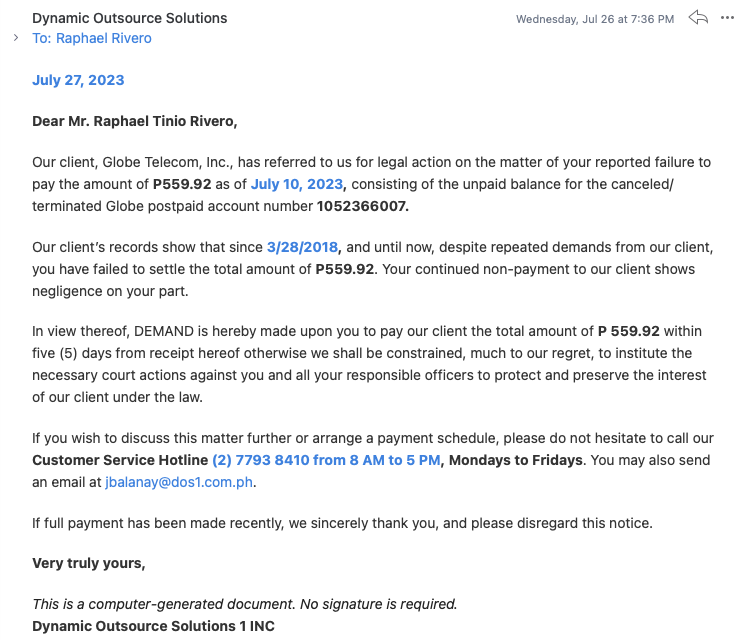
Hi @enjoyGLOBE are you legitimately affiliated with this company?
They've been constantly emailing me about an account I closed and paid in full 6 years ago.
If you are, it's quite absurd to be pursued after 6 years.
Gosh this is such a good thread. Brian does a good job below of summarizing some big ideas in investing. But more subtilely, it presents the big issues we all face as investors. It’s obviously easier to read than to implement - but it’s important to understand the key point here:
We are all our worst enemies!
Psychology ultimately taxes our returns more than ANYTHING else. Learning to stop blaming others, focus on what you can control and staying disciplined in the face of volatility clearly pays off long term.
Definitely something to aspire to…