Sur @pltsq nous parlons #nutrition#végétale, santé et recettes! Et bien sûr aussi plaisir! Tout cela de manière indépendante, sans pression des lobbys...
The modern mistakes of nutrition
1. Blaming sugar for what salt did
2. Blaming sugar for what saturated fat did
3. Blaming inflammation for what LDL did
4. Blaming seed oils for what animal fat did
Industry funding doesn't automatically discredit work, but one needs to be a skeptic of how it influenced it.
If it supports industry & is counter to scientific consensus, be wary
Frank recycles beef marketing into academic format and doesn't fully disclose motives or funding.
What are the effects of açai berries, cooked and raw blueberries, grapes, cocoa, green tea, and freshly squeezed orange juice on artery function? https://t.co/X6vPIAqEyU
Today we learn about the health benefits of peanut butter, discover how to increase our life expectancy and look at cancer causing contaminants in medication and meat. https://t.co/jlGMsb0PZO
*Be sure to subscribe to the podcast for all of the new episodes.
Some good news
Grocery sales of plant-based in Germany is almost 2x from 2018 to 2020, from $424M to $835M
Youth leading the way. 12.7% of 15-29 year olds in Germany now identify as veg or vegan - 2x the rate of the rest of the country.
https://t.co/yk9LNuYnko @KennyTorrella
Soy is the most widely grown crop in the world. What's driving continued growth and what are the environmental impacts?
A thread on the connections between soy, land use change, livestock feed, and ways forward. New report by @FCRNetwork:
https://t.co/L4kxouMkx3
This week I cover studies on ultra-processed food consumption and mortality risk, fibre and dementia risk, low-carb diets for weight loss, the clinical use of plant-based diets and a dire warning from the latest IPCC report on climate change.
https://t.co/Dl9GNKJ5o0
If you're not an expert in something, you should refer to scientific consensus. Period.
We have so much misinformation because social media's business model has amplified, exploited, capitalized off an already abysmal level of scientific literacy & underfunded education systems.
Although shifting farming practices have a role, countless studies, like this one, highlight the higher priority in major dietary shifts towards plant-based diets.
This shift is required to limit warming to less than a 2°C increase since pre-industrial times.
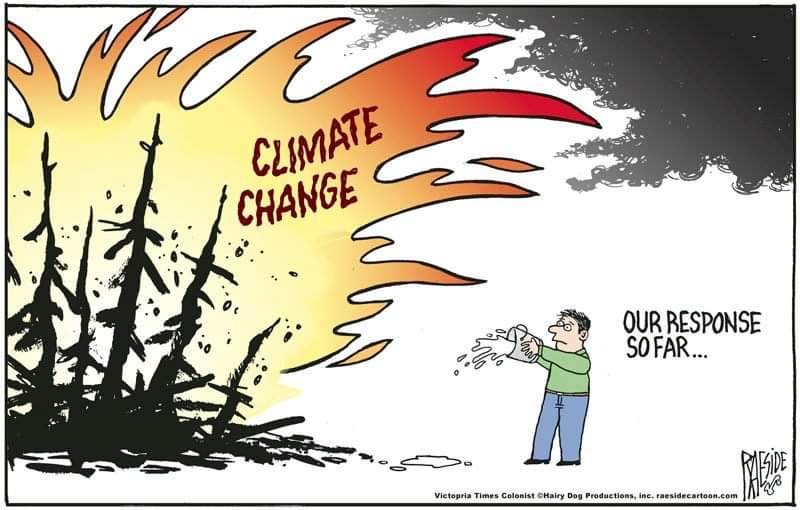
Agreements to "phase-down" and be "net zero by 2050" are not progress. These are delay tactics to continue business as usual.
Progress would be actually telling the truth about the urgency of the ecological crisis and implementing the transformational solutions.
In the hypothetical "no animal product" scenario, we'd see a ~28% reduction in global GHGs across all sectors (Poore & Nemecek, 2018).
It'd likely be higher too, as I've previously stated, if GWP20 was used (as it should be): https://t.co/IzqkDamHgC
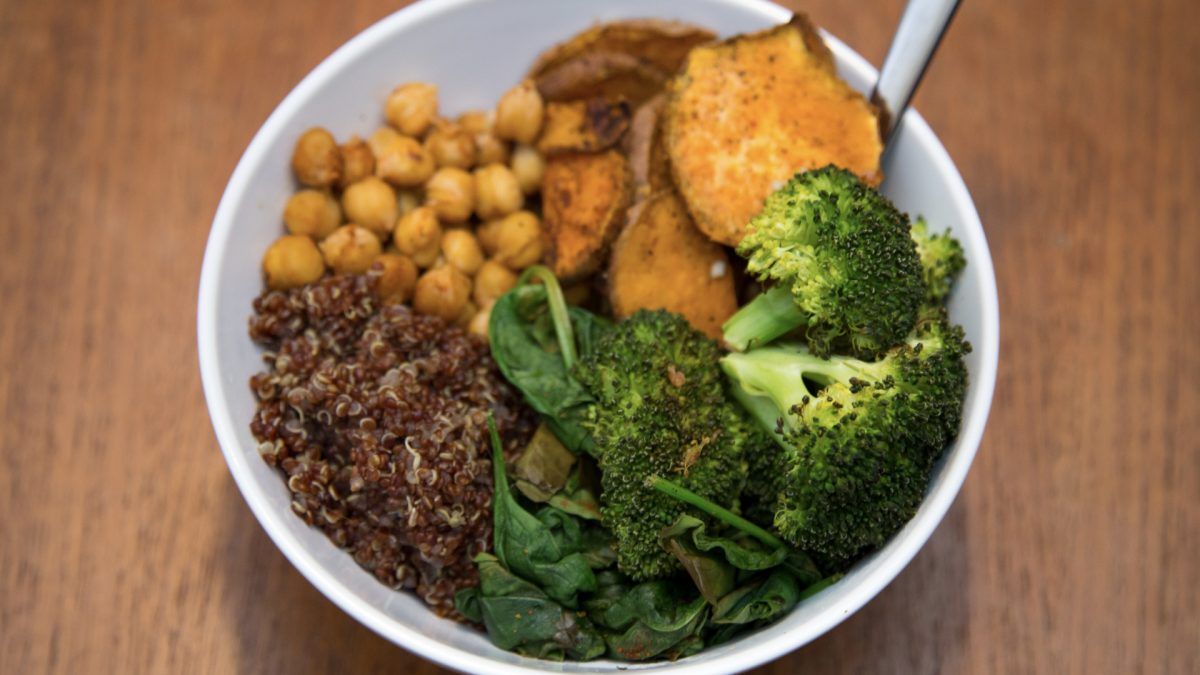
Diet may affect risk and severity of COVID-19: Study links healthy plant-based foods with lower risks of getting of COVID-19 and of having severe disease after infection https://t.co/iApblIHHss