@ibetterstudy@sequelazz@GusPriet quem faz sem é pq provavelmente é o proprio gastro sedando, sem anestesista. tipo vc operar seu cérebro com um pediatra. sao funcoes diferentes. o eletrodo monitora seus batimentos cardiacos. a sedacao pode reduzir eles e evoluir p/ parada (o michael jackson por ex morreu disso).
@toxicjasey@catapl0ft@sequelazz@GusPriet sim, é crime e má prática médica. sedação é depressão do sistema nervoso/cardiaco/respiratorio. quem tem amor ao paciente e ao seu CRM nunca cogitaria fazer uma presepada dessas
@sequelazz@GusPriet como nao colocaram eletrodo se recebeu sedação? nao falo isso pra duvidar de vc, é só que parece estar sendo um mal entendido. às vezes fazemos medicaçoes ansioliticas que dao amnesia, entao é difícil lembrar 100% do pre-op
Once a doctor re-invented integration by trapezoidal rule because she did not learn it in school.
She received 75 citations for her novel work.
She even named it after herself. lol.
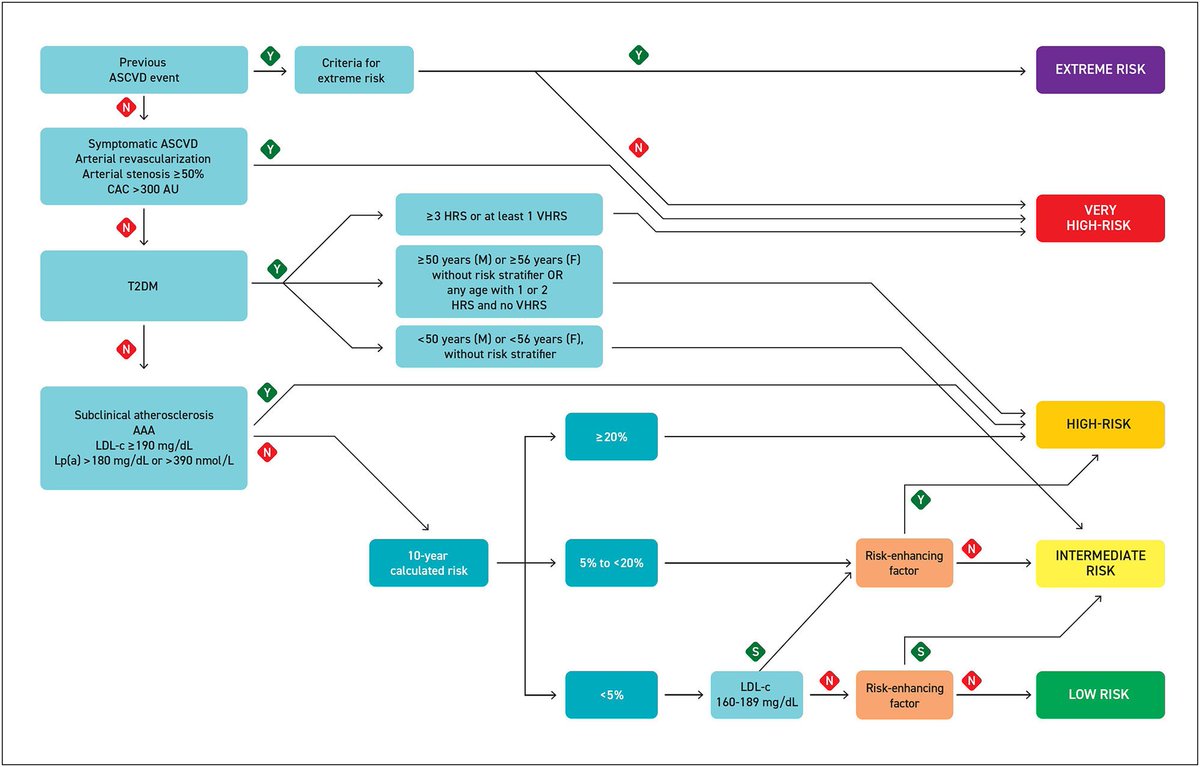
@drjohnm We tried our best to encompass risk stratification and LDL-C targets into a one-stop figure in the 2025 Brazilian guidelines.
While categories could be improved, IMO this is a more helpful format for quick decision-making, as is the flowchart.
See here: https://t.co/0PZ6JGZYUi
@whateverdebs então só tá encalhada mesmo e tentando arrumar um crentola pra chamar de seu haha
até verificado assinou pra ver se engaja com essas merdas. vida extremamente deprimente, ficar projetando as frustrações nos outros. nem a aprovação da residência te tornou feliz. procura ajuda
@whateverdebs sua vida deve estar mt ruim. há aguns dias vc postou massacrando um plantonista da uti por ser obeso, alegando que “se nao cuida da propria vida, imagina do paciente”. isso tudo ao mesmo tempo em que vc mesma era obesa e melhorou c/ medicação. agora posta uma dessa. q vidinha kkk
Forearm support to reduce dental contact during direct laryngoscopy: a randomized crossover trial - Canadian Journal of Anesthesia/Journal canadien d'anesthésie https://t.co/FNGhtQ4SeT
The BICARICU-2 study came out today.
In this study, they found no difference in 90 day mortality between those that received a bicarb infusion (n=314) and those that did not (n=313). The intervention was 4.2% bicarb targeting a pH >7.30 with a max of 1000mL in the first 24h (125-250mL over 30 min to start). However, there's a few things to caveat:
-There was no difference in mortality at any time point
-There was significantly lower KRT use among bicarb recipients (35% versus 50%) but no real difference in KRT-free days (interesting)
-Less blood stream infections in the bicarb group (4% versus 9%), but the incidence was low overall
-Pretty much most other things were the same
-There was a signal of potential mortality benefit among those with a randomization pH of <7.10
My take on this = Given the lack of signal for harm, and potential benefits, we should definitely keep bicarb in the arsenal of ICU tools, particularly for those with a pH <7.10.
https://t.co/70jy1SJ82l
#emergency #emergencymedicine #criticalcare #icu #science #data #research #army #armymedicine
(3/x) Andromeda-Shock 2 RCT used a tiered approach to guide resuscitation, all centered around cap refill time.
Tier 1:
Check Cap Refill - if normal, periodic monitoring (you can't be better than normal!!)
If abnormal, first check pulse pressure (PP), a surrogate for stroke volume.
If narrow PP, check for fluid responsive.
If wide PP, check diastolic blood pressure and if <50mmHg, augment with norepinephrine.
Repeat cap refill serially.
This mind-bending @nejm trial randomized septic shock patents to A-line vs cuff BP monitoring
The signal showed that outcomes were actually worse in those randomized to A-line. By a bit. So at least cuff monitoring is non-inferior.
I find that I am using A-lines less and less with patients on vasoactive meds.
What about you?
https://t.co/JSjDFkvWJc