لا يزال استخدام التبغ من أكثر تحديات الصحة العامة إلحاحًا حول العالم، إذ يتسبب في وفاة أكثر من 7 ملايين شخص سنويًا، بينهم 1.6 مليون من غير المدخنين بسبب التعرض للتدخين السلبي.
ومع استمرار الدول في تعزيز جهود الوقاية، تقدم السياسات الحديثة في كل من المملكة المتحدة وأستراليا أمثلة مهمة للنقاش في مجال الصحة العامة.
فقد أقرت المملكة المتحدة ما يُعرف بالحظر الجيلي على بيع منتجات التبغ للأشخاص المولودين بعد عام 2008، بينما حصرت أستراليا بيع السجائر الإلكترونية في الصيدليات فقط، باعتبارها منتجات علاجية وليست منتجات استهلاكية يومية.
وبالنسبة لدول مجلس التعاون الخليجي، تسلط هذه الأمثلة الضوء على أهمية الوقاية والمشورة الصحية والتوعية المجتمعية في الحد من الأمراض التي يمكن تجنبها، ودعم الأشخاص الراغبين في الإقلاع عن التدخين.
بمناسبة اليوم العالمي للامتناع عن التبغ، يستعرض الدكتور هاورد بودولسكي، الرئيس التنفيذي لمركز جونز هوبكنز أرامكو الطبي، ما يمكن أن تستفيده منطقة الخليج من سياسات مكافحة التدخين والسجائر الإلكترونية في المملكة المتحدة وأستراليا.
لمعرفة المزيد، تفضل بزيارة الرابط في الصفحة الرئيسية.
#الفنلنديون يتميزون بسلوكياتهم الهادئة والمحترمة في الشوارع. يُعرفون بالالتزام بالقوانين، مثل احترام إشارات المرور والممرات المخصصة للمشاة. كما أنهم يقدرون #الخصوصية ، لذا نادرًا ما يتدخلون في شؤون الآخرين أو يزعجونهم. يتجنبون #الضوضاء أو التصرفات #المزعجة في الأماكن العامة.
Discover the Gulf Center For Disease Prevention And Control and its role in promoting the health of Gulf communitiesDiscover the Gulf Center For Disease Prevention And Control and its role in promoting the health of Gulf communitiesDiscover the Gulf Center For Disease Prevention And Control and its role in promoting the health of Gulf communitiesDiscover the Gulf Center For Disease Prevention And Control and its role in promoting the health of Gulf communities.
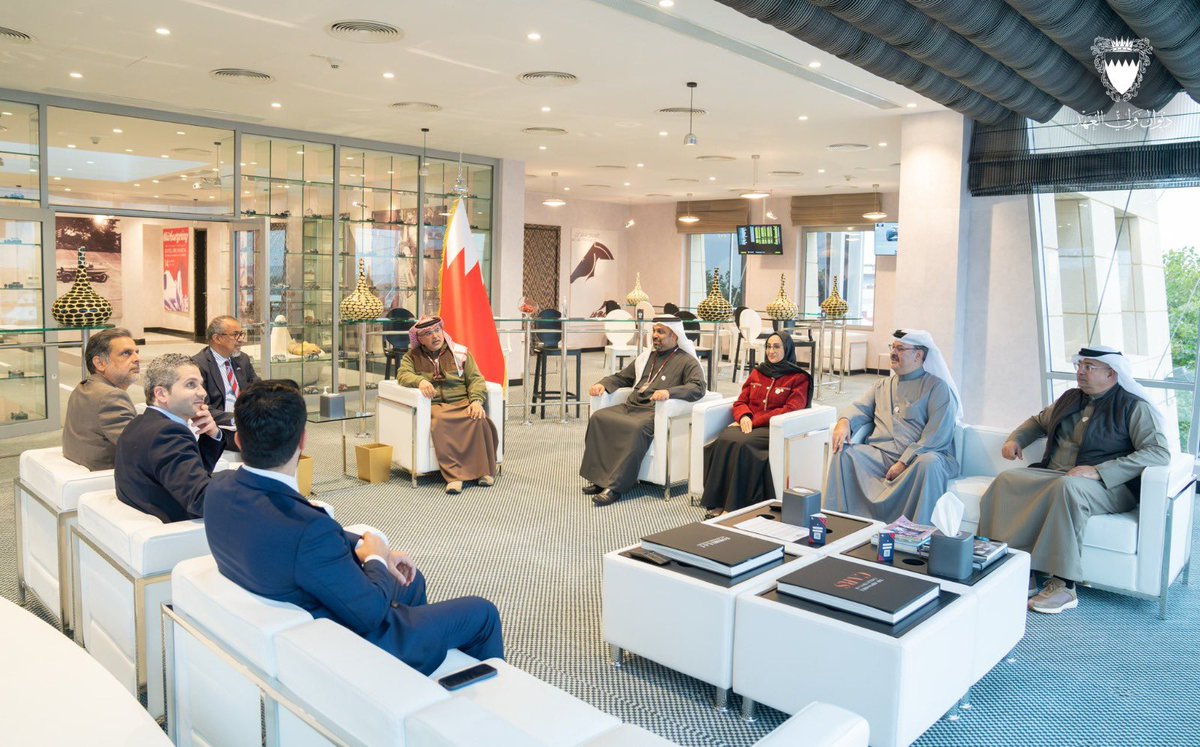
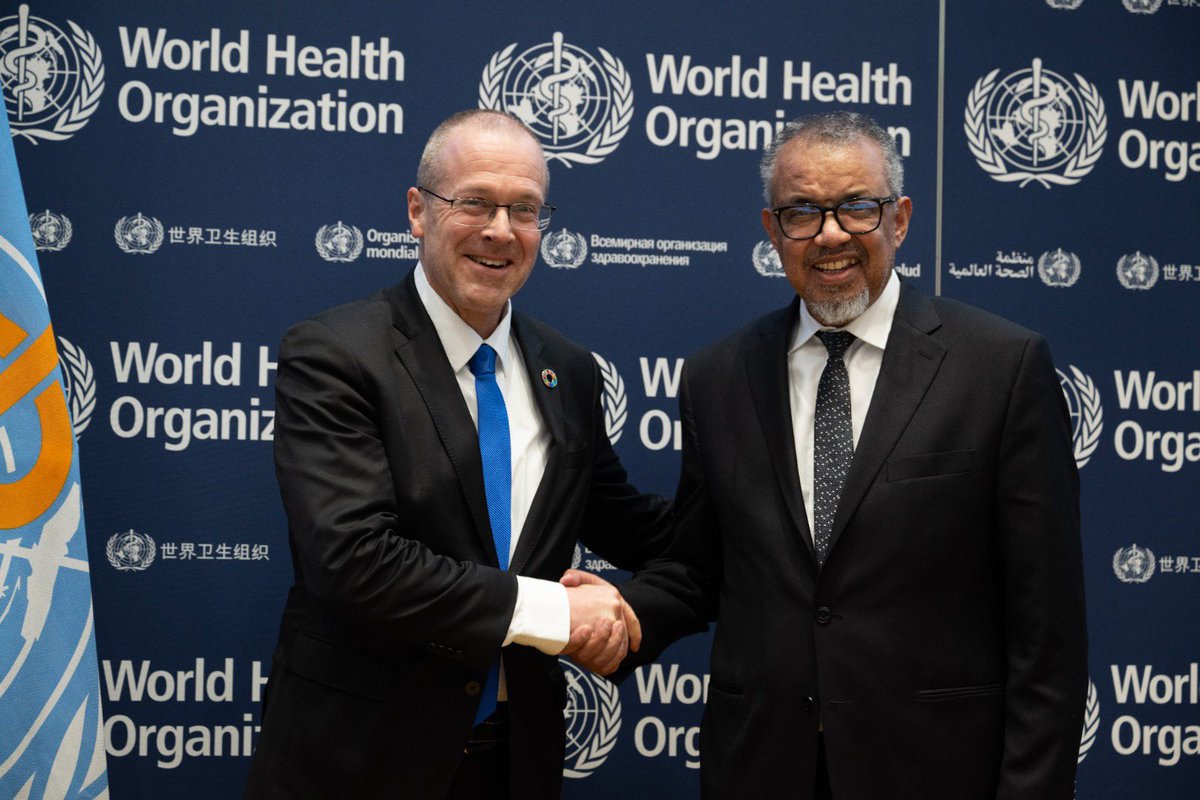
Deeply grateful to HRH Crown Prince and Prime Minister Shaikh Salman bin Hamad Al Khalifa for a very constructive discussion today on @WHO-#Bahrain cooperation towards #HealthForAll, as well as the country’s effort to advance the health system and the health insurance scheme. I thanked HRH for his continued commitment to health.
https://t.co/ydba1SmwGb
Reported for duty in Brazzaville & started my week meeting a determined team of colleagues at @WHOAFRO.
Despite the headwinds, we will push hard everyday for the next few months on our shared vision for a healthier, more resilient Africa. #WHOAFRO.
#FutureReady
Health is not just a social good—it is a pillar of economic stability, political security and global resilience. I spoke at @WHO, Rockefeller and @Seed_Global’s #MSC2025’s panel to outline how investments in @gavi help build a more stable, prosperous and secure world. #forourfuture
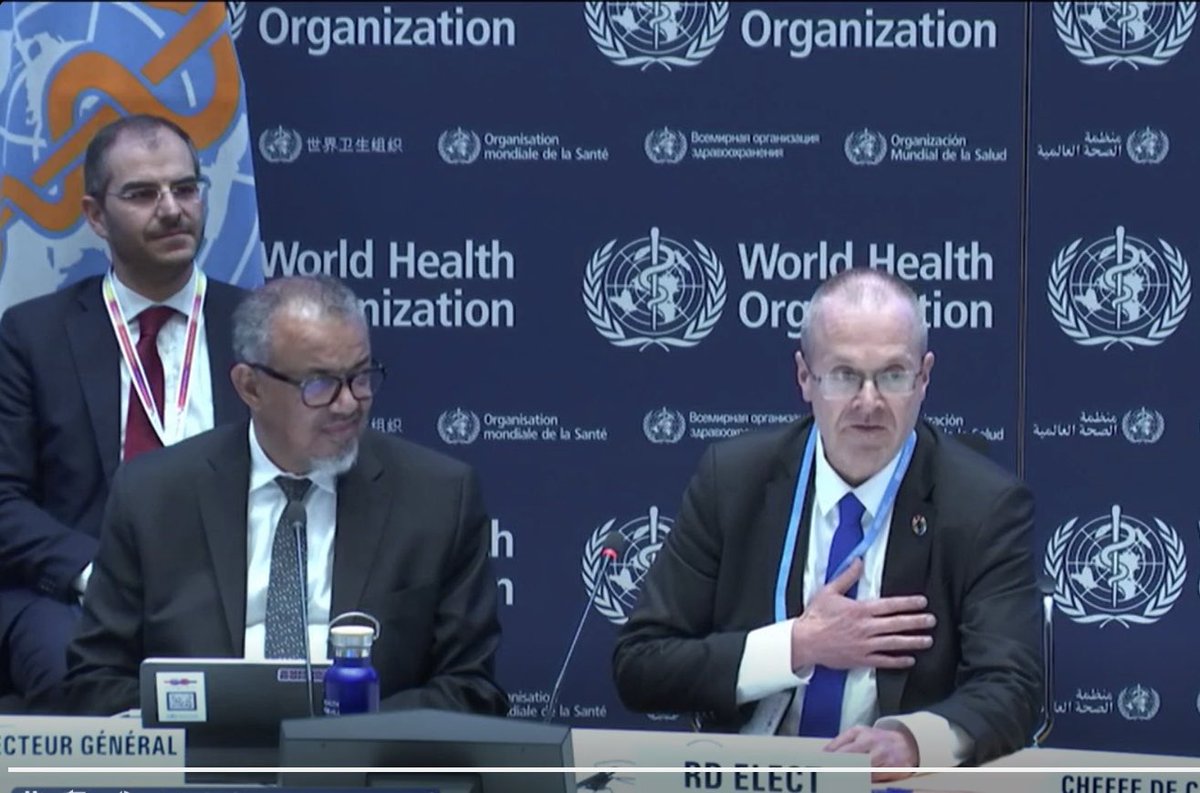
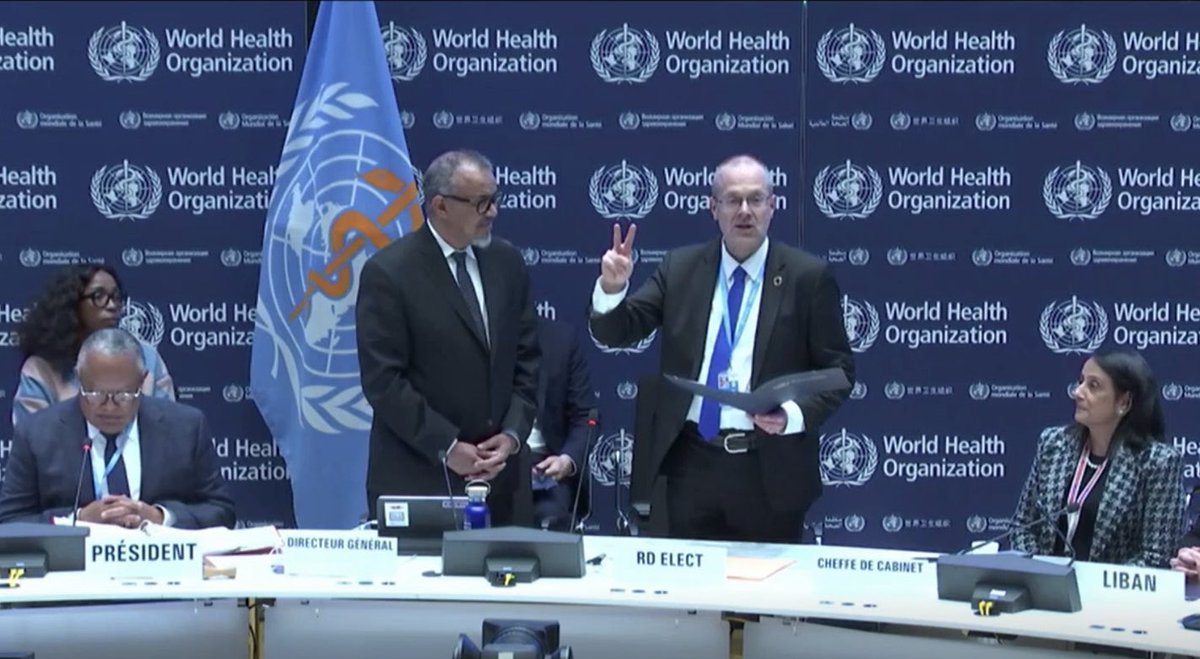
I am deeply honored to begin my 2nd term as @WHO_Europe’s Regional Director, following today’s decision of @WHO’s Executive Board. I warmly thank all the members of the Executive Board for their trust & support 🙏
With humility and a strong sense of responsibility, I take on this mandate – fully committed to working in partnership to advance our shared vision for the region, especially in these times of crisis and uncertainty.
The unanimous support by WHO/Europe Member States is a profound mark of trust. I recognize the high expectations placed upon me and I am ready to meet them head-on – driven by energy, experience and an exceptional team of executive directors. Together, we will build on lessons from the past 5 years, always upholding fairness to our staff – WHO’s greatest asset.
I’ve reaffirmed my commitments, knowing I can count on the support of our Member States - and that of my big brother, @DrTedros, whose guidance has meant so much to me.
Our goal is clear: to ensure @WHO_Europe is future-proofed with the ambitious new European Programme of Work – #EPW2, which we have started co-creating with our Member States.
This means:
✅ Crystal-clear priorities in a financially constrained world
✅ A nimble, adaptive WHO that reinvents itself
✅ Back to the basics: technical excellence and country relevance
✅ Tripling our ambition, leveraging AI & digital tools for efficiency
✅ Political neutrality to strengthen WHO’s normative role, country support & humanitarian aid
✅ A relentless commitment to listening to Member States - and following up with steadfast discipline
This is my pledge as I embark on this new term. Let’s move forward – together – for a healthier & stronger Europe.
#HealthForAll
Grateful for the trust of our DG @DrTedros and deeply honoured to take on the role of Acting @WHO Regional Director @WHOAFRO until May.
It is an honour and privilege to serve our continent.
The Ignaz Semmelweis Institute will open a call for junior PI positions in Vienna/Austria this summer. The focus is infectious diseases research from epi to vaccine development. Email me if you need more information. The official call will come in a few months.
Excited to announce the African STARS Fellowship, one of the largest programs in Africa. In partnership with Mastercard Foundation, Institut Pasteur & Stellenbosch University, initial funding of 165 million rands. Press release https://t.co/xbfSI6DTV9 Launch 15 Jan, Cape Town, SA
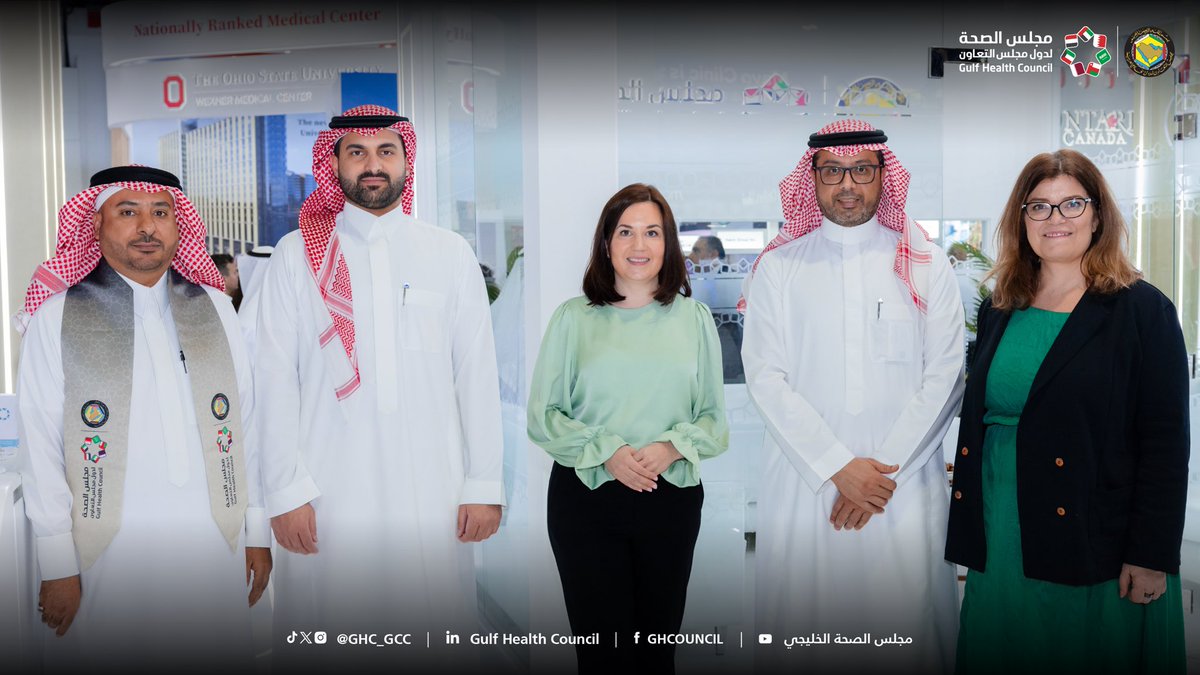
في أجواء احتفائية وتفاعلية، أقام #مجلس_الصحة_الخليجي و #المركز_الخليجي_للوقاية_من_الأمراض_ومكافحتها اللقاء السنوي لمنسوبي المجلس والمركز وجرى استعراض أبرز المنجزات وتكريم المتميزين خلال النصف الثاني من العام 2024، كما تخلل اللقاء عدد من الفعاليات الترفيهية والأنشطة المتنوعة.
Harrison’s Medicine discusses the epidemiology of tetanus in just two paragraphs. The section focuses entirely on the US. It proudly mentions only two neonatal cases since 1989 and devotes several lines to heroin use and skin-popping as adult risk factors.
But curiously, in this section, there is no mention of low- and middle-income countries, where tetanus continues to devastate lives. No reference to the poverty, unsafe cultural practices, lack of access to proper delivery care, gaps in vaccination, or the shortage of well-staffed ICUs that make tetanus a death sentence in these regions.
The irony? The very authors of this textbook have pioneered tetanus research in resource-limited settings. They’ve published several papers in in @TheLancet . They've been praised for bridging critical evidence gaps in tetanus treatment. Yet, they focus on the US, not Southeast Asia or Africa—regions where tetanus still claims countless lives.
Practicing medicine in India while relying on knowledge from Western textbooks—truly an irony.