Elon Musk’s frustration over Starlink’s delayed India entry is not just about competition or Modi or Ambani.
It is also about BILLIONS OF DOLLARS in satellite economics.
Here is the financial math most people are missing.
1. Starlink operates a capital-intensive satellite network. Satellites typically need replacement every 5–7 years. Every month without market access means lost revenue opportunities against massive infrastructure investments.
2. Unused satellite capacity is perishable. When satellites pass over India without paying customers, potential revenue goes unrealised. The infrastructure costs continue regardless.
3. India is a massive financial opportunity. Even 1 million subscribers paying ₹2,000/month would generate ₹2,400 crore in annual revenue. At 5 million subscribers, that becomes ₹12,000 crore annually!
4. India's satellite broadband market is projected to reach $1.9 billion by 2030. Beyond consumers, aviation, maritime, defence and enterprises offer lucrative opportunities.
5. The real battle is about scaling revenue while recovering fixed costs. More paying customers improve the economics of an already deployed constellation.
Now you understand why Musk is getting increasingly impatient.
But there is another side.
India has made its position clear: Starlink, Jio and OneWeb must undergo security assessments and regulatory clearances. No special treatment.
Elon Musk needs India's market.
India does not need to compromise its national security or regulatory sovereignty for Elon Musk.
That is the difference between a billionaire's commercial urgency and a nation's strategic priorities.
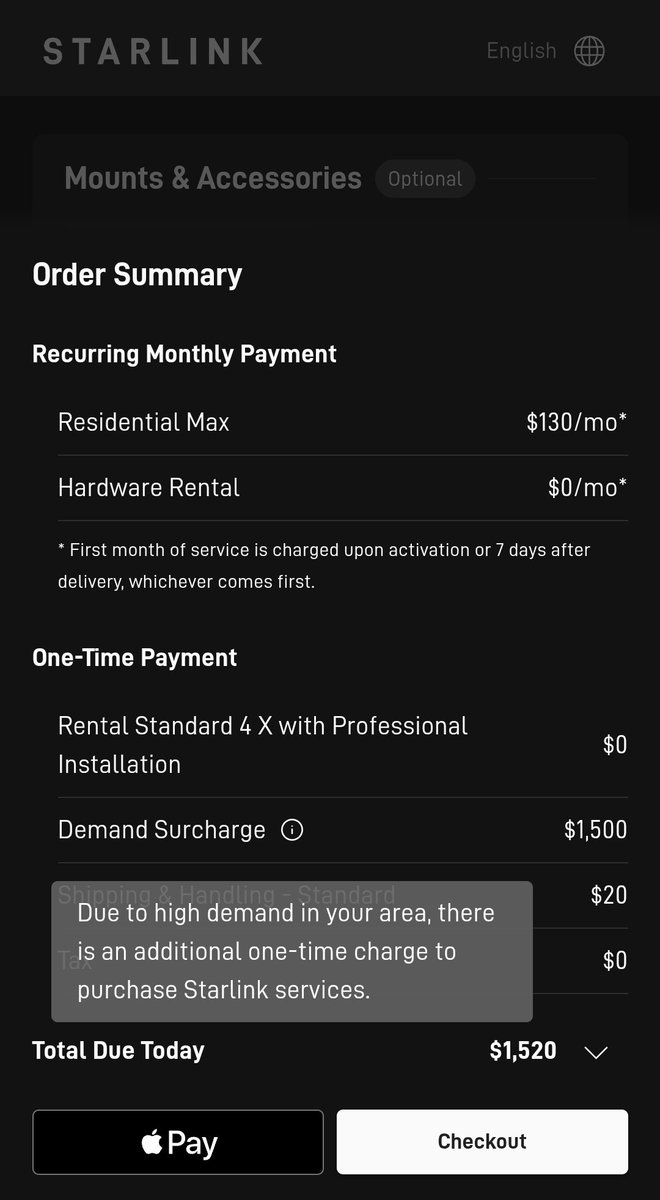
What the F*ck is this @Starlink ? I'm in rural Alaska with only 1 internet provider. My internet is 20mb down and 5mb up. Worse than any other country. Yet you want $1500...
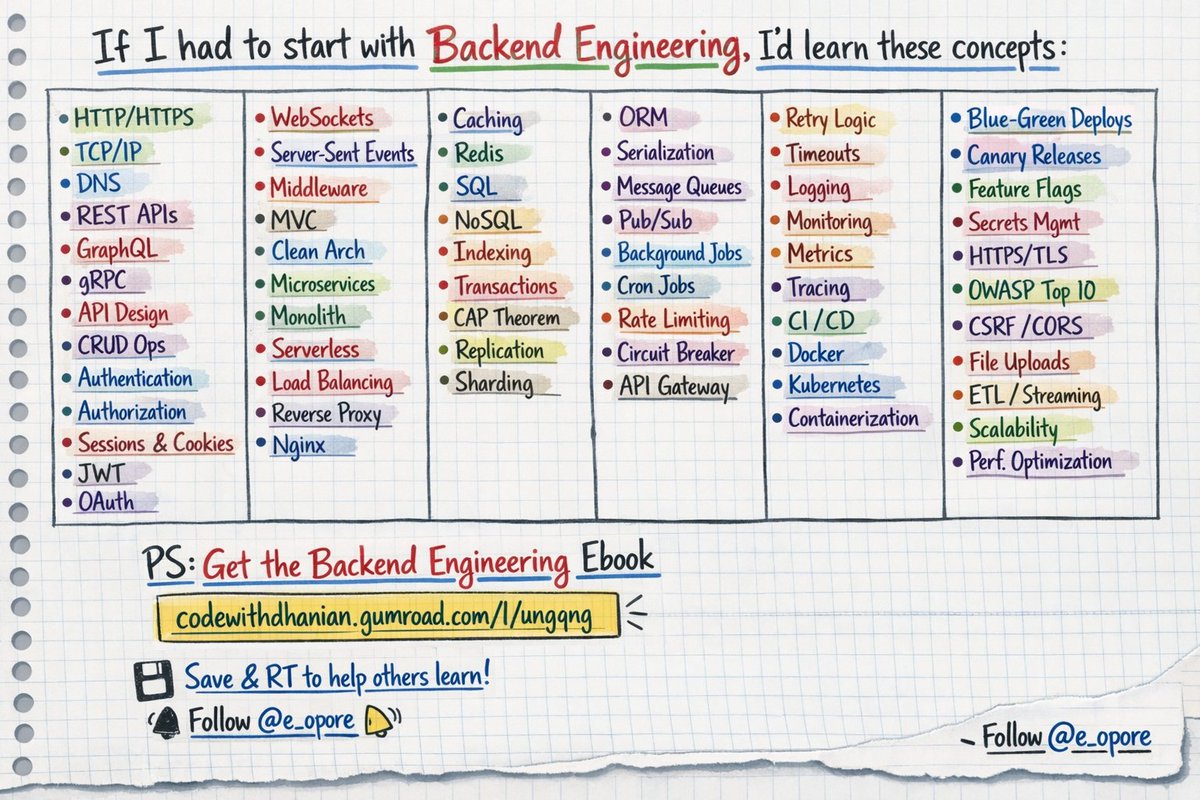
With AI Engineering skills, you actively shape the build: You influence what gets built, and drive the build loop. Here're key skills to do this. https://t.co/sysOYdzuZY
Google Brain founder, Andrew Ng:
"Prompting will be dead in 6 months
Graphs are what's replacing it"
In 2 hours at Stanford, he breaks down why zero-shot prompt engineering has hit a hard ceiling—and how to replace it with autonomous execution graphs
Prompts → Linear Chains → Tool Loops → Directed Graphs → Self-Improving Systems
Single-turn generation collapses under real-world complexity
Instead of tweaking adjectives in a massive prompt template, you wire agents into dynamic graphs that route tasks, audit errors, and refine outputs across iterations
The first 10 minutes give you more foundational systems architecture than most $500 agent courses ever deliver
You probably don't have 2 hours right now
Don't let this vanish from your feed
Watch the lecture first
Then read the step-by-step guide below on how to build a system that improves itself
పవన్ కళ్యాణ్ గారికి తెలంగాణ మీద, తెలంగాణ పాట మీద ఆట మీద ఉన్న ప్రేమ ను కొత్తగా నిరూపించుకోవాలా ?
తెలంగాణ గాయకులను , రైటర్లను ఇప్పుడు కాదు 2001 టైం లోనే ఇంటికి పిలిచి వారిని గౌరవించి వాళ్ళ పాటలను తన సినిమాలో పెట��టుకున్న వ్యక్తి పవన్ కల్యాణ్
#PawanKalyanAneNenu
Amaravati లో ఫౌండేషన్ కోసం తీసిన గుంతలో నీళ్లు చూపించి…
అమరావతి మునిగి పోతుంది అని
శునకానందం పొందారు.
తెలంగాణ సెక్రటేరియట్ దగ్గర flooding ఇలా ఉంది.
అందుకే చెప్పేది
ఆంధ్రా మీద పడి ఏడ్చినంతమాత్రాన
తెలంగాణ బాగు పడదు అని
��ంధ్రమూలాలు ఉన్న వ్యక్తి తెలంగాణకు న్యాయం చేయలేడు. - TPCC చీఫ్ @Bmaheshgoud6666
మీ వెర్షన్ లోనే ఒక ప్రశ్న.
తెలంగాణ రాజ్యసభ సీటుకు ఢిల్లీకి చెందిన అభిషేక్ మను సింఘ్వీ గారిని పంపినప్పుడు తెలంగాణ సెంటిమెంట్ గుర్తుకు రాలేదా?
ఆ స్థానంలో తెలంగాణకు చెందిన నాయకుడికి అవకాశం ఇవ్వవచ్చు కదా?
ఒకవేళ “ఆంధ్రా మూలాలు ఉన్న వ్యక్తి తెలంగాణకు న్యాయం చేయలేడు” అనేది మీ పార్టీ అభిప్రాయం అయితే, తెలంగాణకు చెందని వ్యక్తిని తెలంగాణ ప్రభుత్వం తరుపున రాజ్యసభకు పంపడాన్ని ఎలా సమర్థిస్తారు?
నాయకుడి సామర్థ్యం, ప్రజల కోసం చేసే పని ముఖ్యమా? లేక ఆయన పుట్టిన ప్రాంతమే ముఖ్యమా?
ఒక విషయంలో తెలంగాణ సెంటిమెంట్, మరో విషయంలో రాజకీయ సౌలభ్యం — ఇదేనా కాంగ్రెస్ విధానం?
@INCIndia @revanth_anumula @JSPTelangana
Kubernetes ReplicaSet Lifecycle ✍️☸️
1️⃣ API Server
→ You create a ReplicaSet (replicas = 4)
2️⃣ ReplicaSet Controller
→ Watches the ReplicaSet
→ Creates required Pods
3️⃣ Scheduler
→ Watches for unassigned Pods
→ Selects the best Node
4️⃣ Kubelet (on Node)
→ Watches assigned Pods
→ Pulls container image
→ Starts containers
5️⃣ Containers Running 🚀
→ Pod transitions to Running
6️⃣ Status Update
→ Kubelet updates Pod status
→ API Server stores latest state
🔁 ReplicaSet ensures:
Desired state = Actual state
If a Pod dies?
→ The controller creates a new one automatically.
That’s the lifecycle.
Simple. Clean. Powerful. ☸️
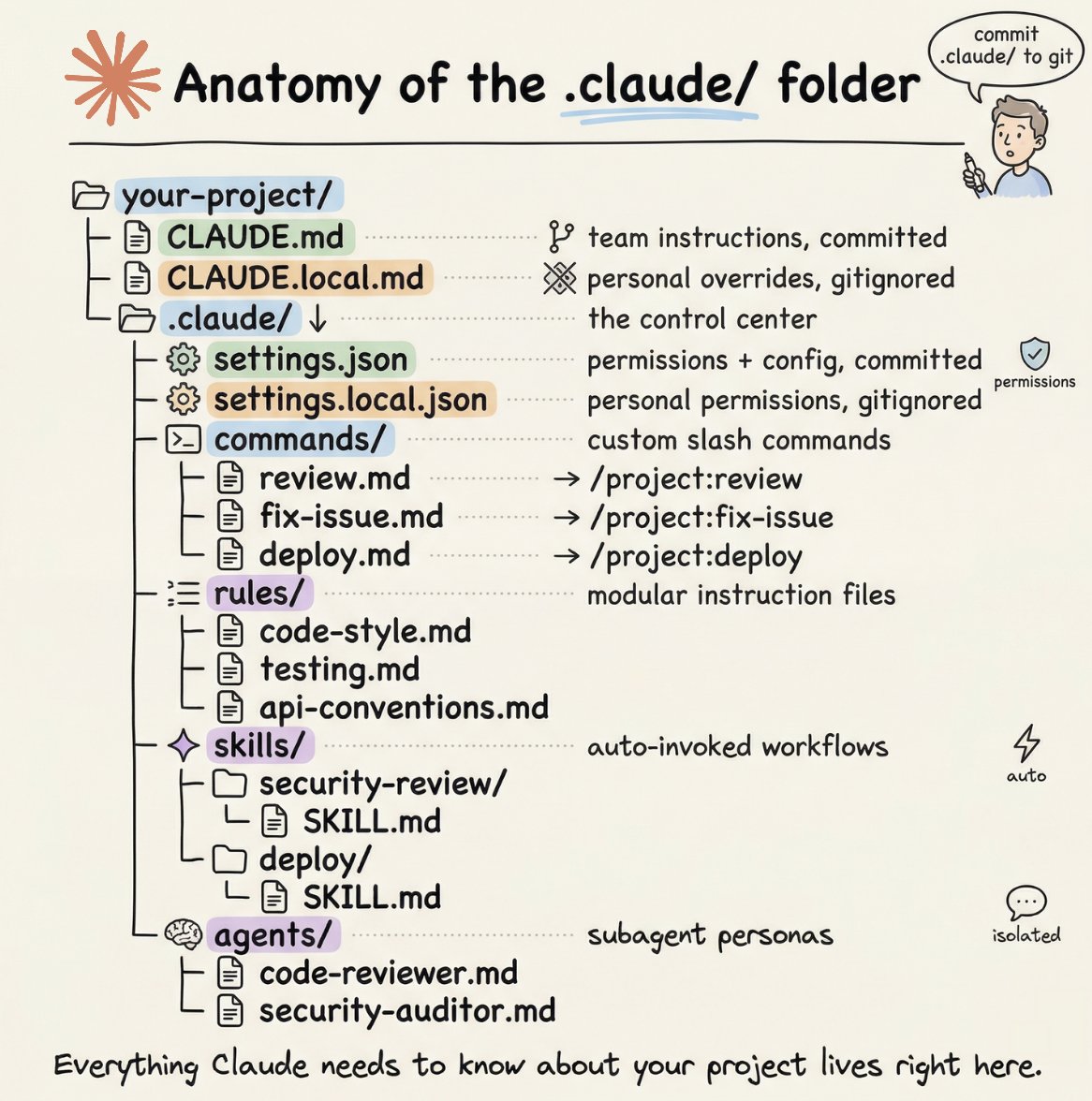
How to setup your Claude code project?
TL;DR
Most developers skip the setup and just start prompting. That's the mistake.
A proper Claude Code project lives inside a .𝗰𝗹��𝘂𝗱𝗲/ folder. Start with 𝗖𝗟𝗔𝗨𝗗𝗘.𝗺𝗱 as Claude's instruction manual. Split it into a 𝗿𝘂𝗹𝗲𝘀/ folder as it grows. Add 𝗰𝗼𝗺𝗺𝗮𝗻𝗱𝘀/ for repeatable workflows, 𝘀𝗸𝗶𝗹𝗹𝘀/ for context-triggered automation, and 𝗮𝗴𝗲𝗻𝘁𝘀/ for isolated subagents. Lock down permissions in 𝘀𝗲𝘁𝘁𝗶𝗻𝗴𝘀.𝗷𝘀𝗼𝗻.
There are two .𝗰𝗹𝗮𝘂𝗱𝗲/ folders: one committed with your repo, one global at ~/.𝗰𝗹𝗮𝘂𝗱𝗲/ for personal preferences and auto-memory across projects.
The .𝗰𝗹𝗮𝘂𝗱𝗲/ folder is infrastructure. Treat it like one.
The article below is a complete guide to 𝗖𝗟𝗔𝗨𝗗𝗘.𝗺𝗱, custom commands, skills, agents, and permissions, and how to set them up properly.