@DanielMiessler I'd build the list of exposed management interfaces from the firewall and load balancer rules rather than the asset inventory, since anything opened up for a vendor's remote support may never have made it into the inventory.
@Wayne I'd keep SOC 2 and fix what it measures. The report covers a sample from the audit window, so it says little about any other week. A standard that earns trust would ask for proof that the controls held on any given day, including at the vendors' own vendors.
@UK_Daniel_Card One check worth adding after the update is the version that's actually running. PHP-FPM keeps serving the old binary until it's restarted, so a host can show as patched in the package list and still be exposed.
@BenBajarin@DiligenceStack Did the survey ask how the extra spend splits between new tools and the people or capacity to act on what those tools find? I'd be curious whether the 51% who expect faster growth are mostly planning for the first or the second.
@Ldataengineer The same split helps at the other end. Whoever marks a finding as fixed shouldn't be the only one confirming it, so a separate check before the ticket closes catches the fixes that didn't actually hold.
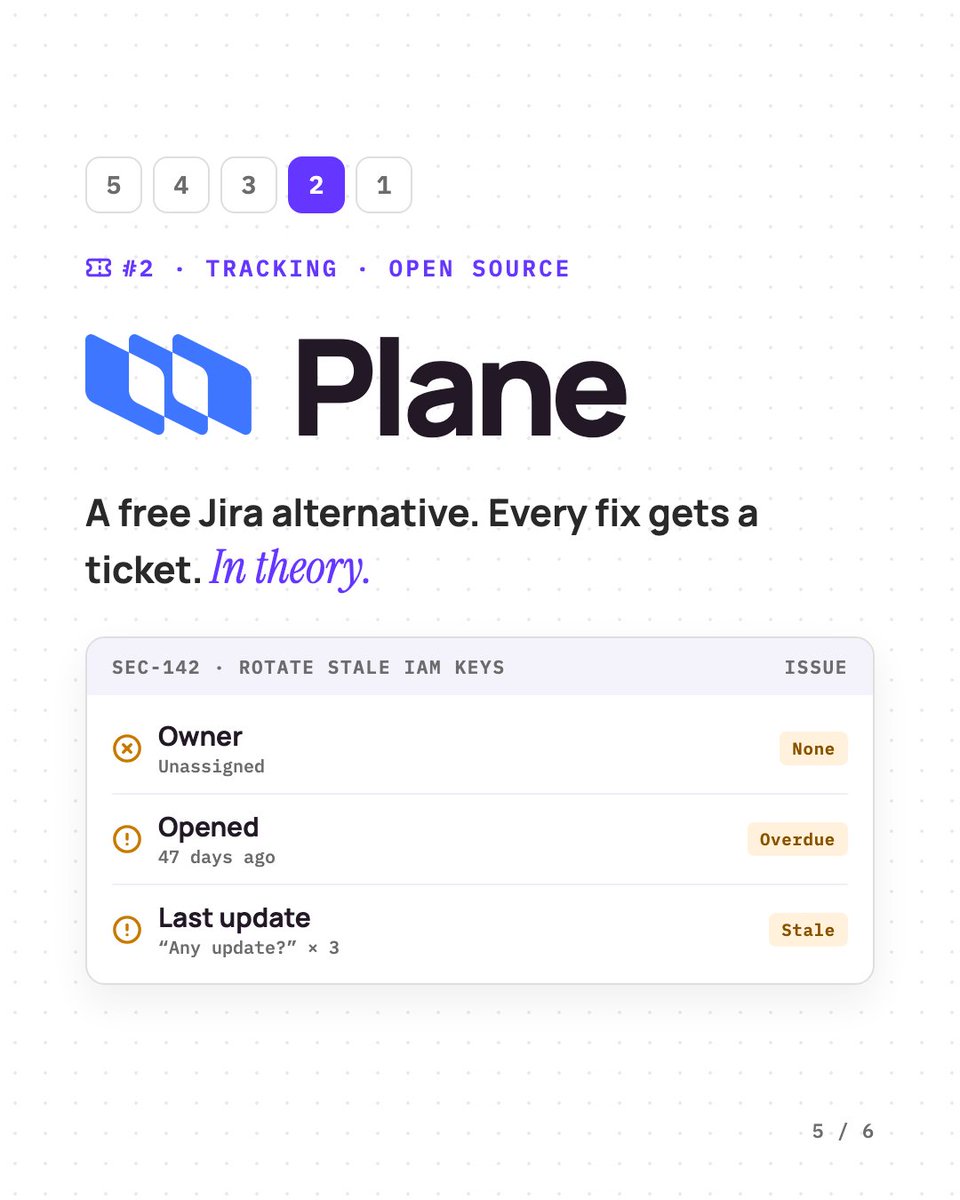
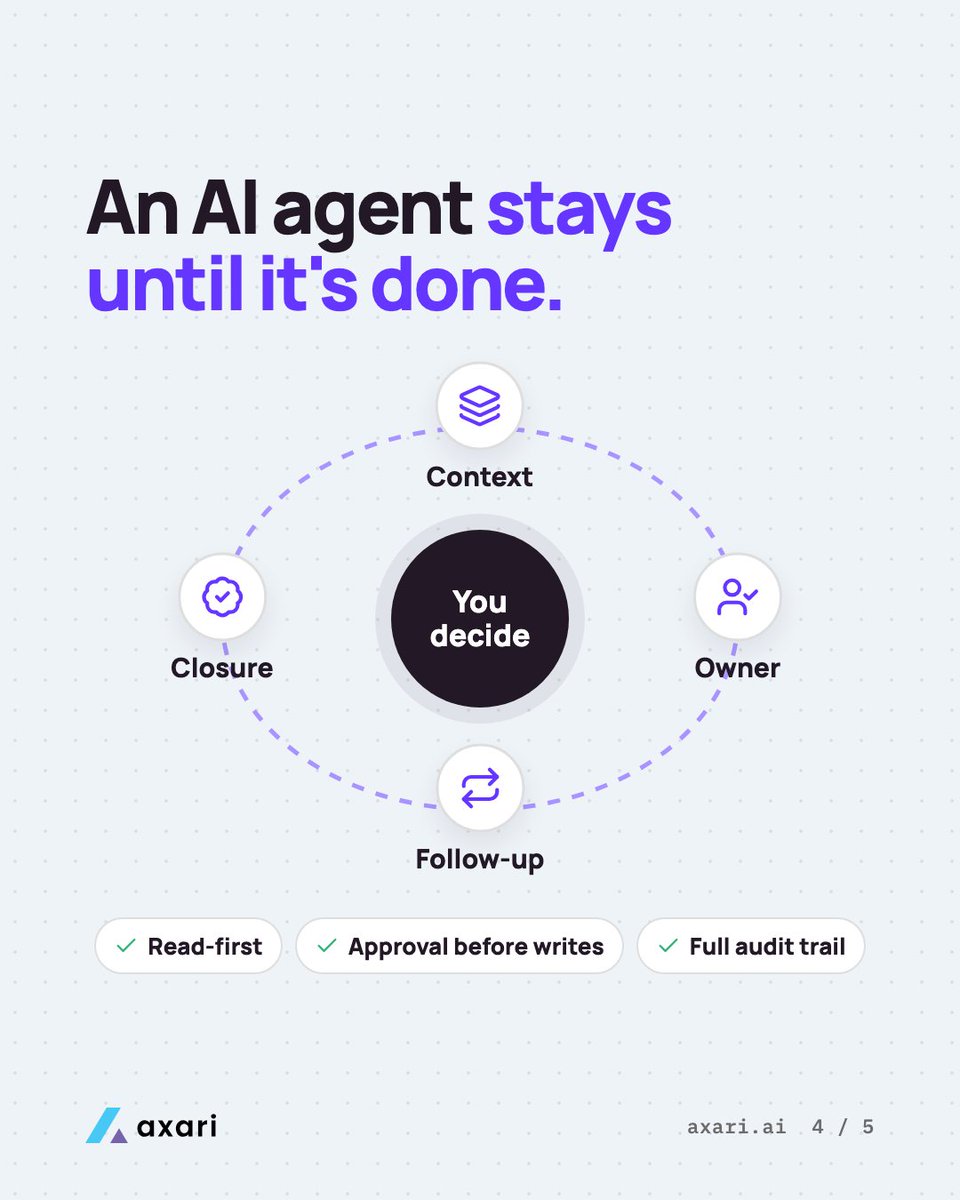
@saxenism For anyone running this across a team's cloud, ask it to put a named owner and a date next to each unresolved issue it logs. Without that, the log tends to become a list nobody opens again.
"We couldn't hire more people; we hired Axari."
Nikhil Sud, CIO at Boyd Corp.
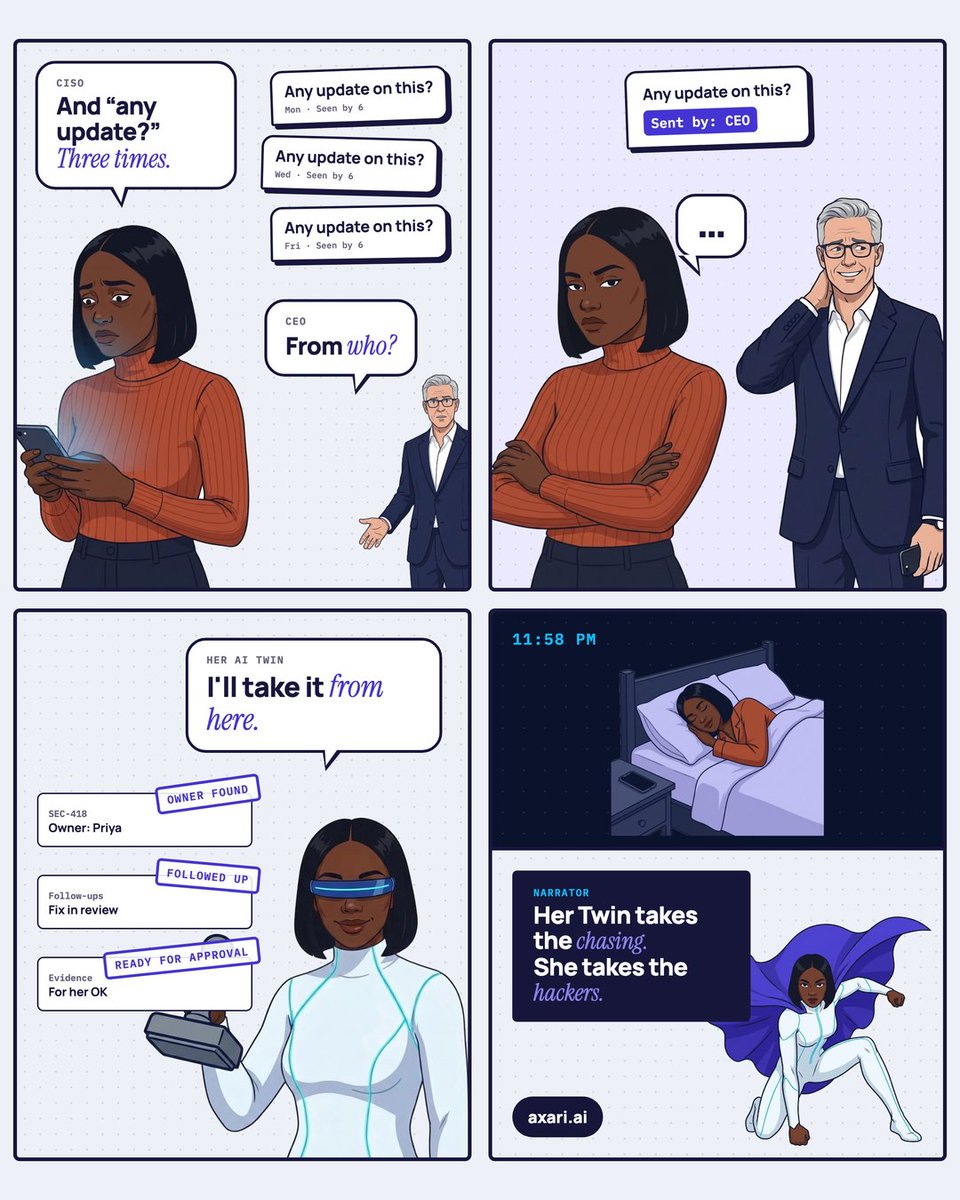
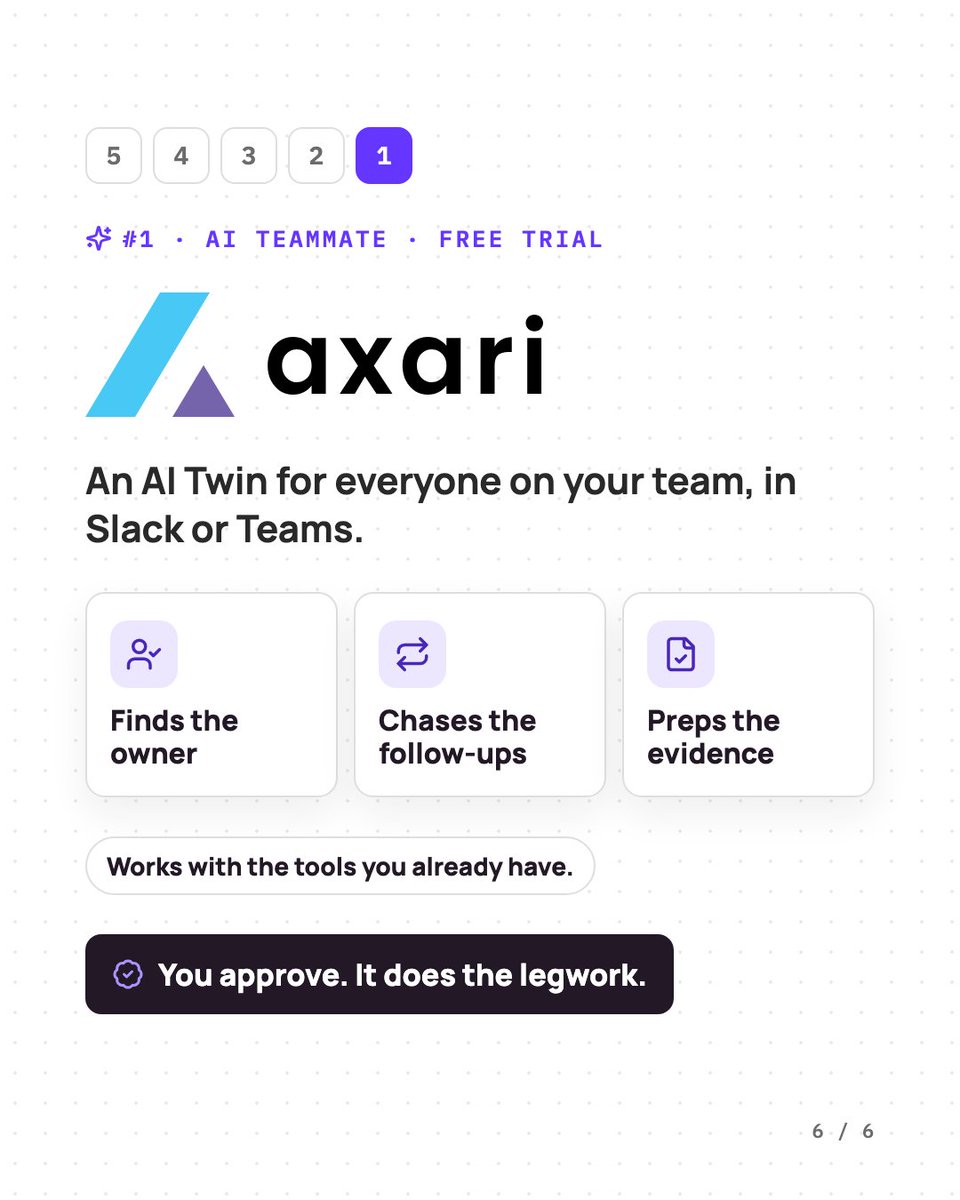
Most security teams can't hire their way out of the backlog. Axari gives every person on the team an AI Twin that finds the owner and chases the follow-ups.
https://t.co/elCgwLyfnz
#CISO #cybersecurity
@a16z A practical use of that window: pick one internet-facing app and time an emergency patch end to end, from the advisory landing to someone confirming the fix is live. Whichever step takes longest is the one to sort out before the next php2shell.
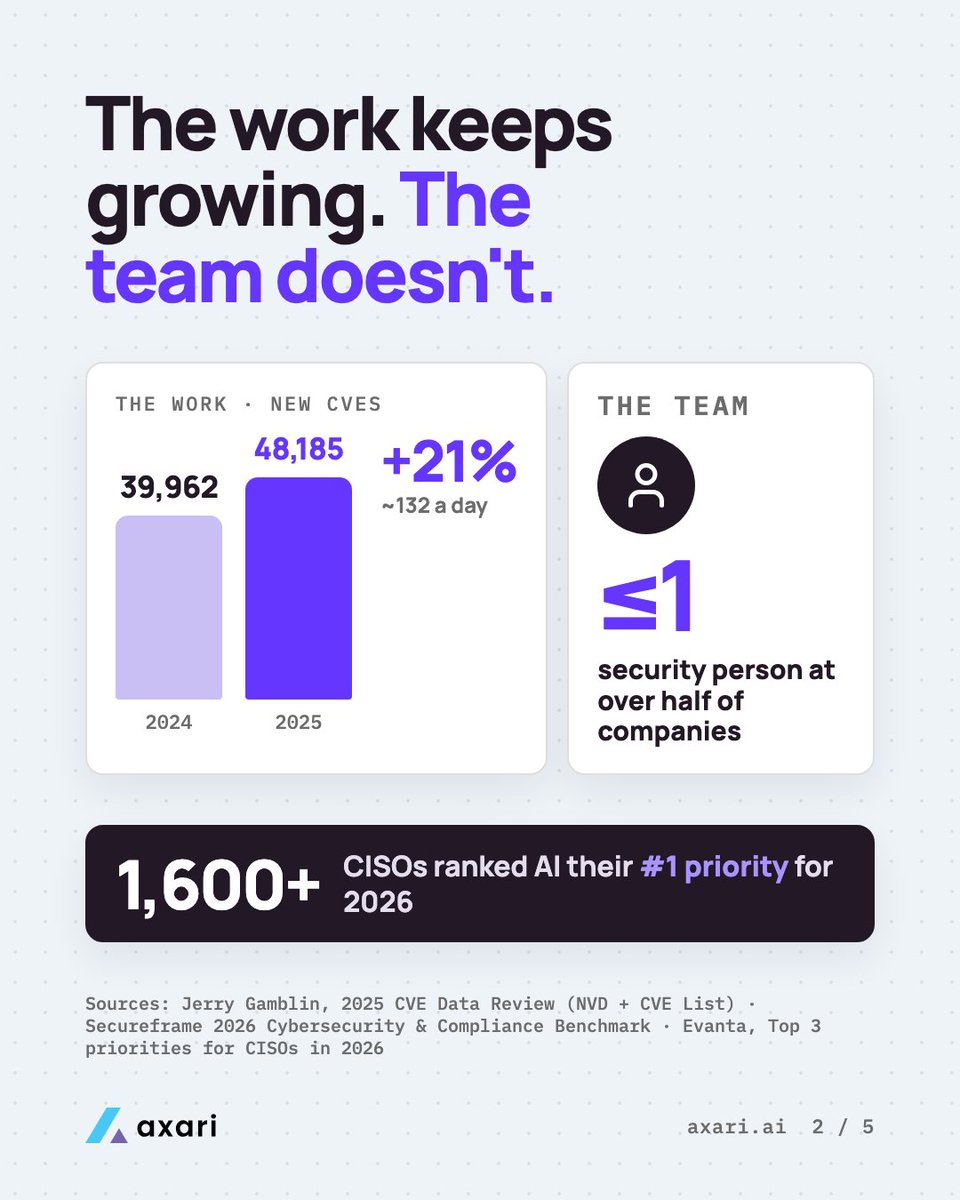
@levie The patching part is where it piles up. As agents find bugs faster, someone still has to work out who owns each system, get a change window and check the fix held. Security leaders I speak with already have more findings than people to close them.
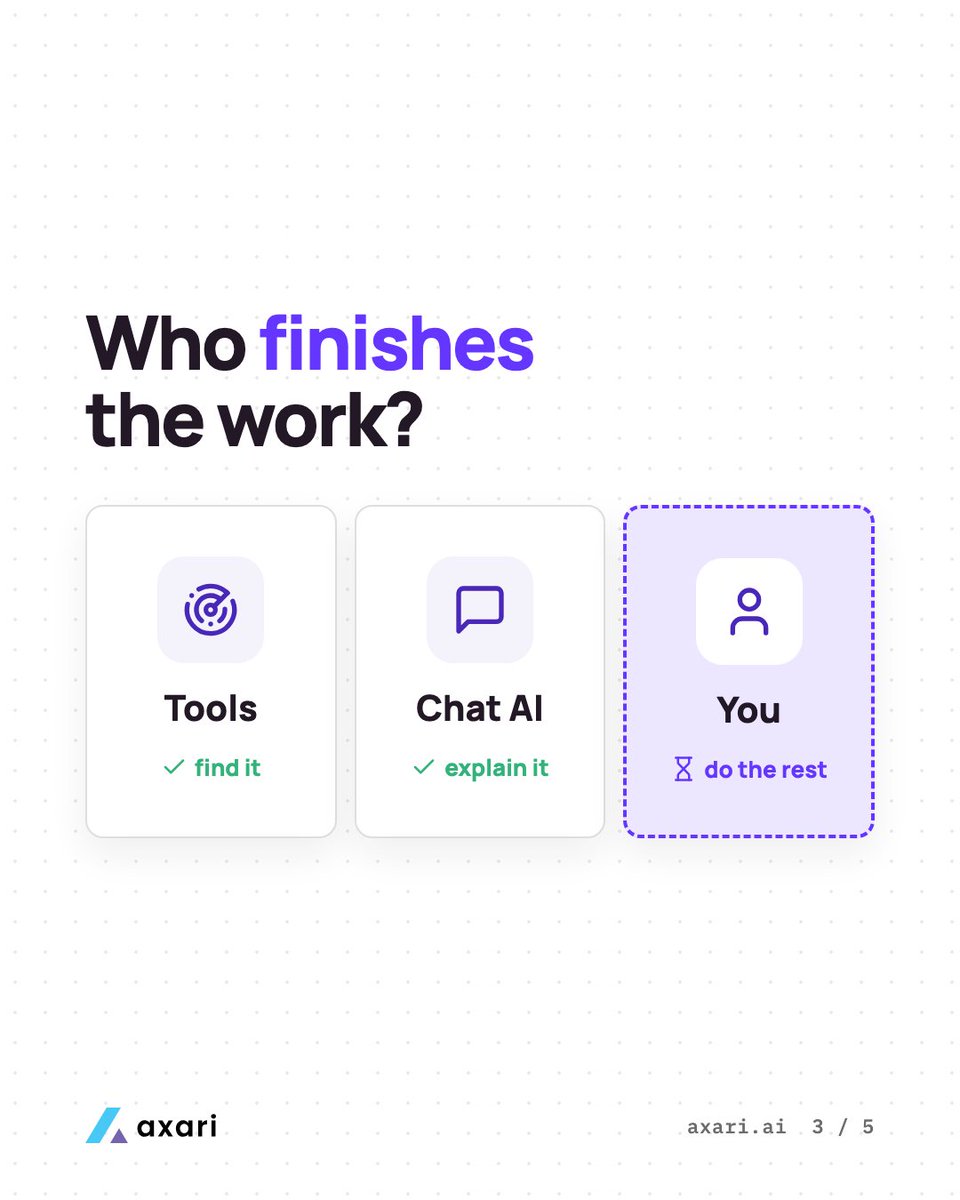
Chat AI helps you think. An AI agent stays with the work: finds the owner, follows up, and brings you in only when judgment is needed.
Try it on one workflow: https://t.co/Tzd9DfTIwW (50,000 credits free for 30 days, no credit card required).
Security teams aren't short on tools. They're short on people to finish what the tools find.
Here's why defenders are moving from AI chat to AI agents, and the guardrails to demand before you let one in. 👇
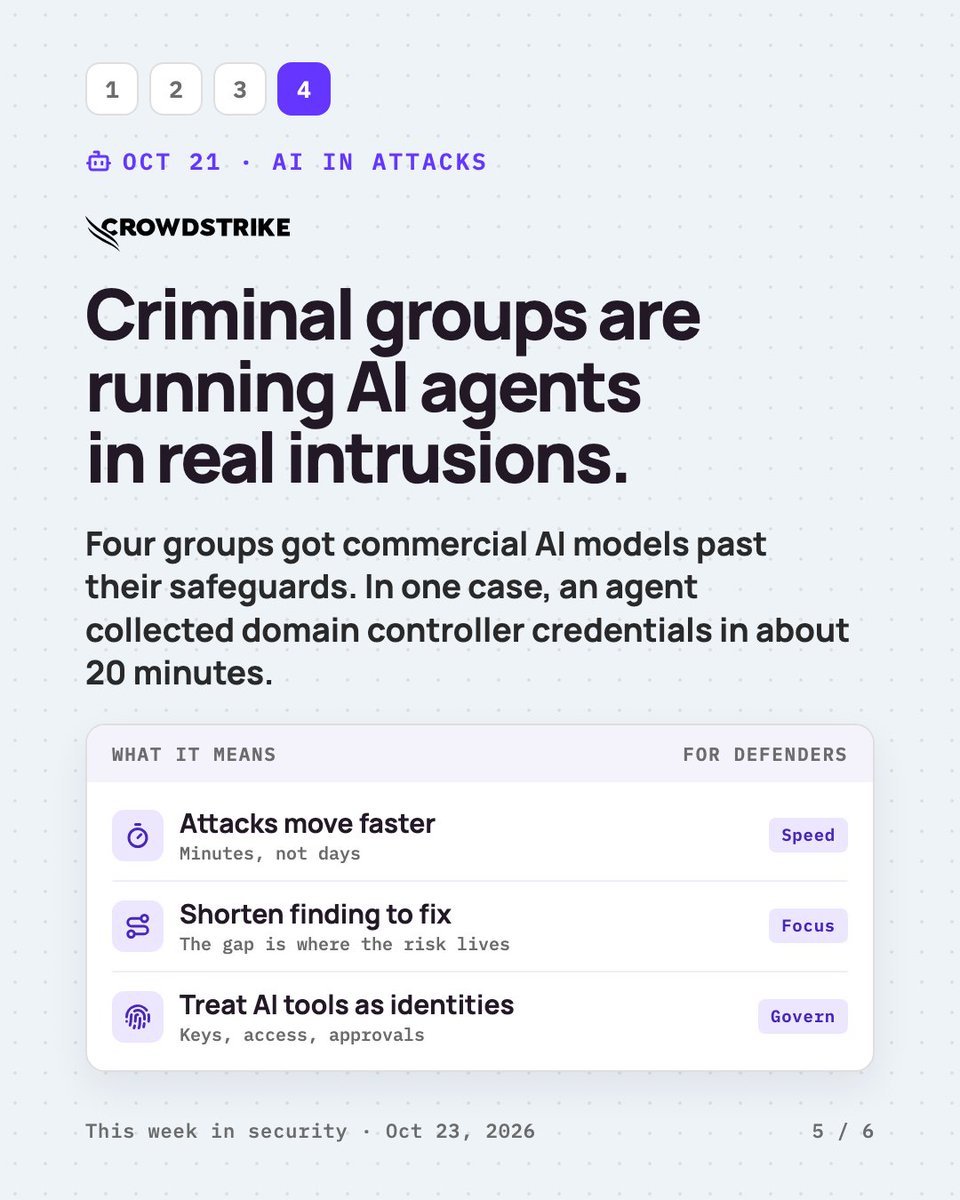
CrowdStrike found criminal groups running AI agents in real intrusions.
The advisories took a day. The fixes take weeks.
Axari helps you get there faster. https://t.co/Tzd9DfTIwW
@ZackKorman Finding them took a scan. Fixing them means tracking down who owns each server, getting a maintenance window, patching, then checking again that the old PHP version is really gone. An owner name on every asset record makes that week a lot shorter.
@techspence A lot of those basics have no owner. Nobody on today's team created the old test accounts, so nobody feels they're theirs to remove. Sending each system owner a list of accounts unused for 90 days, with a keep-or-delete date, catches a lot of them.