Even as Delhi pollution has hogged national headlines, #Odisha is not far behind with rapid deterioration of air quality, and PM 2.5 and other toxic pollutants surging to alarming levels | @Sud_TNIE reports
@NewIndianXpress@santwana99@Siba_TNIE
https://t.co/B7fKpa3syN
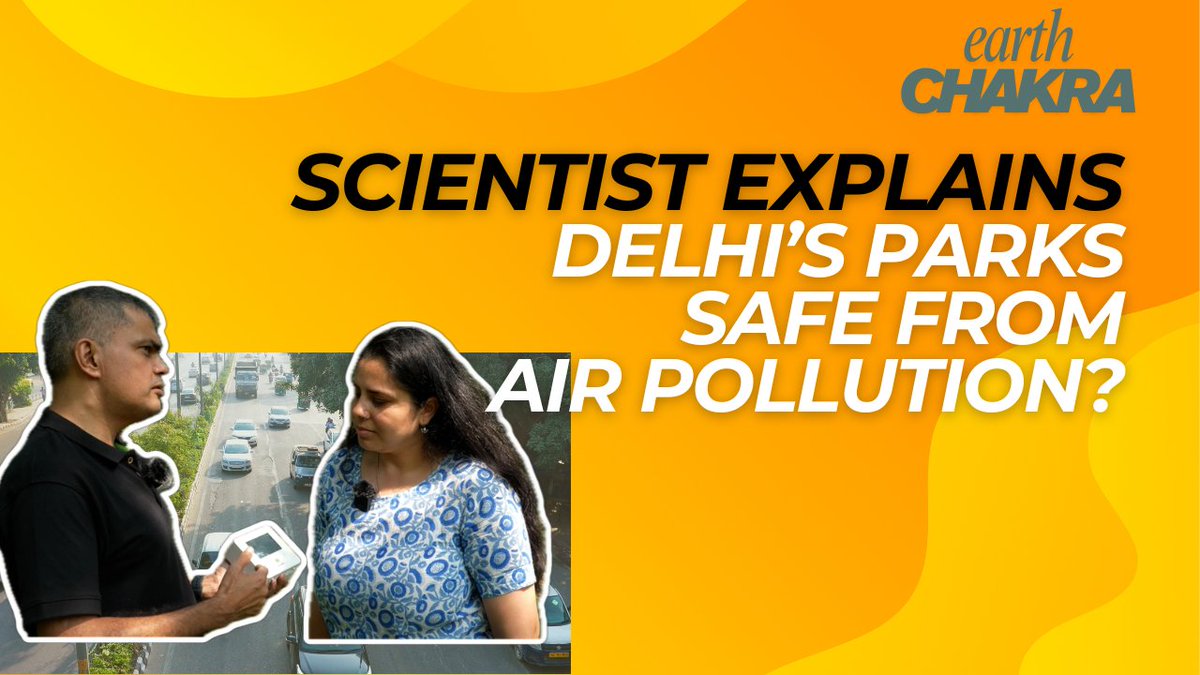
Are Delhi's parks safe for walking in this high #airpollution? A top air quality scientist went there with a monitor, and explained what not to do.
@pallavipnt
Inside Delhi’s Air Pollution: What a Scientist’s Monitor Revealed https://t.co/dTXiWXhfDm via @YouTube
Policy Making vs Implementation: Is the Indian Government Doing Enough? | Ft. @preettyprada | Best In Odisha
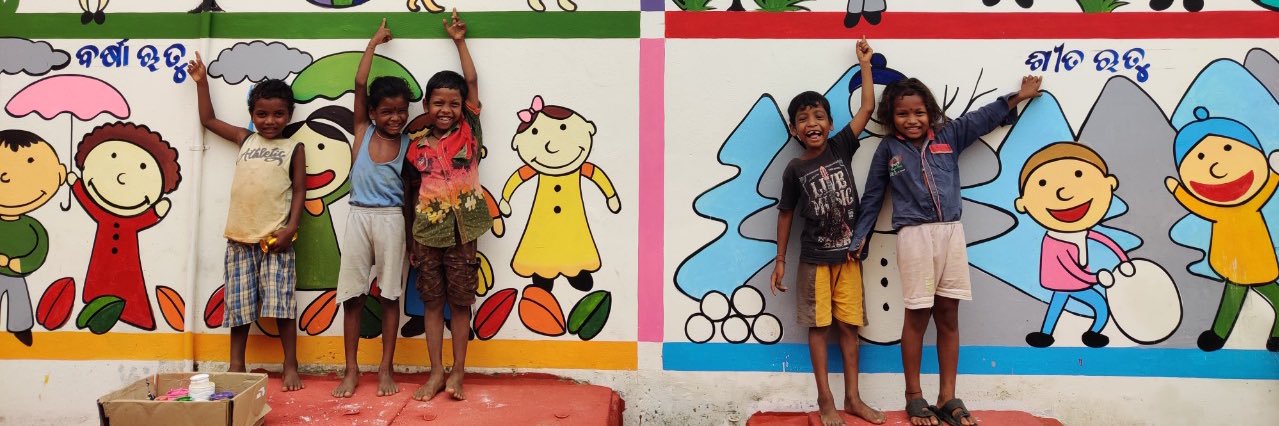
🎙️ In this powerful episode, Preeti Prada Panigrahi sheds light on the unheard stories and hidden strength within Odisha’s slums. From harsh realities to rising hopes, she shares her firsthand experiences working closely with slum communities — tackling issues like education, mindset, poverty, and dignity.
Watch the full episode on Best in Odisha now!
🎥 https://t.co/zPjYbUBI70
#bestinodisha #odishapodcast #PreetiPradaPanigrahy #groundreality #urbanpoverty #socialimpact #odishapodcast #slumtransformation #womenchangemakers #indialove #india #indiangovernment #policy #policymaking #geography #indiadiversity #odiareels #odiavideo #odiagirl #odishagram #odisha
As for the sprinklers….,
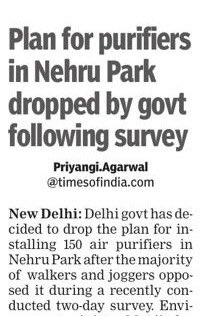
“These devices, which spray fine water droplets meant to trap dust and pollutants, can be useful in certain dust heavy zones and may bring some short term relief. However, their effectiveness is limited, especially when it comes to PM2.5, the tiny particles that pose the greatest health risks. Studies, such as those from IIT Delhi, indicate that water based dust suppression has marginal impact on fine particulate matter (PM2.5), which is Delhi’s primary health hazard. Moreover, scaling up this solution citywide could strain Delhi’s already limited water supply and increase energy use, raising questions about sustainability. Without comprehensive data from the Lodhi Road pilot, such as reductions in AQI or PM levels, the scalability of this measure remains questionable. What is needed is a broader, long term strategy, including stronger emission controls, strict enforcement of laws, public transport improvements & regional cooperation. True progress demands not just visible efforts, but deep, systemic change.” @BhavreenMK
https://t.co/yqmpFVWhvS via @priyangiTOI@TOIIndiaNews
Delhi-NCR kids are losing 30–40 school days a year to heat & pollution. The new normal is anxiety, illness & isolation.
Watch this powerful documentary with #WarriorMoms @Vandan@VandanaNarang10@preettyprada sharing on how climate change is reshaping childhood in India and @AnoushkaRajesh@TheQuint ⬇️
A dust laden day like this is a warning signal. It calls for serious introspection on impacts of deforestation, unregulated construction & excessive concretisation. Sustainable urban planning, strict enforcement of regulations & ecological restoration is the need of the hour!
“The cement around the base of a tree causes the tree to fall. It blocks water and air from reaching the roots and prevents the trunk from expanding,” said Verhaen Khanna, @NDNS_HQ a Delhi-based environmentalist. “During monsoon, tree trunks need to expand due to increased moisture, but cement chokes them. The roots weaken, making the tree lose balance. If digging nearby cuts roots, the risk of collapse increases," He also criticised civic bodies for rushing to cut and remove fallen trees instead of attempting to revive them. "Authorities have the resources to save these trees but lack the will. With a bit of friendly persuasion and example-setting, officials can be convinced — and success rates are high when they act,” he said.
Green activist @BhavreenMK blamed years of negligence for the ecocide. “One of the primary causes is the rampant concretisation around tree bases, which restricts vital feeder root growth and weakens anchorage. Construction-related soil compaction, repeated digging, and aging root systems worsen the problem,” she said.
Kandhari also highlighted that a 2013 order by the National Green Tribunal had directed all authorities to remove concrete from one metre radius around trees, a directive that remains poorly enforced.
“Unless the government integrates tree health into its urban planning and enforces existing regulations, these incidents will only rise,” she warned.
https://t.co/VAWpzYrUSC via @htTweets@PTI_News
Delhi’s ‘streetscaping’ model turned into a green disaster, trees damaged, roots exposed, concrete choking trunks. All that came with it was court stays, vandalism and poor upkeep.
BJP govt shelves Phase 2. Instead will work on repairing stretches and improving road design;
Welcome move💙
@gupta_rekha@mssirsa@PrinSciAdvGoI
https://t.co/2oPsAJhFJd via @snehilsinha27@htTweets
Top officers & all is fine but waste workers are the real ‘managers’ of SWM; no one knows ground reality better than them. Why are they being sidelined? Private contractors are failing repeatedly.
Important to empower the frontline, not the profiteers!
@gupta_rekha@mssirsa
Happy Holi. It’s 40 degrees outside.
Holi is celebrated to normally bid good bye to winter and welcome spring season. Vasant Ritu. That’s why the use of colours. Flowering plants and trees Burst into Bloom, This season. There is no real spring left during Holi anymore. It’s already summer.
Pune temperature has already risen by 5 degrees on average since the past decade..
I expect it will rise by another 5 degrees due to the following.
A. Covering of 15% of the cities land mass with concrete roads.
B. Building density with higher FSI. UDCPR.
C. RFD & Tekdi roads and tunnels.
D. Killing of large canopy trees.
E. Serious non plantation, reforestation, afforestation of fresh forest and thus creation of drought like circumstances within city limits.
This year Pune may breach 46 and temperatures could go upto as high as 47 / 48 degrees centigrade. If there’s heat wave like conditions in the north and south of India it “temperatures” might hit 50 degrees Celsius too.
For every degree rise in average temperatures rainfall will rise by 7% which means Pune will experience short bursts of huge storms which could increase Pune’s total rainfall by anywhere from 35-70%.
This is because we have totally unnecessary urban development models which base themselves on deforestation and desertification of Pune being thrust upon us.
@vineet_mausam can you give us total number of days temperature was above 40 degrees every year from 2020 onwards for Pune @IMDWeather also rainfall precipitation on average per year and How many days of 100 mm plus rain., @SVYadwadkar@gurudasn
#Noida: Fire broke out again in dumping yard of City Center in Sector 32. Fire breaks out here repeatedly each year. Why’s there a dumping ground here again after the fire? Are the sick, elderly & children in a dozen nearby sectors facing breathing problems? Intentional?
@WMNoida
'Segregation Of Waste At Source Vital': Supreme Court Seeks Affidavits From NCR States On Compliance With Solid Waste Management Rules |@DebbyJain#SupremeCourt
https://t.co/gqU2TiEYSF