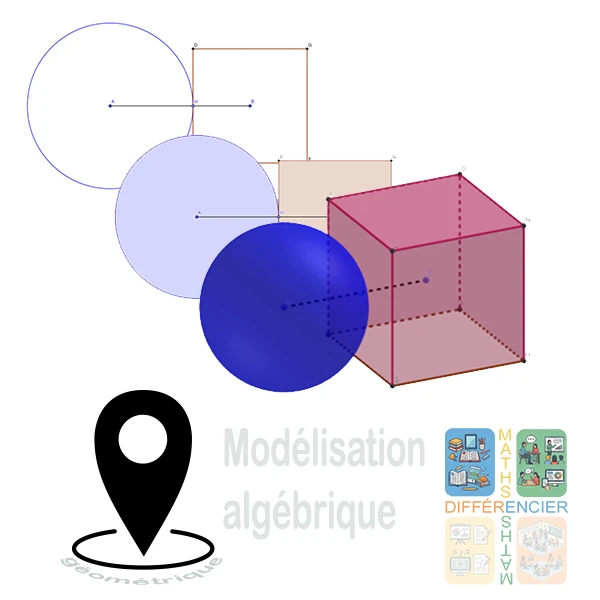
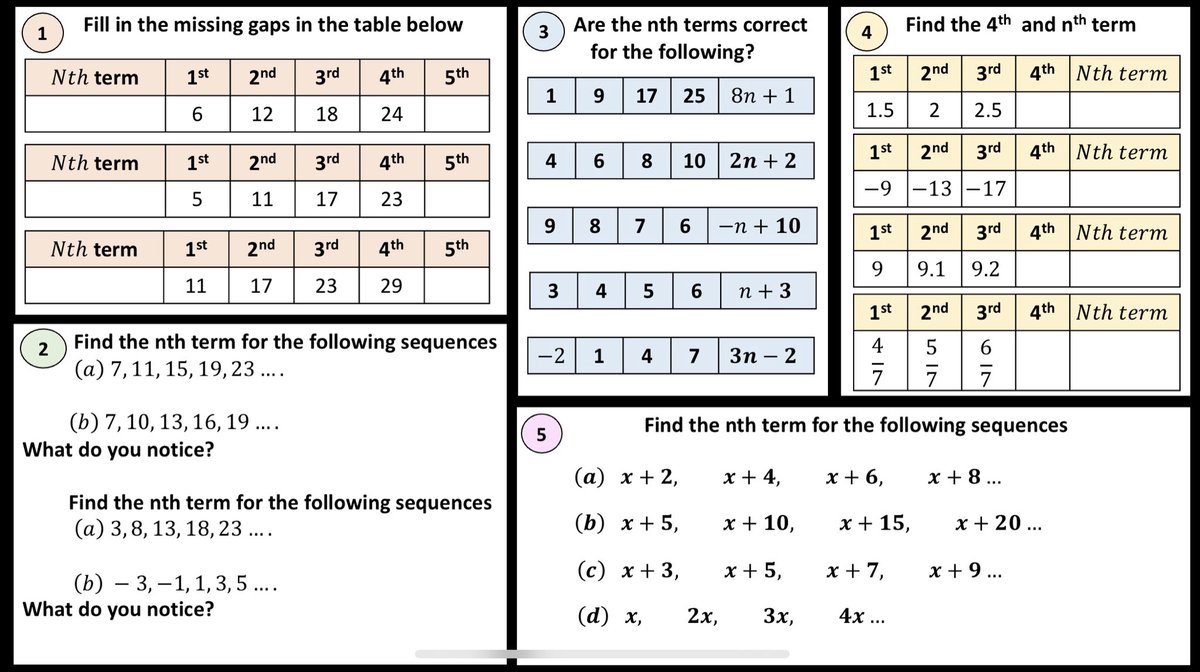
https://t.co/kgY440Q9a6 Recherche de lieux géométriques
Comment aider les élèves à aller vers une modélisation algébrique autonome des problèmes de géométrie ?
#traam@acnantes
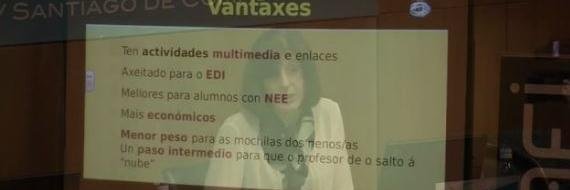
Qué pasou coa conta de youtube da Fundación TIC de @SdeAudiovisuais Os links dos vídeos que tiñamos nos materiais didácticos xa non funcionan. Estabamos a facer a difusión do patrimonio de Lugo e agora temos que eliminalos, unha magoa!
📊✨ Engage your students in data science with CODAP—now with new materials from Bootstrap! 🚀
Bootstrap: Data Literacy CODAP is a flexible data literacy curriculum for grades 7–9. 🧠📈
https://t.co/yzflcP4hHh
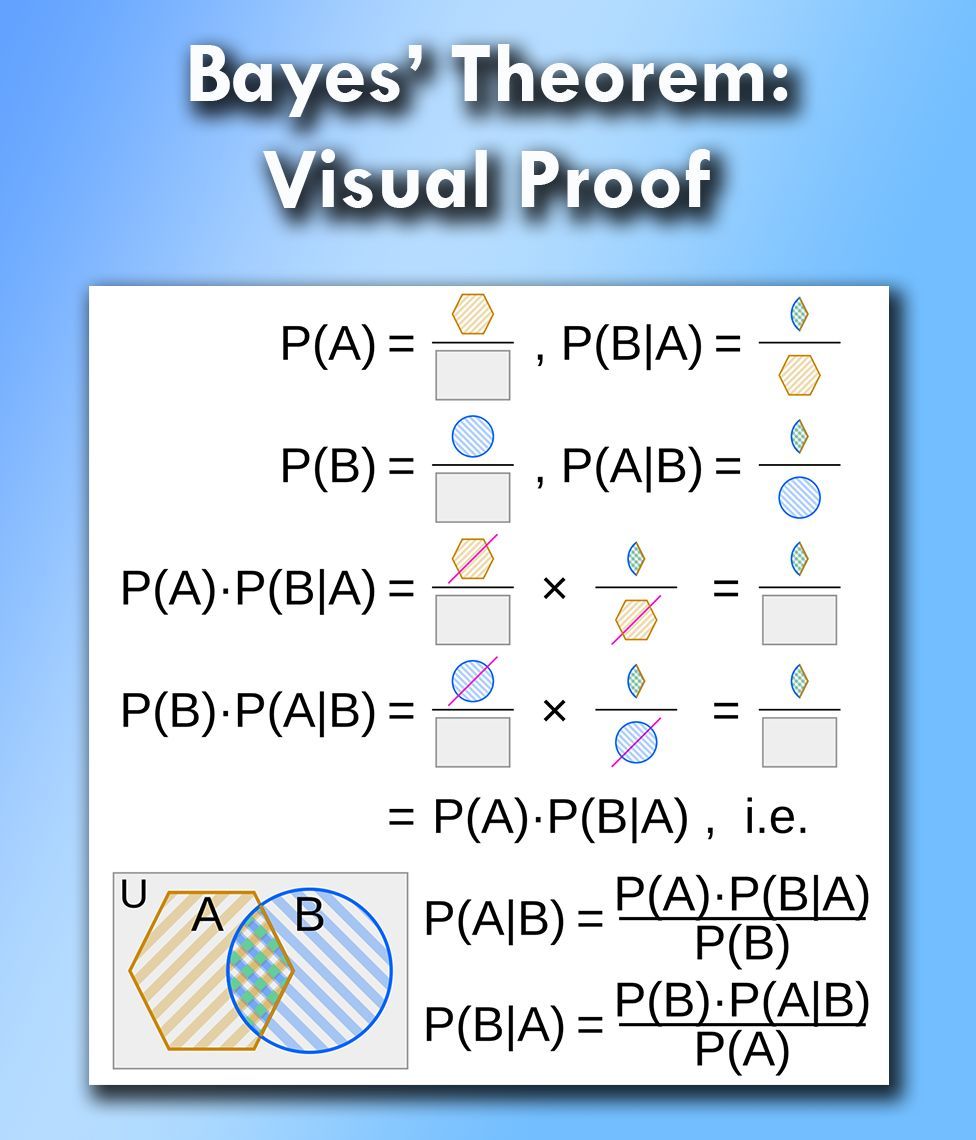
Bayes' theorem, a key concept in probability theory, is crucial for making informed decisions in uncertain situations. It allows us to update our beliefs based on new evidence.
This theorem mathematically describes the probability of an event, based on prior knowledge of conditions that might be related to the event. For instance, in a medical diagnosis, Bayes' theorem helps in calculating the likelihood of a disease given the symptoms and prior prevalence rates.
Challenges:
❌ Misinterpretation: Without a proper grasp of Bayes' theorem, there's a risk of misinterpreting data and making faulty conclusions.
❌ Overlooking Prior Knowledge: Ignoring prior probabilities can lead to biased results and poor decision-making.
❌ Computational Complexity: The calculations can become complex, especially with large data sets, requiring sophisticated tools and techniques.
Opportunities:
✔️ Improved Decision-Making: By applying Bayes' theorem, you can make better predictions and decisions in various fields like medicine, finance, and data science.
✔️ Enhanced Predictive Modeling: It helps in refining models to predict future outcomes more accurately.
✔️ Informed Risk Assessment: Understanding the probabilities involved can lead to more effective risk management strategies.
Practical Application:
🔹 R: Utilize the bayesrules and BayesFactor packages for applying Bayesian analysis and hypothesis testing efficiently.
🔹 Python: Use the PyMC3 library for probabilistic programming and SciPy for statistical computations involving Bayes' theorem.
The visualization in this post is based on an image from Wikipedia (link: https://t.co/ezujr1qIyH) which shows the conceptual proof of Bayes' theorem, demonstrating how prior and new evidence combine to form updated probabilities.
To explain this topic in further detail, I collaborated with Micha Gengenbach to create a comprehensive tutorial.
Learn more: https://t.co/jQNQtB5x7C
#Python3 #Data #datastructure #rstudioglobal #RStats #programming #DataAnalytics #Python
El II Congreso Internacional de GeoGebra se celebró en la Universidad de Coimbra, del 23 al 25 de octubre de 2025.
Los directos emitidos ya están disponibles en https://t.co/HgcrEMNclh
https://t.co/JkgI0Q0wCj
En @SIMOEDU_ constatamos o interese que xera o modelo de educación dixital galego
En 2026 seremos a primeira comunidade cunha lei neste eido e poñeremos en marcha #EdugalIA, mellorando a xestión con intelixencia artificial
Disto e moito máis falamos no stand da @Xunta en Madrid
Gracias a todos los que están ayudando en la extinción de incendios, gracias a los que están informando de forma veraz y gracias a los que dan mensajes de ánimo. ¡Gracias!
#AxentesAmbientais@Xunta da Unidade de Investigación de Incendios Forestais (#UIFO) identifican ó presunto autor de varios lumes no Concello de Ourense.
A investigación d@s Axentes que empregou drons para a vixilancia, fixo posible esta detención coa colaboración da @policia
En Monforte la electricidad ha llegado a las 4:34 AM. Seguimos con muchas preguntas sobre lo que ha ocurrido, la primera es por qué nunca se ha informado a la ciudadanía de que esto podría pasar y sobre cómo actuar. Ahora el 0 tiene más significados...
⚠️ ¡Atención!
¡El día de hoy presenta una discontinuidad en el tiempo! 🕒
Por favor, asegúrense de llevar el espacio topológico adecuado antes de salir esta noche.