@aherne_danny @JKPBooks Just want to say this is a FABULOUS book!!! Easy to read, not too much on one page, pictures & images help explain things, bits of important info in grey boxes, key takeaways at chapter end, etc. Borrowed from library but am going to buy my own copy. SO valuable & validating! 🙏🏼
“Are we having starters?”
“You have one if you want one”
“I don’t know, what do you think?”
“Honestly whatever you fancy”
“I’m easy really”
“You have one, go on”
“What would you have?”
“I’m not sure”
“We could share one?”
“Erm…”
“Or have one each?”
“Could do. What do you think?”
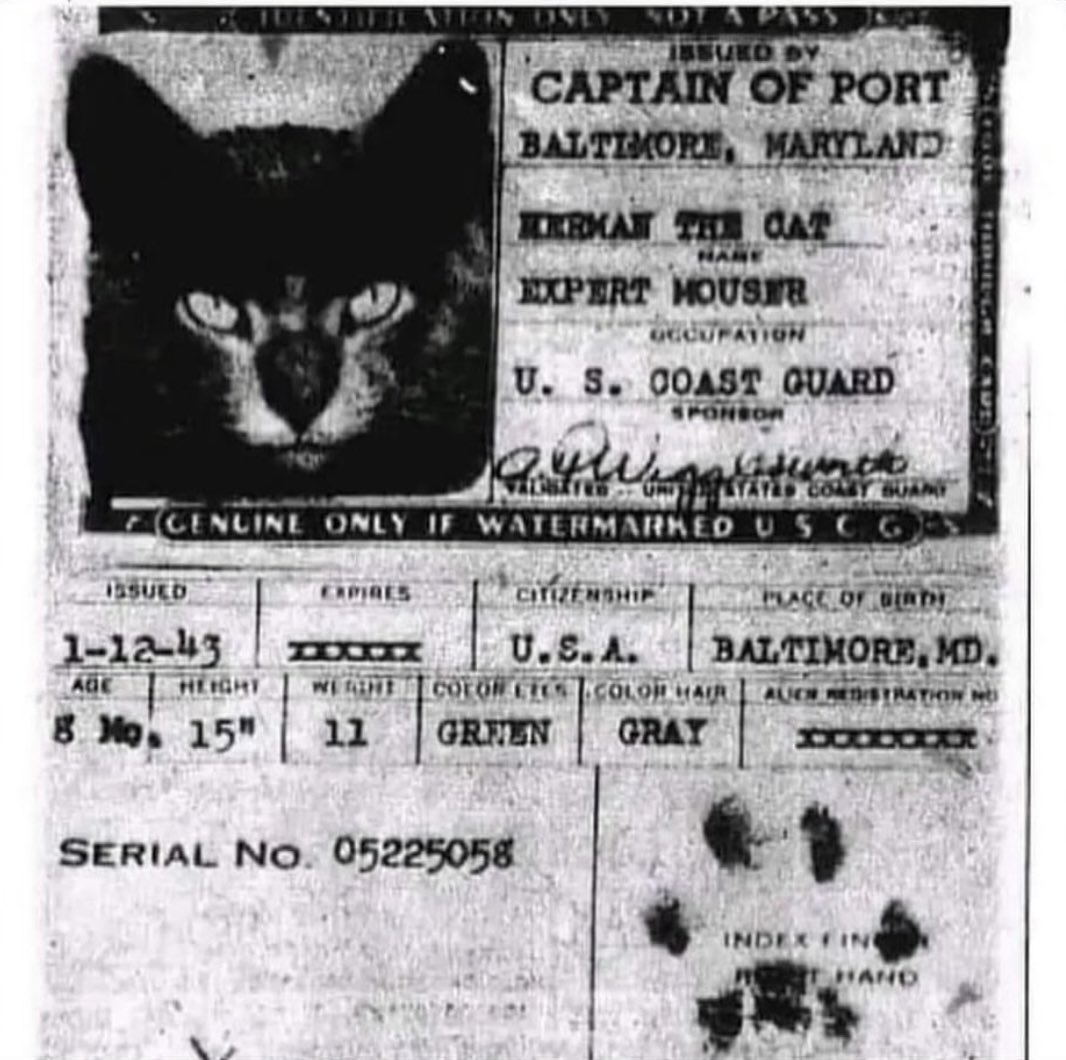
During the mid-20th century, cats played an important role on ships as skilled rodent catchers. Sailors realized that having cats aboard helped control the population of rats and mice, which were notorious for damaging supplies and spreading diseases. These ship cats became valued members of the crew and were even given passports to acknowledge their contribution and ensure their safety during international travels.
The passports for ship cats were a unique and lighthearted tradition. While they didn't serve any legal or official purpose, they were created to recognize the cats' role and provide a form of identification. The passports typically consisted of a small booklet with pages that included the cat's name, description, and an area for their paw print.
When it was time to depart or dock in a foreign port, the ship's captain or crew members would present the cat's passport to the authorities as a fun way to document the feline's presence onboard. The cat's paw print, obtained using ink or paint, was added to the designated page, providing a personalized and whimsical touch to the document. This practice not only amused the sailors but also showcased the camaraderie they shared with their feline companions.
While these ship cat passports were not legally recognized, they symbolized the close bond between humans and their feline shipmates. They served as a reminder of the cats' essential role in maintaining a clean and rodent-free ship, thus safeguarding the crew's provisions and health during long sea voyages.
However, as the mid-20th century progressed and maritime practices evolved, the reliance on ship cats diminished with the advent of more effective pest control methods. With the decline in the need for ship cats, the tradition of issuing passports gradually faded away. Nevertheless, the memory of these seafaring felines and their unique passports continues to fascinate and entertain those interested in maritime history and the unique relationships forged between humans and animals at sea.
Caroline Lucas, "Water companies had no debt when privatised. They have since borrowed £52 billion and paid £72 billion in dividends. Meanwhile we have a sewage scandal. Privatisation of water was a serious mistake and it needs to be permanently rectified."
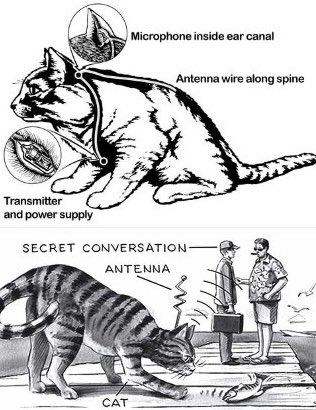
This was a CIA project that was commenced in the 1960s to spy on Russia. They chose a cat for the job, but what they didn’t put into consideration is the fact that cats are hard to train. The cat’s job was to eavesdrop on two men in a park outside the Soviet embassy in Washington, D.C.
The cat was wired up by a veterinary surgeon who implanted a microphone into the ear canal, a small radio transmitter at the base of the skull, and a battery buried in the flesh. It was a complex project that took five years to complete and consumed a whopping $20 million.
The project was closed in 1967 because the cat couldn’t obey directives. They initially believed they could train the cat but they were wrong.
UK water companies have managed to rack up combined debts of an eye-watering £65 billion. What on earth have they done with all that dosh? Certainly not repair massive water leaks or stop sewage polluting rivers and beaches. Even the absurd dividends they’ve been paying themselves can’t account for it. Perhaps Ofwat could explain, if it wasn’t in their pocket (clear example of what is known as regulatory capture).
The importance of context, collaboration and shared experiences to grow a region - from @janeerobinson97 Newcastle University PVC Engagement and Place ncee #entrepreneurial#leadership program, Module 3 Coventry University London https://t.co/6MB6ZdXMYW
Strategies, challenges and opportunities explored by James Rolfe Anglia Ruskin University starting the day ncee #Entrepreneurial#Leadership module 3 warmly hosted by Coventry University London https://t.co/8ZNNscawds
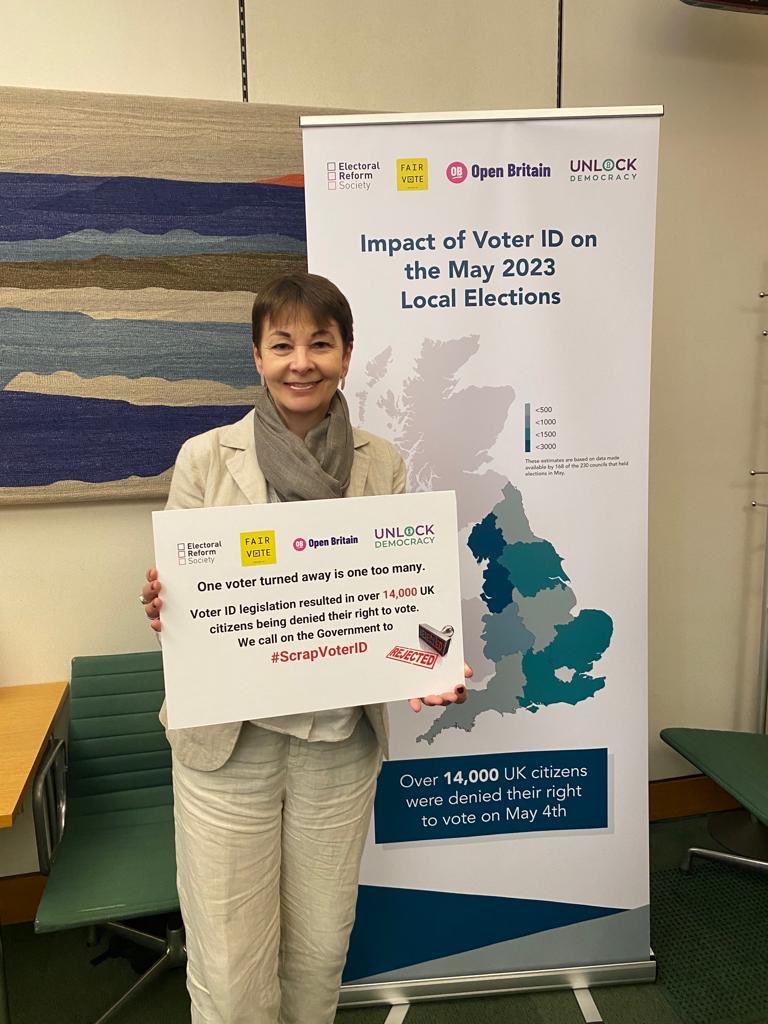
A staggering 14,000 people were denied their right to vote in May local elections because of Govt’s #VoterSuppressionBill. These voter ID rules tackle a non-existent problem - disenfranchising the most vulnerable & damaging our democracy in the process. This Bill must be ditched.
Enjoying discussions on university growth Coventry University London with Socrates Karidis - first session of module 3 ncee #entrepreneurial#leadership programme https://t.co/kkty5FzBwI