Project SOLVE is a creative problem solving curriculum. Systems Oriented Learning Vision & Engagement. Chats at #SolveCHAT#medtwitter Maintained by @rjmdphily
Hey Solvers! Not sure how to get to the Jefferson Health Design Vault for 7am skills session tomorrow? See the video guide below! Come on in, get some coffee, sign in and grab some @projsolve swag. Then find a table with some people you DON’T KNOW! 😳😳😳🤗🤗🤗 🎉 🎉 🎉
Have repurposed SOLVE cohort 2 residents to think about covid response. Mission: provide excellent care to covid confirmed or rule out patients while protecting other patients and staff from exposure. Here are some HMWs. @TJUHospital@sklasko
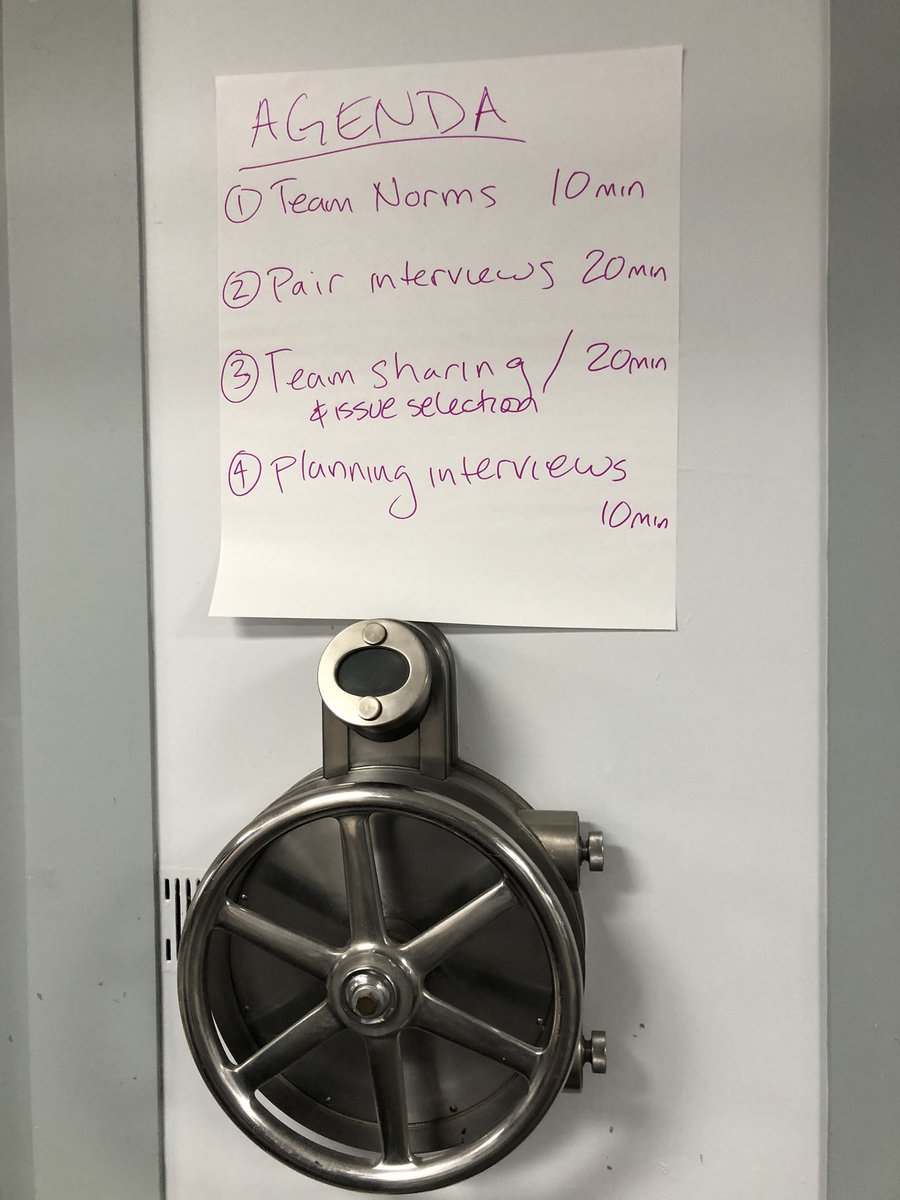
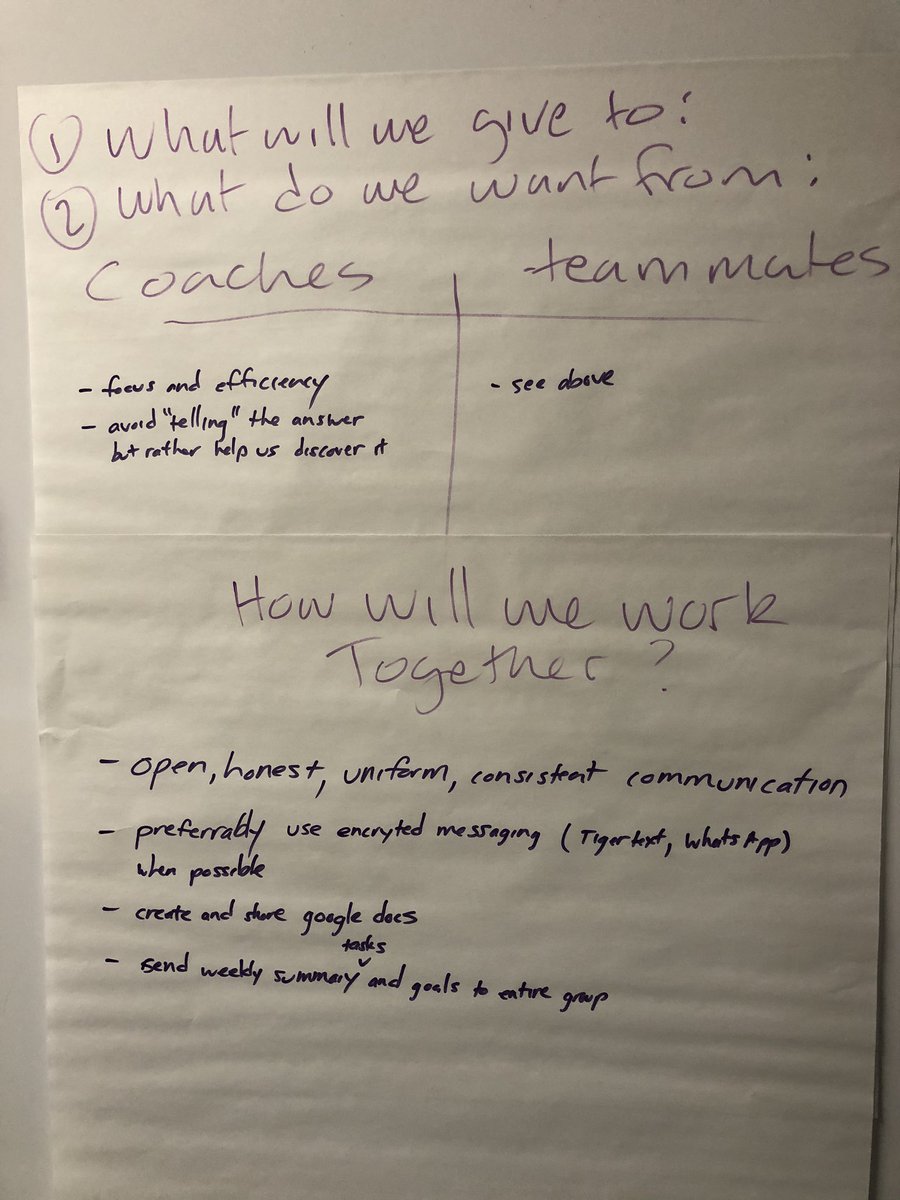
Project SOLVE residents getting started with their challenge! Today they picked themes - all three teams are looking at transitions in care and team/team communication! Great #patientsafety topic!
Excited for SOLVE challenge sessions to start tomorrow! Design vault 7am for cohort 1 residents. Come with your Solve notebooks and thoughts from the last few months - first step - picking an area of focus with your team.
@projsolve skills sessions start this wednesday! Swag for solvers just arrived. Goal of notebooks: analogue effort to give interns a place to write down insights, ideas, observed problems impacting patient safety in the weeks between skills sessions and the solve challenge!
@RJmdphilly @AlanJCard @projsolve As a PhD, I have come to appreciate IRBs. They dont have to be barriers, IRBs have helped me improve methodology and outcomes.
@IReallyAmJimmyP There is in general a lot of misunderstanding out there. Providers feel QI is too “metric-y” and technical. Researchers feel it isn’t rigorous enough. IRBs don’t see why it might be different from clinical research. #solvechat
@MShah24760586@projsolve#solcechat I agree - smaller community hospitals like where I did my intern year and larger institutions like TJUH would definitely implement things in different ways due to resources, hospital culture, etc
#solvechat
Yes - using patient level data is really helpful, especially when you are dealing with patient experience, access. There is a lot of great PCORI research that can also guide the implementation side.
@projsolve#solvechat I think the difficulty here tends to be how to apply solutions from elsewhere to your own situation/institution. A variety of small logistical differences between facilities compound to make solutions difficult to translate.
@MShah24760586@projsolve@projsolve I agree - smaller community hospitals like where I did my intern year and larger institutions like TJUH would definitely implement things in different ways due to resources, hospital culture, etc.
@MShah24760586 Absolutely! This is why QI scholarship really emphasizes including an explanation of the context. The SQUIRE guidelines spell this out - I’ll attach a link.
@MShah24760586 Absolutely! This is why QI scholarship really emphasizes including an explanation of the context. The SQUIRE guidelines spell this out - I’ll attach a link.
#SolveCHAT Q4: “How might we better evaluate and share healthcare improvement initiatives so that “solvers” can learn from and collaborate with each other?”
Done for tonight - #SolveCHAT will stay “Open” for further comments and discussion for 24 hours, after which the chat will be archived. Feel free to chime in or add your thoughts through tomorrow night. Thank you all for your thoughtful discussion!
Done for tonight - #SolveCHAT will stay “Open” for further comments and discussion for 24 hours, after which the chat will be archived. Feel free to chime in or add your thoughts through tomorrow night. Thank you all for your thoughtful discussion!
#solveCHAT Q2: How do you reconcile the apparently opposing arguments of the authors of these two papers? Can we truly embrace incremental change AND approach improvement with methodological rigor?