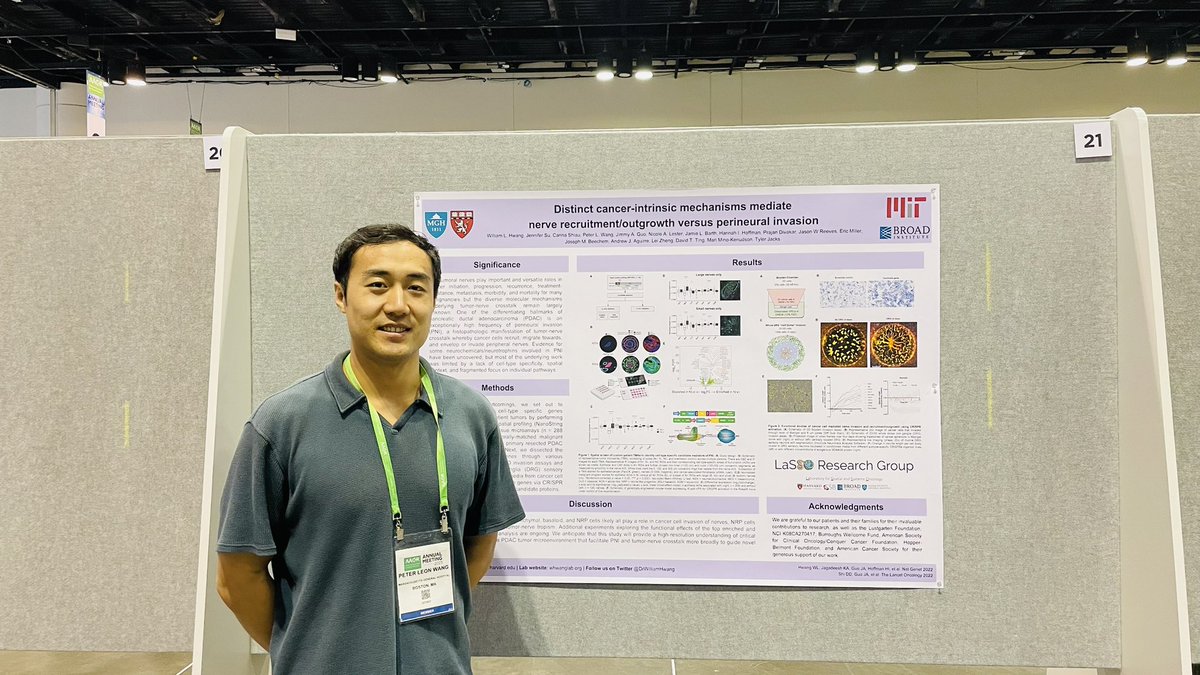
Excited to share our preprint on tumor-nerve interactions in pancreatic cancer.
Perineural invasion (PNI), a process in which cancer cells invade nerves, is linked to worse outcomes in patients. We define a novel axis by which cancer-nerve crosstalk drives PNI.
Overall this study identifies Pdgfd-Pdgfrb signaling as a key integrator of cancer-nerve crosstalk. Disrupting this axis may offer a new way to halt PNI and its deleterious effects in pancreatic cancer
Pdgfrb-expressing glia also respond to Pdgfd and physically engage cancer cells during nerve invasion. In vivo, blockade of the Pdgfd-Pdgfrb axis reduces PNI
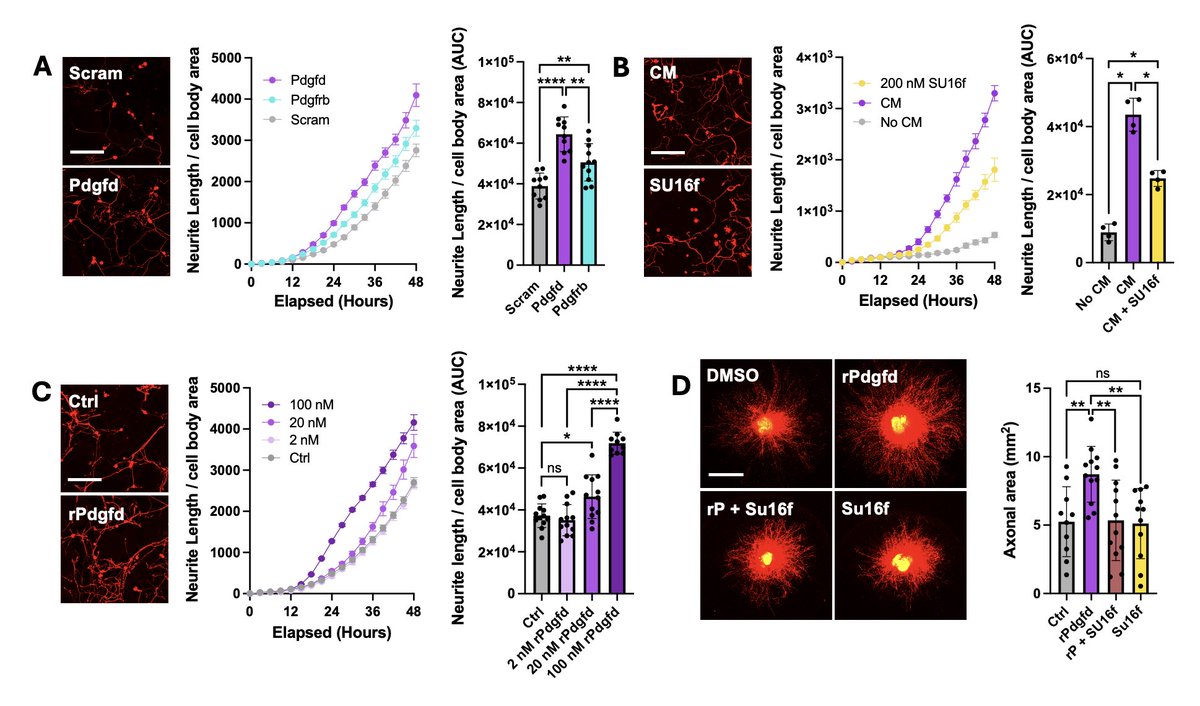
Mechanistically, Pdgfd drives intrinsic cancer cell invasiveness and extrinsic neurite outgrowth, facilitating increased physical engagement between cancer cells and nerves
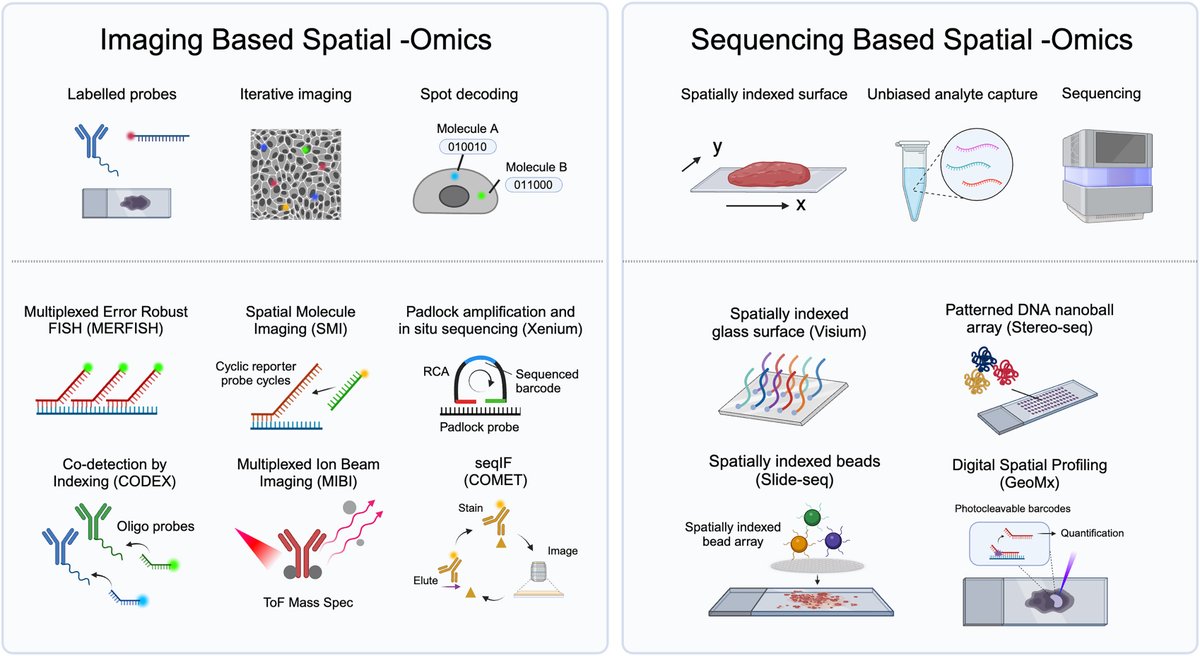
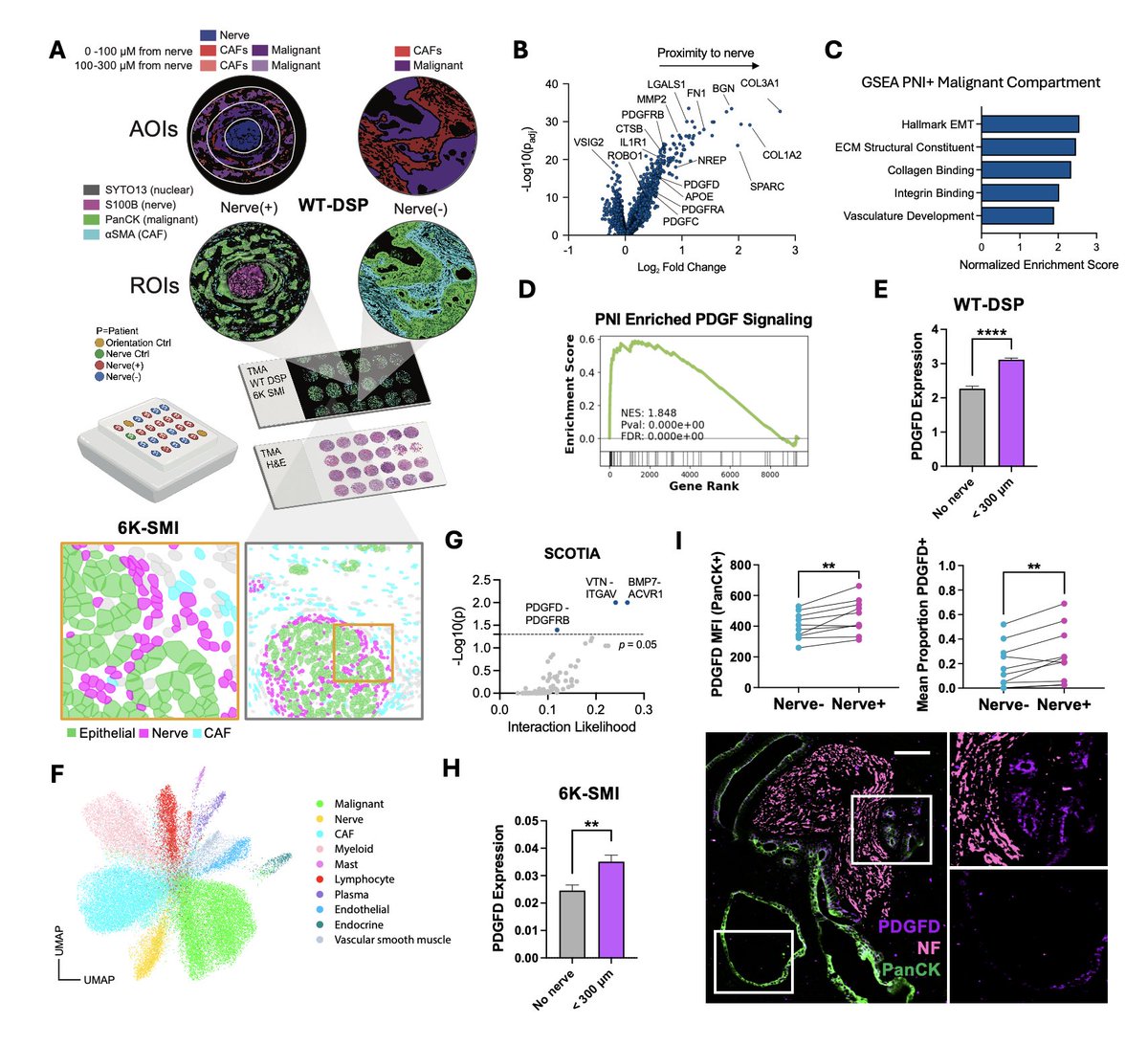
We leveraged whole-transcriptome and single-cell spatial approaches to integrate molecular coverage and subcellular resolution, converging on Pdgfd signaling as a novel mediator of PNI
After a high dose of psilocybin, the brain desynchronizes at a massive scale, causing loss of our sense of self, time, and space. This may drive the burst of plasticity caused by psychedelics. The next day, brain activity has largely returned to normal, but an echo remains – a reset of circuits critical to the sense of self.
Our study is out today in @Nature https://t.co/PjACA6nkAy
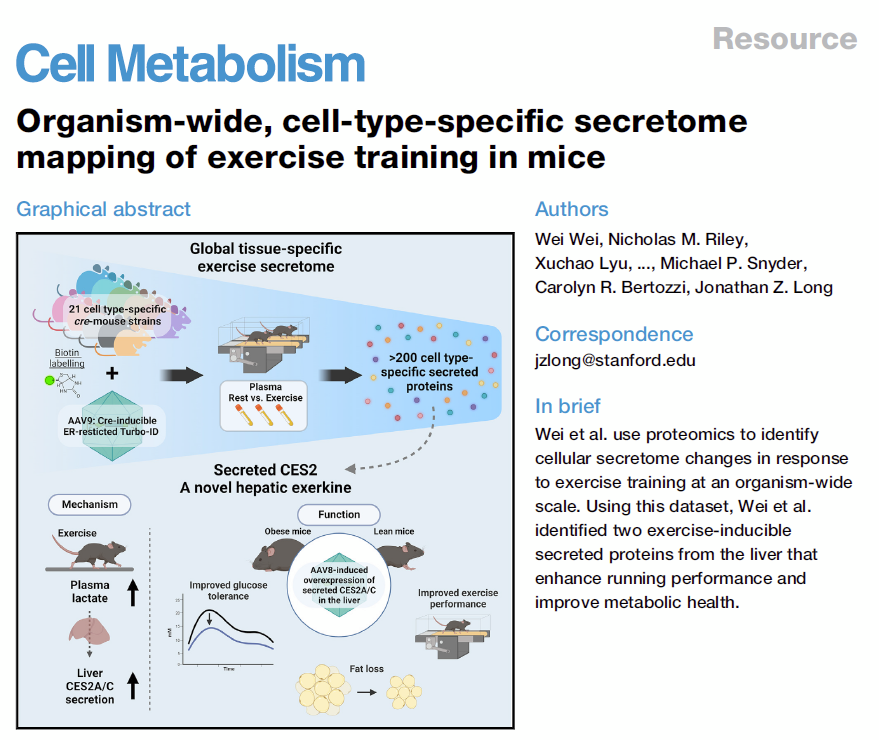
Exercise triggers the release of many hormone-like small proteins from different organs.
Some of these proteins have therapeutic effects - thus contributing to our understanding of how exercise improves health. @WuTsaiAlliance
https://t.co/XeghyPNSMc