Cultural references from Proust's À la recherche du temps perdu. Citations are volume and page number from the Vintage paperbacks and 1985 Penguin Jean Santeuil
In 2022, I started a thread of quotes that I thought suggested complex systems theory might be a potential framework for understanding aspects of Proust's novel. I've started reading on this more systematically, so here is a new thread
“But I am disappointed: you had promised me you would ask me for some books, some illustrated ones, some Ruskin?” Read a selection of Proust’s letters, translated by Lydia Davis.
https://t.co/EbpiZU0ao4
Spécialiste de Proust, figure intimidante du monde littéraire, le critique Jean-Yves Tadié s’avère on ne peut plus accessible et sympathique dans le premier tome de ses mémoires. Lire et faire lire : Tadié y passe sa vie. https://t.co/jXznwFVj6j
Now available! A work of remarkable erudition and deep research, PROUST, A JEWISH WAY brings to light the vanished world of Proust’s first Jewish readers and shows how it can illuminate our reading of the great novelist today. https://t.co/x1vc1WdDLz #Proust#Literature@enoitan
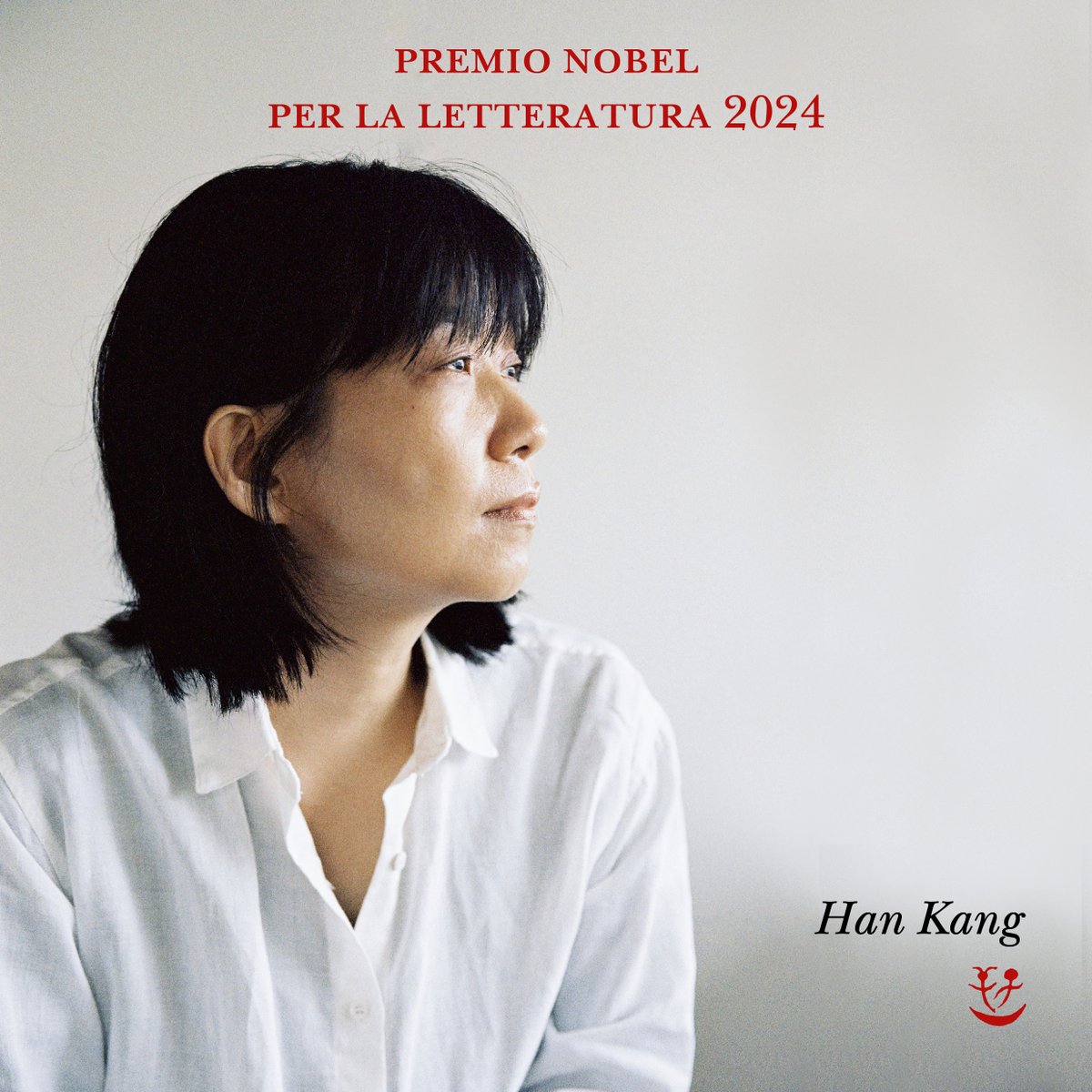
In the novel 소년이 온다 (2014; ‘Human Acts’, 2016), Han Kang – awarded this year’s #NobelPrize in Literature – employs as her political foundation a historical event that took place in the city of Gwangju, where she herself grew up and where hundreds of students and unarmed civilians were murdered during a massacre carried out by the South Korean military in 1980.
In seeking to give voice to the victims of history, the book confronts this episode with brutal actualisation and, in so doing, approaches the genre of witness literature. Han Kang’s style, as visionary as it is succinct, nevertheless deviates from our expectations of that genre, and it is a particular expedient of hers to permit the souls of the dead to be separated from their bodies, thus allowing them to witness their own annihilation. In certain moments, at the sight of the unidentifiable corpses that cannot be buried, the text harks back to the basic motif of Sophocles’s ‘Antigone’.
Learn more about Jennifer Rushworth's "meticulously researched and skillfully developed" new book PROUST'S SONGBOOK in Katja Haustein's review for @TheTLS: https://t.co/0w0zu6eBRe