As a child, I was publicly celebrated for being diagnosed with ADHD. Sharing my diagnosis proudly in the newspaper.
Ironically 22 years later I found myself in another newspaper. This time about the devastating harm and that followed from entering the psychiatric system in the first place.
The Article Reveals The Contradiction:
I was labeled with an “attention disorder,” yet I become intensely focused when engaged in something meaningful to me.
I did not lack the capacity for attention.
My attention was context-dependent:
I don’t see a “disordered” child.
I see a child whose mind and behavior did not conform to narrow institutional and societal expectations of how children are expected to think, learn, behave, and focus within the conventional school system:
• Sitting still for hours at a time with sustained attention • One-size-fits-all learning styles • Memorization and regurgitation of information.
I struggled within systems that treated one narrow model as the standard for intelligence and success.
I never fit neatly within that mold.
My differences were interpreted through subjective diagnostic frameworks built around symptom checklists and socially constructed ideas of what constitutes “normal” behavior.
The standards used to define “success,” “intelligence,” and “normal” behavior are not objective laws of nature, but human-made subjective social constructs.
Children who deviate from that framework often become pathologized. My behavior that deviated from institutional expectations was seen as evidence of a brain pathology requiring pharmaceutical correction.
One childhood diagnosis spiraled into a cascade of psychiatric drugs I never truly needed.
And In trying to chemically “fix” what was never defective in me to begin with, the system ultimately created profound dysfunction and neurological harm.
To this day, I am still fighting to get my brain, health, and life back after the devastating harm psychiatric drugs caused.
Are we truly diagnosing “disorder” or are we enforcing conformity?
Difference is not disorder. #adhd
Mark was a totally mainstream psychiatrist before antidepressant withdrawal derailed everything he had been taught about psychiatric drugs. This excellent piece outlines what he learned from being on both sides of the debate.
It’s a piece about the structural factors that prevent mainstream psychiatrists from recognising withdrawal, but my favourite bits are where Mark draws (often humorously) on his own experiences in withdrawal. Give it a read and make sure to follow Mark for more!
You are invited to this ONLINE EVENT hosted by @dropthedisorder
"Neurodiversity: Liberation or Trap? with psychiatrist and psychotherapist Prof Sami Timimi" @stimimi
WHEN? Wed., June 24th
FOR MORE INFO & TICKETS: https://t.co/80yEIAOgK9
#MentalHealth#neurodiversity
A 45-min documentary, “How Psychiatric Drugs were sold as Effective,” exposes psychiatry for what it is. A deceitful medical specialty. The contents are shown below the video. https://t.co/5jB221sJx5
After being rapidly tapered off 150mg of sertraline following 14 years of use, this is what I faced from GPs and psychiatrists. Most of them initially refused to acknowledge antidepressant withdrawal, repeatedly misdiagnosed me and through their responses, caused significantly more harm. I am one of thousands, probably significantly more, with a similar story.
GP 1: After fast sertraline taper (four weeks) and in delayed onset withdrawal, I was rapidly cycled through venlafaxine for three months, escitalopram for two weeks, citalopram for one week, propranolol for three weeks and pregabalin for five days, along with 5-10mg diazepam to “manage” the avalanche of adverse reactions. Diagnosed with adverse reactions such as serotonin syndrome. No mention of withdrawal. Each drug made things worse.
GP 2: By this point I had moved back in with my parents because I could no longer look after myself. Highly suicidal, horrific akathisia and unable to sleep for days. Prescribed mirtazapine, which made the akathisia significantly worse. Took for three weeks.
Mental Health Nurse: Switched to duloxetine. Denied it could be withdrawal. Took duloxetine for one week and the akathisia reached a new level of hell.
NHS Psychiatrist 1: Referred to secondary care. Prescribed vortioxetine. I refused because I was terrified the drugs were making me worse. Told this was relapse and an emerging mood disorder, possibly FND.
NHS Psychiatrist 2: Suspected Sertraline withdrawal but advised reinstating at 50mg and increasing weekly to 150mg, plus 5mg diazepam three times daily. I declined after finding information on low dose reinstatement (0.5–1mg) in support groups. Also didn’t want to become dependent on a benzo and was worried about the rapid benzo taper he had proposed with my already fragile CNS.
Private Psychiatrist (Priory): Paid £450. Told it was obvious I couldn’t tolerate SSRIs and had likely developed bipolar or another mood disorder. Prescribed flupentixol. I had never been psychotic and refused. £450 I’ll
never get back.
NHS Psychiatrist 4: Attended A&E with unbearable akathisia and high suicidality. Prescribed PRN quetiapine (25mg up to 4x/day) plus 200mg at night. Developed extrapyramidal symptoms (urinary retention, hand tremors) and was told it was “just anxiety” and “couldn’t be the drugs.” Stopped the 200mg after two nights and have remained on 25mg since.
Psychiatrist 4 (again): Insisted I wasn’t in withdrawal, told me to stop visiting online forums and dismissed scientific papers I presented as “nonsense.” Prescribed lamotrogine and in desperation for my life I tried for two weeks. Akathisia flared to life threatening levels.
Psychiatrist 4 (again): Stopped lamotrigine and prescribed Abilify. By now I refused, as I recognised this as drug induced and had never been psychotic.
Psychiatrist 5: Called me a “difficult patient” and encouraged voluntary hospital admission to increase quetiapine and possibly consider ECT. It was clear neither they nor the system understood withdrawal. I made the decision to leave psychiatric care entirely in order to save my own life.
GP 3: A new GP open to learning. I gave her The Maudsley Deprescribing Guidelines. She was empathetic, supported low dose reinstatement (though still suspected FND) and helped advocate for me. Unfortunately the CNS injury was too severe for reinstatement to work and so I remain on 3mg of sertraline and 25mg of quetiapine to this day. Referred to neurology.
Neurologist: Agreed it was AD withdrawal but still recommended the FND pathway. I challenged this, saying I would be taking a place from someone with genuine FND. They admitted they see many psychiatric drug reactions in neurology but “can’t rock the boat.”
GP 3: Referred me to an NHS deprescribing clinic and provided what support she could.
Psychiatrist 6 (Deprescribing Clinic): Finally validated everything I’d been through and quite possibly saved my life. The care I’ve received there has been exceptional.
"Researchers report that symptom increases during tapering are concentrated at low doses and estimate that a majority of the excess risk may be attributable to withdrawal rather than a return of an underlying 'illness.'"
https://t.co/8pUUSWbZLT
Despite What You’ve Heard, “Schizophrenia” Is Not “80% Heritable”
By Jay Joseph, PsyD
The meta-analysis reproduced the folly of twin research, in which researchers overlook obviously false assumptions and interpret data to confirm their beliefs.
https://t.co/rDhzwen6vk
Much of clinical practice is based on expert opinion, not clinical trials. Some of it is not even expert opinion, it's folklore.
Investigation of proper psychotropic tapering keeps getting postponed. Patients & attentive doctors see a need for tapering guidance now.
I would have said in years of working in psychiatric clinics and wards that I only saw psychiatric drug (antidepressant) withdrawal once before I experienced it myself. And so I understand why doctors say they don't see it very often - and the clinical and conceptual factors that makes that likely.
First comment from a psychiatric nurse practitioner who also had not heard about and therefore not seen antidepressant withdrawal until it hit her (for fluoxetine). Luckily she found the Maudsley Deprescribing Guidelines and was able to taper herslef off hyperbolically. https://t.co/RdlwOaMzt4
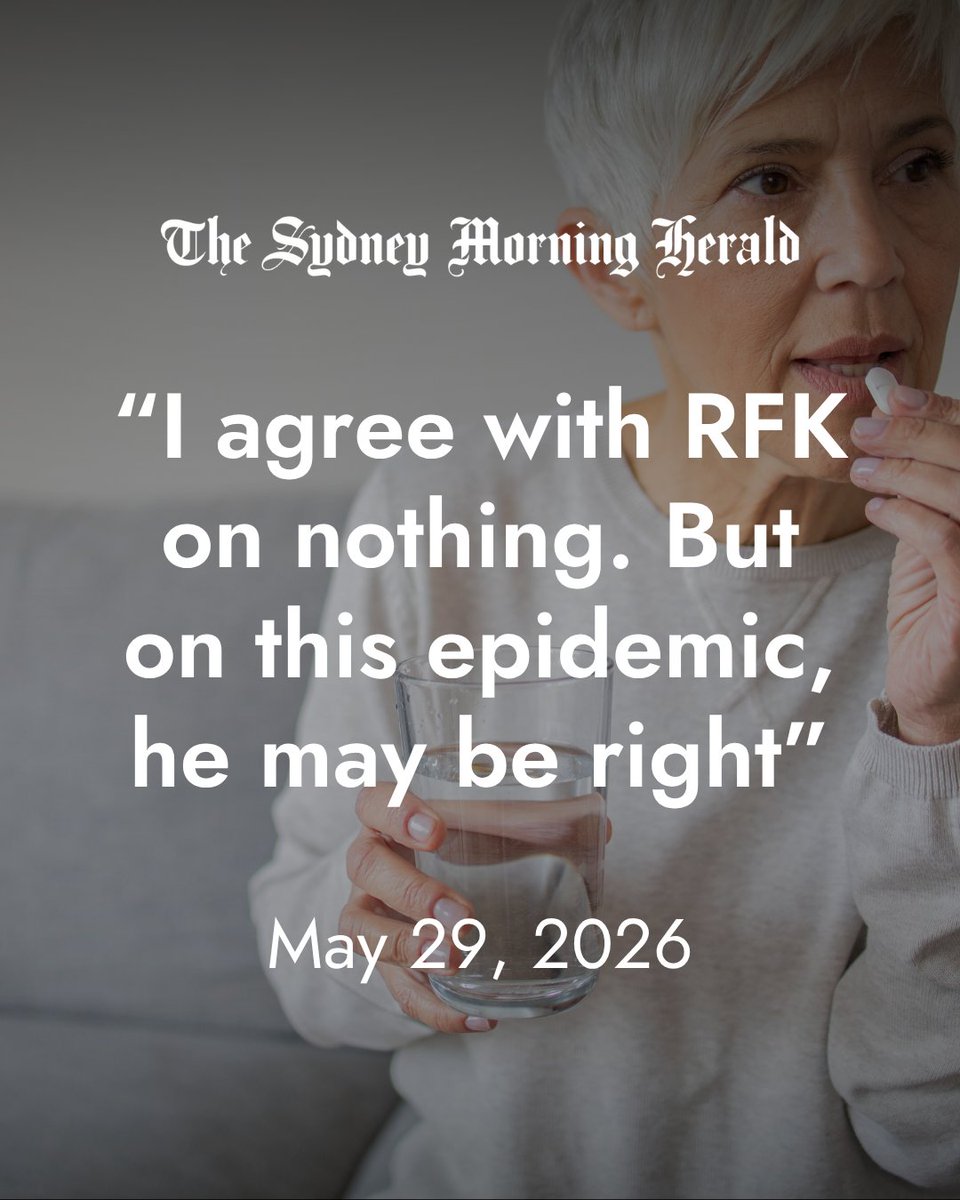
🧵One of Australia’s most read newspapers, the Sydney Morning Herald (@smh), published an opinion piece over the weekend exploring an issue that remains underrecognized despite affecting millions of people: psychiatric drug dependence and withdrawal.
In the piece (linked below), writer Brendan Shanahan describes his own experience attempting to stop venlafaxine after taking it for more than a decade.
His first attempt left him unable to type coherent sentences and fearing he was having a stroke.
Of his more recent second attempt, he writes that “the withdrawals have been horrendous, arguably worse than the original symptoms for which they were prescribed.”
What Shanahan describes reflects something we hear every day from people navigating decisions about psychiatric drugs: withdrawal can be far more significant, prolonged, and disruptive than many people are led to expect.
The article looks beyond the individual experience to ask broader questions about why so many people remain on these medications long term and what support exists for those who wish to reduce or stop them.
He observes how these mood-altering drugs often represent “capitalism’s mechanistic and dispassionate response to a deeply human pain,” becoming a symptom of the very problems they claim to cure.
As a layperson-led organization, we know that people come to these conversations with different political beliefs, worldviews, and opinions.
What unites us and matters the most, however, is a shared commitment to ensuring that people have access to accurate information, informed choice, and shared support—whether or not they decide to take psychiatric drugs or to taper off them.
Articles like this show we’re not alone in this view—and it’s spreading across the planet. 1/2
Yes, exactly. In that vast basket of diagnoses that generally signifies 'unexplained': medically unexplained symptoms, functional neurological disorders, etc I wonder how much is explained by psychiatric drug withdrawal (before people jump: I am sure it is not 100% and I am equally sure it is not 0%).
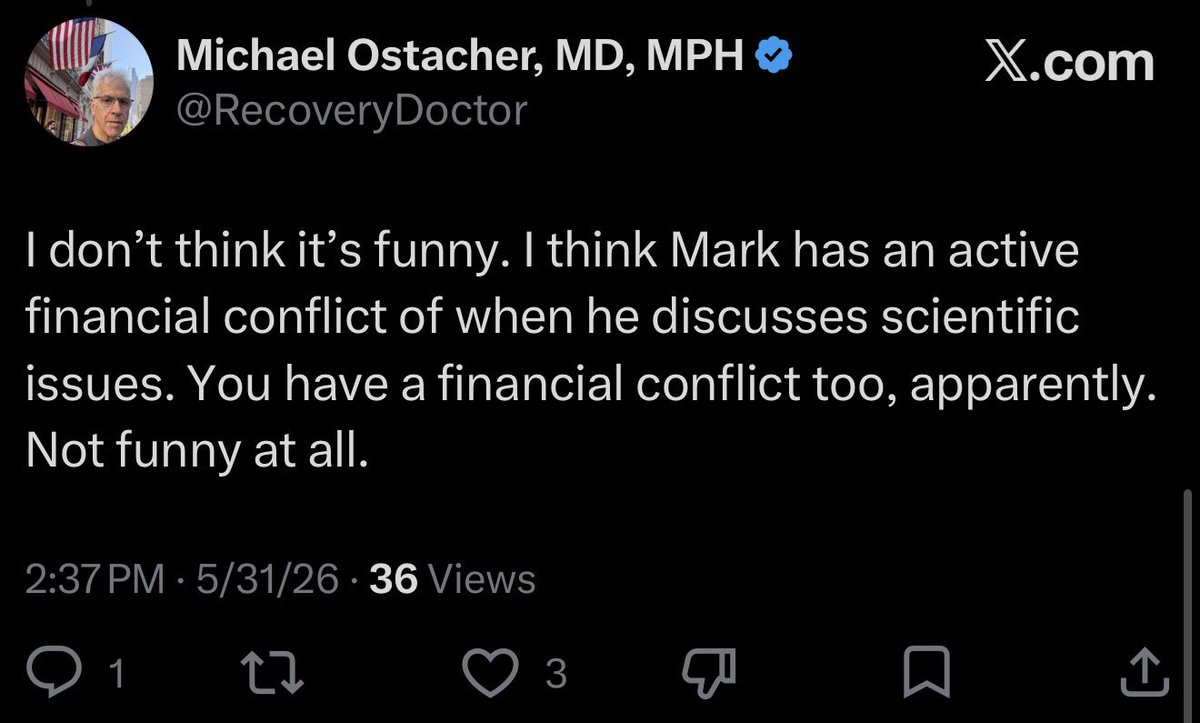
This chap accuses others of bias, yet has had multiple financial ties with drug companies like Sunovion, Janssen, Neurocrine, Eli Lilly, Janssen, AstraZeneca. Such ties, as ample research shows, biases recipients in favour of pro-drug positions in research/clinical/ed activities.
"Australia’s soaring antidepressant use is forcing an overdue reckoning with the serotonin myth, overprescribing and the medicalisation of ordinary human distress, writes Professor Vince Hooper."
#MentalHealth#antideprsesants
https://t.co/w1dDYeBDNA
As someone who is critical of psychiatry yet can still acknowledge its benefits and who supports reform, here are ten ironies within psychiatry that, once noticed, are difficult to ignore:
1. Those whom the profession long dismissed as “fringe extremists” and “anti psychiatry” were, in reality, mostly patients bearing the brunt of iatrogenic harm. Today, these voices, grounded in lived experience, mechanistic pharmacology and mounting evidence, have become some of the most coherent and influential in the discourse. Meanwhile, the genuine ideological extremists are increasingly those who continue to defend an outdated “safe and effective” biological psychiatry with reflexive certainty. They are anti-patient.
2. Drugs promoted for decades as correcting a mythical “chemical imbalance” have instead induced genuine chemical changes across bodily systems, frequently leaving patients in states of dysregulation more severe and persistent than their pre treatment condition.
3. Clinicians who spent years minimising withdrawal syndromes, pathologising patient testimony and accusing critics of bias are now quietly positioning themselves as pioneers of deprescribing. The very architects and defenders of the problem are rebranding themselves as its enlightened reformers.
4. A medical discipline that claims to combat stigma has generated one of the most insidious modern stigmas by transforming previously healthy individuals into lifelong psychiatric patients through iatrogenic dependence, then retroactively framing their drug induced suffering as evidence of an underlying “chronic brain disease.”
5. Self proclaimed experts in suicide prevention publicly question the necessity of black box warnings on SSRIs, while simultaneously appearing to misunderstand or trivialise akathisia, one of the most consistently documented pharmacologically induced pathways to acute suicidality and agitation.
6. A field that repeatedly invokes the mantle of “evidence based medicine” has relied for decades on short term, industry dominated trials while marginalising long term observational data and patient reported outcomes that challenged the dominant paradigm.
7. Psychiatry insists it is a legitimate medical specialty equivalent to cardiology or oncology, yet it reacts with disproportionate hostility when subjected to the same standards of rigorous post marketing surveillance, long term harm assessment and transparent risk benefit analysis expected in other branches of medicine.
8. The profession that most vocally claims to treat “brain diseases” becomes most defensive and dismissive precisely when patients report clear brain/neurological injury resulting from its pharmacological interventions.
9. Concepts like “insight” and “denial” are central to psychiatric diagnostics, yet the field itself displays profound institutional denial regarding the scale of iatrogenic harm and the limitations of its core disease model.
10. Psychiatry champions the biopsychosocial model in theory, while operating almost exclusively within a reductionist biomedical framework in practice, then expresses bewilderment when patients and critics point out the resulting epistemic distortions.
I made $30,000 as a coach last year. I can only work 2 days a week & run 18 support groups per month because I am still healing from this shit myself. I could make more money working in the system with a license. I don’t do this for the money in case anyone was wondering.
Every time I see a large observational study showing positive associations with SSRIs or other treatments such as ECT, it is promoted as evidence that these treatments are effective.
Then when a large observational study comes out showing negative associations with SSRIs or other treatments, causality is immediately questioned and confounding factors are emphasised.
This is so normalised in the field I’m not even sure people are aware they are doing it.
Why is this?
The Psychiatric Fraud That is a Plague on Us All
by Robert Whitaker on the Mad in America Substack
The STAR*D study is a story of research fraud, one that for the past two decades has grossly misled the public about the effectiveness of antidepressants.
https://t.co/KRuEZVoC3i