💔 ดราม่าที่ไม่ควรเกิด
คลิปจากปี 2021 ฮัสกี้ตัวผู้ถูกทิ้งกลางทางหลวงเท็กซัส มันวิ่งไล่รถเจ้าของที่จอดติดไฟแดง…แต่ใจดำมากไม่ยอมเปิดประตู ก่อนขับหนีไปต่อหน้าต่อตา
สุดท้ายมีคนช่วยไว้ทัน นำไปดูแล เปลี่ยนชื่อเป็น “Nanook” และได้บ้านใหม่
เรื่องนี้ตอกย้ำสัตว์ก็มีชีวิต มีความรู้สึก การทอดทิ้งไม่ใช่ทางออก 🐺💔
💔 A drama that shouldn't have happened
This video from 2021 shows a male husky abandoned on a Texas highway. It chased after its owner's car stopped at a red light…but the owner heartlessly refused to open the door before driving away right before their eyes.
Finally, someone rescued him, took him in, renamed him "Nanook," and found him a new home.
This story reinforces the fact that animals have lives and feelings; abandonment is not the solution. 🐺💔
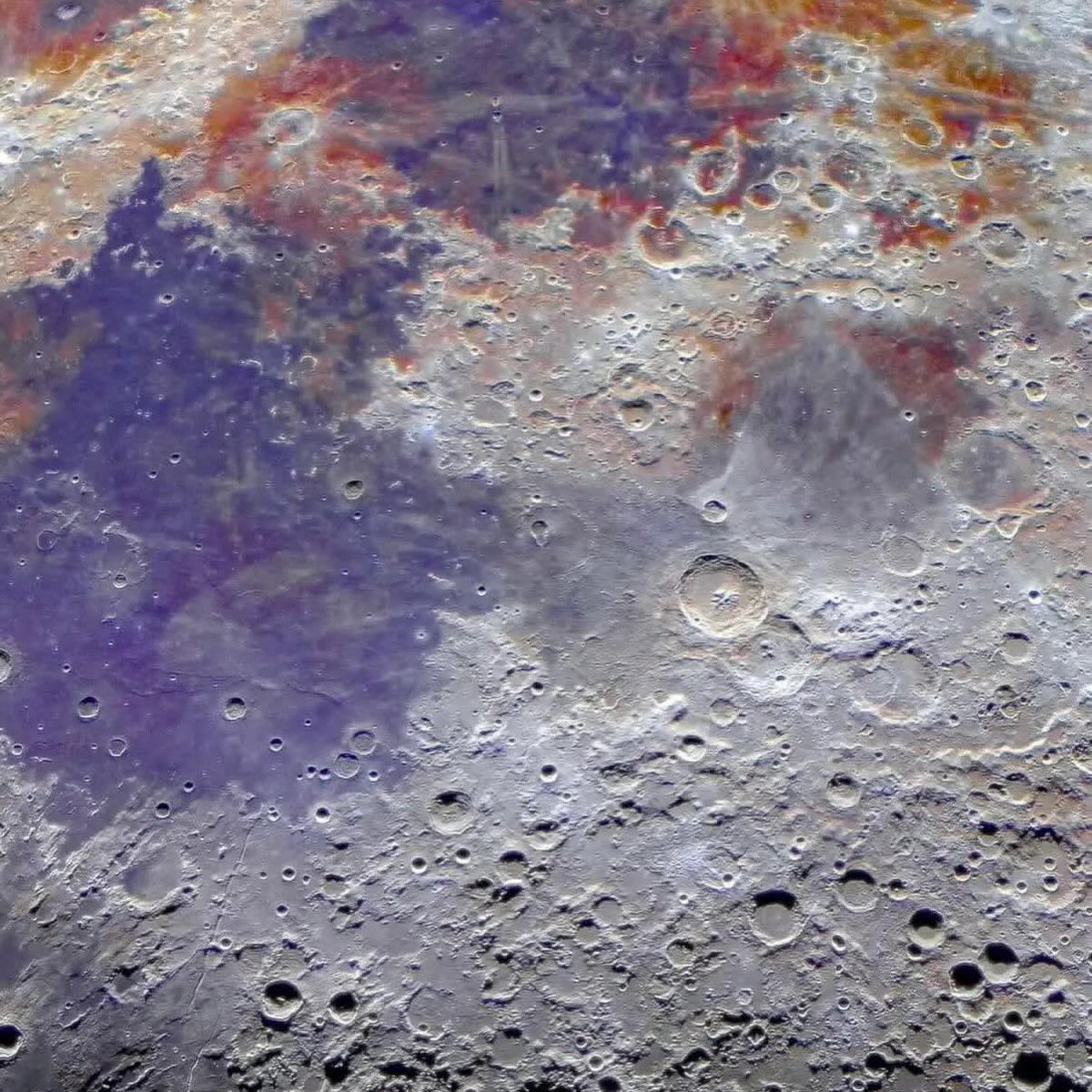
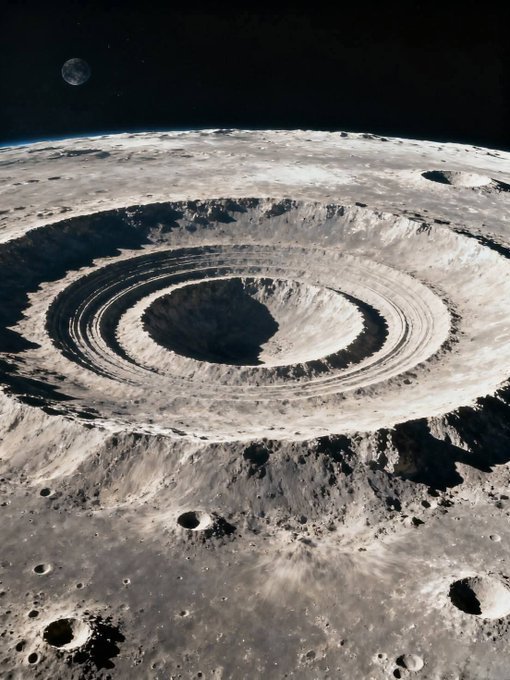
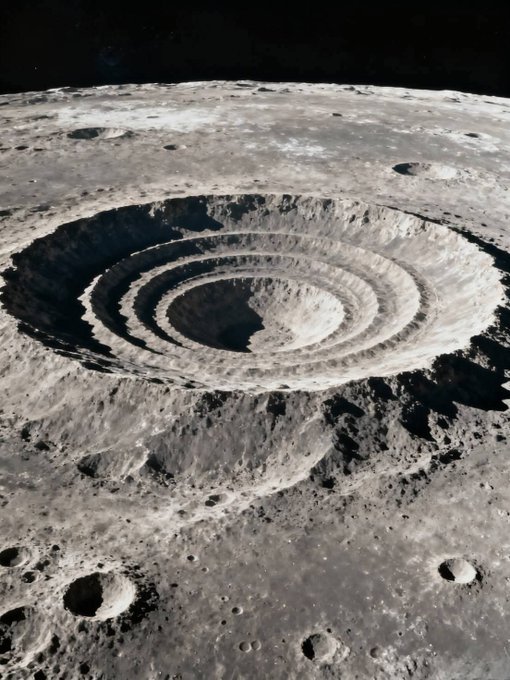
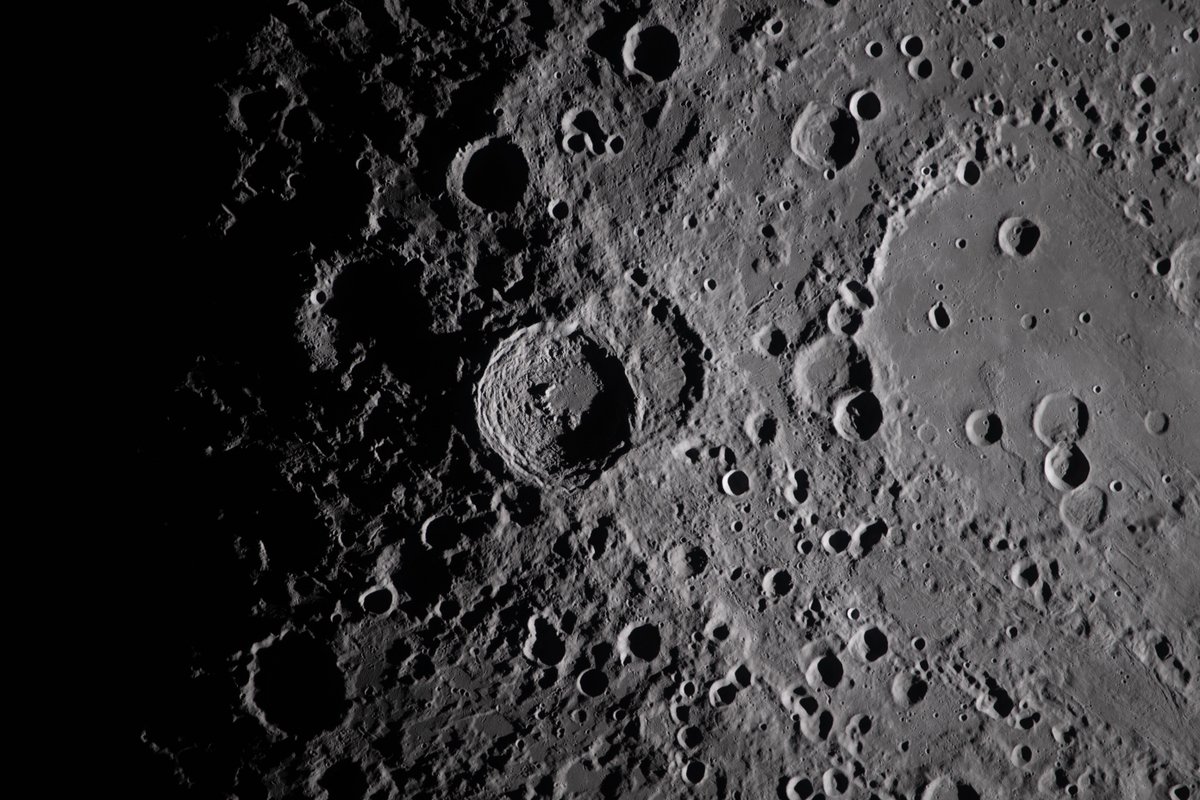
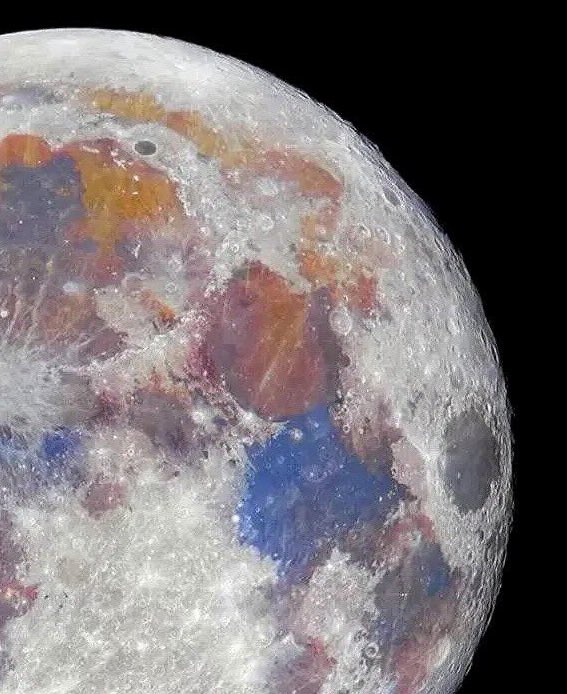
Artemis II Delivers the First Human Observation of the Complete Orientale BasinDuring the lunar flyby phase of NASA’s Artemis II mission, the crew captured the first-ever images of the entire Orientale Basin as seen directly with human eyes.Orientale is a multi-ringed impact basin approximately 930 km (about 580 miles) in diameter, located near the southwestern limb of the Moon (as viewed from Earth). Because of its position straddling the near and far sides, only portions of its concentric rings and ejecta blanket have been visible from Earth or in previous orbital imagery at certain illuminations. The unique vantage point and trajectory of Artemis II allowed the crew to observe and photograph the full structure — including previously foreshortened or partially obscured segments — in a single, fully illuminated view.Formed roughly 3.8 billion years ago by a large asteroid or comet impact near the end of the Late Heavy Bombardment, Orientale is the youngest and best-preserved large impact basin on the Moon. Its well-defined concentric rings (the outermost Cordillera ring, the Outer Rook, and Inner Rook) provide a textbook example of how massive impacts excavate deep into the lunar crust and mantle, followed by gravitational collapse and rebound that create the characteristic bull’s-eye morphology.This new human-taken documentation adds valuable high-resolution visual context to existing datasets from spacecraft such as Lunar Reconnaissance Orbiter, GRAIL (which mapped its gravity anomalies), and earlier missions. It will support refined geological mapping, studies of impact dynamics, and preparation for future surface exploration in the region.The observation underscores that even well-studied lunar features can reveal new details when viewed from novel human perspectives during cislunar missions.The Moon continues to hold scientific surprises — and Artemis II is already expanding our understanding of its complex impact history.
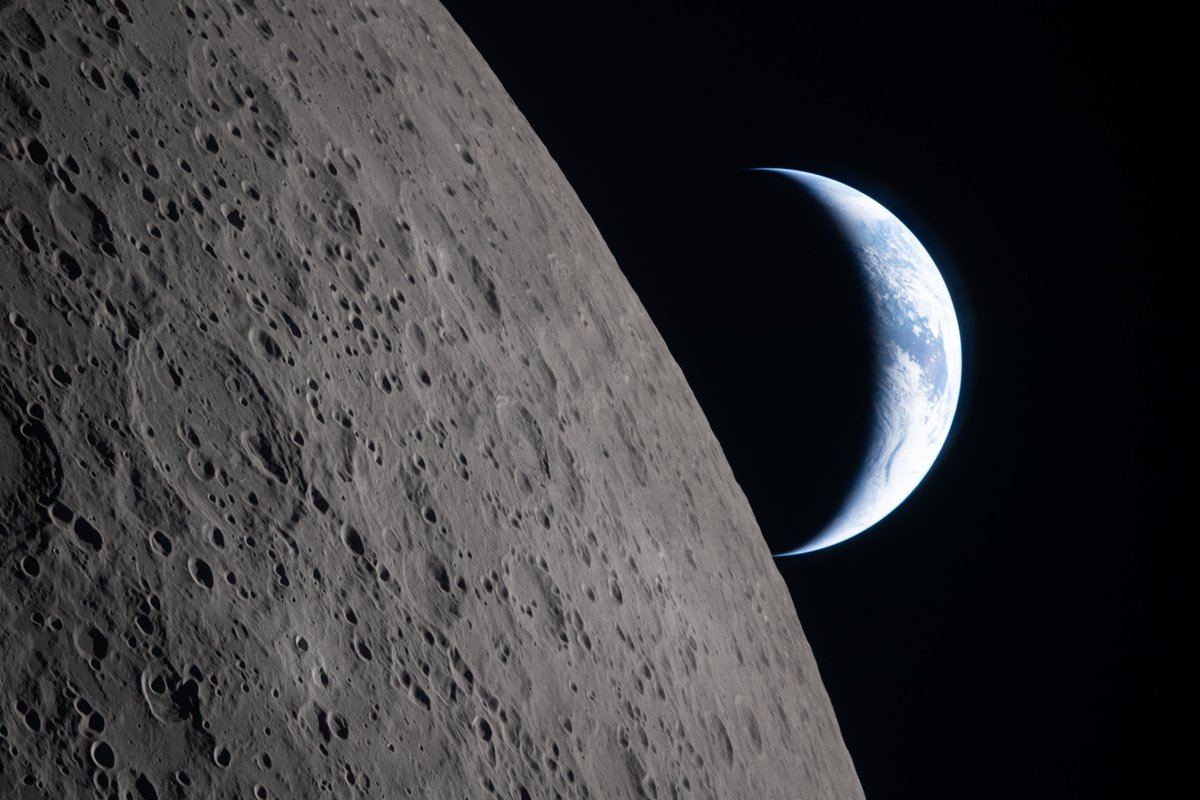
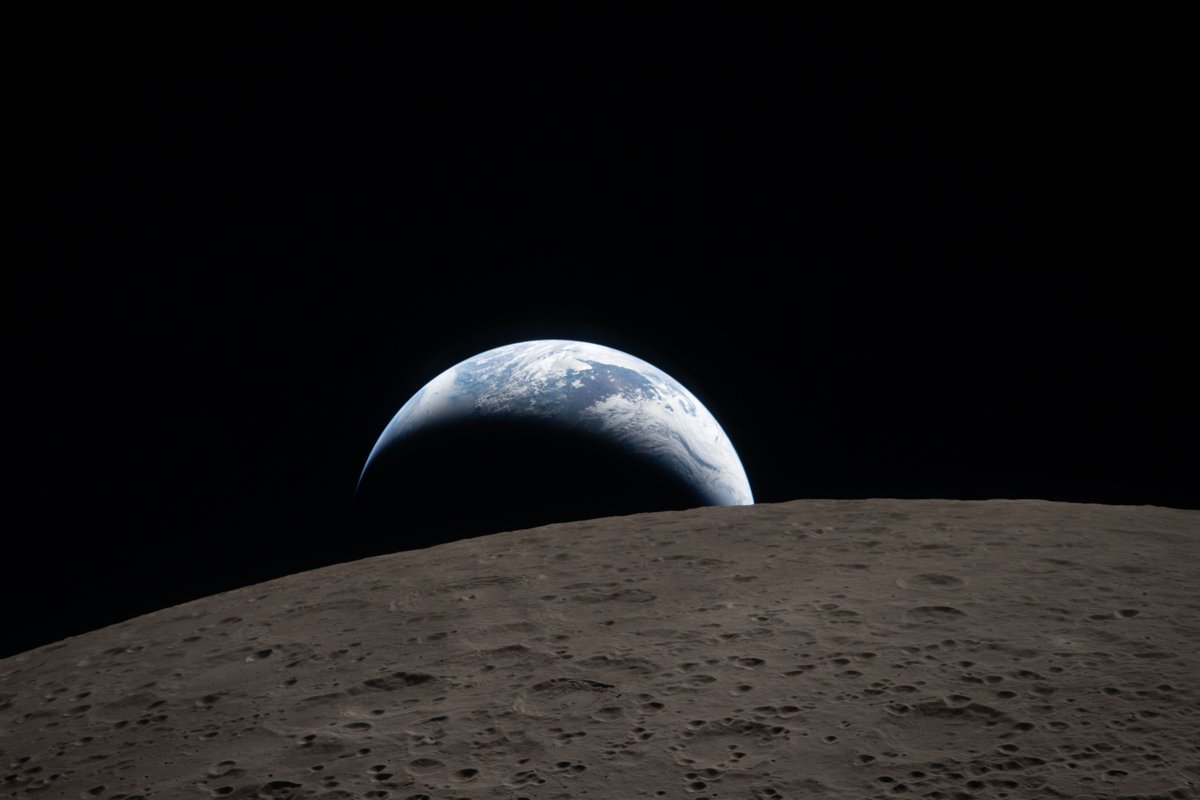
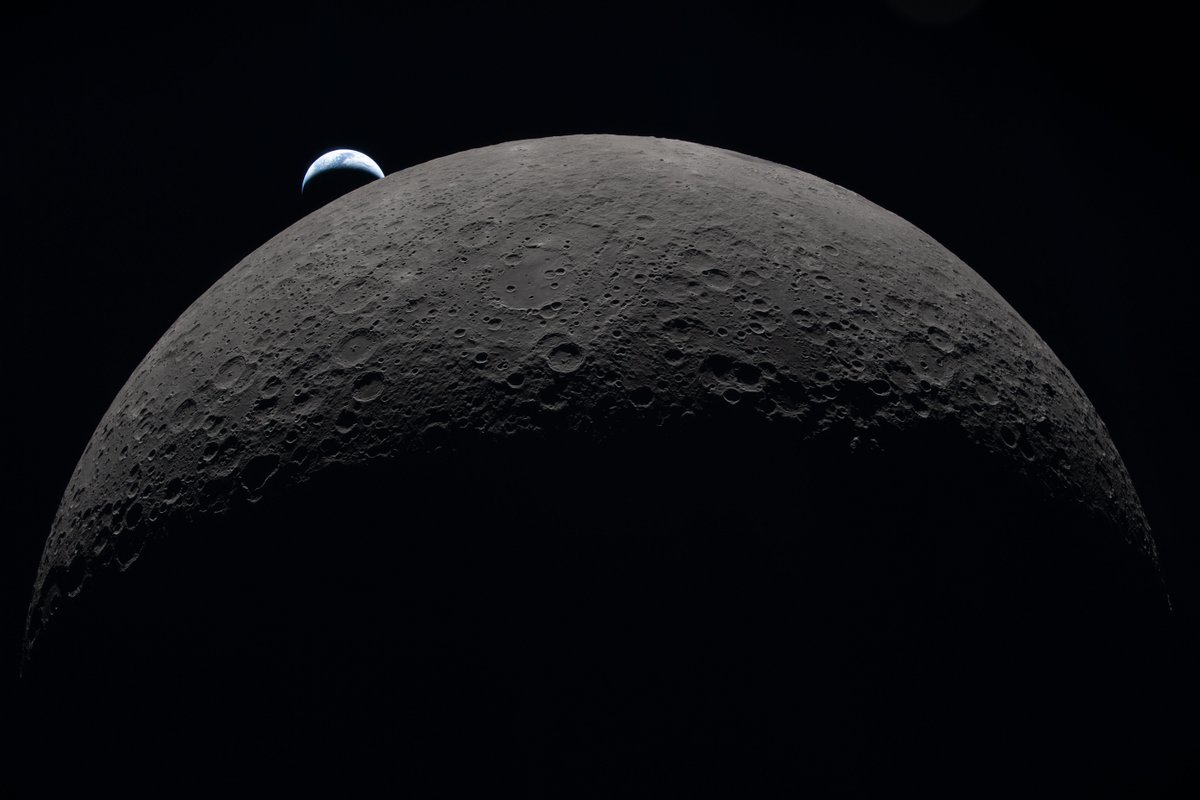
Hello, Moon. It’s great to be back.
Here’s a taste of what the Artemis II astronauts photographed during their flight around the Moon. Check out more photos from the mission: https://t.co/rzM1P0QbOl