In the literature @CIDJournal
TREATMENT OF HHV-6 ENCEPHALITIS IN HEMATOPOIETIC STEM CELL RECIPIENTS – ONE DRUG OR TWO?
https://t.co/5thwzSFOst
@BMTjournal
https://t.co/PejZM8Qqqy
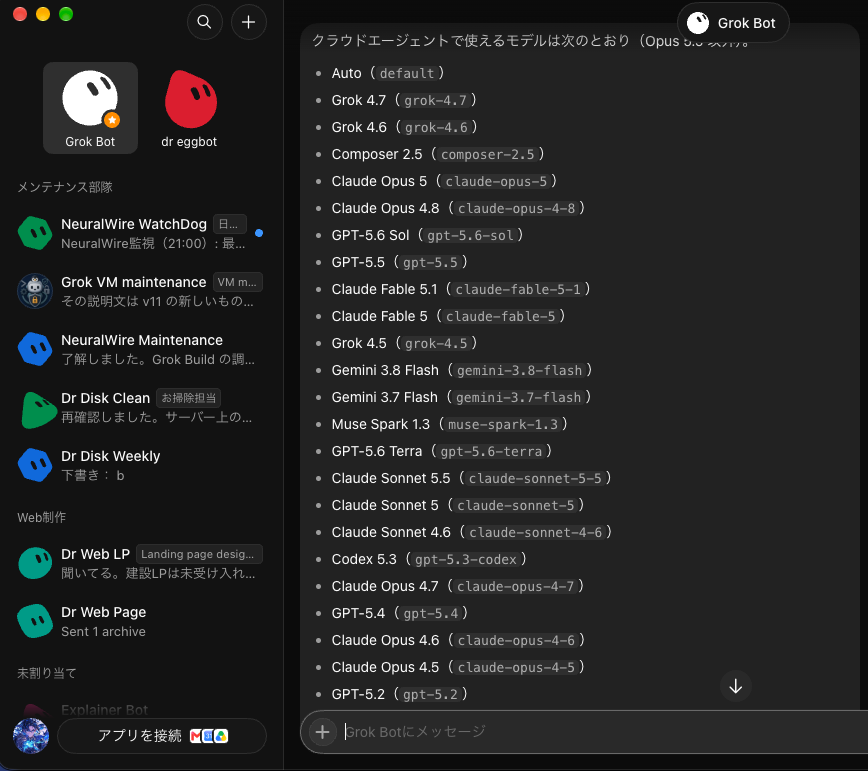
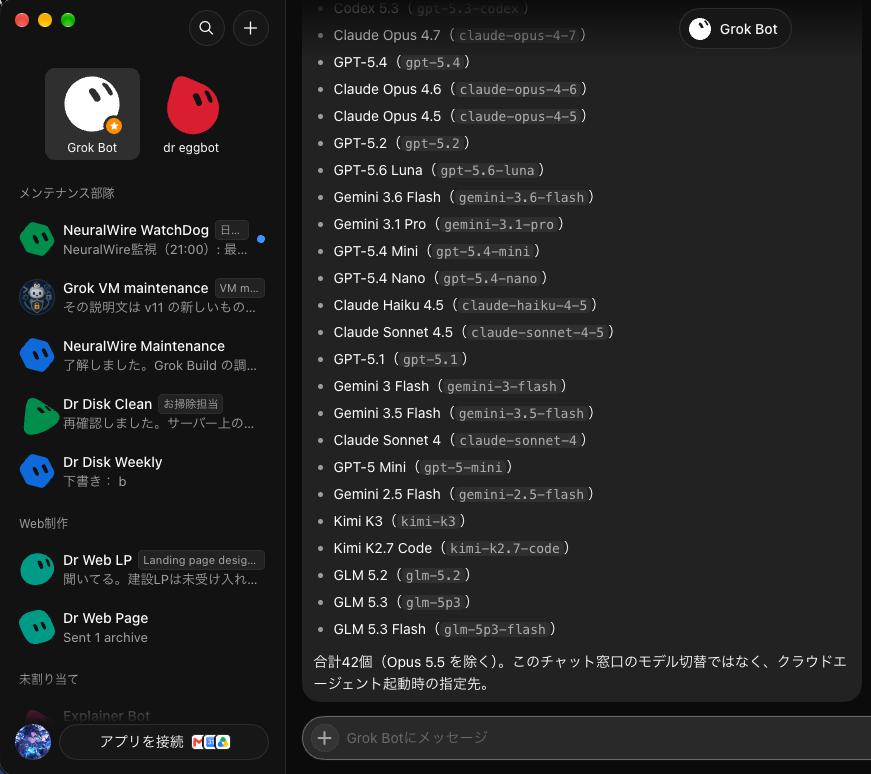
Grok @bot might be the most important AI release of 2026. I'm just blown away by what it can do now.
A few days ago it felt like a niche toy and I didn't use it much... but now?! It's running parts of my workflow!
What has changed:
- It now uses Opus 5.5 when needed.
- It's MUCH faster.
- Bots have full access to X!
Bravo @spacexai@poteto@elonmusk 👏
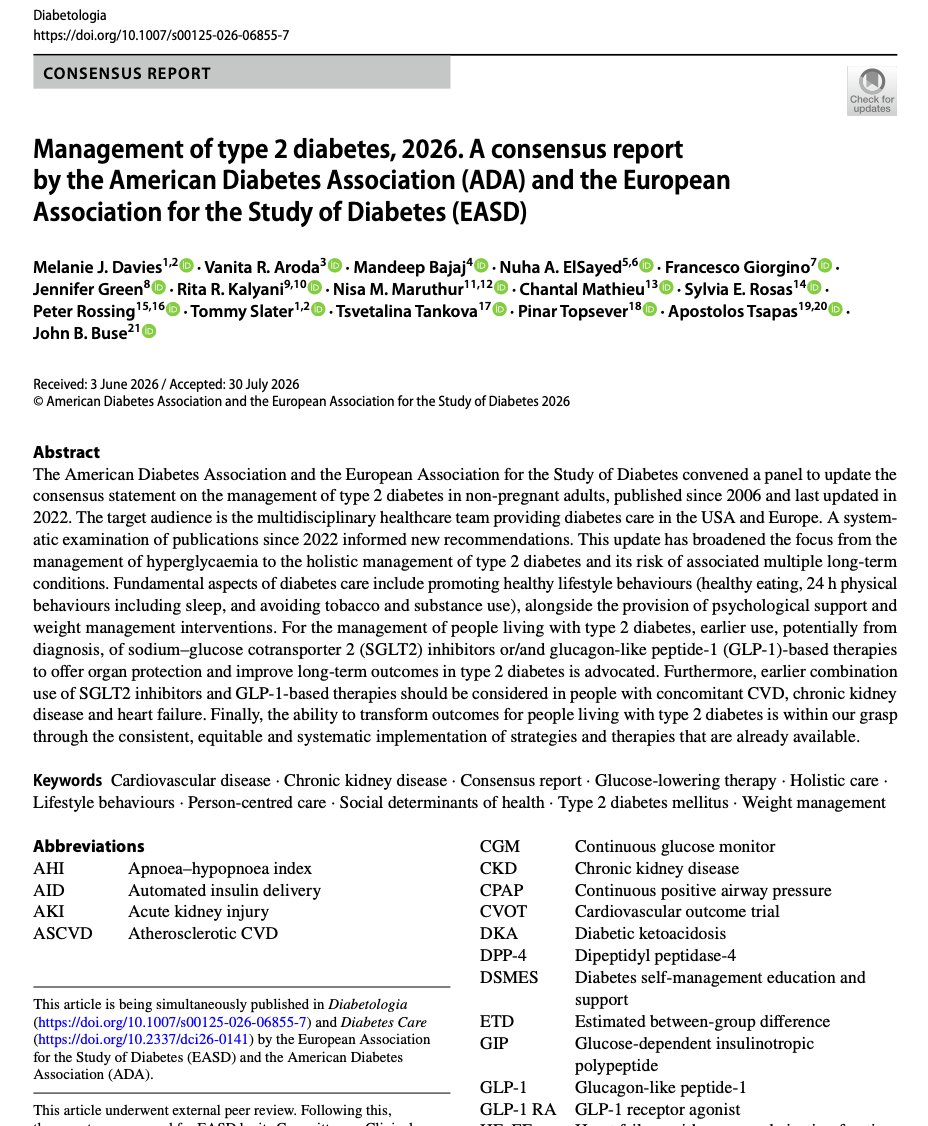
El último Consenso de la ADA y EASD 2026 para el manejo de Diabetes tipo 2. Puntos clave:
🔵 La metformina ya no es siempre el primer paso. Casi siempre se recomienda un iSGLT2 o aGLP-1, independiemente de la Hba1c.
🔵 En ECV, ERC o IC: usa temprano iSGLT2 + GLP-1
🔵 En ERC el iSGLT2 es la base (continua aunque baje la tasa de filtración). Si hay albuminuria: usa Semaglutida y Finerenona.
🔵 Metas: HbA1c de 6.5–7% en la mayoría y ≤6.5% si debutó antes de los 40 años. Si hay monitoreo continuo, meta en rango (70–180 mg/dL): >70%
🔵 En diabetes refractaria, considera buscar hipercortisolismo (hasta 25% de los pacientes).
I gave Grok Bot a printer. Now, it helps me plan my day
1:18 Prototyping with @bot
2:02 Printer access through desktop
2:55 Pulling calendar, @X, and workouts
3:46 Automating
4:32 Why go physical
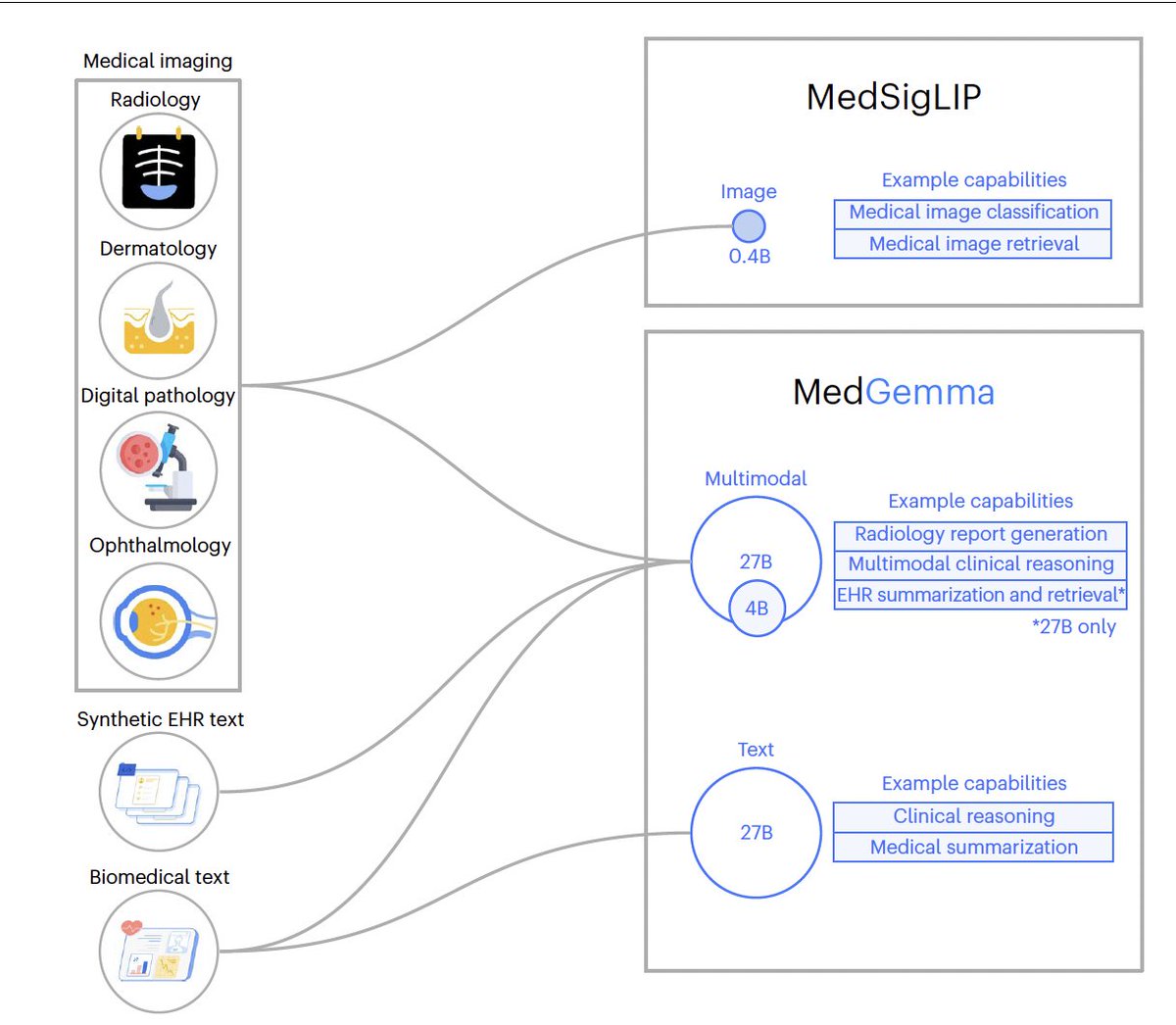
Good to see MedGemma, a unified, open, transparent foundation model by @Google published @NatureMedicine today, with diverse medical image-language capabilities (Figure), can run on a smartphone, weights @huggingface https://t.co/FKuXzmSffE
Very underrated tip from @karpathy.
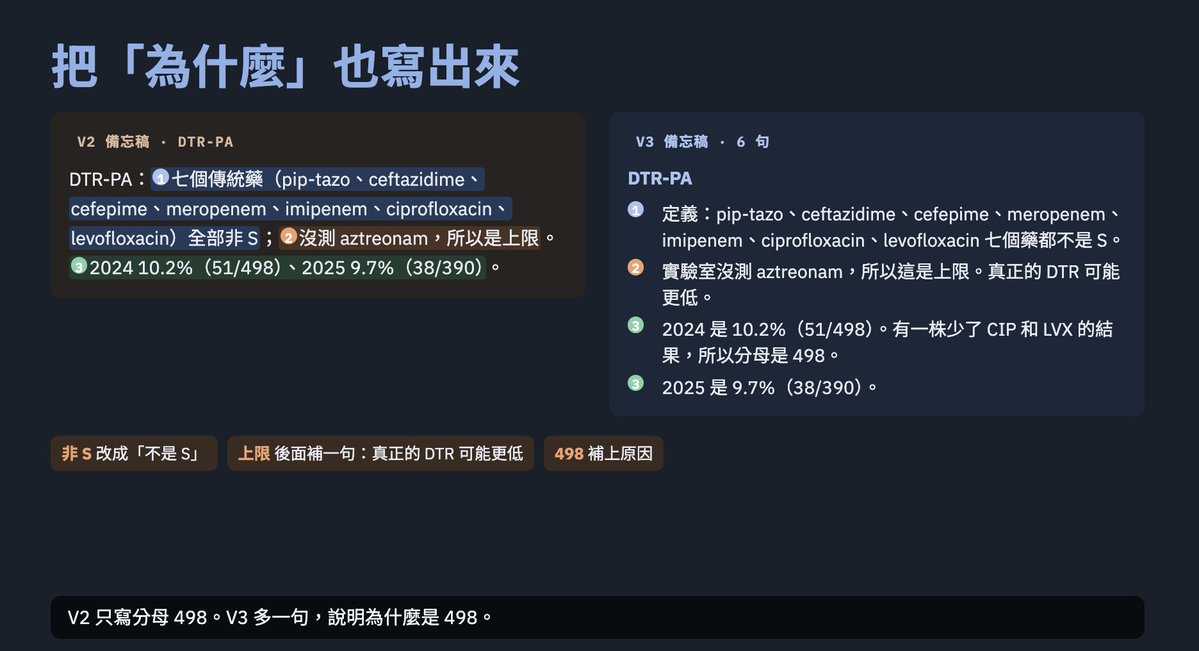
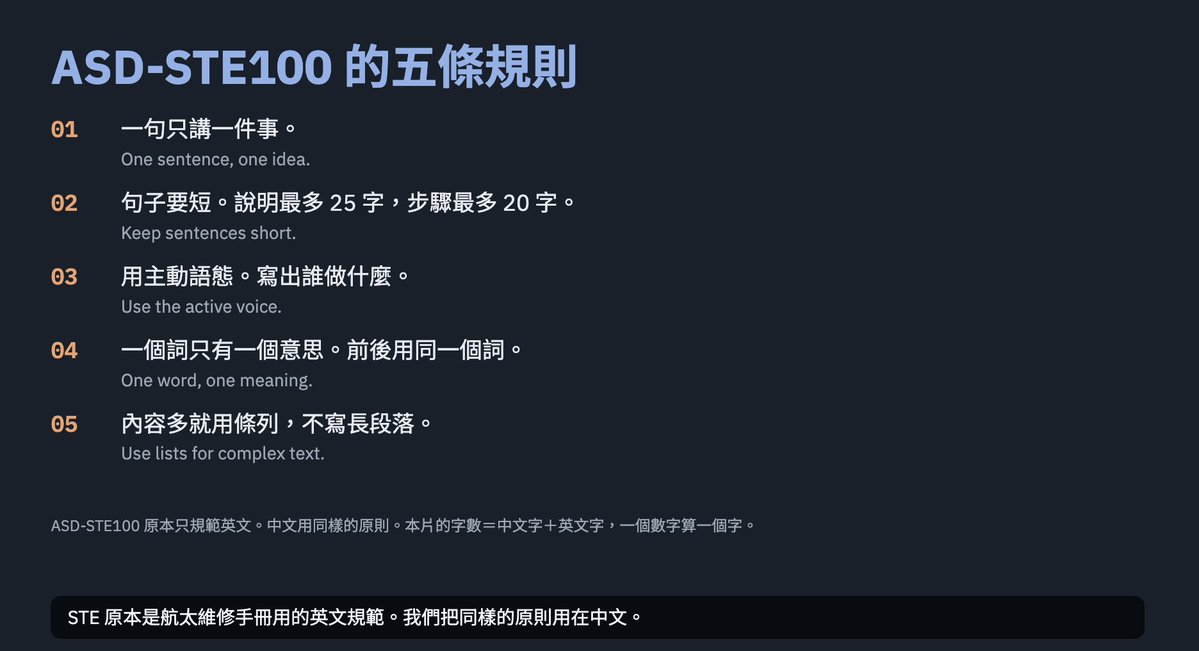
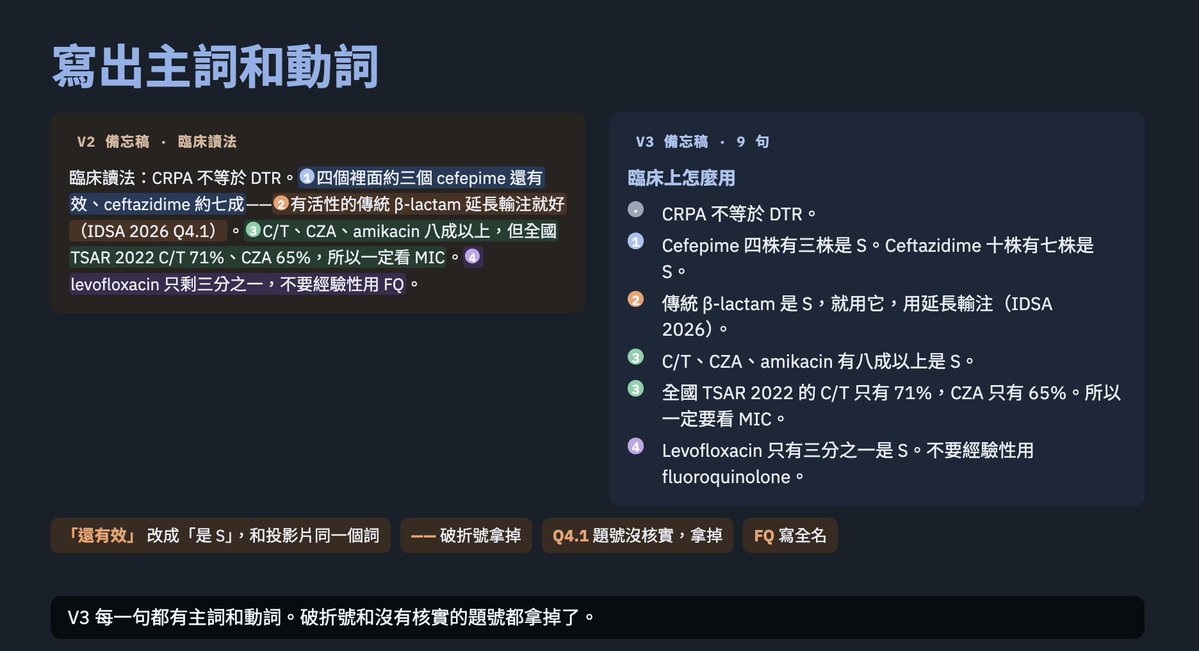
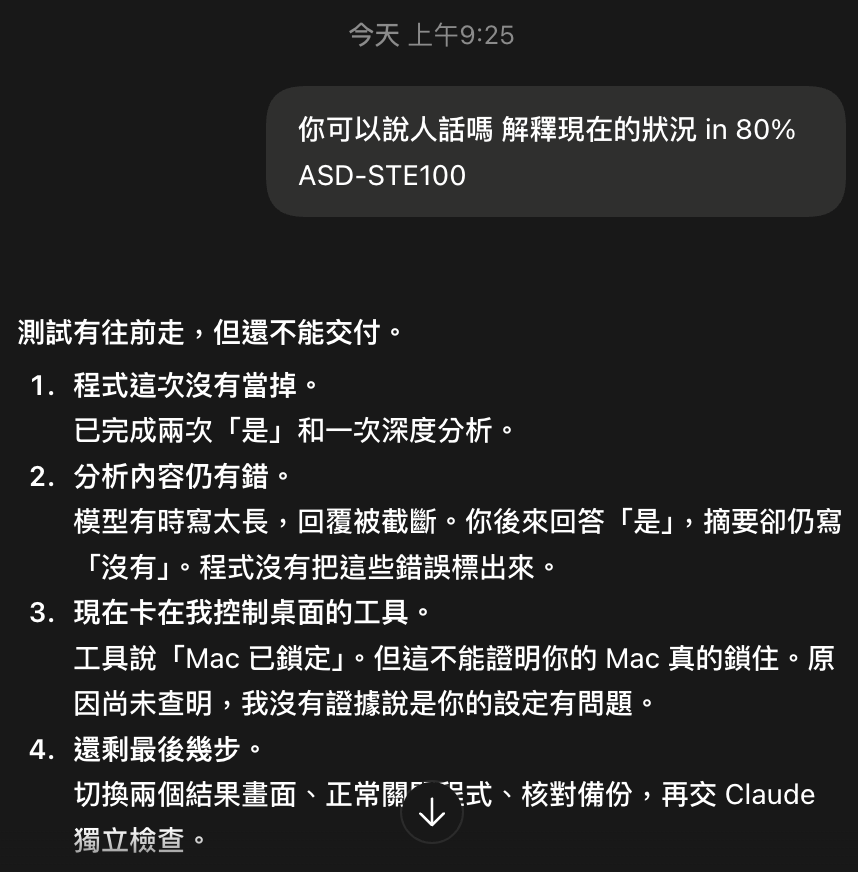
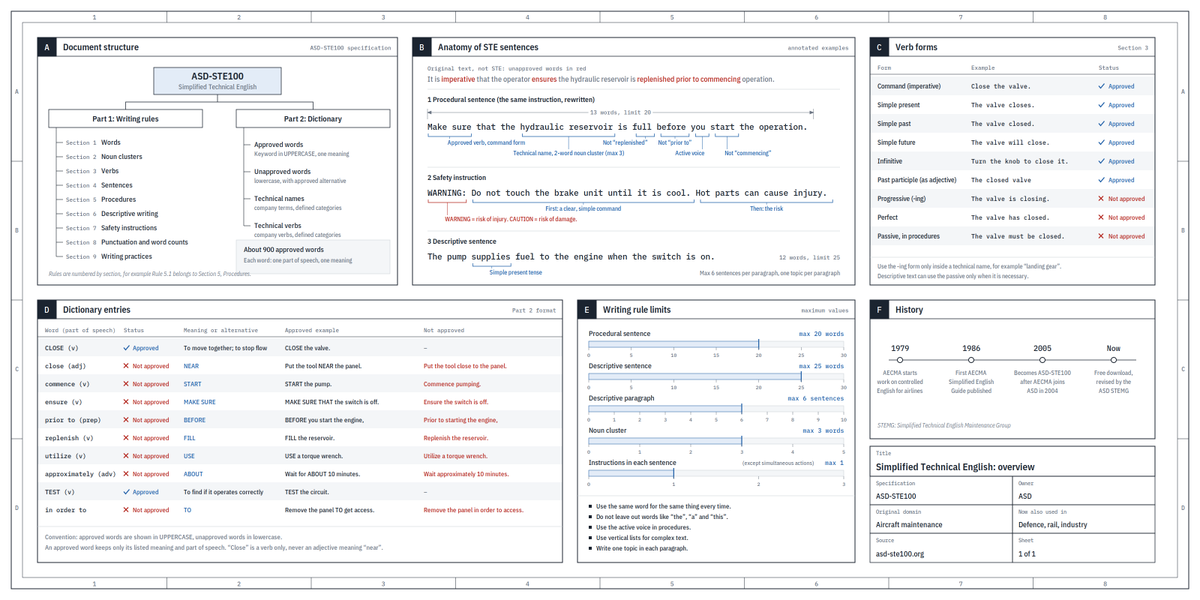
Just tried ASD-STE100 rule for model responses, and I found it to be surprisingly good at making explanations clearer. It can be bit too strict, so I agree that "80% of the way to ASD-STE100" feels like a better default.
A prompt you can try with your agent:
"Use ASD-STE100 as a guide for your responses. Write short sentences, use active voice, and keep terminology consistent. Relax the vocabulary rules when they make explanations awkward. Preserve technical precision and uncertainty."
@0xpili_ also made a nice skill for it:
https://t.co/UODgEeQy6z
We'll be spending a lot more time trying to understand the outputs of language models. A few thoughts, tips & tricks:
Writing. Something I've had success with: Ask your LLM to explain something in ASD-STE100, it's a controlled language specification originally developed for aerospace maintenance documentation. LLMs well-versed in this language and it comes with heavy constraints on clean writing style that I often find a lot more readable. Sometimes I've tried to soften it a bit e.g. ask for "80% of the way to ASD-STE100" because the spec is quite stringent. But even better:
Diagrams / images. Instead of writing, ask your LLM to create a diagram. These can be a lot easier to process, parse, and understand. But even better:
Web pages. Ask for output "in HTML" to get a beautiful, interactive webpage. LLMs are getting really good at frontend and can create beautiful experiences, animations, etc. But even better:
Explainer videos. The output format I am most bullish on is fully custom / bespoke explainer videos generated on any arbitrary topic. Experiment with things like "Create a 3b1b style video explainer on X. Use my ElevenLabs API key for audio narration". (you'd need an API key for the latter or you can ask your LLM to find you decent free alternatives that use your local compute). This is actually starting to work!
In summary:
- As LLMs get better, they will do more and more of the legwork autonomously, and a lot more of our work will rise up the abstractions into oversight and understanding.
- Luckily, LLMs can help here too because as intelligence and code are increasingly abundant, you can ask for large, custom, discardable software artifacts (e.g. web apps, video explainers) that would have never made sense to create before. Push the boundaries here and you'll be surprised.