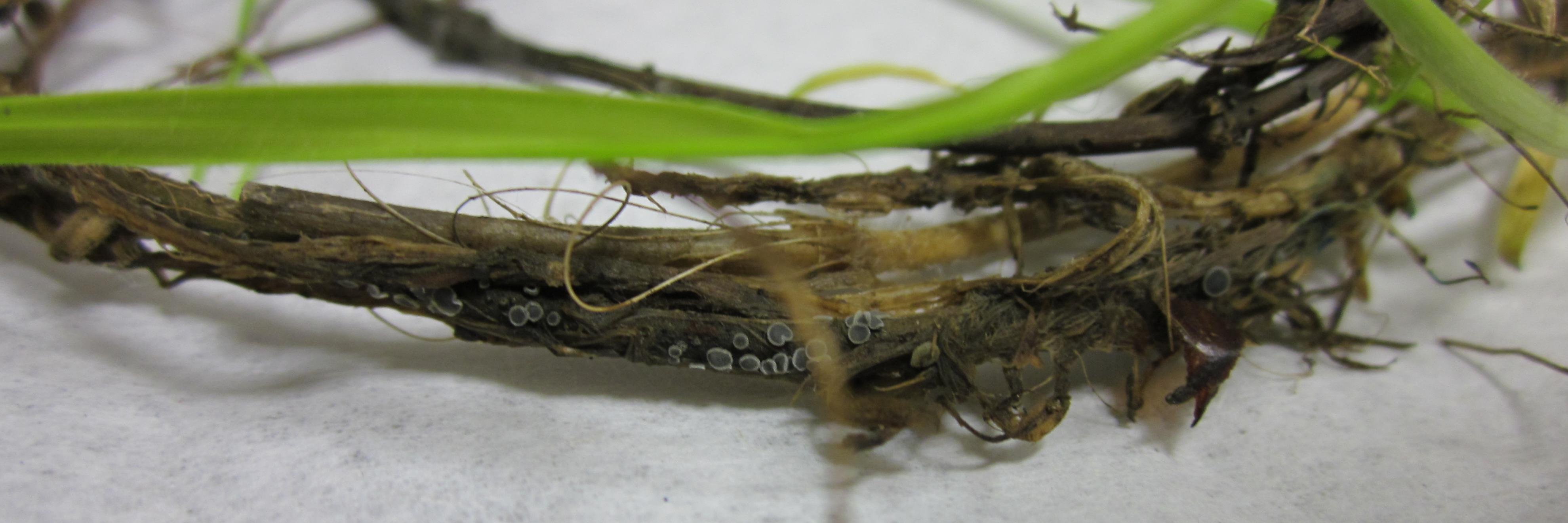
@ilichenmoss Very cool. Any evidence they're amoeba in origin? In case it's useful, it might be worth staining with Sudan IV and Trypan Blue as per https://t.co/6bisJDmVXN in case of any hidden lipid or hyphal structures?
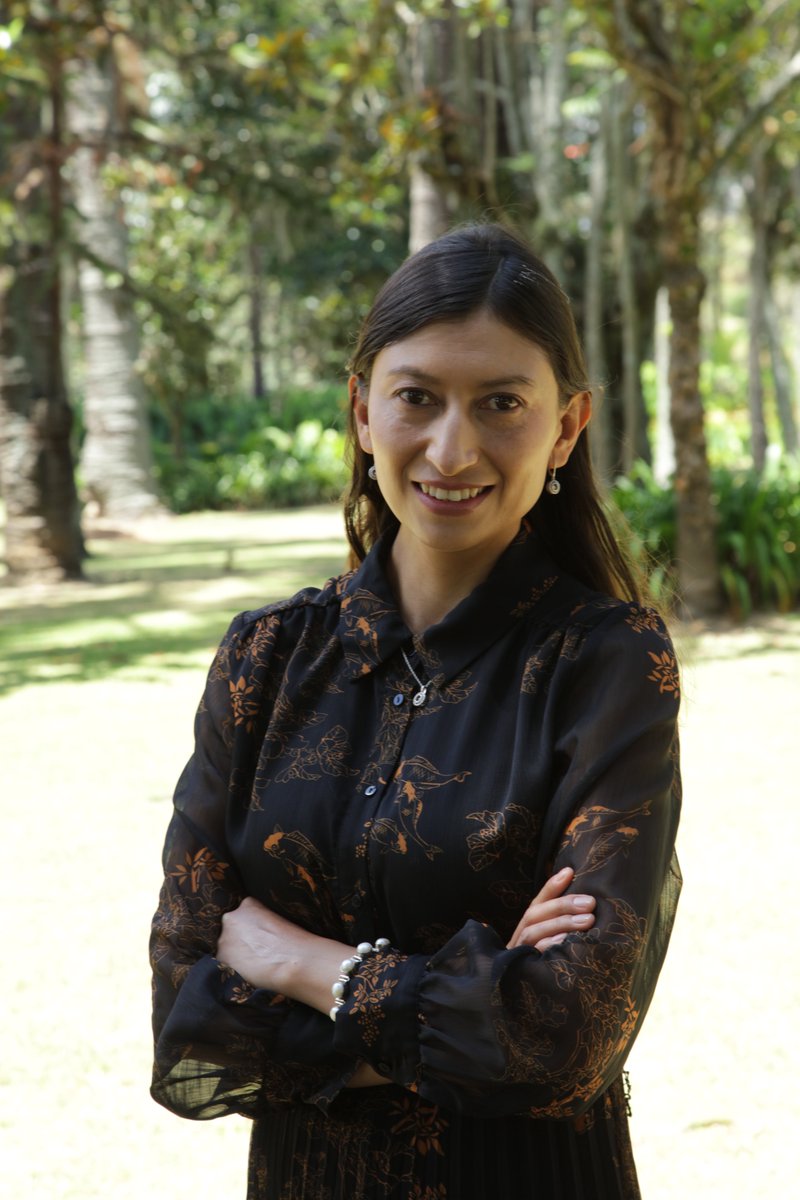
Congratulations to @CristinaToapan8 who presented her dissertation research results (on fungi in Yasuni National Park in the Ecuadorean Amazon) and passed her final PhD exam!!! Two papers already published the 3rd is coming:
https://t.co/E6dfGdxeAT
https://t.co/79bIuOXkVK
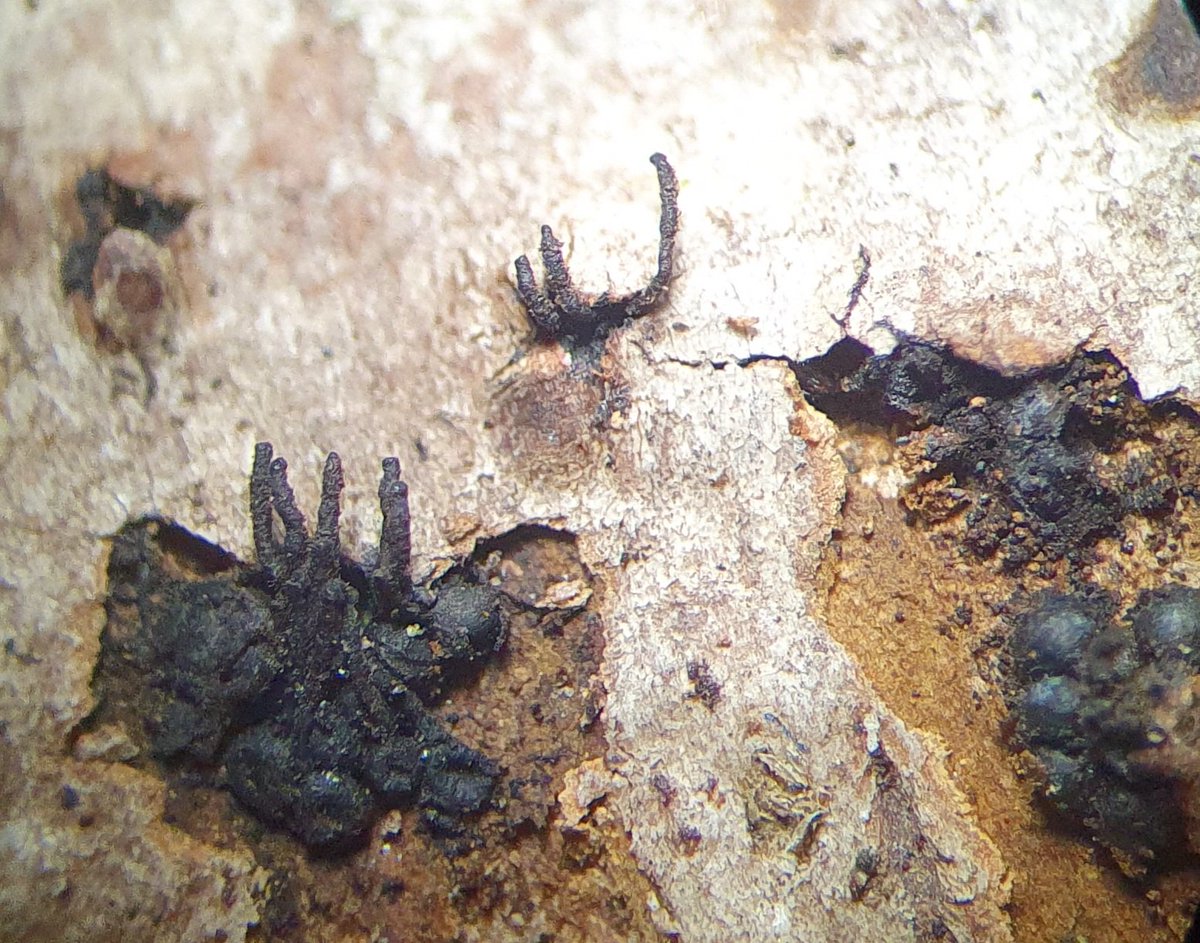
@ilichenmoss This might be of interest: https://t.co/oZnpR39jut . And also https://t.co/ReEUJbGoOs But if I recall correctly its ITS sequence is identical to the reference sequence of Phoma herbarum.
[1] EXPOSURE TO AIRBORNE DRUG-RESISTANT FUNGAL SPORES IN THE UK
New in @ScienceAdvances, our study involved 485 citizen scientists from across the UK to determine the background level of drug-resistant Aspergillus fumigatus spores in the air: https://t.co/XOsTVH5BZx
On this #FungiFriday we highlight a #NewPub! HUH Research Fellow Michael Bradshaw and colleagues mined the genome of 2000+ fungal species to evaluate the prevalence of intragenomic variation. #OpenAccess https://t.co/fE4dpp1i6K
Are your PCR products producing smears or unwanted bands on your agarose gels?
If they are, then why not check out our article below, where we look at some of the causes of non-specific amplification during PCR, and ways to reduce or remove it.
1/2
https://t.co/i4I9PeE7k4
Confused about how to use controls in PCR? Why not check out our guide to PCR controls in the Bento Lab Knowledge Hub!
In this article we cover controls used in DNA extraction, PCR, and troubleshooting, and how to interpret the results of controls:
https://t.co/uz5p7aWNiH
A fast, scalable #DNA extraction pipeline has been proposed for emergency biosurveillance by researchers from Greece.
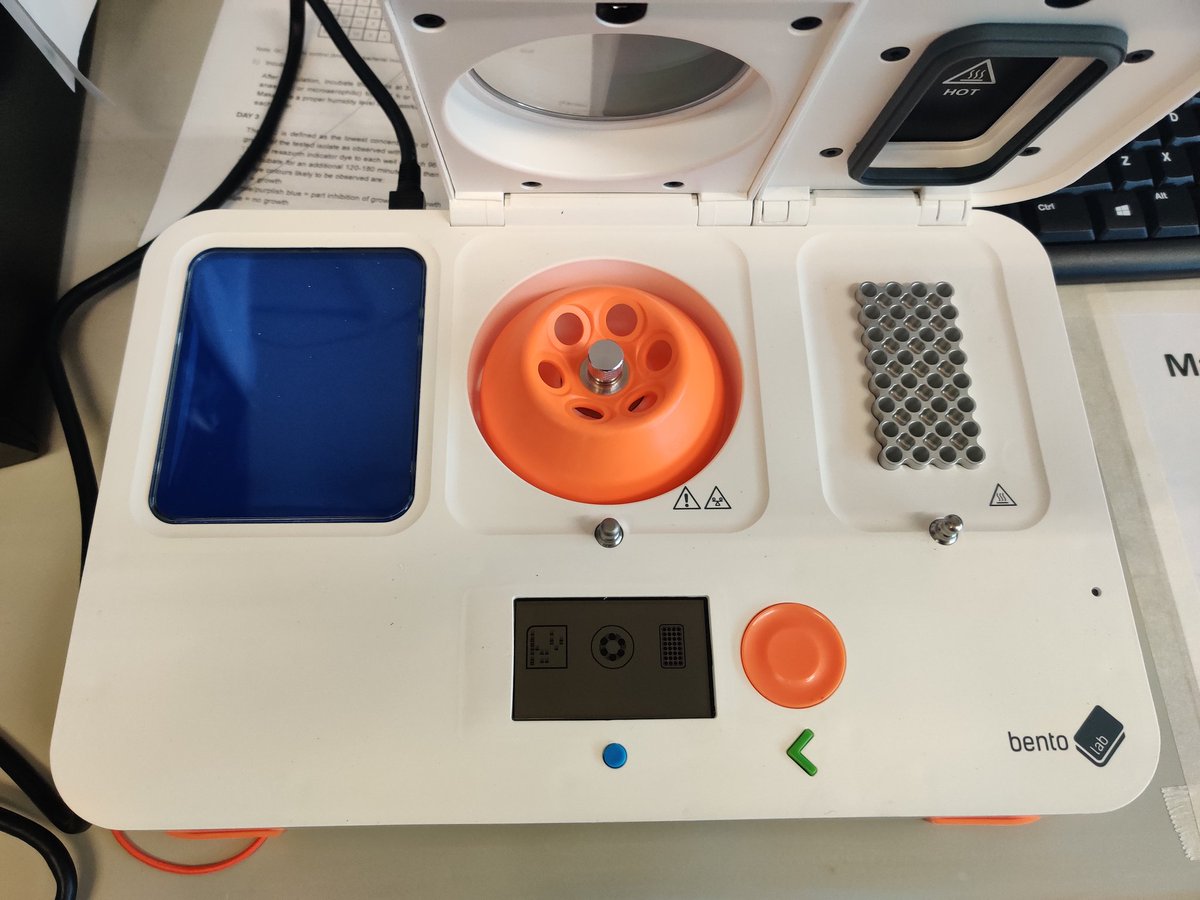
It was designed as a generic platform for all & tested with Bento Lab for point-of-need use in remote/low resource settings.
🧵 👇 1/8
https://t.co/ZAsU3lHo1Q
Are you curious about the potential of DNA barcoding using Bento Lab, as an amateur or professional researcher?
DNA barcoding is the use of standardised DNA regions to characterise and identify organisms to species level.
Find out more here:
1/8 👇🧵
https://t.co/u5jXg4tsrD
I’m co hosting a little get together of like minded fungi folk in #sussex 15-17th of September. I would love to see some of you there xx
👉https://t.co/Iur0VRykie
#fungi#mycology#TwitterNatureCommunity
Interested in the possibilities of Bento Lab for marine biology?
If you are, you can read about the exciting work of Dr. Cheryl Ames (@boxjellytalk) of Tohoku University in detecting deadly jellyfish, and helping sustainable octopus fishing, here:
1/6
https://t.co/7aqEIWjq1m
Confused about how to use controls in PCR? Why not check out our guide to controls in the Bento Lab Knowledge Hub!
In this resource we cover controls used in DNA extraction, PCR, and troubleshooting, and how to interpret the results of controls.
https://t.co/uz5p7aWNiH
1/2
Unsure about what equipment, reagents, and consumables to buy when starting to learn PCR with Bento Lab?
Why not take a look at our guide on this topic in the Bento Lab Knowledge Hub:
https://t.co/dmNIb3NvxN
1/2
Have you ever wanted to learn how to do PCR but never had access to a lab?
Or do you need a PCR teaching package for schools?
Our Biotechnology 101 Kit for Bento Lab teaches PCR lab skills using six DNA analysis projects — read about it here:
https://t.co/CQFXzTtOQr
1/2
Are your PCR products producing smears or unwanted bands on your agarose gels?
If they are, then why not check out our article below, where we look at some of the causes of non-specific amplification during PCR, and ways to reduce or remove it.
https://t.co/i4I9PeE7k4
1/2