Delighted to announce the Arbitrum Foundation’s participation in the @UNDP's Blockchain Advisory Group, an advisory forum exploring how blockchain technologies can advance sustainable development and the public good.
Over the past year, the Arbitrum Foundation has actively engaged with UNDP on the role blockchain can play in public-sector innovation and digital governance.
Excited to see the Blockchain Advisory Group officially launch and to continue contributing to these conversations.
The wait is over.
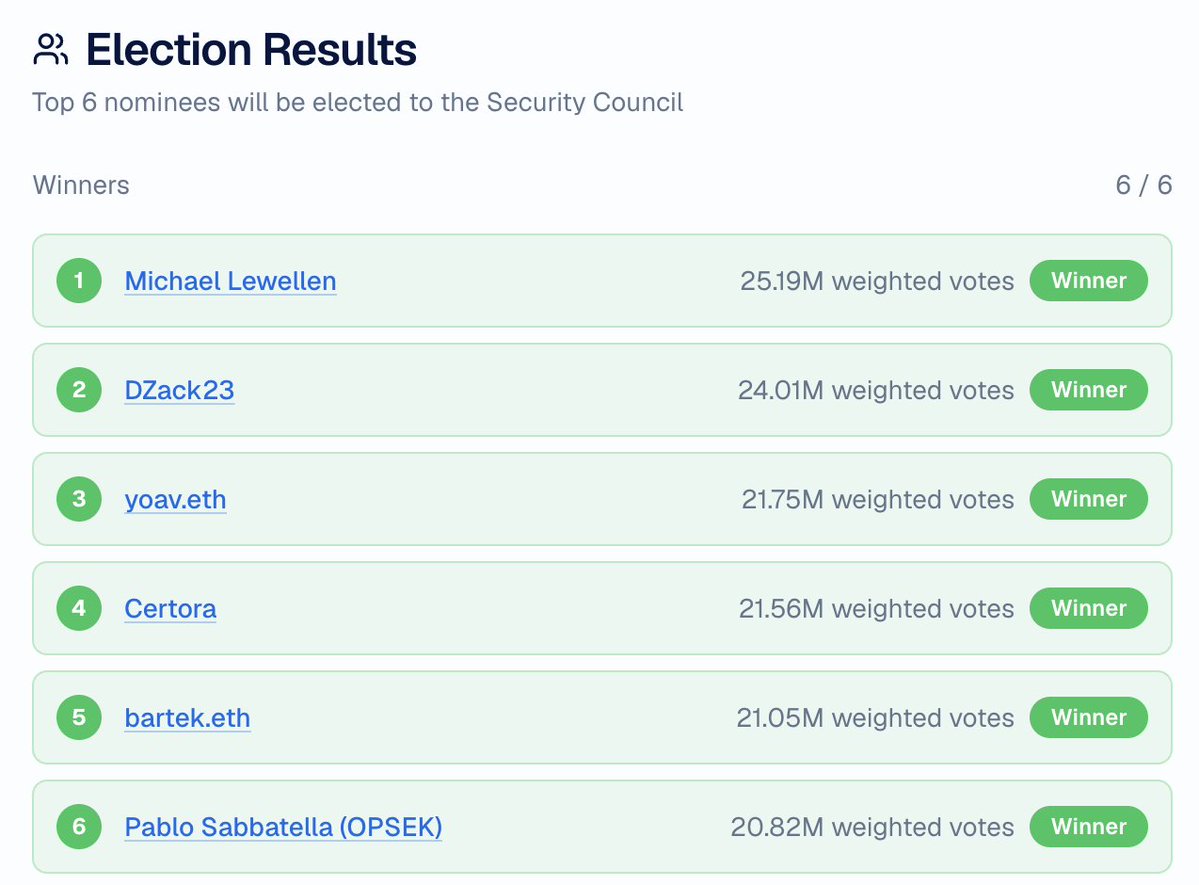
ArbitrumDAO’s March 2026 Security Council Member Election results are here!
Meet your 6 newly elected members 👇
https://t.co/oud8znosx5
There is discussion around decentralization and security councils.
First and foremost, the Security Council is a collective of 12 independent individuals and entities, primarily experts in blockchain security.
They are not hand-picked by the Arbitrum Foundation.
- They are elected by token holders in public elections
- Six seats are contested every six months.
- Elections have taken place for nearly 3 years.
Second, the Security Council's role is to be prepared for emergency and exceptional situations that threaten the integrity or availability of the Arbitrum ecosystem.
Third, everything about the Security Council is transparent and public. It is not a secret ghostly committee. It is described in the Arbitrum docs, the L2Beat website, and publicly discussed every 6 months during the elections.
With that out of the way.
The decentralization discussion is misplaced. It is a means to an end and not the end itself.
So what is the real question?
The debate is credible neutrality versus security-first neutrality.
- Credible neutrality: The system does not discriminate for or against a specific persons or groups.
- Security-first neutrality: The infrastructure remains impartial, but prioritises protecting users when exceptional threats arise.
In this scenario, user funds were not just stolen because of an exploit on another chain that is not Arbitrum, but it was stolen by the worst sanctioned actor imaginable.
The entire event is objective and publicly verifiable for all to see. There is no question or debate on what happened.
The Security Council reviewed the circumstances, evaluated their own options, and decided to act.
The action protected users against the worst sanctioned actor imaginable while having no broader impact on other users or the wider ecosystem.
This is why many observers concluded it was the correct decision and the "right thing to do".
The event is less about decentralization -- a term that means different things to different people -- and more about how neutral systems should respond when severe threats emerge.
A decision primarily within the domain of security-first neutrality.
Surely one of the most complex decisions ever made in Arbitrum governance history but a few things worth noting:
1. To all those screaming for the past few days “Arbitrum has a centralized sequencer so they can move funds”, take a few minutes to learn how Arbitrum works. The sequencer has absolutely no power to move funds and was not the one who acted here.
2. The decision to act was made entirely by the Arbitrum Security Council, a group of 12 individuals elected by the Arbitrum DAO (the annual election is currently underway — vote now!), which required 9/12 of them to agree.
The council is independent from the Arbitrum Foundation and Offchain Labs (1/12 of the elected members is an OCL engineer), and came to this decision by themselves after much deliberation.
You may not like the existence of security councils and you can form your own opinion on whether you agree with their actions, but this process was extremely distributed and coordinated by independent actors, and ina world where security councils exist, Arbitrum’s is a masterclass on how a truly independent security council should operate.
3. For many, the ultimate goal is to get rid of the security council entirely, but this is complicated.
Technically it’s easy — the security council is elected by the DAO and operates at its pleasure, and the DAO can turn it off at any time.
But the harder question is _should_ the DAO do that? L1s have the ability to hard fork. Security councils control the analogous power for the L2. If you get rid of it, you lose the ability to hard fork. You can still update the chain via DAO vote but that’s a slow process and you can no longer do fast emergency actions (which includes both actions like the security council took today as well as the ability to quickly upgrade the code in case an exploitable vulnerability in the software stack is discovered).
As I’ve said many times, the best path that I see to getting rid of security councils is for the L1 itself to take on this burden for its most important L2s (as defined by objective criteria). In that case, in the case of a vulnerability or an exploit the conversation for L1 and L2 will be identical — does this warrant an L1 hard fork. I’m hopeful that we can reopen this conversation in the coming weeks.
Arbitrum just clawed back $71M from the KelpDAO exploiter, and CT already saying "Arbitrum it's not decentralized."
I think most people saying this fundamentally misunderstand what decentralization actually means.
Decentralization isn't binary. It has three dimensions: political, technical, and economic. And on the dimension that matters most, Arbitrum is doing it correctly.
Political decentralization means no single entity controls decisions.
1. The Security Council consists of 12 independently elected individuals, not appointed by Offchain Labs or the Arbitrum Foundation.
2. Any action requires 9/12 consensus before it can be executed.
3. Only 1 of the 12 members is even an OCL engineer.
The frozen funds still require a full governance vote to determine their final fate.
And here's the thing nobody wants to say out loud: pure decentralization at this stage of DeFi would be catastrophic.
Imagine a few years from now. BlackRock, Franklin Templeton, and every major TradFi juggernaut is fully onchain. Billions in tokenized assets. Then an exploit hits. And because the chain is purely decentralized, nobody can do anything. The money is just gone, no recourse, no recovery. Game over for institutional adoption.
IMO, Arbitrum saw this coming. The Security Council exists precisely because capital at scale requires a safety net, not for convenience, but for the long-term survival of the ecosystem. This wasn't a reactive decision. It was deliberate infrastructure built years in advance for exactly this kind of moment.
On the abuse of power concern: the system has real constraints. Neither Offchain Labs nor the Arbitrum Foundation can act unilaterally. Everything flows through an elected council and governance. Every action is visible onchain. Every decision is publicly justified, so you can't hide anything.
Think of Arbitrum like a country running on democracy. There's a constitution, elected representatives, emergency powers that require consensus to invoke, and a legislature that holds ultimate authority. Is it a perfect democracy? No. But it's a functioning one, and that's more than most chains can claim.
Arbitrum maybe isn't purely decentralized. It isn't centralized either. It sits deliberately in between, and right now, that's exactly where it needs to be.
For where DeFi is today, this isn't a weakness at all it's the right design.
LIVE: Final round of Security Council election voting is underway.
11 candidates have made it this far. It is now up to the DAO to choose its top 6 to join the Arbitrum Security Council’s March 2026 Cohort!
Find out how to cast your votes 👇
https://t.co/TKoRo3OWQk
The ArbitrumDAO is now 3 years old.
Claim a piece of this moment now on @OpenSea and join us in building out the future of the Arbitrum Platform.
Mint here: https://t.co/n1hJckNS6j
🚨The Arbitrum Security Council Nominee Selection phase is NOW LIVE.
16 candidates have registered for the March 2026 election.
Delegates have until March 29 to nominate their preferred candidates for the final Member Election phase.
https://t.co/eOdjx930x2
🚨REGISTER NOW: The Contender Submission phase for the March 2026 Arbitrum Security Council election is live!
Think you’re a good fit or know someone who is? You have 1 week from now until Mar 22 to register👇
https://t.co/s7yMct7nTw
Tally has been a key governance infrastructure provider to the ArbitrumDAO, and we thank the @tallyxyz team for their contributions.
Transition efforts are already underway to ensure governance operations continue as usual, including the ongoing Security Council election.
Further updates will follow as the next steps are finalized.
Robinhood Chain testnet is now live on the Arbitrum platform.
Phase 1 focuses on developer onboarding and infrastructure testing:
Testnet gas + Stock Tokens
Contract deployment
Bridging + explorer visibility
This allows tokenized asset flows to be tested without production risk.
⚠️ Testnet assets have no real-world value.
Update: We have regained control of the @arbitrumdao_gov account. It is now safe to interact with again.
Thank you to everyone who flagged suspicious activity and avoided engaging with the compromised posts.
We're reviewing our security protocols to prevent future incidents.
🚨SECURITY ALERT
The @arbitrumdao_gov account has been compromised. Do not click any links or interact with posts from that account until further notice.
We are working to recover access. Updates to follow.
TheDAO is back. BULLISH
A decade later, we’re opening a new chapter.
TheDAO Security Fund: activating 75,000+ ETH to strengthen Ethereum security.
https://t.co/VV3cH313TE
ArbitrumDAO is built different.
The community fully governs the treasury, every vote executes onchain and over a dozen major upgrades have shipped in 2025 alone.
Start here to participate in crypto’s most active DAO 👇 https://t.co/4KWANOS8r1
🔊 Tune in tomorrow for another episode of the
Snapshot of the Week
with @raamcc from @arbitrum Foundation, @0xPruitt from @EntropyAdvisors, and @Sinkas_ from Arbitrum OpCo, to discuss the Rewarding Active Delegates (RAD) Program
https://t.co/h8SFwFYKMI
🔊 Tune in on Friday for another episode of the
Snapshot of the Week
with @raamcc, @0xPruitt, and @Sinkas_ to discuss the latest @arbitrum proposal
https://t.co/h8SFwFYKMI
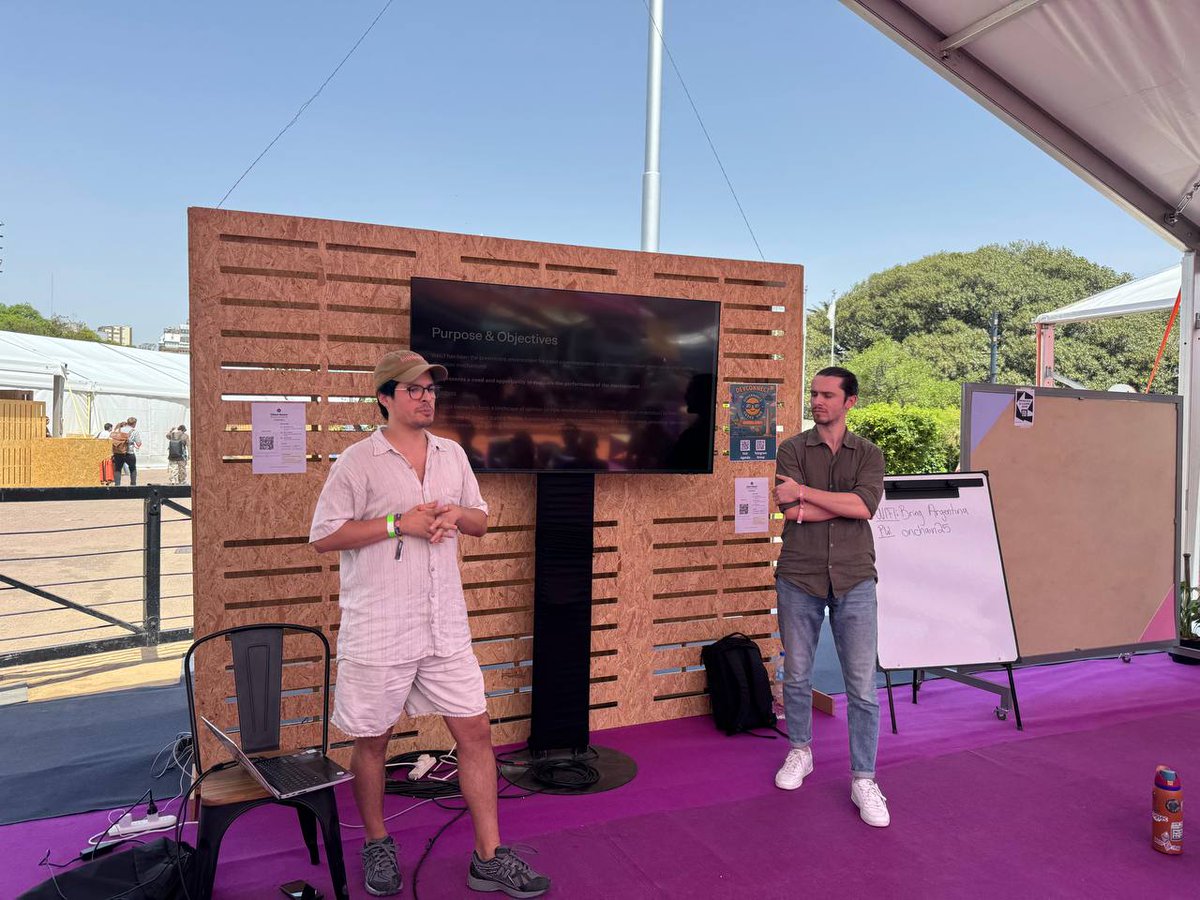
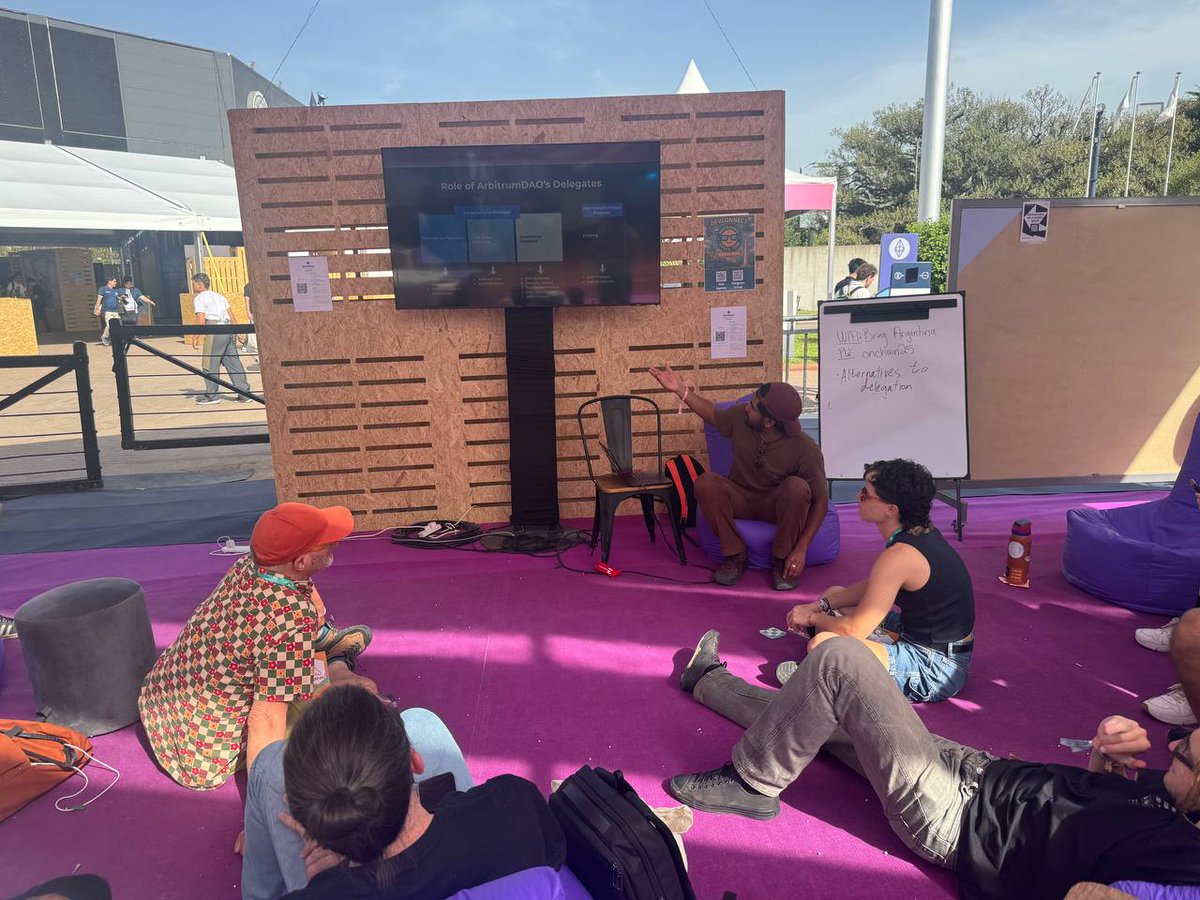
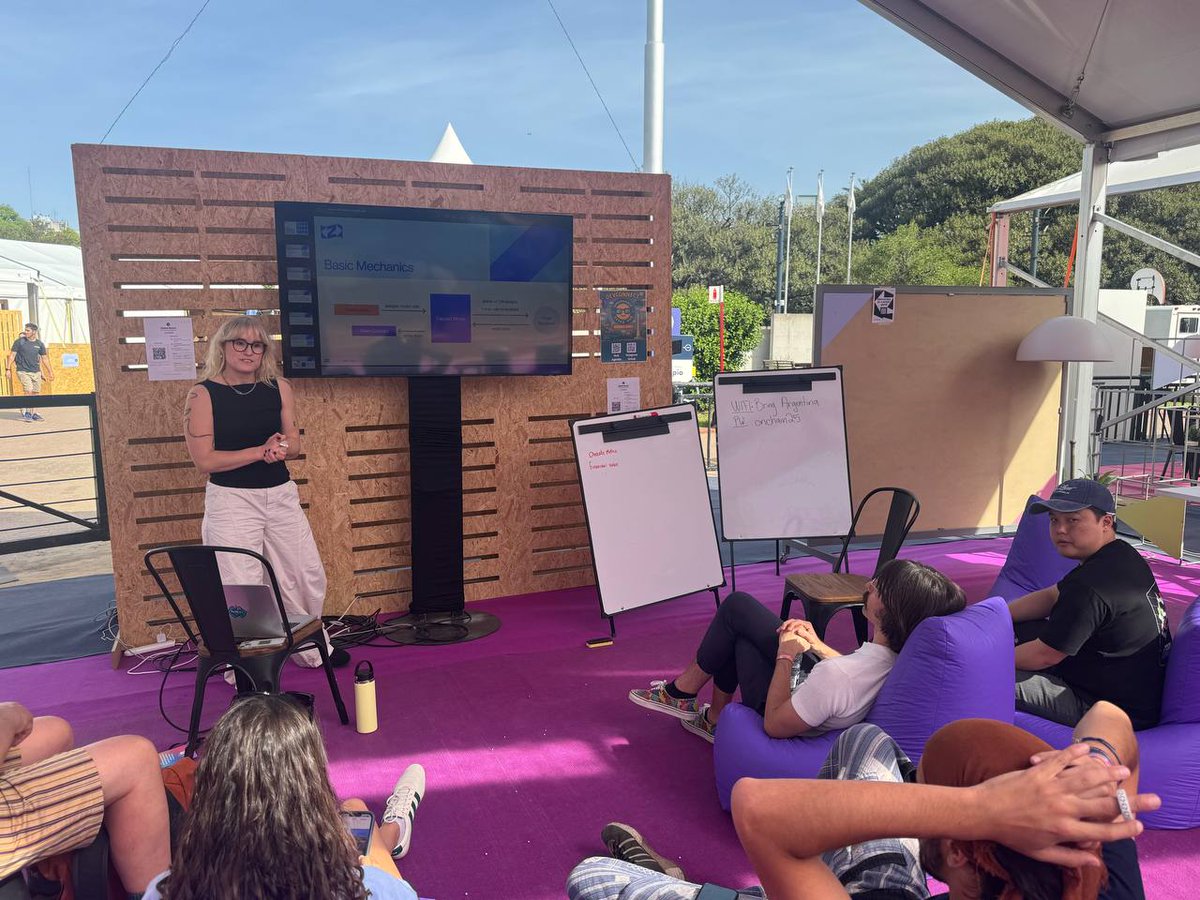
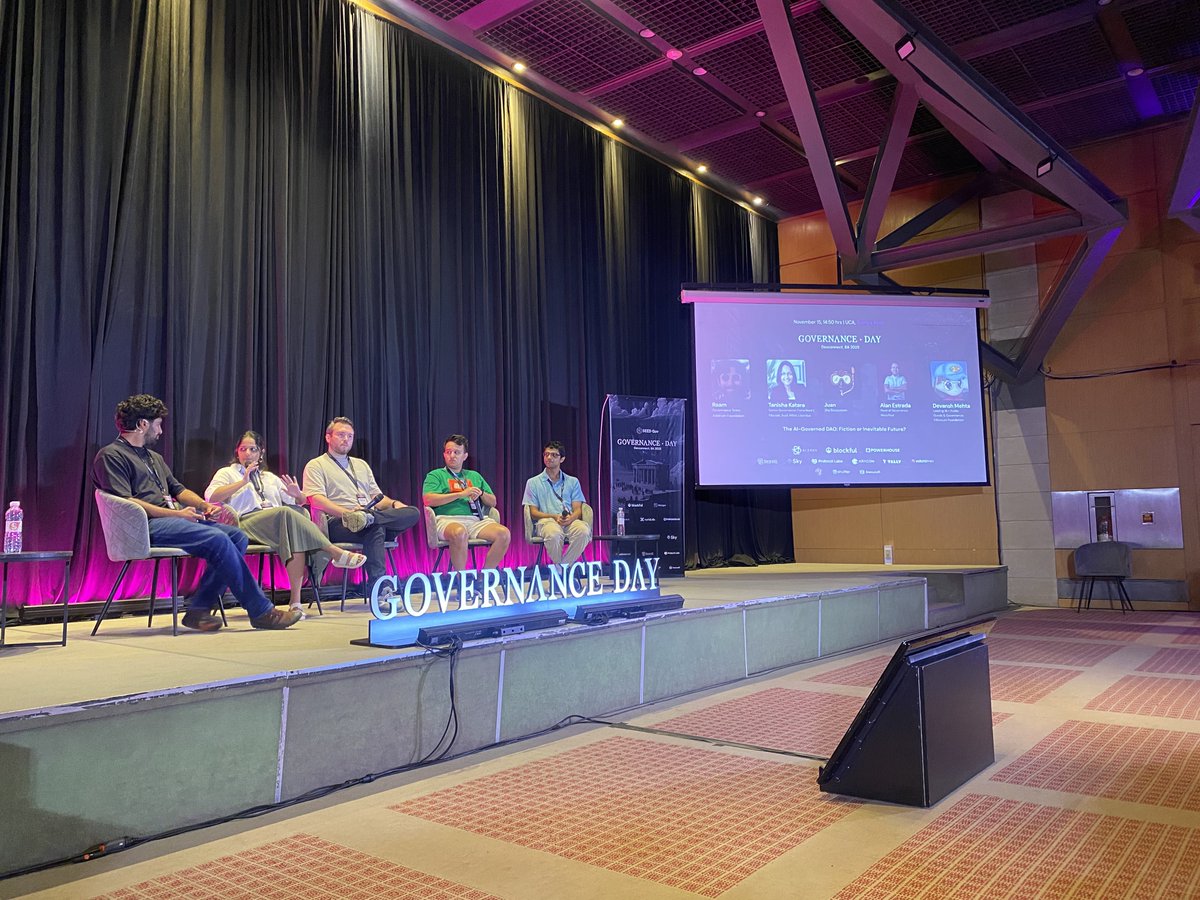
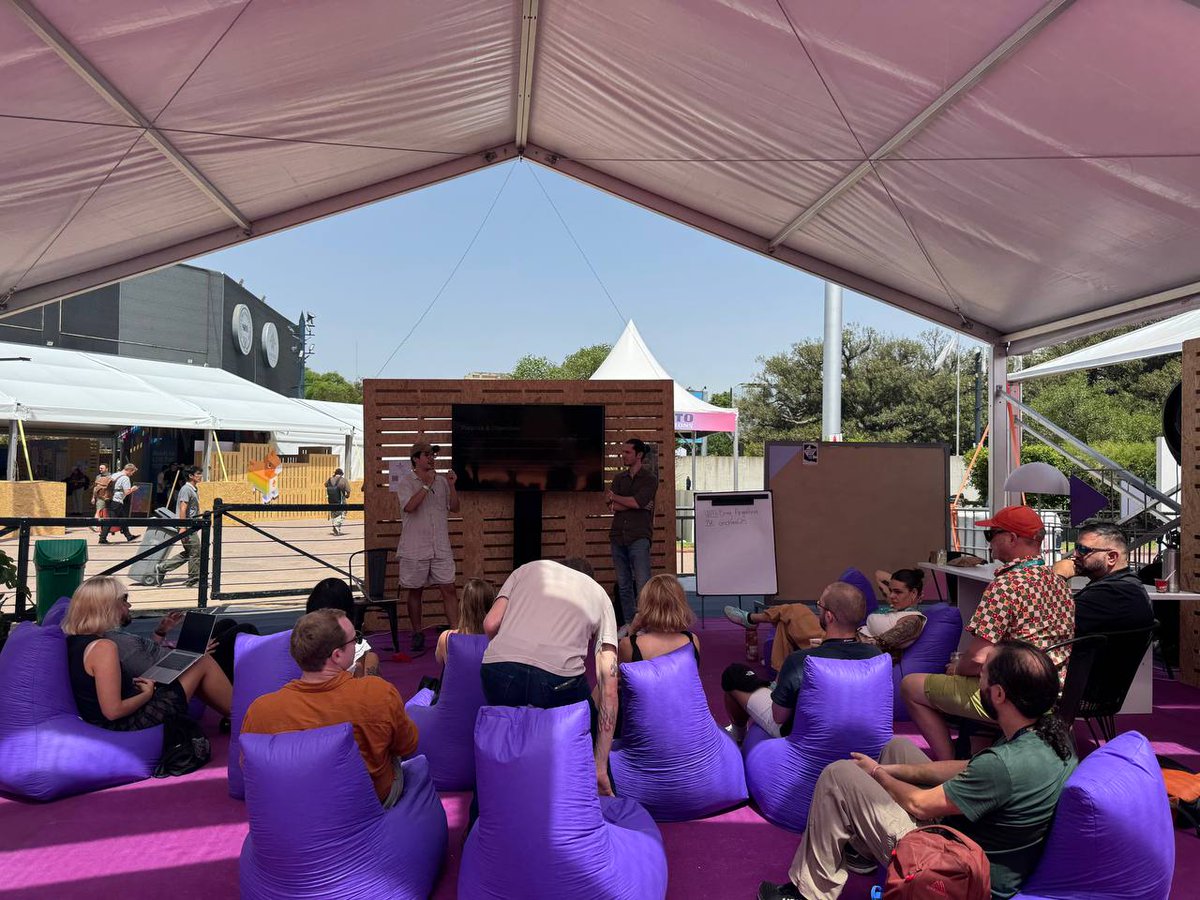
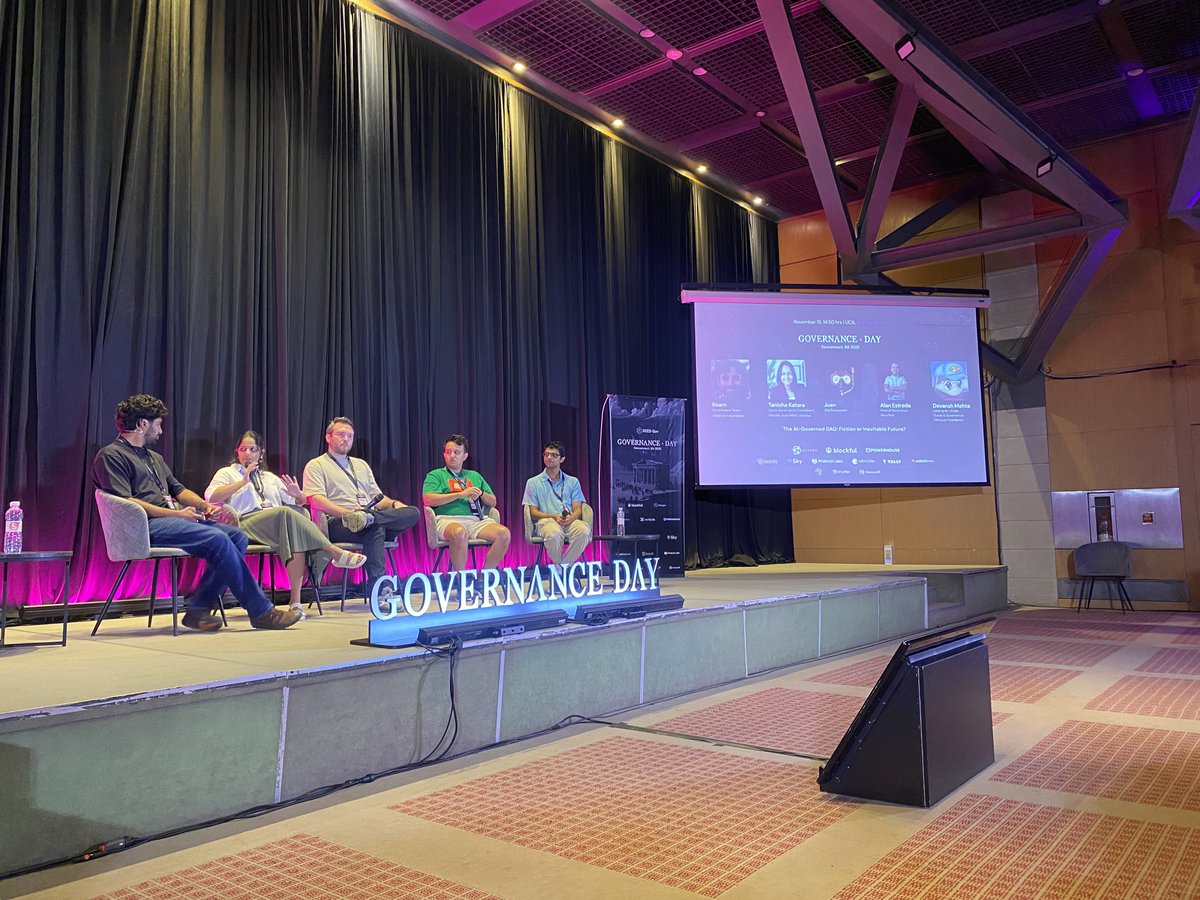
2/ Before the Devconnect even began, @arbitrum and @DAO_Arbitrum were in Argentina and starting strongly at Governance Day by @SEEDGov
On Saturday, we had @raamcc hosting and moderating a panel on ‘The AI-Governed DAO: Fiction or Inevitable Future.’