Dear @Microsoft, making ALT+C a keyboard shortcut for Copilot in Outlook is a profoundly stupid idea.
Now I can't type ć in Polish.
I really need ć to type certain key phrases in my emails.
Do you want to get hate mail in Polish? Cause this is how you get hate mail in Polish.
Poland does not perform victimhood well, and in many ways it refuses to perform it at all. This is often misread from the outside as indifference, defensiveness, or even denial, but it is more accurately the result of a long historical conditioning in which survival depended not on recognition, but on endurance. For Poles, suffering was rarely rewarded by sympathy and often punished by further violence, so it was learned early that pain was something to be carried quietly, not displayed.
Centuries of invasion, partition, and occupation trained people to endure rather than appeal. Under German occupation, visibility could mean death. Under Soviet rule, memory itself could become a liability. Speaking too much, remembering too clearly, or framing oneself as wronged invited suspicion, interrogation, or worse. Over time, this produced a cultural instinct not to ask the world to witness suffering, but to outlast it. Dignity was found in persistence, not in acknowledgment.
This helps explain why Polish history is so often misunderstood abroad. In cultures where moral recognition is linked to public articulation of harm, silence is taken as absence. In Poland, silence was protection. Families learned to survive by minimizing themselves, by lowering their profile, by passing on trauma through habits and warnings rather than testimony. Children inherited caution without always knowing its origin, and grief became embedded in posture, discipline, and restraint rather than in narrative.
There is also a deep discomfort in Poland with being defined primarily by injury. To accept the role of victim is, for many, to surrender agency, and Polish history offers too many examples of what happens when others define you. Resistance, whether armed, cultural, or spiritual, became central to identity, and that resistance did not sit comfortably alongside appeals for pity. Poles were not waiting to be rescued, they were trying to survive long enough to reclaim themselves.
I admire this instinct, even as I struggle with it. There are moments when I wish this refusal were softened, when the weight of what Poland endured could be stated more openly, not for moral competition, but for historical clarity. Silence protected people once, but in the modern world it can also allow erasure. When suffering is not asserted, it is often reassigned, minimized, or written out entirely.
Still, the refusal to perform victimhood is not denial, it is inheritance. It is the residue of generations who learned that survival required keeping one’s head down, one’s story incomplete, and one’s dignity intact. Poland does not ask to be pitied. It asks, if anything, to be taken seriously, not as a symbol or a moral lesson, but as a nation that endured and chose to remain standing.
Reducing memory capacity, discontinuing mid- to low-end models… IT companies enter “survival mode”
One of the current concerns for the management of Samsung Electronics’ Device Experience (DX) Division, which is in charge of the finished product business, is the “surge in memory semiconductor prices.” The cost burden has snowballed as the prices of memory semiconductors, which account for 20–25% of the cost of flagship products such as Galaxy smartphones and PCs, have more than doubled in just a month. An ordinary company would share the burden with consumers by raising product prices, but Samsung Electronics, which has Apple, the strongest information technology (IT) company, as a competitor, finds it difficult to raise prices recklessly. Samsung Electronics plans to raise prices for mid- to low-end products in emerging markets and observe consumer reactions before deciding whether to raise prices for premium artificial intelligence (AI) phones such as the Galaxy S26, which is scheduled to be released in February next year.
◇ Memory prices more than doubled in a month
According to DRAMeXchange on the 18th, the latest PC DRAM product, a 16-gigabit (Gb) double data rate 5 (DDR5) chip, was priced at 24.8 dollars per unit as of the 17th, up 136.8% in just one month. The spot price in the second week of November for 512 Gb triple-level cell (TLC) NAND flash used in solid state drives (SSDs) and mobile devices was 5.51 dollars, up 14.21% from the previous week.
There is also a forecast (from market research firm TrendForce) that the average contract price (contract price between companies) of DRAM in the fourth quarter of this year will rise 75% year-on-year. In the semiconductor industry, it is expected that demand for memory semiconductors in smartphones, PCs and servers will increase simultaneously, but that the three major memory makers—Samsung Electronics, SK Hynix and Micron—will not significantly increase supply. In other words, memory prices are expected to continue rising next year as well.
◇ “Memory is eating into hardware companies’ profitability”
Manufacturers and sellers of IT finished products such as servers, smartphones and PCs have taken a direct hit from “memoryflation” (memory + inflation). This is because memory accounts for the largest share of the cost of major IT products. Memory accounts for 40–53% of the cost of a server, 25% for an AI PC, and about 18% for a smartphone.
Global investment banks (IBs) are sounding the alarm. Morgan Stanley did so on the 16th when it released a report titled “Memory is eating into hardware companies’ profitability.” Morgan Stanley said, “The rise in memory prices will bring a cost shock to PC, server and storage companies,” and lowered the 2025 earnings-per-share (EPS) forecasts of major IT finished product companies by about 10% compared with the consensus (the average of brokerage forecasts).
Investment ratings for server and PC companies were downgraded one after another. The investment rating for PC maker Dell was downgraded from buy to sell, and the target price was lowered from 144 dollars to 110 dollars. The investment rating for HP was also lowered from neutral to sell, and the target price was cut from 26 dollars to 24 dollars. Lenovo also did not escape the wave of rating downgrades.
For server specialist companies, the investment ratings and target prices of US-based Hewlett Packard Enterprise (HPE) and Taiwan-based Pegatron and Gigabyte were also simultaneously revised downward.
◇ Global smartphone and notebook markets likely to slow next year
Memoryflation, in which the prices of IT finished products follow the steep rise in memory prices, has become a reality. According to Indian media, smartphone makers such as Samsung Electronics and China’s Oppo and Vivo have raised the prices of entry-level models such as the Galaxy A17 (Samsung), F31 (Oppo) and T4x (Vivo) by up to 2,000 rupees (about 33,000 won). Considering that consumer prices for these smartphones are in the 200,000–300,000 won range, this is an increase of around 10%.
There is also a forecast that the global smartphone and notebook markets will slow next year due to the surge in memory prices. TrendForce revised its forecast for next year’s smartphone production growth rate from 0.1% to -2.0% and for PC production growth from 1.7% to -2.4%. It expects the jump in memory prices to drive up consumer prices and thereby dampen consumer demand. TrendForce analyzed that if memory prices in the fourth quarter of this year rise more than 75% year-on-year, the manufacturing cost of smartphones will increase by 8–10%. It also predicted that notebook prices would rise by 5–15% for the same reason.
IT finished product companies such as Apple are seeking to defend profits by moving to preemptively secure DRAM and NAND supplies while also discontinuing low-profit products. Nvidia and AMD are reportedly considering discontinuing mid- to low-end gaming graphics cards, where memory accounts for a large portion of the cost. Taiwanese PC makers such as ASUS are said to be reviewing plans to reduce memory capacity. TrendForce analyzed, “Companies are highly likely to cut back production of low-priced products with slim margins and raise overall prices.”
Filmik, który w naprawdę przystępny sposób tłumaczy absurd przywiązania do samochodów spalinowych.
One są "wygodniejsze" tylko dlatego, że mamy za sobą 100 lat przyzwyczajeń i budowy infrastruktury pod nie.
Gdyby wiek temu historia potoczyła się inaczej i dzisiaj ktoś próbował przejść z elektrycznych na spalinowe, to ludzie by się pukali w głowę. Stacje ładowania byłyby na każdym parkingu, przy każdy sklepie, kinie, szkole, miejscu pracy i w każdym garażu, a baterie byłyby recyklingowane tak samo jak butelki po piwie.
Teraz największą wadą aut elektrycznych jest właśnie słaba infrastruktura do ładowania, ale to się zmienia dosłownie z każdym miesiącem, gdzie co chwilę powstaje gdzieś nowa ładowarka.
Warto tutaj jeszcze dodać wątek strategiczny - w Polsce, która nie posiada żadnych sensownych złóż ropy, idea, że zamiast korzystac z własnego prądu generowanego na sto różnych sposobów mielibyśmy wydawać dziesiątki miliardów złotych rocznie na import paliwa, którego nie posiadamy, z krajów nam potencjalnie wrogich, oddając tym samym suwerenność w zakresie napędzania transportu, byłaby traktowana wręcz jako zdrada narodowa.
No ale do aut spalinowych się przyzwyczailiśmy, więc logika się nie liczy, a elektryki to zło.
Ciekawa jest historia powstania mObywatela i jak rodzą się wielkie pomysły.
Była minister zapomniała torebki do Sejmu z dowodem osobistym i nie chcieli jej wpuścić.
Na pytanie swoich doradców - jak możemy pomóc - padło, "chce mieć wszystko w telefonie" i się zaczęło, wbrew 1/2
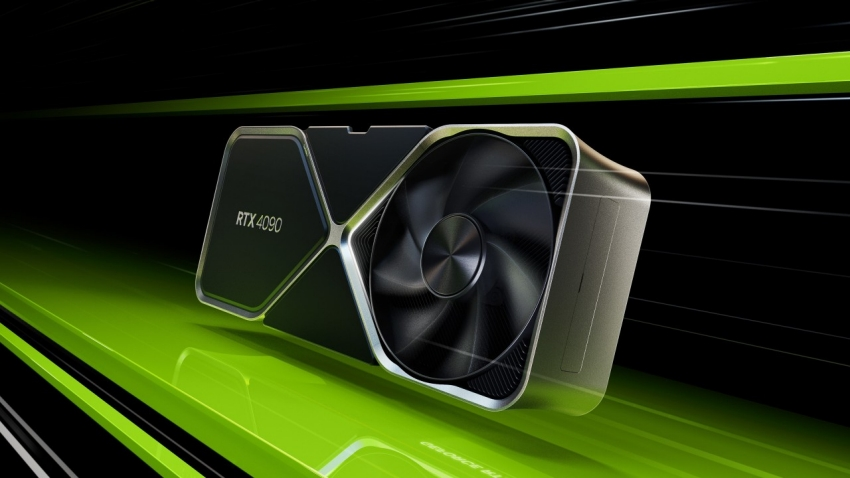
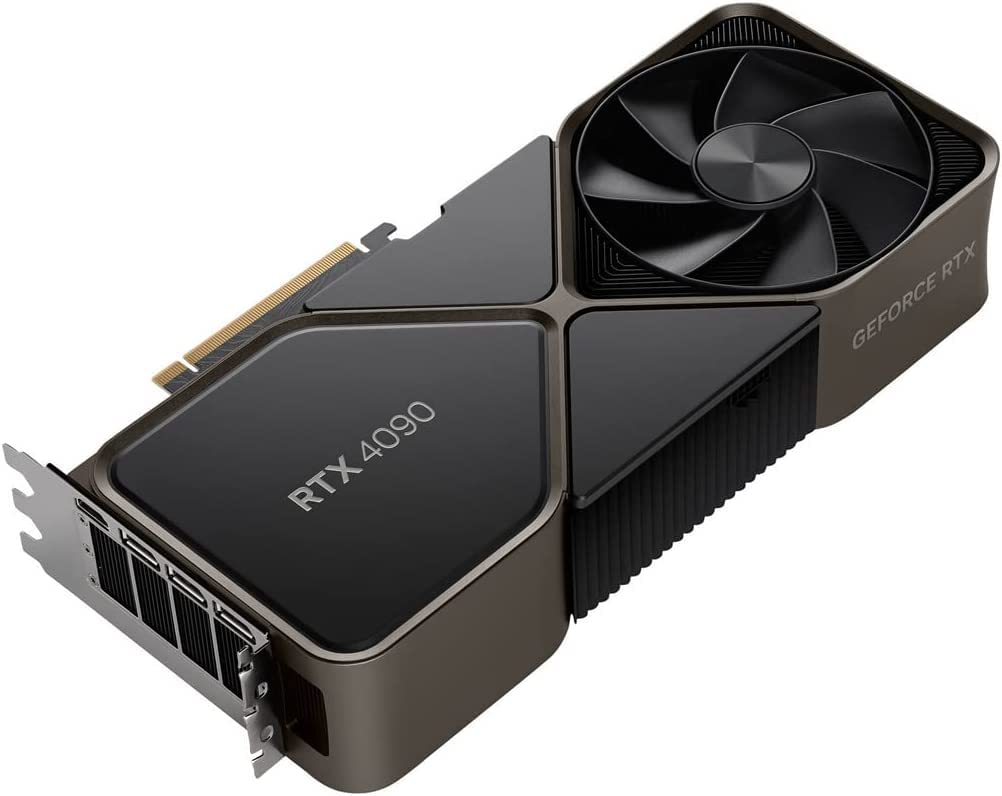
Ponieważ temat AI i zakupów dużych ilości GPU do robienia AI będzie aktualny przez dłuższy czas, oto wątek z poradnikiem dla fotoedytorów ilustrujących teksty prasowe.
Na obrazku domowa karta graficzna (GPU) do grania w gry, koszt 2-10 tys. zł za sztukę. NIE O TAKIE GPU CHODZI.
I invite you all to read this story about a European country. Moral leadership may seem out of place at a time when transactional politics has come to dominate headlines. Solidarity, however, is deeply imbued in this nation’s DNA.
Spread it out 🧵🫡🇵🇱
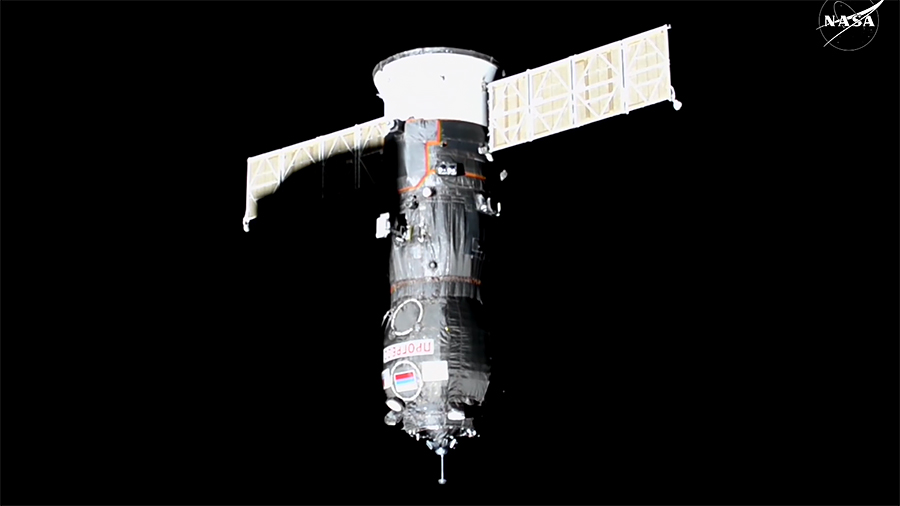
🇷🇺 🛸 Coś mi tu śmierdzi... czyli rosyjski statek przybywa na ISS
Mieliśmy dwa wycieki płynu z układów chłodzenia Sojuza i Progressa, to teraz pora na inne atrakcje. Do stacji kilkanaście godzin temu zadokował Progress MS-29 i... wywołał kolejną alarmową sytuację.
1/9
🚨🚨🚨 Słuchajcie! Zbanowano konto Ministerstwa Niedorozwoju @MNiedorozwoju.
Mam nadzieję że suport platformy X szybko ogarnie i przywrócą je właścicielowi. To są jakieś jaja!
‼️ ROZBUDOWA OKĘCIA - GAME OVER ‼️
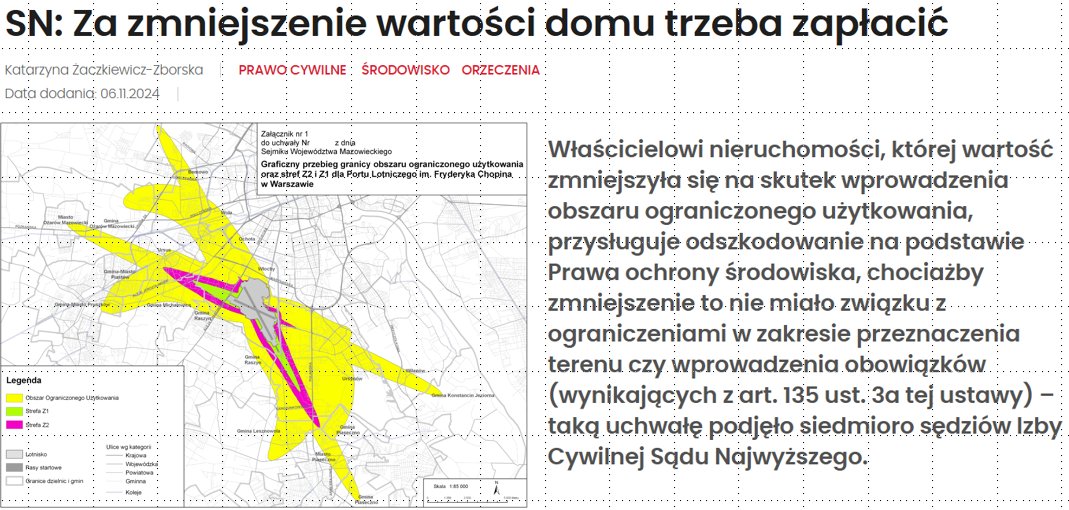
Sąd Najwyższy orzekł wczoraj, że właścicielom przysługuje odszkodowanie z tyt. utraty wartości nieruchomości w związku z wprowadzeniem Obszaru Ograniczego Użytkowania wokół portu lotniczego. Wyrok ten powinien położyć kres wszelkim dywagacjom @LasekMaciej na temat potencjalnej zmiany OOU wokół Lotniska Chopina i podnoszenia liczby operacji lotniczych do 800 na dobę
Liczymy:
- w OOU Lotniska Chopina żyje ~317,000 osób
- na 1 gospodarstwo domowe przypada ~2,31 osób
- mamy więc ~137,000 gospodarstw domowych
- przeciętna wielkość gospodarstwa ~59m2
- łączna powierzchnia nieruchomości ~8,1 mln m2
- średnia cena ~15,000 zł/m2
- szacunkowa wartość nieruchomości ~121,5 mld zł
Jeżeli zatem podniesienie ruchu lotniczego na Lotnisku Chopina o 1/3 (600 --> 800) spowoduje spadek średniej ceny nieruchomości o 10%, mówimy o potencjalnych odszkodowaniach rzędu 12 MILIARDÓW ZŁOTYCH które Lotnisko Chopina będzie musiało wypłacić mieszkańcom strefy OOU
Kalkulacja nie obejmuje spadku cen nieruchomości niezabudowanych i budynków użytkowych, a zatem niniejszy szacunek możemy pomnożyć x2 lub więcej
Czy w świetle tej decyzji Sądu Najwyższego @LasekMaciej wraz z Zarządem PPL w dalszym ciągu zamierza brnąć w pozbawioną sensu wizje rozbudowy Lotniska Chopina, jednocześnie celowo opóźniając projekt CPK?
‼️ BUDOWAĆ CPK NATYCHMIAST ‼️