Physician Scientist in-training @ SUNY Upstate. Thinking of space and time (ie: spatially mapping viral phylogenies). Past:NYGC,C2i Genomics. For fun:🏉🚴🔊🎶
1/n: There are some academic papers that are so brilliantly and so accessibly written and so universal in scope that they transcend disciplines and stand as timeless testaments to both great thinking and great writing. Here's a short personal selection:
DoTA-seq utilizes droplet microfluidics to isolate, lyse and amplify target genetic loci for high-throughput single-cell sequencing of microbial populations.
@oventurelli2@UWBiochem@FreemanLan2
https://t.co/oDKamlJe1a
I’m half tempted to do an “understanding medicine” for engineers just to help explain how much nuance and complexity there is (which is an important consideration when making design choices for AI models).
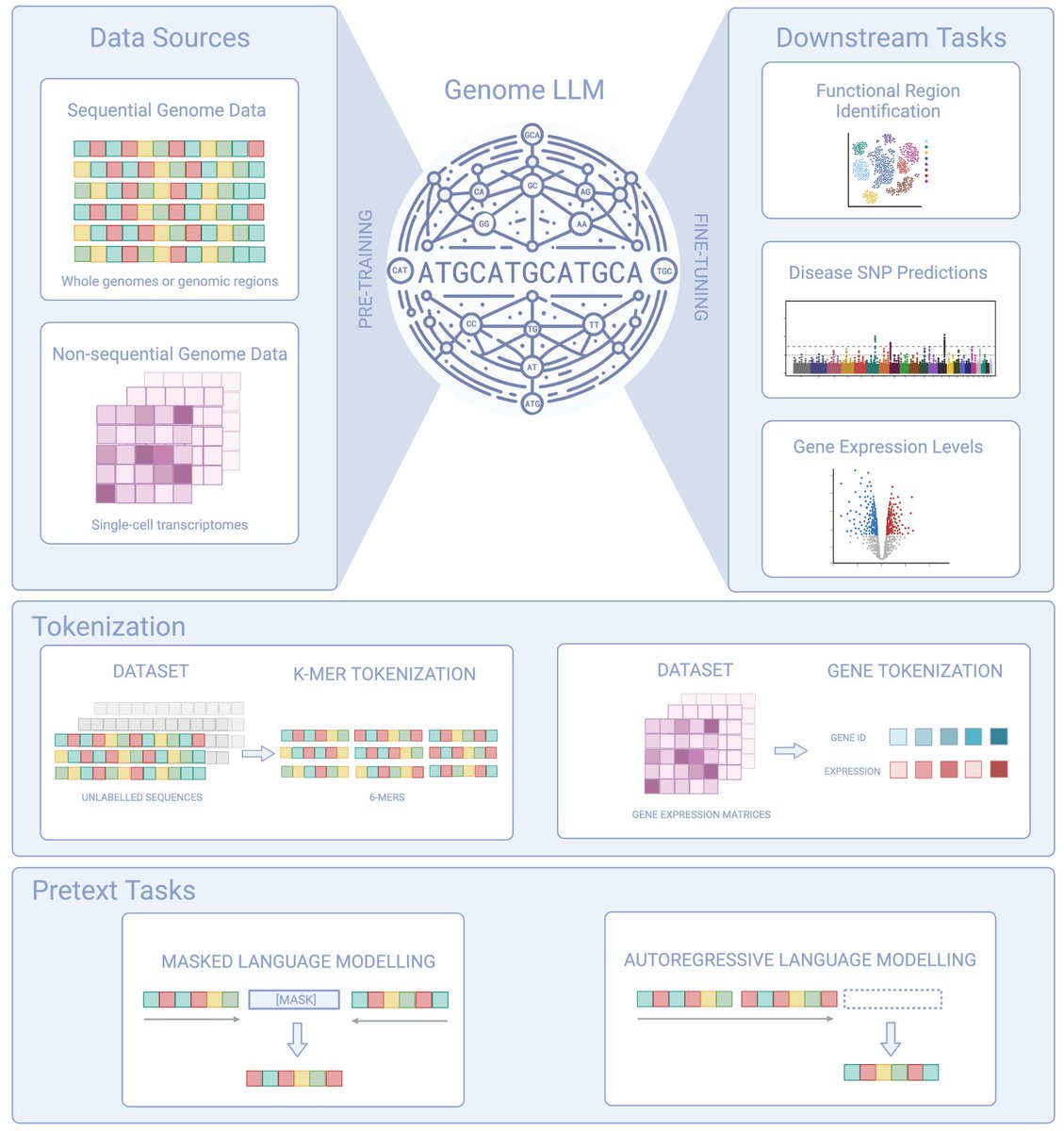
Interested in LLMs for genomic research but don't know where to start? looking for a review/survey to get started in this field? 👇👇😀
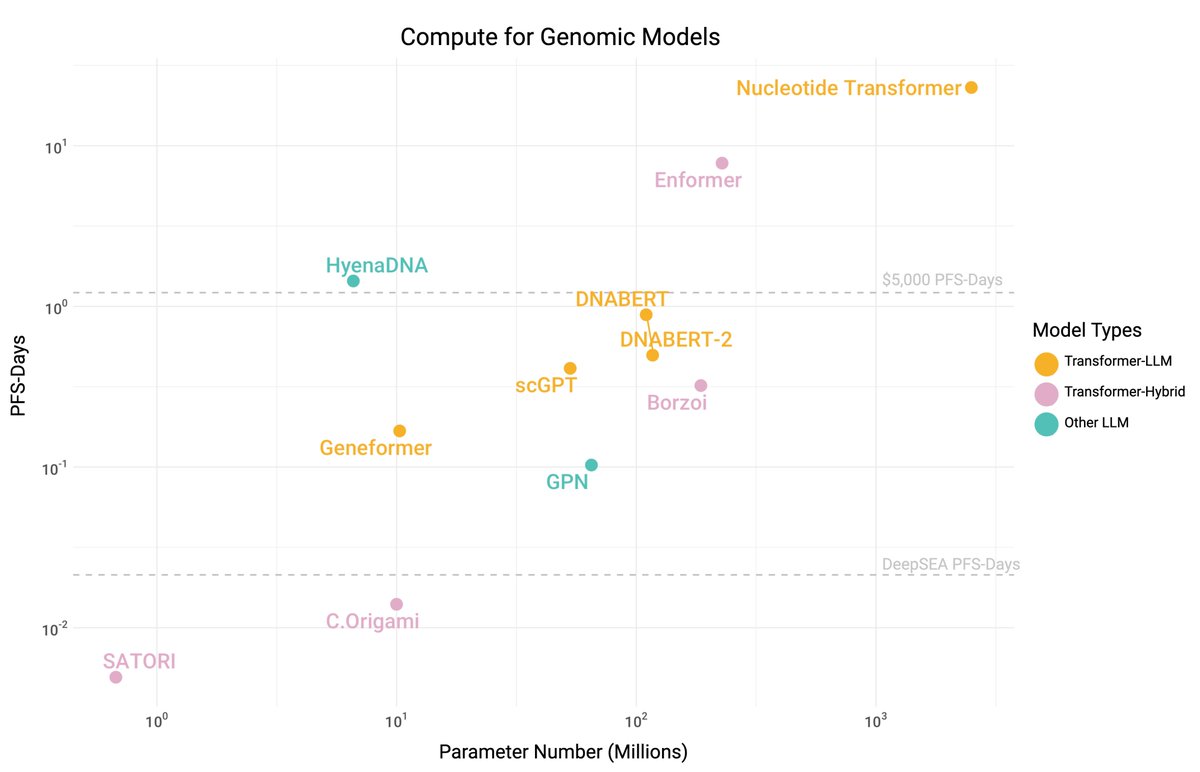
I am very excited to share that our review paper titled "To Transformers and Beyond: Large Language Models for the Genome" is now available as a preprint (https://t.co/U24TUSseNr)! Our review unveils a revolution in genomics analysis with Genome LLMs. 🧬
🔍 What's Inside:
✅ The power & challenges of transformers in genomics.
✅ Cutting-edge models like HeynaDNA and scGPT & their impact.
✅ Deep dives into Enformer, DNABERT, and other Genome LLMs.
🌍 Why it Matters:
1. GPT-4's influence reshapes AI in genomics.
Unmatched insights into transformers' role in genomics.
2. Critical analysis of new models, addressing interpretability, privacy, & computational needs.
3. Essential for computational biologists & computer scientists to navigate the future of genomic data analysis.
This is a work led by the amazing PhD student, Mica Consens, in the lab! Also, a huge collaborative work with lots of field leaders @fabian_theis@genophoria@MKarimzade@michaelwainberg and Alan Moses!
@UofT@VectorInst@UofTCompSci@UofT_LMP@UHN@pmcc_ai@UHNAIHUB
One of my favorite things about the hematopoietic system is how it basically produces micromachines instead of your textbook “cells”. Many are anucleated or weird-shaped, packed full with the products of just a few genes, or even exploding if you tickle them.
Such a cool system!
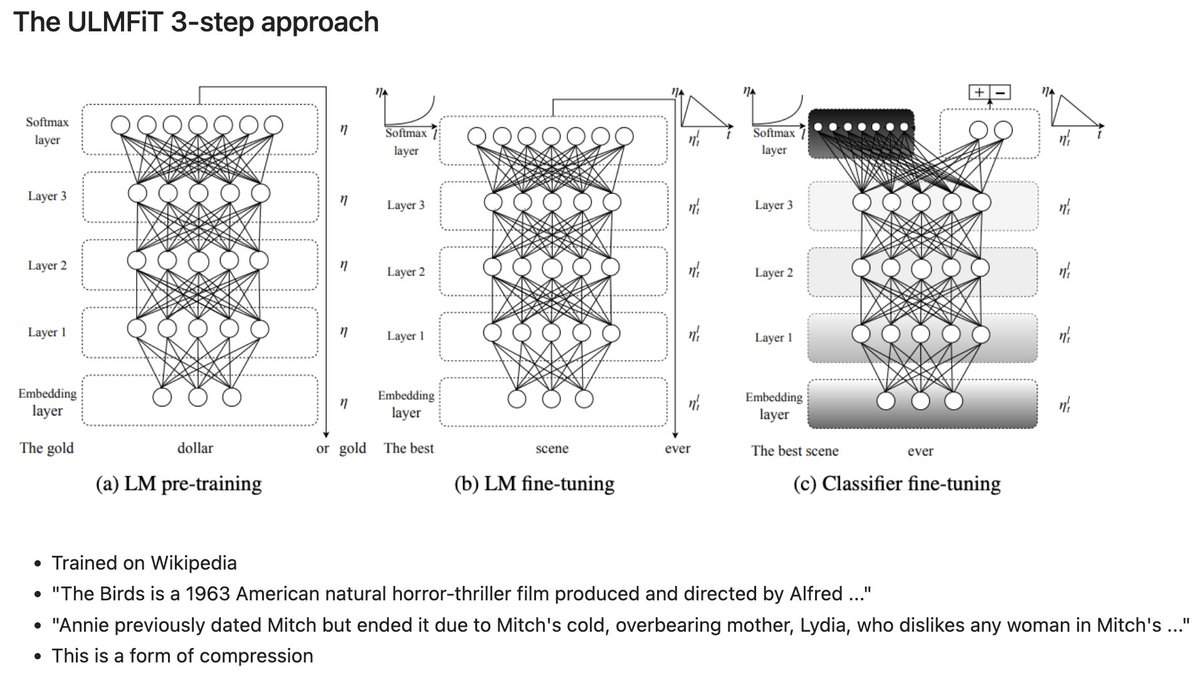
I just uploaded a 90 minute tutorial, which is designed to be the one place I point coders at when they ask "hey, tell me everything I need to know about LLMs!"
It starts at the basics: the 3-step pre-training / fine-tuning / classifier ULMFiT approach used in all modern LLMs.
good summary about the floaty rock drama so far
“if you’re not following LK99, you’re missing out on the most fun thing happening or the internet now. Feels like the old internet.”
https://t.co/ETlt031ObZ