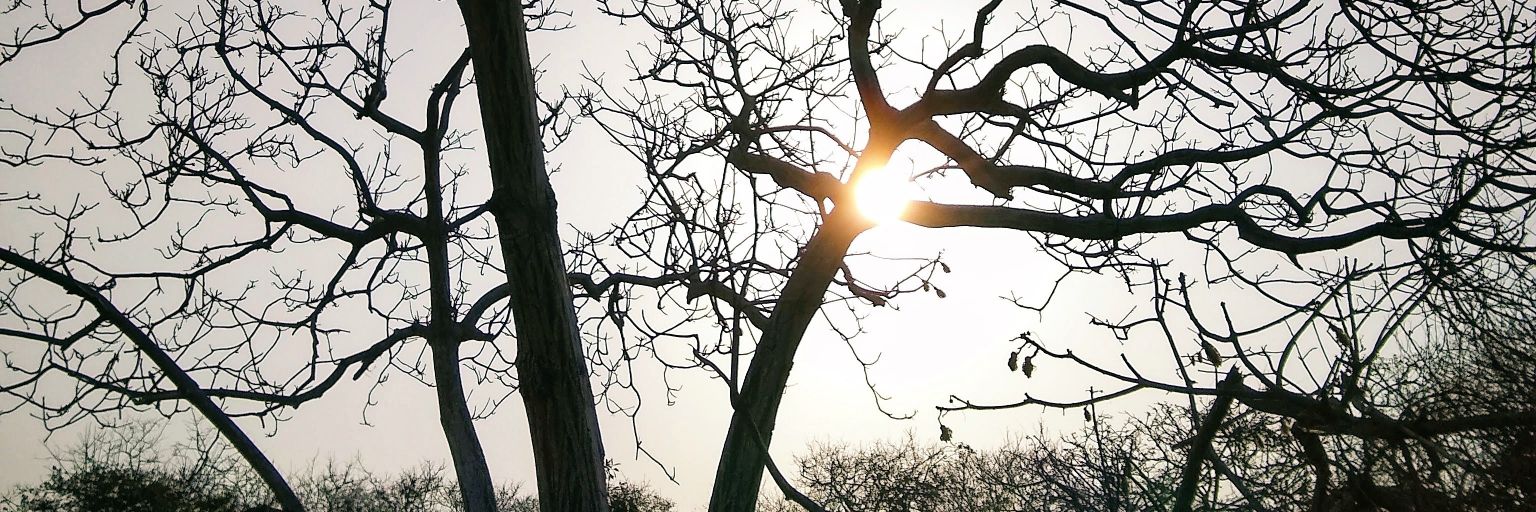
Flowers, to me, are the medium I wish to express myself in. I tried so many forms of art, with what little resources I had, and could never find my voice. The trumpet got close, with its soft whispers and loud roars, but I felt sound to be so invasive to others. 1/n
Aristotle was the first to notice honeybees dancing. In 1927 Karl von Frisch decoded the waggle. How it works was "explained" by MV Srinivasan AM FRS in the 1990s. Except @NeuroLuebbert found his papers are junk. A 🧵 about her discovery & our report: https://t.co/K0rpDPnfop 1/
1/42 New preprint: turns out MuLTEE is not only the longest running multicellularity evolution experiment (1000 days and counting), but also the longest running polyploidy evolution experiment! It reveals how whole-genome duplication (WGD) arises and impacts long-term evolution.
I'm going to start a new hashtag to show cases where universities or journals have been notified of severe (image) concerns years ago, but have not taken any action.
I will name and shame, because it's frustrating and maddening.
#IntegrityInertia
Amen. When I interviewed at Bell Labs at the end of graduate school, I was asked to prepare a 45 min talk that took me 90 min to deliver -- thanks to all the interrupting questions and debate that ensued. It was fantastic! It meant that they cared, and they pushed me in directions I hadn't considered, despite being the nominal expert in my subject. Too often today when I attend a talk, many are not paying much attention (laptops and phones), and the speaker receives little feedback except empty compliments or a few softball questions at the end. Even worse, some speakers take offense at being pushed to defend their work, further stifling intellectual exchange. They should remember that constructive critics are doing them a favor, and that it is an extreme privilege to have the freedom to do science.
Same holds true when scientists post their latest work. Rather than empty compliments and congratulations, they would be better served by thoughtful criticism and questions. This is particularly true for preprints, where the hive mind of X could go a long way to turning a good manuscript into a great publication.
In science, unless you're a lucky superstar, you won't get a lot of +ve feedback. Or to be precise the ratio of -ve feedback to +ve feedback is like 10 to 1. This is especially true as you advance in your career. Bottom line: you have to truly believe in yourself & in what you do
@wc_ratcliff It will be fine and you will look back at this as a *good* day. I really think life like this has a quality that is hard to find. A big hug Will.
PhD opportunity in my group at UiO on adaptation to shifting temperatures in house sparrows. Looking for candidates interested in combining evolutionary genomics and ecological approaches! Please RT! https://t.co/E9P5zcjSKd
Five days left to apply to our international #PhD program at the Max Planck in Tübingen. I'm looking for a new PhD student to join our team! 🧬💻 🔬🪰 #Evolution#Genomics#Drosophila
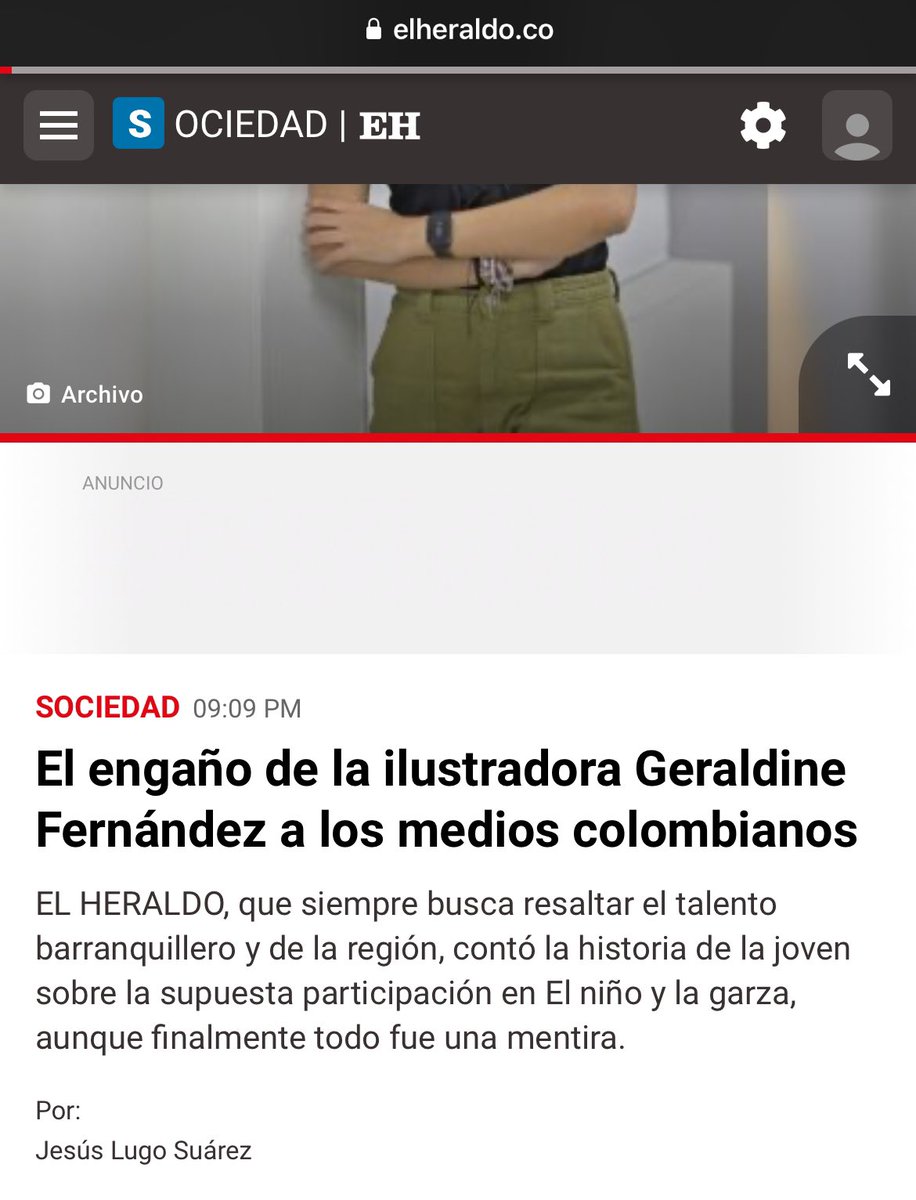
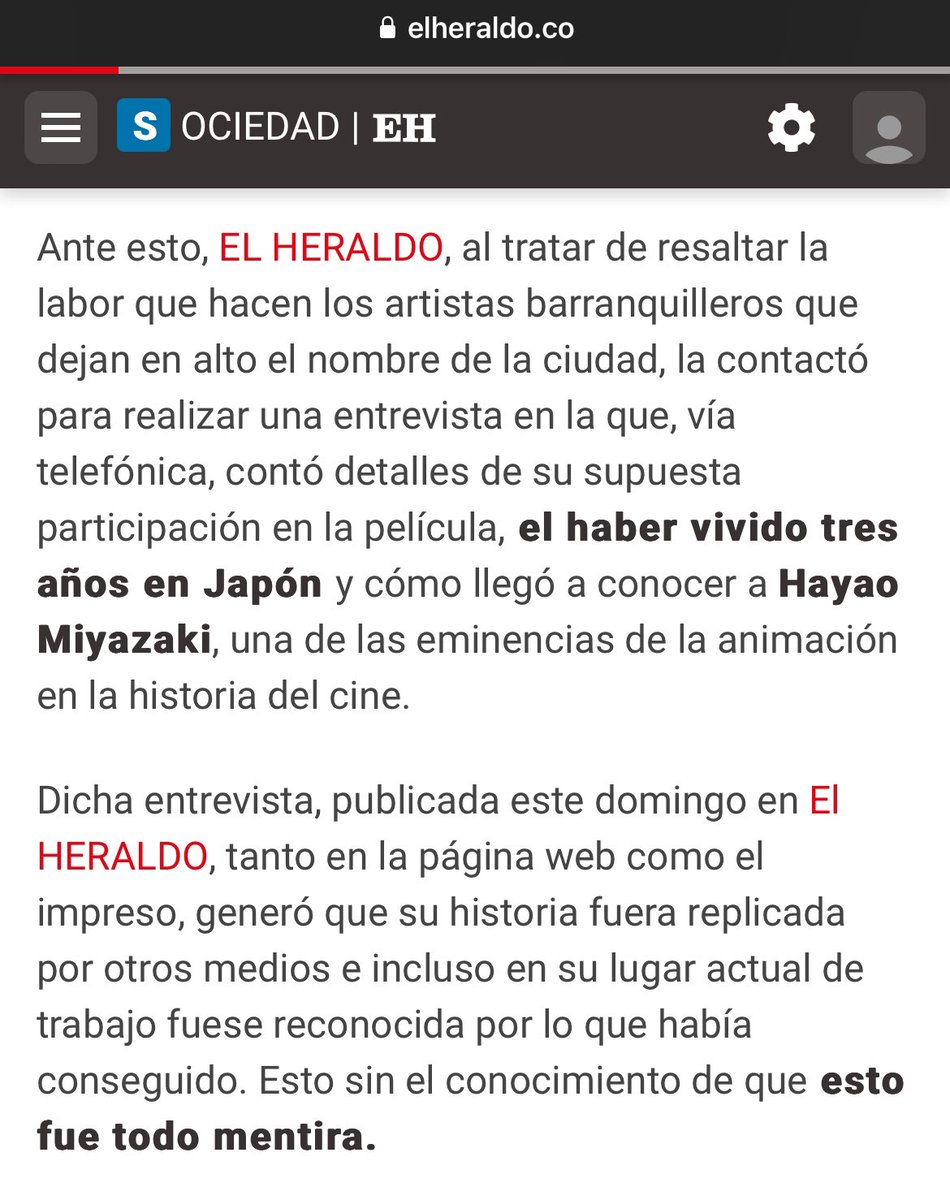
No, no, no y no. Aquí si me paro en la raya. El trabajo de ustedes es VERIFICAR LA INFORMACIÓN. Nada de Geraldine me engañó. Ustedes hicieron un trabajo mediocre y lo publicaron sin constatar nada. Ella mintió pero ustedes no hicieron su trabajo. Vagos.
Theres no such thing as wasting your 20s, your 20s are for recovering from whatever happened to you as a kid so that youre ready to get weird with it in your 30s
I'll be honest, I feel kind of sick after the last few days of drama here. People are just so uncharitable in their interpretations of what others say and do. It's not good for us, or our community, to pile on in such a toxic way rather than trying to understand each other.
You applied for a #PhD / postdoc position, but the professor does not reply to you. Why?
As many students are concerned about the lack of response, let me try to explain this phenomenon point by point:
▫️
1. In industry, recruiters and HR take care of the selection process. They are hired specifically for this.
BUT in academia, it is the professor’s job to find and hire the right person (and find time for that).
▫️
2. A typical faculty is HEAVILY overloaded by duties. It’s like being a CEO of a small company + HR + recruiting + R&D lead at the same time.
As a result, faculties are often struggling with finding time to reply to each candidate.
▫️
3. Many candidates ask for a response (and feedback) and expect engagement from the faculty.
Now, imagine you are a professor. You’re getting 5-15 emails per HOUR from colleagues, collaborators, funding agency, admins, students, etc.
But you can dedicate only 1-2 hours per day for ALL your emails. You will barely have time to scroll through your mailbox!
▫️
4. The number of candidates can exceed 300-400 per position, with many emails from candidates who expect replies.
So, as a result, professors often reply IF the candidate is of interest to them. Of course there are those who find time to send a short message to everyone, but such people are statistically rare.
▫️
So, my advice:
1️⃣ Apply and don’t wait for a reply. Submit your application to the groups that you would like to join. If you don’t get a reply, you can send a follow-up email but don’t do it many times.
2️⃣ Tailor your cover letter to the position, make it stand out. When competition is so high, you want your application to be memorable.
3️⃣ See the absence of reply as “no position”. And don’t stress over it. Finding the right fit takes time for all of us.
4️⃣ IF you are ready to invest into traveling:
- You can say that you will in their city/town, and if they are interested, you can visit their group and give a research talk (without any obligations from their side). If they agree, it may be your chance to present yourself in person.
▫️
Unfortunately, the academic system is constantly overloading faculties. This causes a lot of misunderstanding.
Many faculties wish they had that time to respond to everyone. I do my best to find this time. But it doesn’t always work out smoothly.
#AcademicTwitter #AcademicChatter
BREAKING NEWS
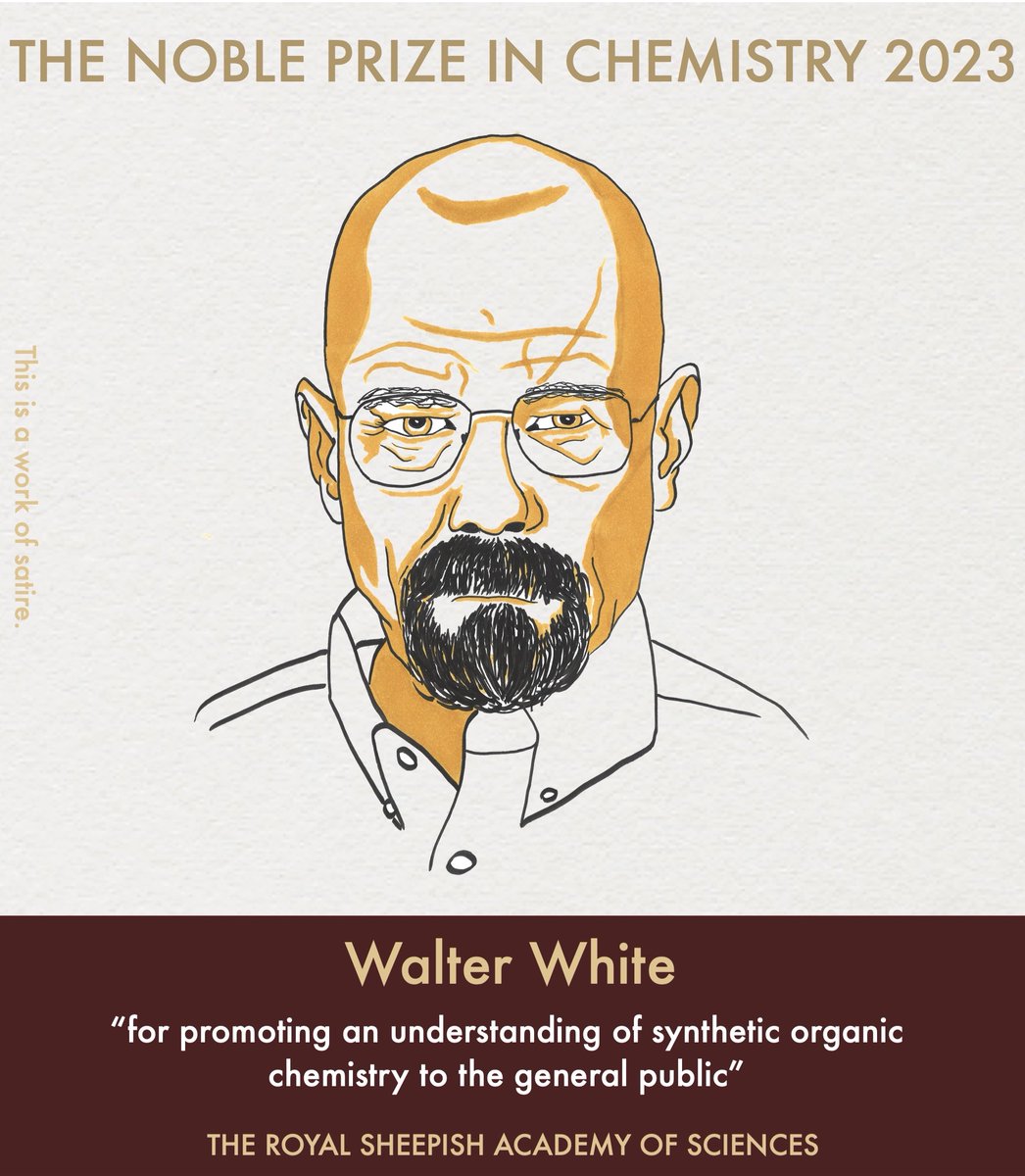
The 2023 #NobelPrize in Chemistry has been awarded to Walter White for promoting an understanding of synthetic organic chemistry to the general public. This unprecedented selection is bound to spark controversy, but Walter is/was an undeniably inspiring figure...