Para futura reflexão
Dados do Biodiversity4all:
- 2.285 obs
- 933 spp.
- 172 obs de aves de 65 spp
- 28 obs de anfíbios de 10 spp
- 32 obs de répteis de 8 spp
- 15 obs de mamíferos de 7 spp.
- 8 obs de peixes de 5 spp.
- 61 obs de moluscos de 35 spp
(1/3)
A breakthrough discovery in the field of peptide-receptor kinase signaling in stomatal development🌱. Six partially-redundant subtilases producing mature EPF1/EPF2 pepetide to enforce stomatal patterning @NaturePlants
https://t.co/Wik5f9zKDQ
🧬Impressive study on the genetic history of the domestication of ... baker’s yeast.🥖
The authors analyzed 2,950 genomes of Saccharomyces cerevisiae and arrived at several interesting conclusions.
It turns out that “home” sourdough starters are not simply collections of random wild yeasts from flour, air, or the local environment. Many sourdough strains instead form genetically related groups close to yeasts from Asian solid-state grain fermentations, including sake, rice wine and baijiu. In the phylogenetic tree a large proportion of home sourdough/dough strains cluster with Asian fermentation lineages (pink cluster) rather than with local North American wild, wine, or beer isolates.
Commercial baker’s yeast, however, follows a different evolutionary trajectory. In the genetic tree, these strains fall into the Baking & Brewing clade, associated with Europe. Commercial strains also more often show polyploidy, aneuploidy, and copy-number variation. This is consistent with the idea that industrial selection and mass production may have led to different genomic adaptations from traditional sourdough fermentation.
From a genetic perspective, one of the most interesting observations is that not all strains underwent genome “simplification” during domestication. Many lineages associated with domestic and traditional fermentations did not show a significant reduction in genome size compared with wild yeasts.
The question of how sourdough yeasts became so widely distributed, however, remains open. The authors propose several non-mutually exclusive explanations: historical admixture between lineages, dispersal by humans, spread through traditional fermentations, modern introduction of commercial strains, and the role of household and bakery microbiota.
Overall, the study shows that baker’s yeast is not a single simple evolutionary lineage, but rather a complex network of histories shaped by human culture, fermentation technologies, and repeated mixing between populations.
https://t.co/JxcRR8Bb1n
#BakerYeast #Domestication #Phylogenetics #sourdough
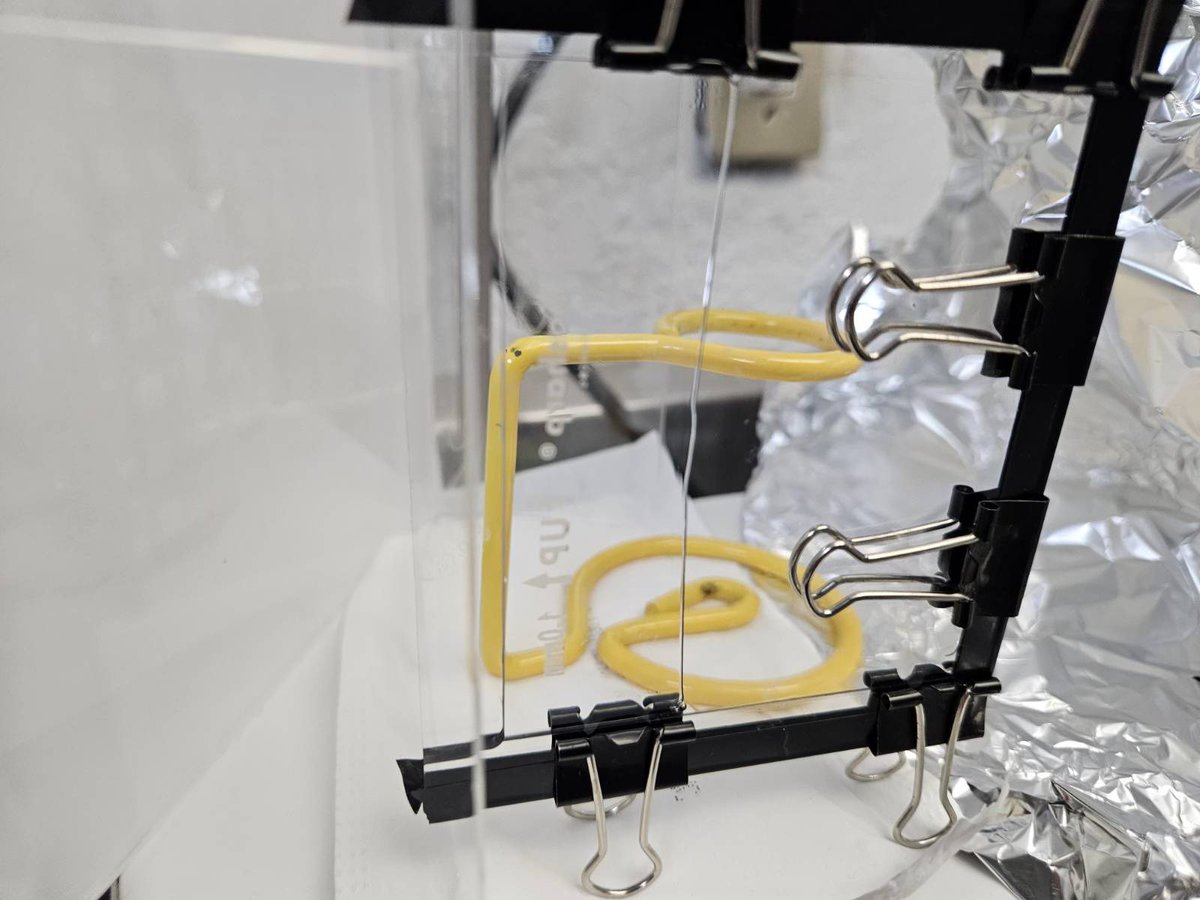
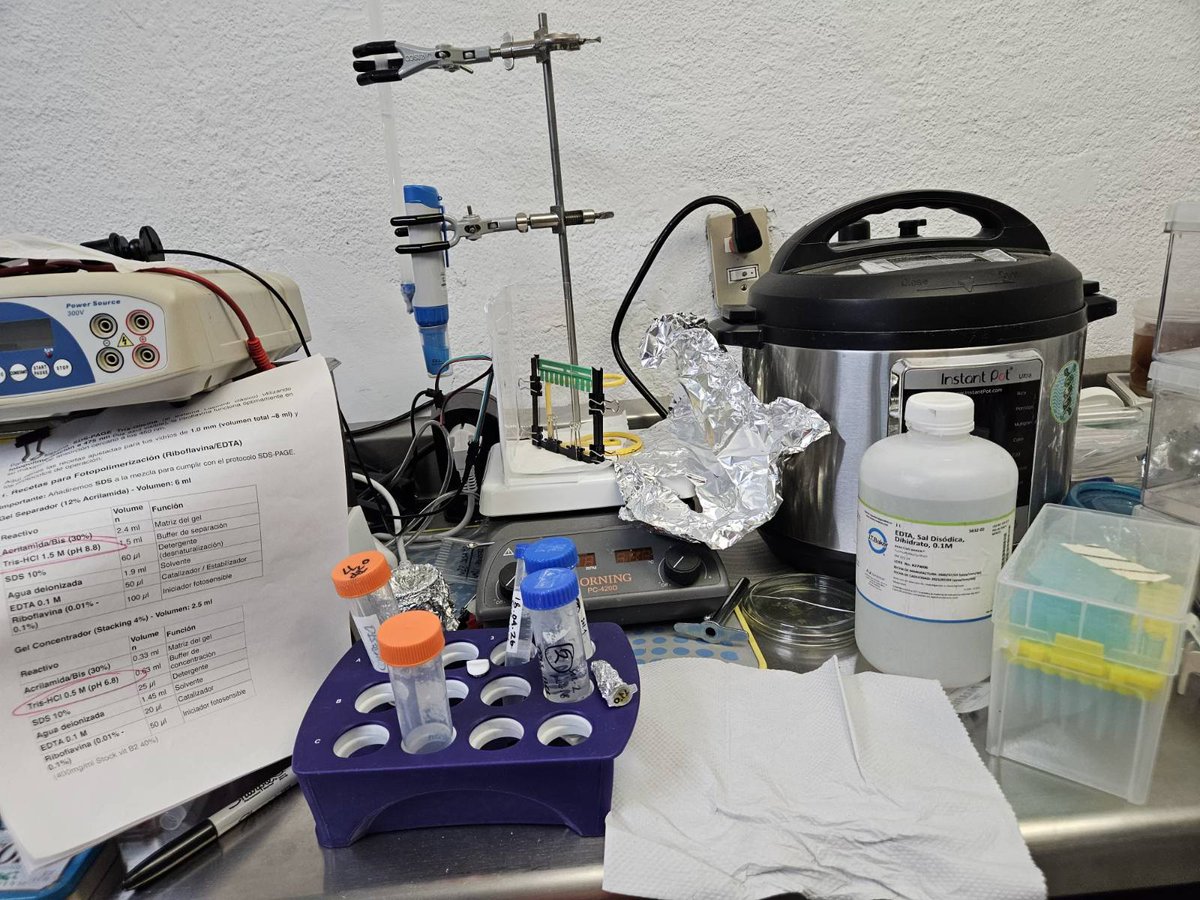
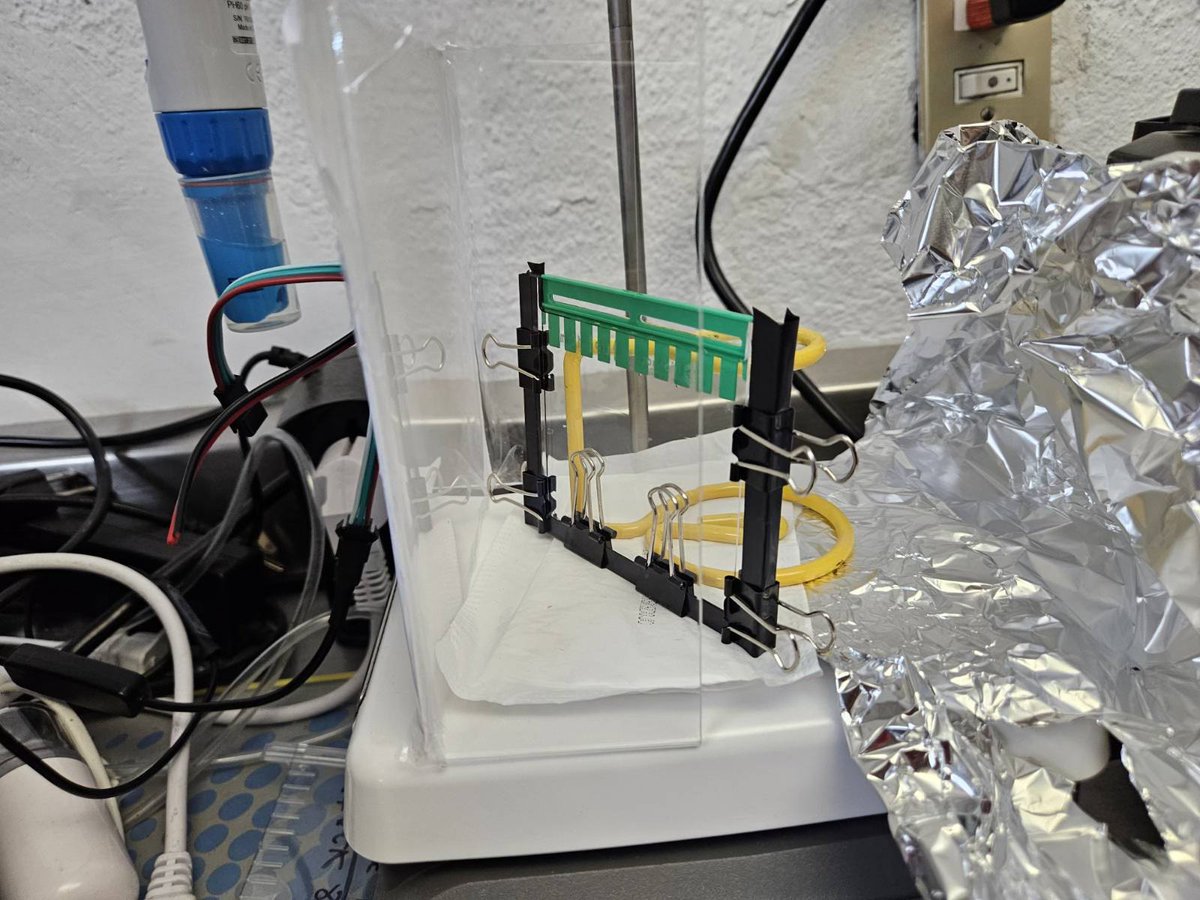
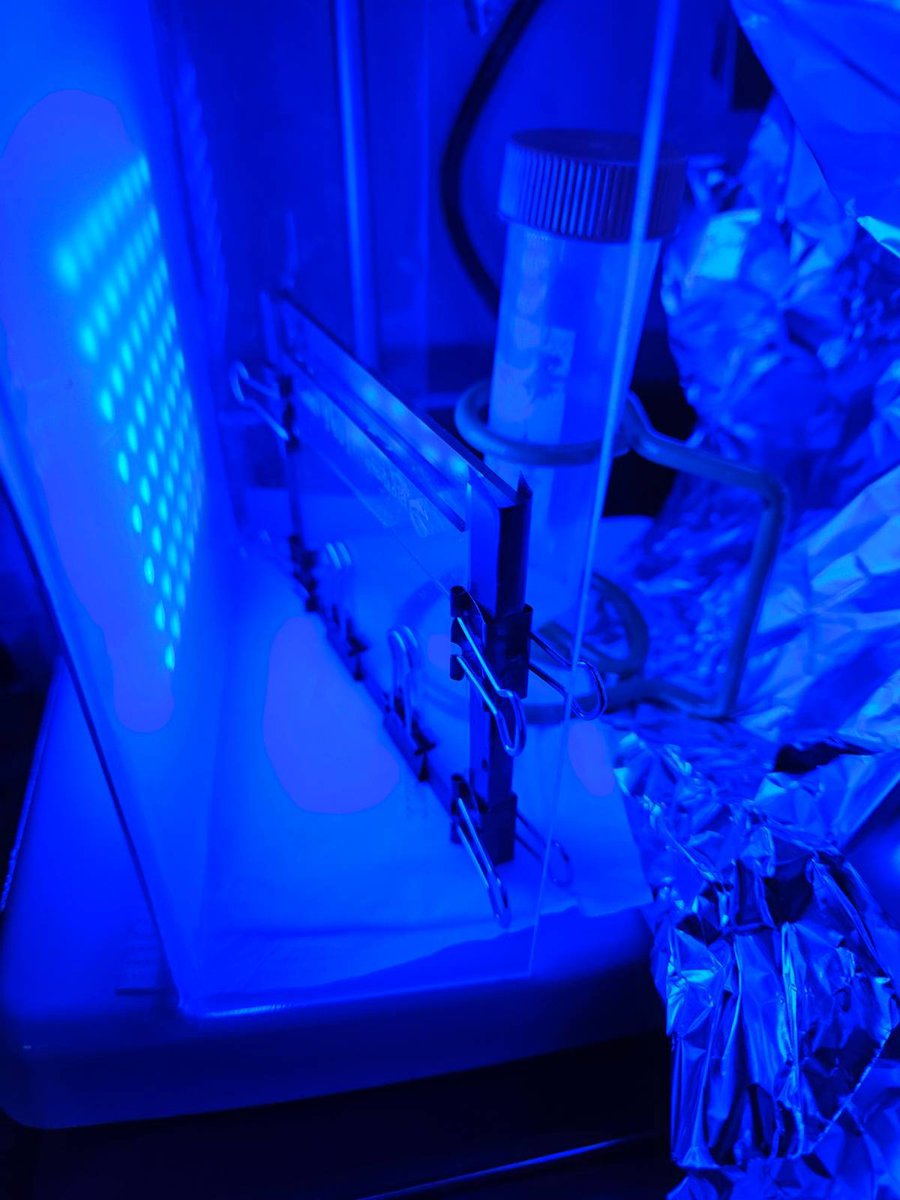
I bring to you: Light driven SDS-PAGE polymerization. No TEMED, No APS, no stinky neurotoxic curing reagents: Just clean light and fast photo polymerization (Curing time: 15 min). No federal funding no stupid COÑASHIT, no academic clowns. Independent science!
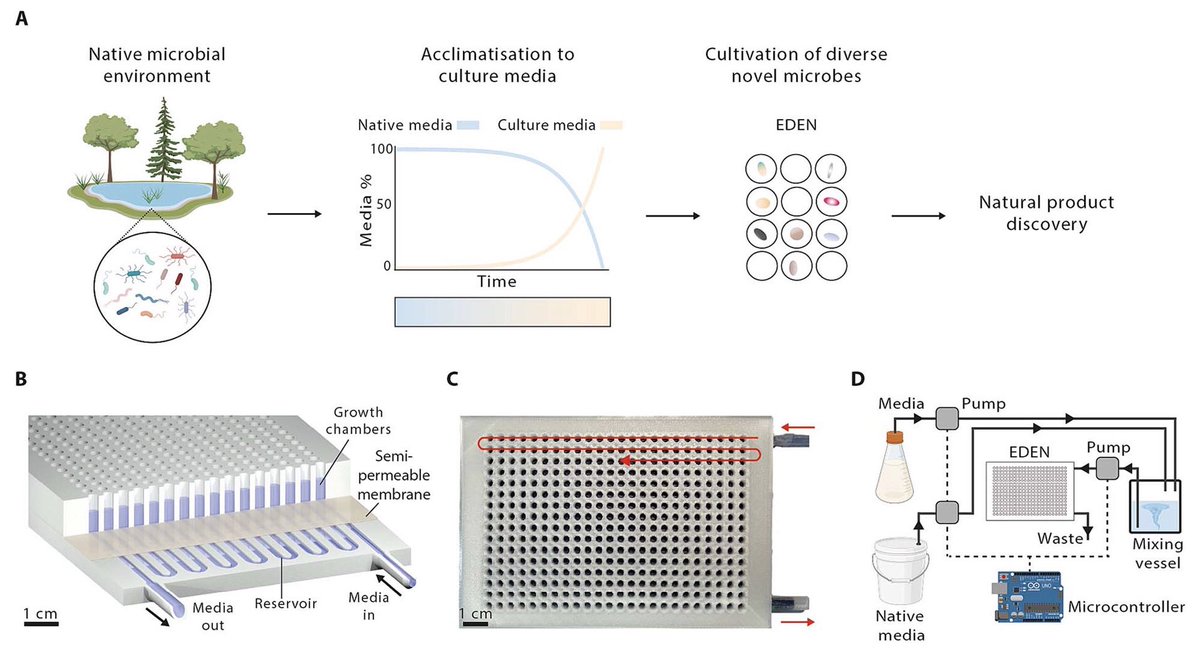
Most bacteria remain uncultured and don’t grow in the lab.. to address this am excited to share EDEN - an enhanced domestication method to grow uncultured bacteria & new diversity. Using EDEN we isolate a new species active against MDR pathogens..
https://t.co/LZ9F4B2aIZ
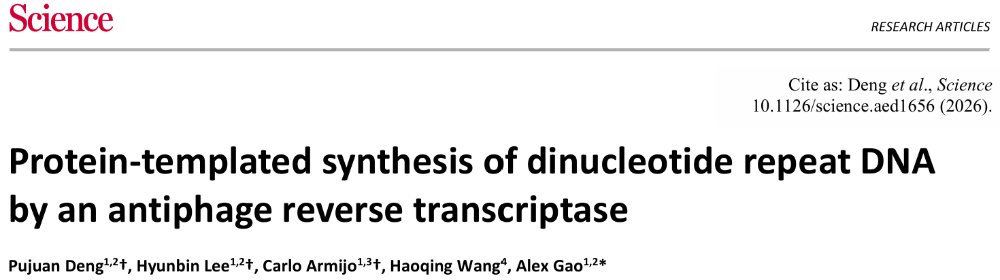
On April 16, 2026, the research group led by Alex Gao from Stanford University published a paper in Science entitled Protein-templated synthesis of dinucleotide repeat DNA by an anti-phage reverse transcriptase.
This study identified and characterized for the first time a bacterial reverse transcriptase named Drt3b, which does not require a nucleic acid template. Instead, it uses its own amino acid side chains as a "template" to precisely synthesize DNA of specific sequences.
This discovery represents another landmark breakthrough in the fundamental rules of biological information transfer since the discovery of reverse transcriptase by Nobel laureate David Baltimore and others in 1970. It not only fills a key gap in our understanding of biological information flow, but also opens a new dimension for deciphering the coding principles of life.
Congratulations to Team Gao on their outstanding work—this discovery is worthy of a Nobel Prize!
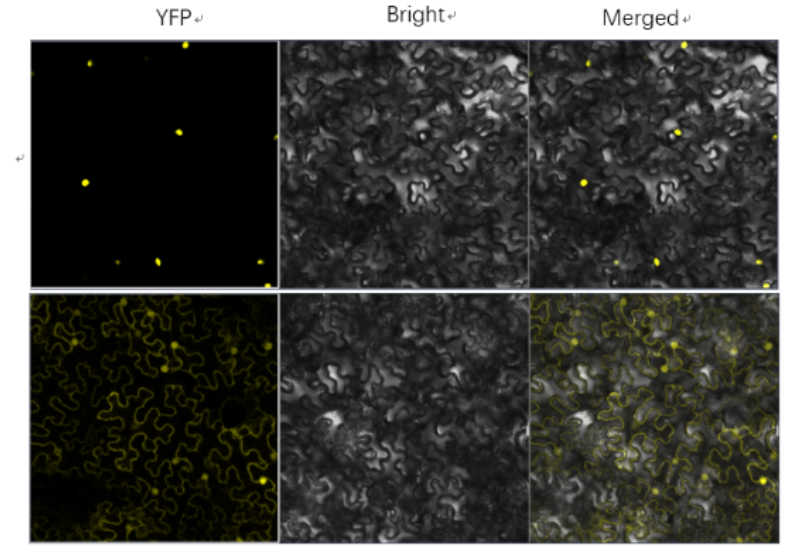
BiFC is a common method to study protein–protein interactions. This article covers the full workflow, tips, and best practices—worth saving! We also offer cost-effective BiFC services.
👉Read more: https://t.co/NtolQy3O9w
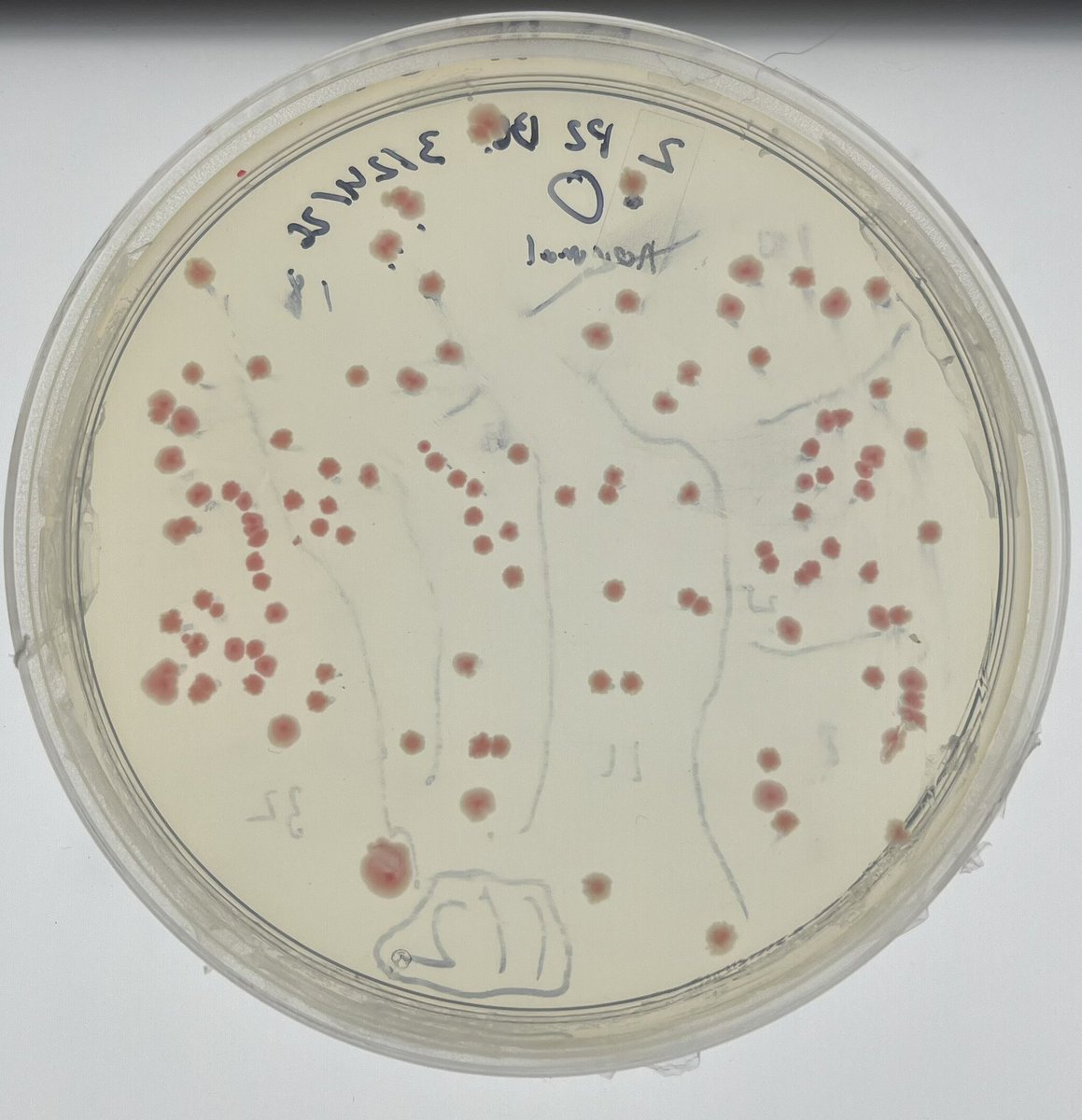
After cloning, we had unexpected color expression but expected GFP (attached to target) expression. The plasmid used as cloning backbone expresses orange chromo. We gel band cut the digested backbone so surprised to see both. @plasmidsaurus can hopefully reveal some truth.
Many good biology ideas never get tested because the researcher can't afford $2,000 in lab supplies.
At @PrimordiaGrants we aim to close that gap by funding tightly scoped experiments that can de-risk impactful ideas in 3-6 months. Apply now 👇
Some reflections on #Fungal26 This was a great meeting as always but set against some turbulent times of course, which meant many regular attendees were not present. This thread is mainly for them. However, the proportion of 1st time attendees was very high & international. 1/15
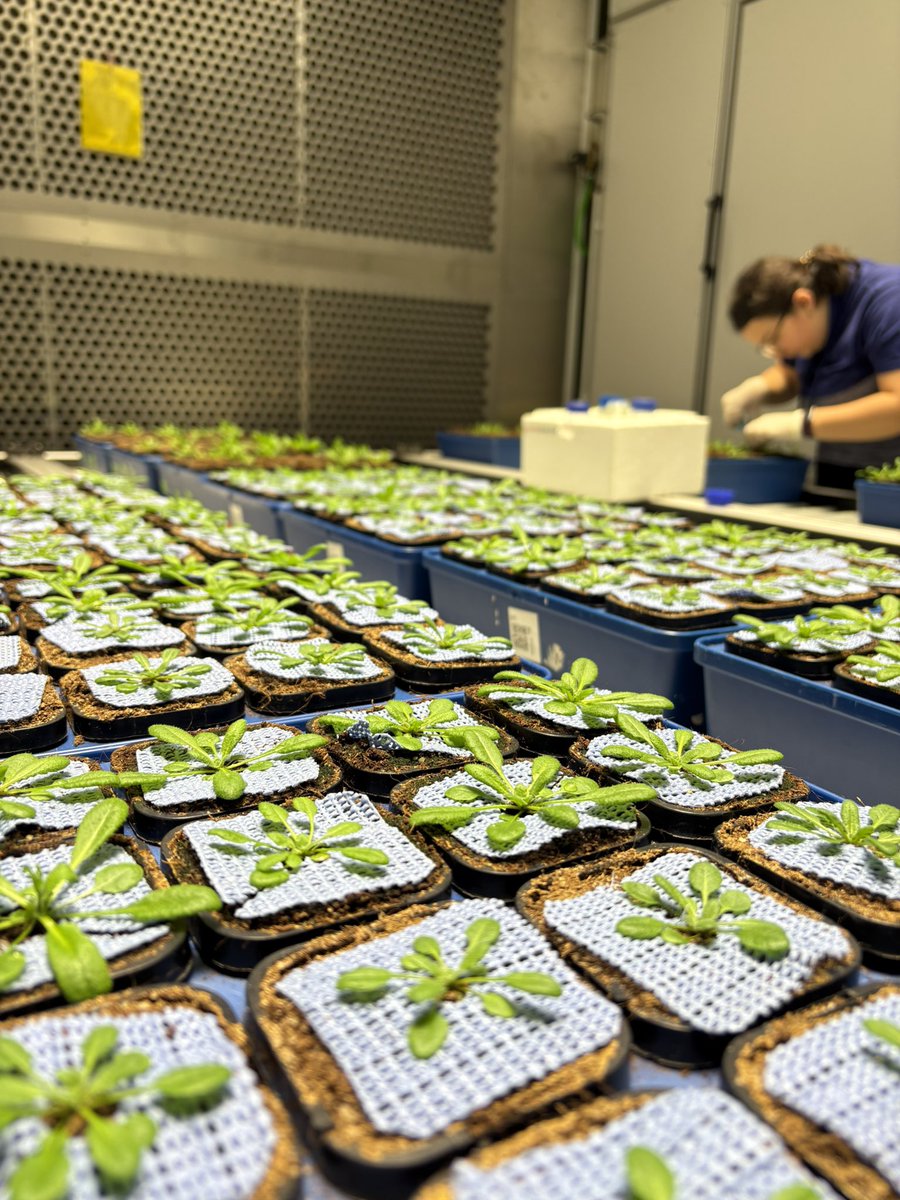
Seed priming in wheat 🌾
We’re testing whether biostimulant treatments can establish long-term resistance to biotic stress.
Can early exposure shape how plants respond later in life?
#SeedPriming#PlantMemory#WheatResearch
Plant memory is measurable.
How do single molecules trigger long-lasting responses in plants?
Is the memory stored in chromatin, signaling loops… or even chloroplasts?
Exciting work led by my student.
#PlantScience#PlantMemory#Chloroplasts
Around the world, the total toxicity and ecological harm from agricultural pesticides are rising, despite recent United Nations commitments to halve pesticide use and risks by 2030, according to a new study in Science.
The findings establish a global, toxicity-weighted baseline for pesticide use and identify a subset of pesticides, crops, and countries driving the most biodiversity impacts.
Learn more: https://t.co/5EcRYBNlIV