Lee Kuan Yew did not wipe corruption out of the human heart. He made it rare, dangerous, and shameful at every level that mattered. That is different from a magic clean society. It is a system.
He started with himself. When well wishers sent gifts after he took office, he refused them. A gift, he said, is how the rot begins. Ministers and civil servants were put under the same rule. Accept a present and you pay its value or it is taken and sold.
He gave the graft agency real teeth. The Corrupt Practices Investigation Bureau could look at anyone, including a minister. If a prime minister blocked a probe, the director could go to the President.
Living far above your salary could itself be used as evidence. The law was written so the officers hunting graft had more power than the people they were hunting.
He paid honest people enough to stay honest. Cheap officials steal. Able people were given serious pay so they did not need a suitcase from a contractor. Then he still punished those who took money.
He changed the public story. Schools, campaigns, and newspapers treated the bribe as a stain, not as cleverness. In many countries the big thief is admired. In Singapore he was meant to be ruined.
He also built dull, strict systems. Every file, tender, and audit had to be in order. Civil servants were expected to refuse a bad request, even from someone powerful.
Watching only works if the leader is ready to act against his own team. Lee Kuan Yew was ready.
What he did not do is preach only. He combined example, pay, law, fear, and disgrace. Remove any one of those and the system weakens.
Corruption never really dies. It waits for a weak year and a friend who is too big to touch.
Singapore stayed clean because the men at the top were willing to punish their own. That is the part most countries refuse to do.
“Everyone believed this river could never be clean again.”
But 19-year-old Bittu Tabahi from Biaora, Madhya Pradesh, challenged the “impossible.” He stepped into the garbage-filled Ajnar river and began cleaning it—alone.
It started on 26th January with friends. But as the work got tougher, everyone left. Bittu didn’t. Day after day, he removed plastic, sludge, and years of waste with his own hands.
Where water was once invisible, the river now flows clean—reflecting the sky and trees.
Recently, he was praised by Anand Mahindra for his work and initiative.
This isn’t just about one river. It’s a question for all of us.
If one 19-year-old can clean a river, can’t we stop polluting it?
The problem isn’t waste—it’s our mindset.
He started alone. What will we do?
#Environment #Sustainability #CleanIndia #YouthChange #SaveNature
[River Cleanup Initiative, Youth Led Environmental Action, Clean River Campaign, Community Sustainability Efforts, Environmental Awareness India]
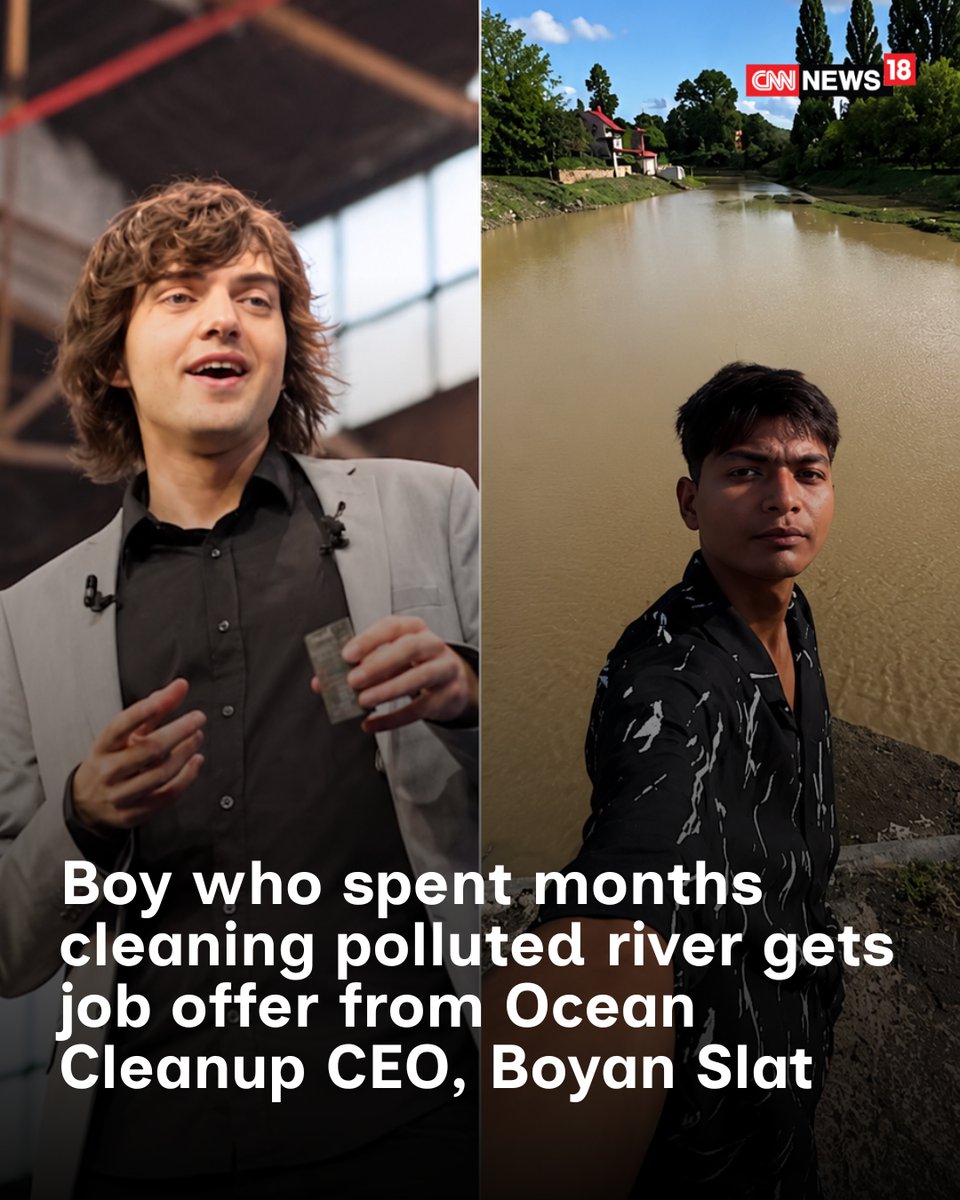
#India I Surendra Singh Choudhary, popularly known as Bittu Tabahi, has gained international attention for his efforts to clean the heavily polluted Ajnar River. The 20-year-old has reportedly been removing plastic and other waste from the river on his own for several months.
Videos and before-and-after images showing his cleanup work recently went viral on social media, bringing his efforts to a wider audience.
The work caught the attention of Boyan Slat, founder and CEO of The Ocean Cleanup, who invited Choudhary to join the organisation. The Netherlands-based group focuses on tackling plastic pollution in oceans and rivers.
#BittuTabahi #BoyanSlat #AjnarRiver #EnvironmentalHero #Viral #News #OceanCleanup
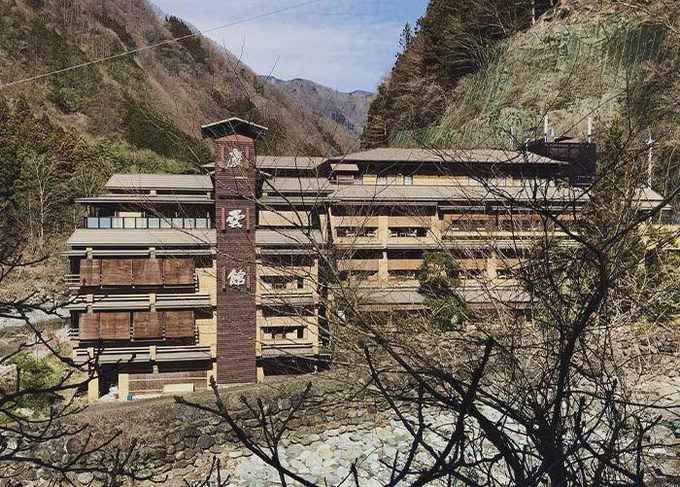
The oldest hotel in the world is The Nishiyama Onsen Keiunkan in Japan and has been in business since 705 AD.
The crazy thing is that it’s still a family business. For 52 generations.
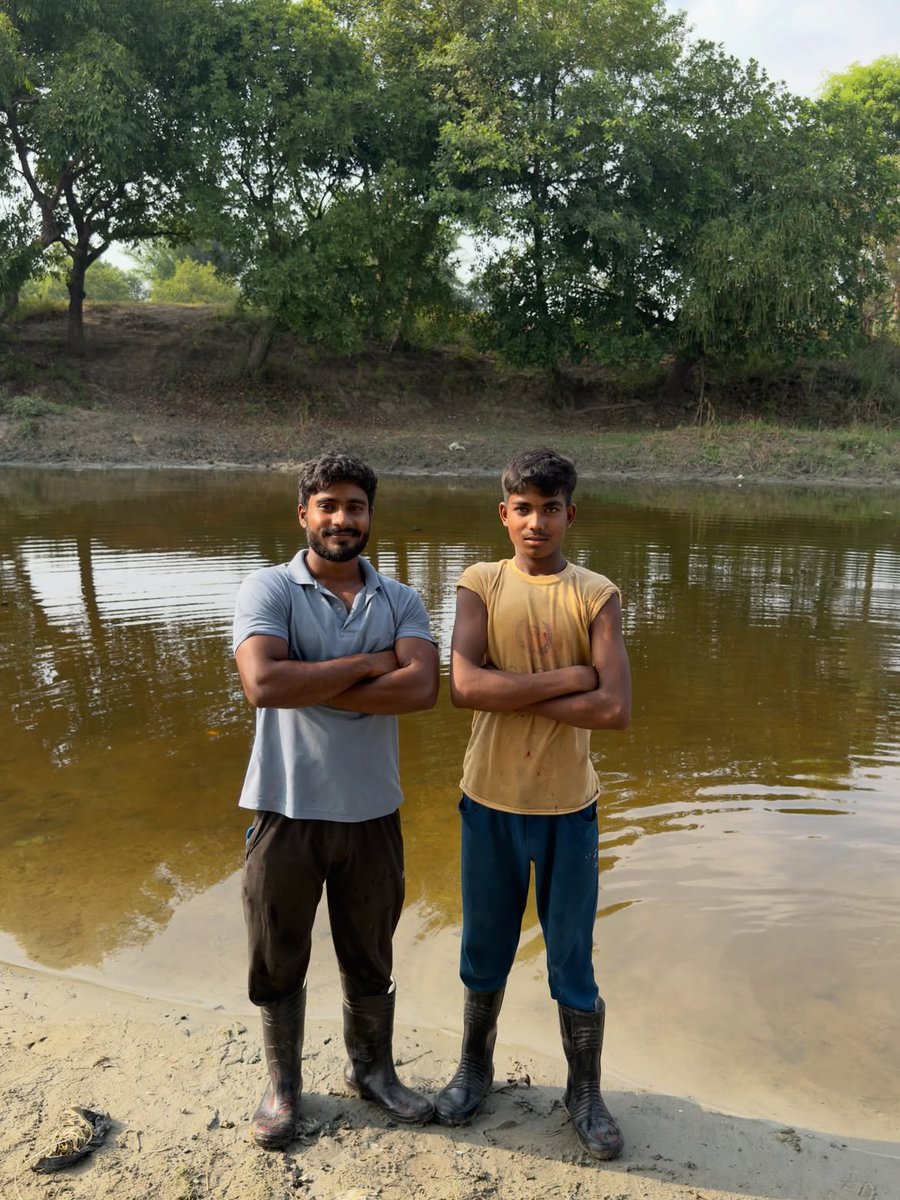
This boy named Akash Gupta and his friend cleaned the Manorama River, working for more than 100 days. They are doing the job that babus should be doing. They deserve a big salute.
PMK MLA Sowmiya Anbumani asks if Tamil Nadu assembly can pass a resolution to demand social media ban for children under a particular age like Australia.
Alcohol, drug abuse and social media is how young children are losing their innocence, she says.


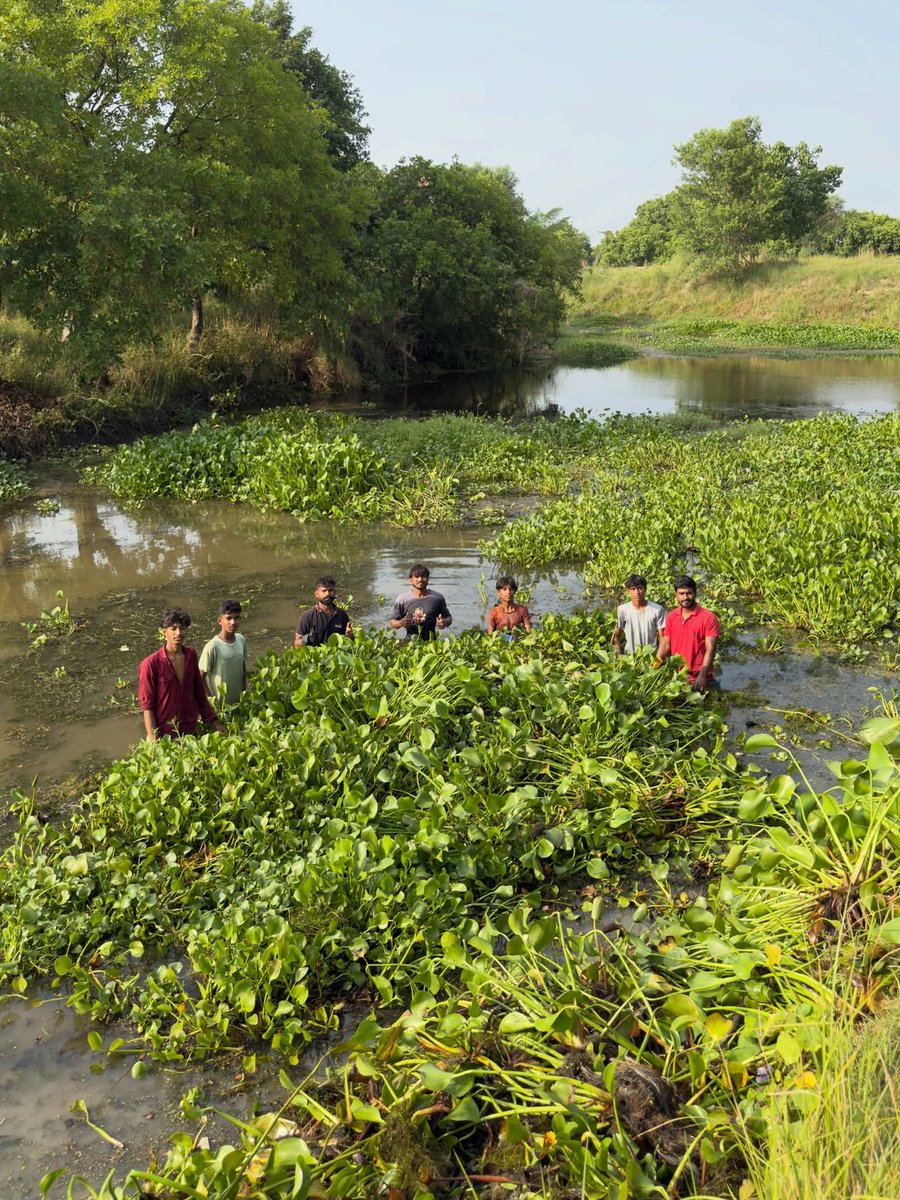




![thebetterindia's tweet photo. “Everyone believed this river could never be clean again.”
But 19-year-old Bittu Tabahi from Biaora, Madhya Pradesh, challenged the “impossible.” He stepped into the garbage-filled Ajnar river and began cleaning it—alone.
It started on 26th January with friends. But as the work got tougher, everyone left. Bittu didn’t. Day after day, he removed plastic, sludge, and years of waste with his own hands.
Where water was once invisible, the river now flows clean—reflecting the sky and trees.
Recently, he was praised by Anand Mahindra for his work and initiative.
This isn’t just about one river. It’s a question for all of us.
If one 19-year-old can clean a river, can’t we stop polluting it?
The problem isn’t waste—it’s our mindset.
He started alone. What will we do?
#Environment #Sustainability #CleanIndia #YouthChange #SaveNature
[River Cleanup Initiative, Youth Led Environmental Action, Clean River Campaign, Community Sustainability Efforts, Environmental Awareness India]](https://pbs.twimg.com/media/HRbG47ybsAAmyJF.jpg)