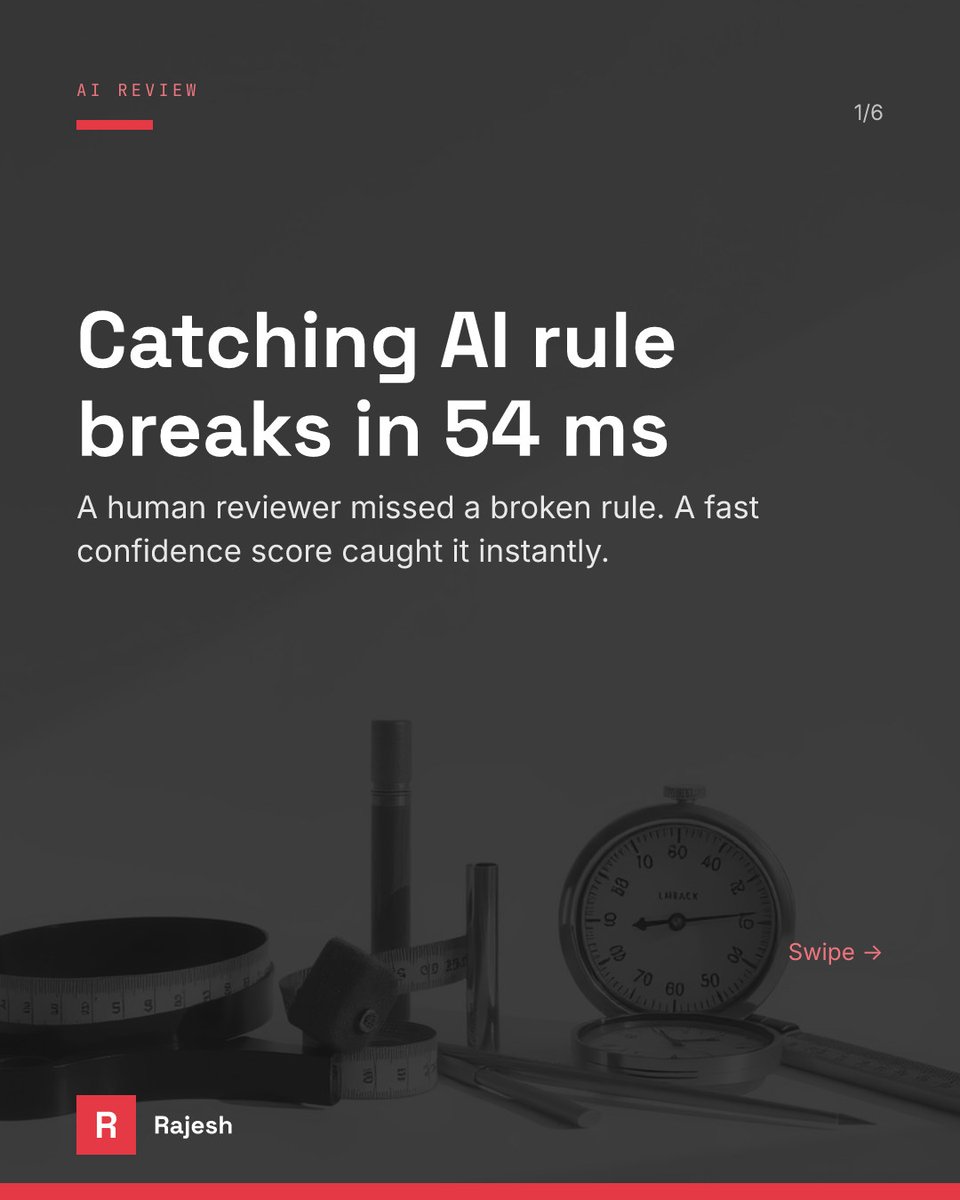
A human reviewer rejected a draft for a broken image, but missed a broken rule in the text.
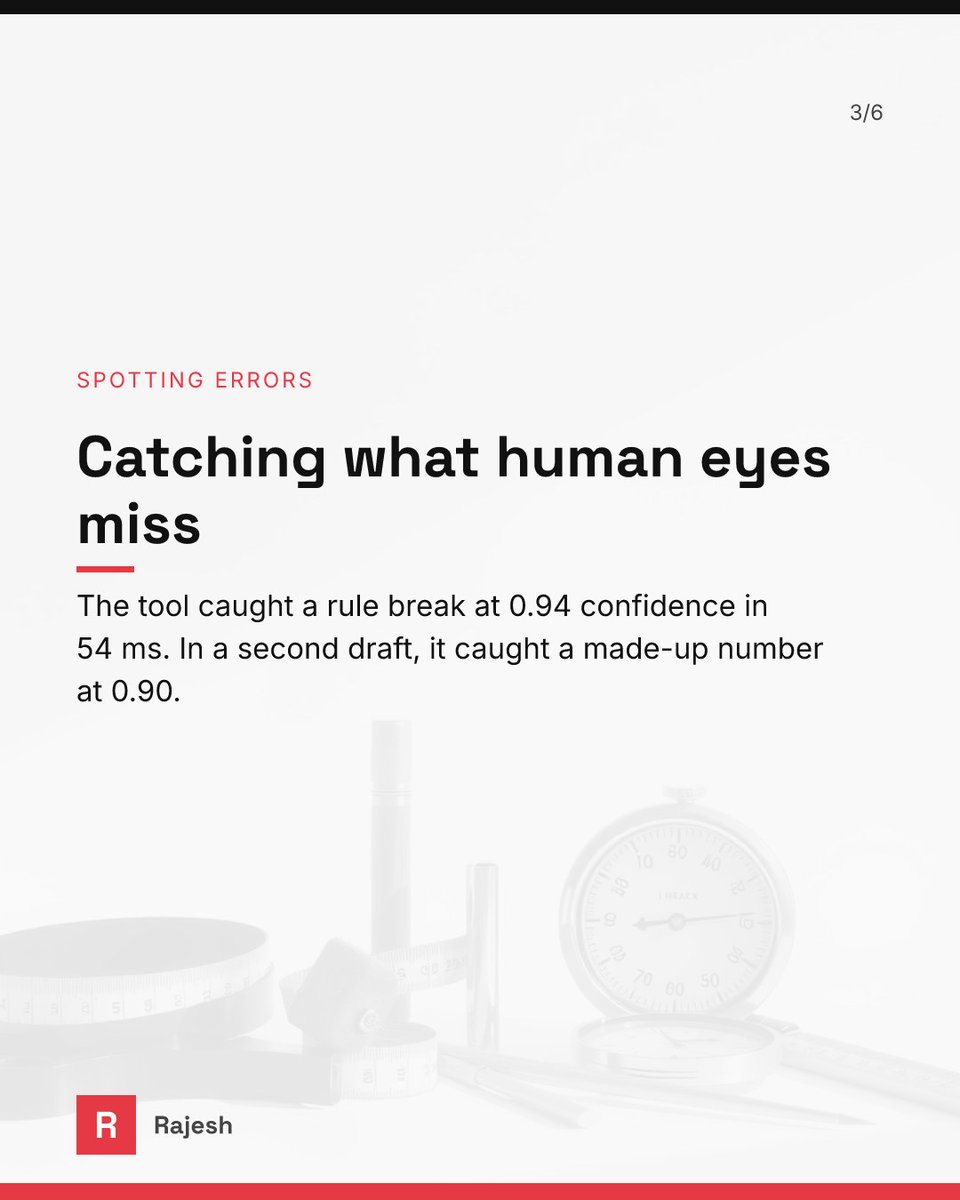
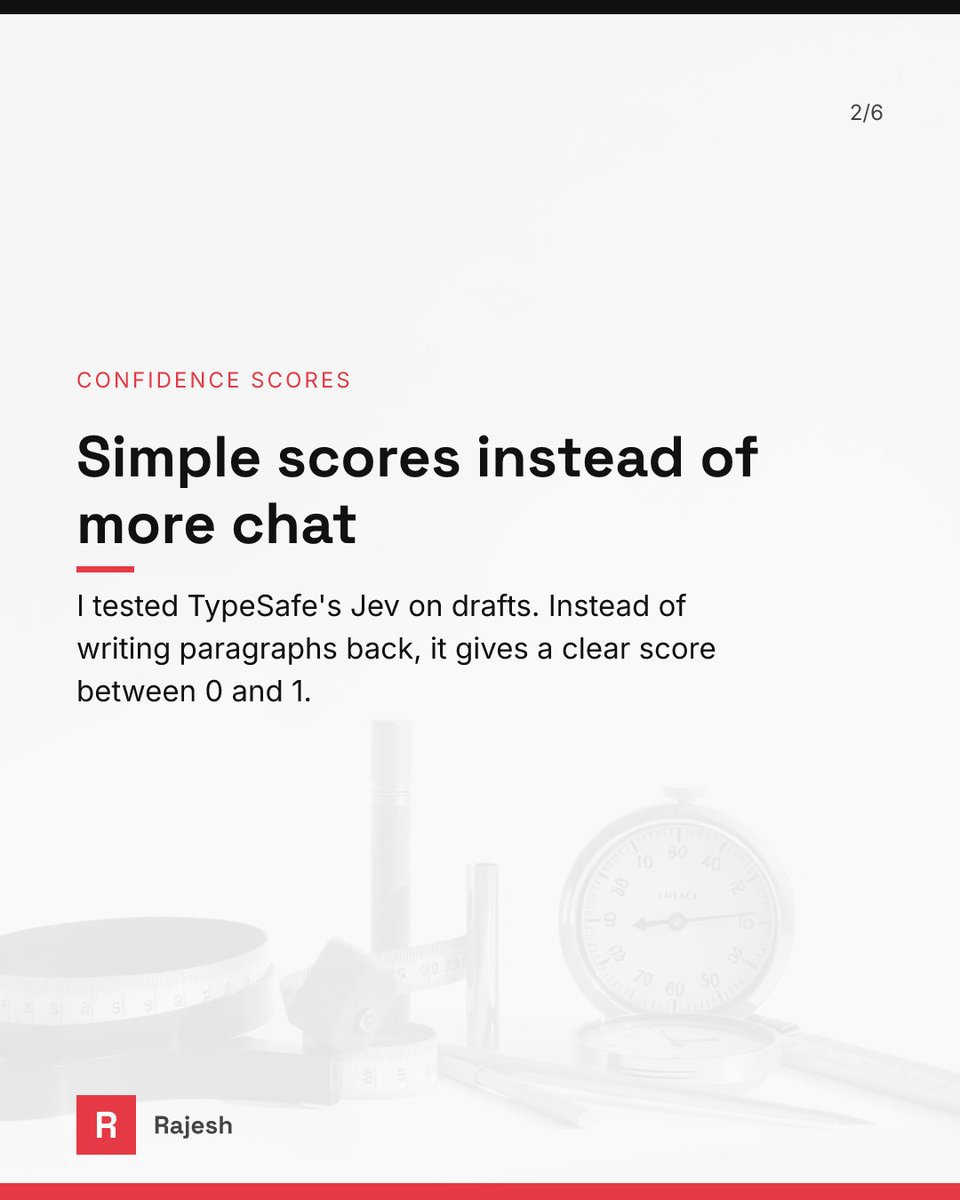
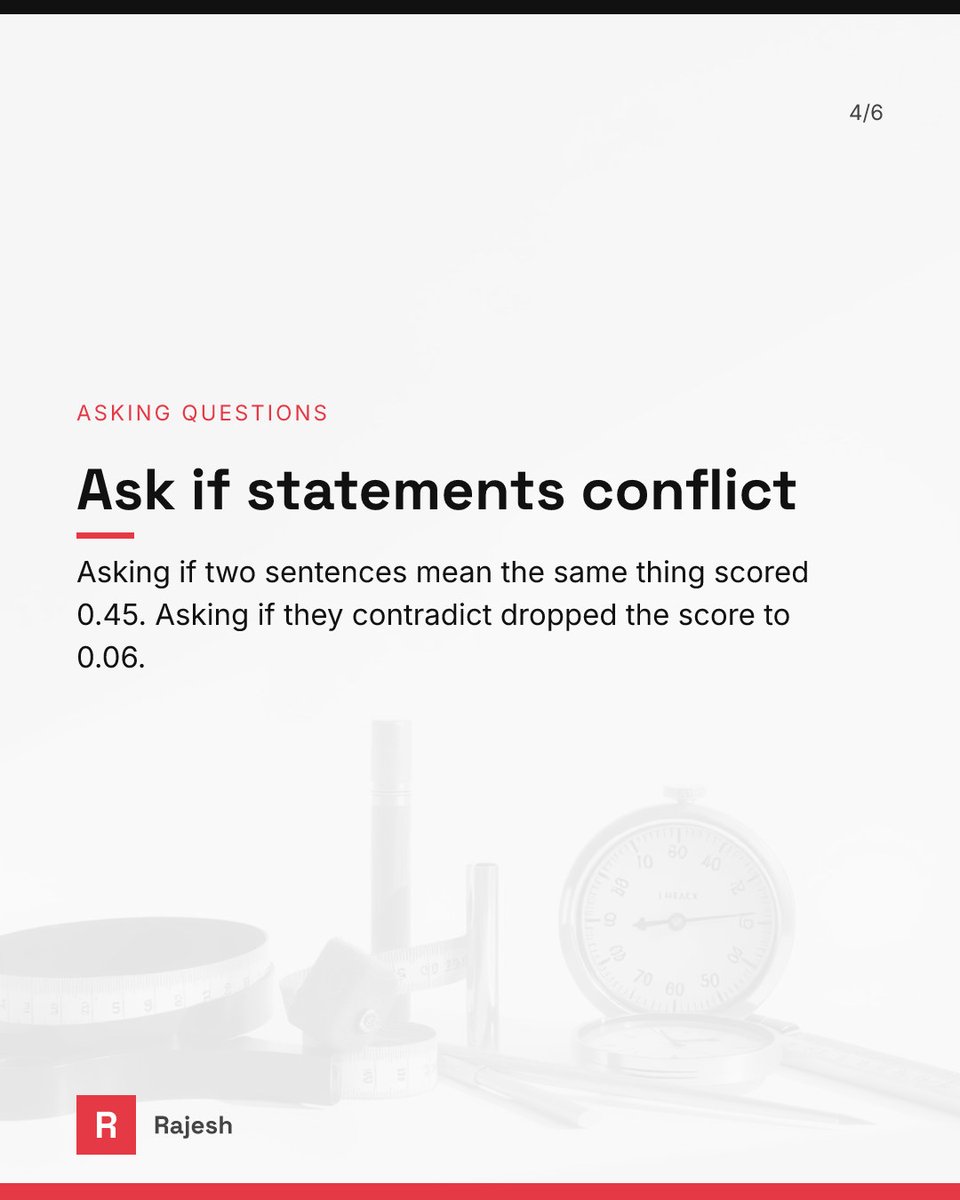
I tested TypeSafe's Jev to catch compliance errors without chat. It flagged the rule break at 0.94 confidence in 54 milliseconds for $0.00003.
Instead of drafting long text, the model re
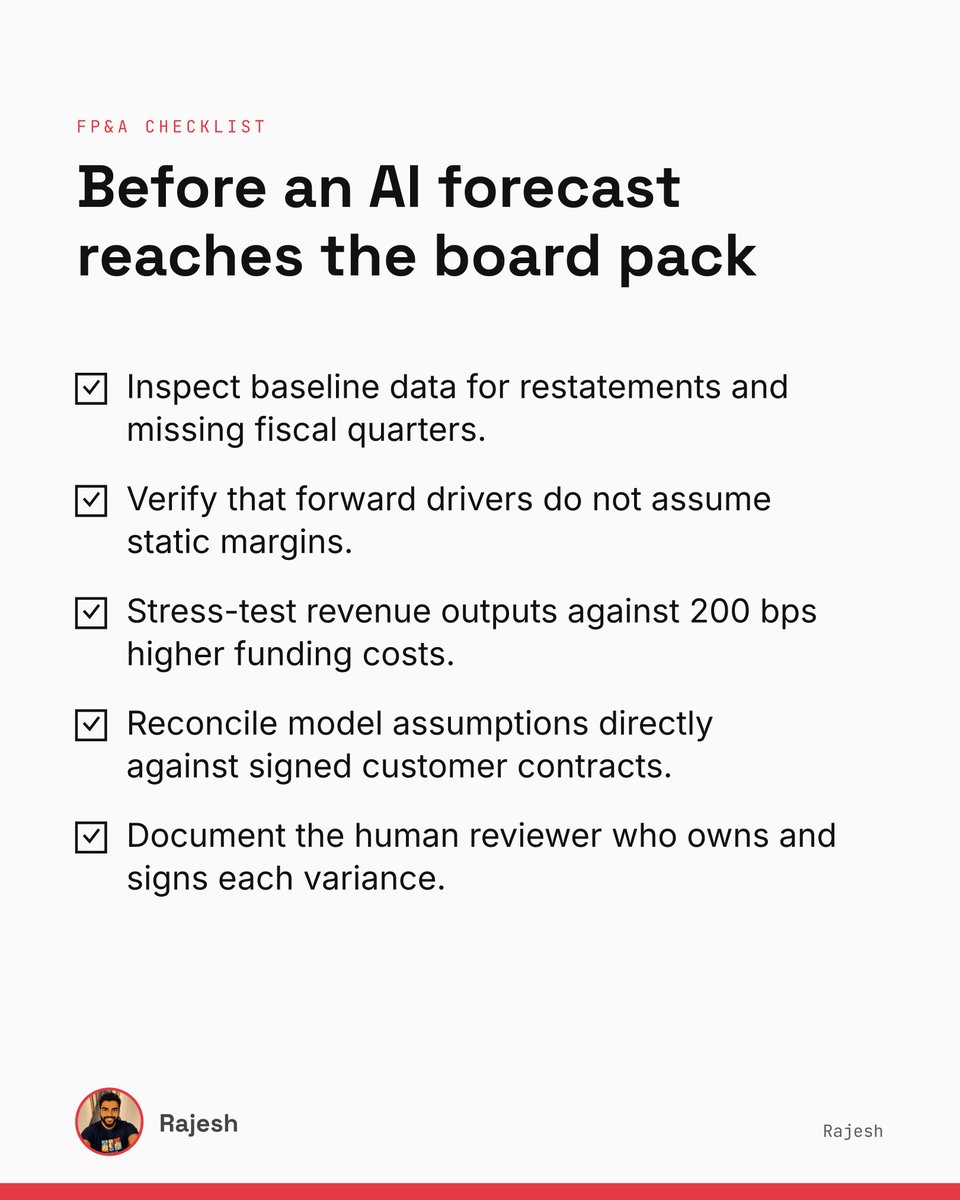
Before you put an AI forecast into the board pack, check cash against signed contracts.
Models generate plausible variance narratives with ease. When cash collections spike without contract support, the audit committee catches it first. You sign for the numbers, not the tool.
F
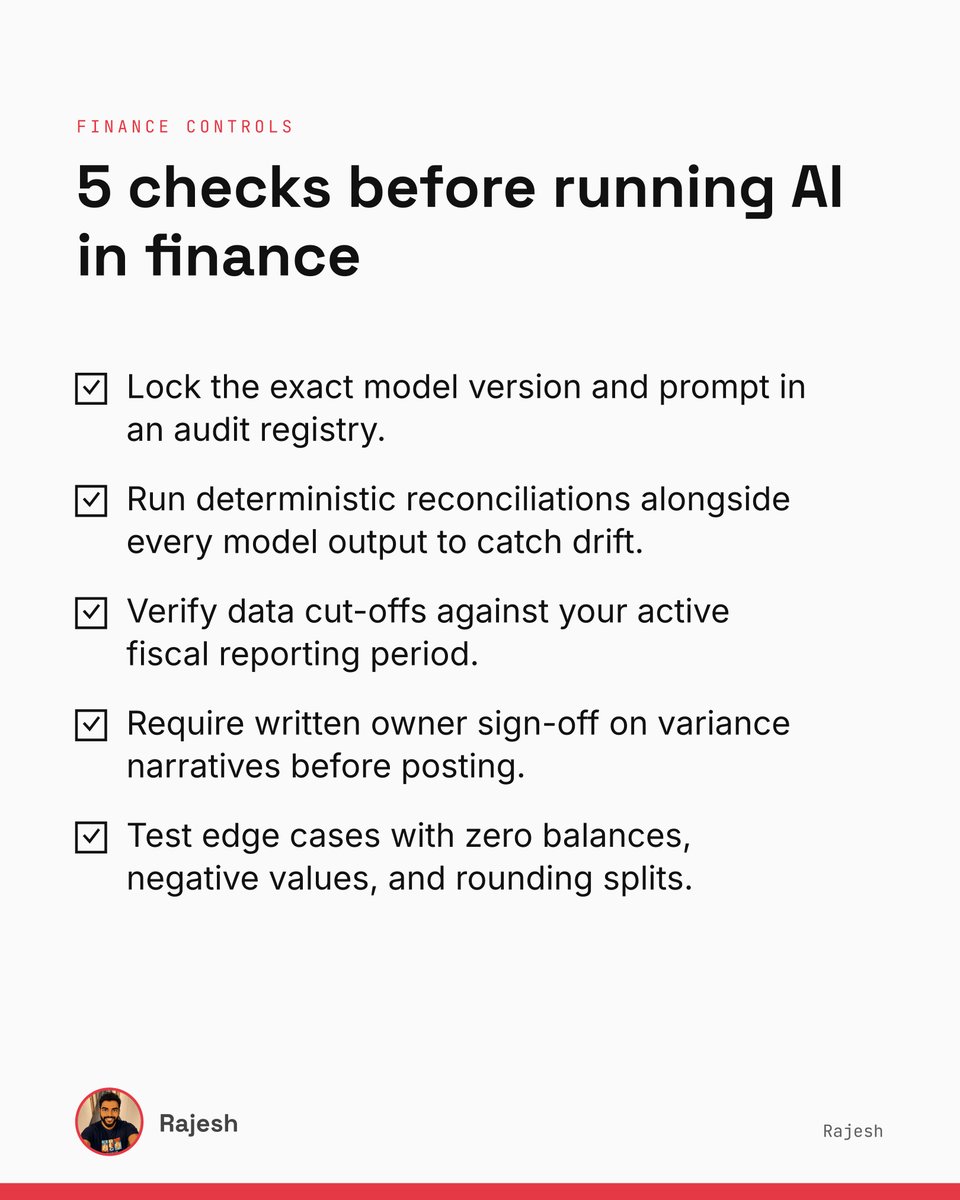
Before your finance team deploys an AI workflow across production ledgers, lock the model version.
When a vendor updates a model mid-quarter, your calculation logic shifts overnight. That leaves you explaining unreproducible variance notes to auditors who expect an exact trace.
If an AI model drafts your reconciliation, your reviewer is probably testing the wrong thing.
The model writes for fluency, not arithmetic truth. If your control only checks whether the explanation sounds plausible, the control has already failed.
COSO Principle 13 requires org
Using AI to hire, evaluate, or manage workers is now subject to strict scrutiny.
Across recruitment and performance management, organisations rely on automated tools to screen resumes, analyse interviews, and allocate tasks. Under the EU AI Act, systems used for recruitment, task allocation, and employee monitoring are classified as high-risk.
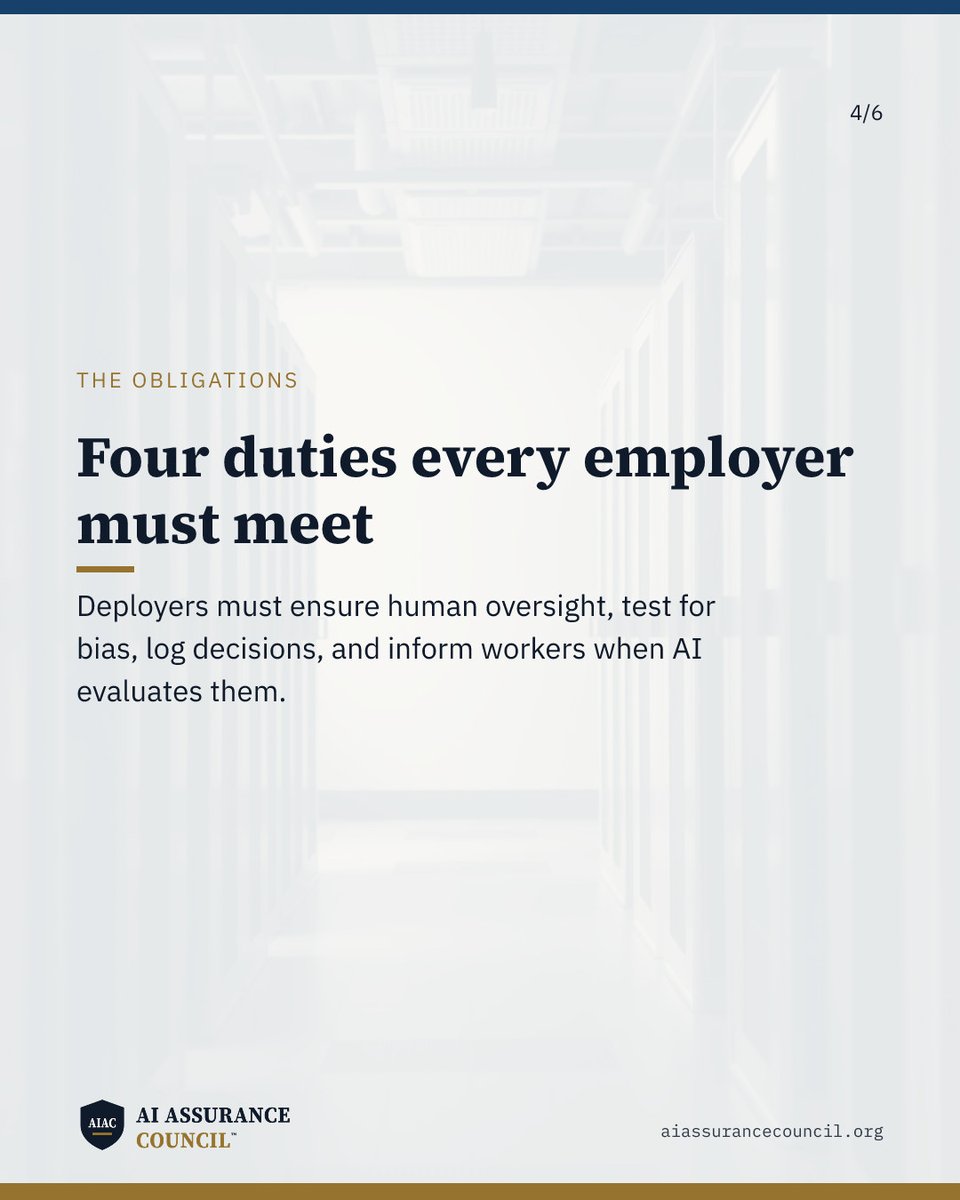
Deploying these tools creates specific duties for employers. You must be able to prove that a qualified human oversees the tool, that models were tested for bias, and that affected staff are clearly notified.
A vendor statement saying an AI tool is fair does not satisfy an auditor. Regulators and assurance teams require verifiable logs, recorded intervention thresholds, and documented drift reviews.
Sources:
- EU AI Act, Annex III, Point 4 — https://t.co/fqZDiRlgu1
AI Assurance Council ™ — the competency standard for AI assurance. Registration open. https://t.co/1jY6mohiy1
#EUAIAct
Autonomous AI agents require strictly bounded permissions and instant, auditable revocation.
Rajesh Raachabattuni builds autonomous architectures at https://t.co/AoDKiNo2CS; this is what agent boundaries look like in production.
Three things from the piece:
1. Tool access must carry hard operational bounds rather than open-ended runtime permissions.
2. Authority tokens should expire automatically unless actively renewed by human-defined policy.
3. Assurance requires real-time kill switches that halt multi-step actions mid-execution.
For assurance teams, verifying that agent authority can be revoked mid-task is a fundamental control test.
Read the full piece:
https://t.co/bGfx2WR4iC
Follow Rajesh Raachabattuni:
https://t.co/LLLY4FJByG
What does authority revocation look like in your stack?
AI Assurance Council ™ — the competency standard for AI assurance. Registration open. https://t.co/1jY6mohiy1
#AIAssurance
Everyone has an AI policy now. Few can answer one question, if your model drifted tomorrow, who gets notified and what actually happens? That's the line between a policy and a real management system.
Having an AI policy on paper does not mean an organisation has an AI management system.
Under ISO/IEC 42001, assurance teams look for repeatable controls across the entire system lifecycle. Writing down that your team uses AI responsibly is an assertion. An auditor looks for measurable objectives, risk assessments, and records of how human oversight works in daily practice.
Clause 6.1 requires organisations to assess specific AI risks, including impact on individuals and continuous data quality. Clause 9.1 requires planned monitoring and evaluation. When a model drifts or behaves unexpectedly, you must be able to show who was notified and what action followed.
Assurance is about verifying what actually happens, not what an organisation hopes will happen.
Readmore:
https://t.co/Zz4QauAdi5
AI Assurance Council ™ — the competency standard for AI assurance. Registration open. https://t.co/1jY6mohiy1
#ISO42001
Someone asked if Loomal would turn into a race-to-the-bottom pricing war like the App Store. Fair question. The difference: no platform cut means zero incentive to push volume over price. We only win if sellers think $49/mo is worth it. That changes how competition plays out.
Layer 3 splits two ways:
→ Agent-side rails (x402, AP2, ACP)
→ Merchant-side rails (paywalls, metering)
Loomal ships both with a single API key. The whole layer, one integration.
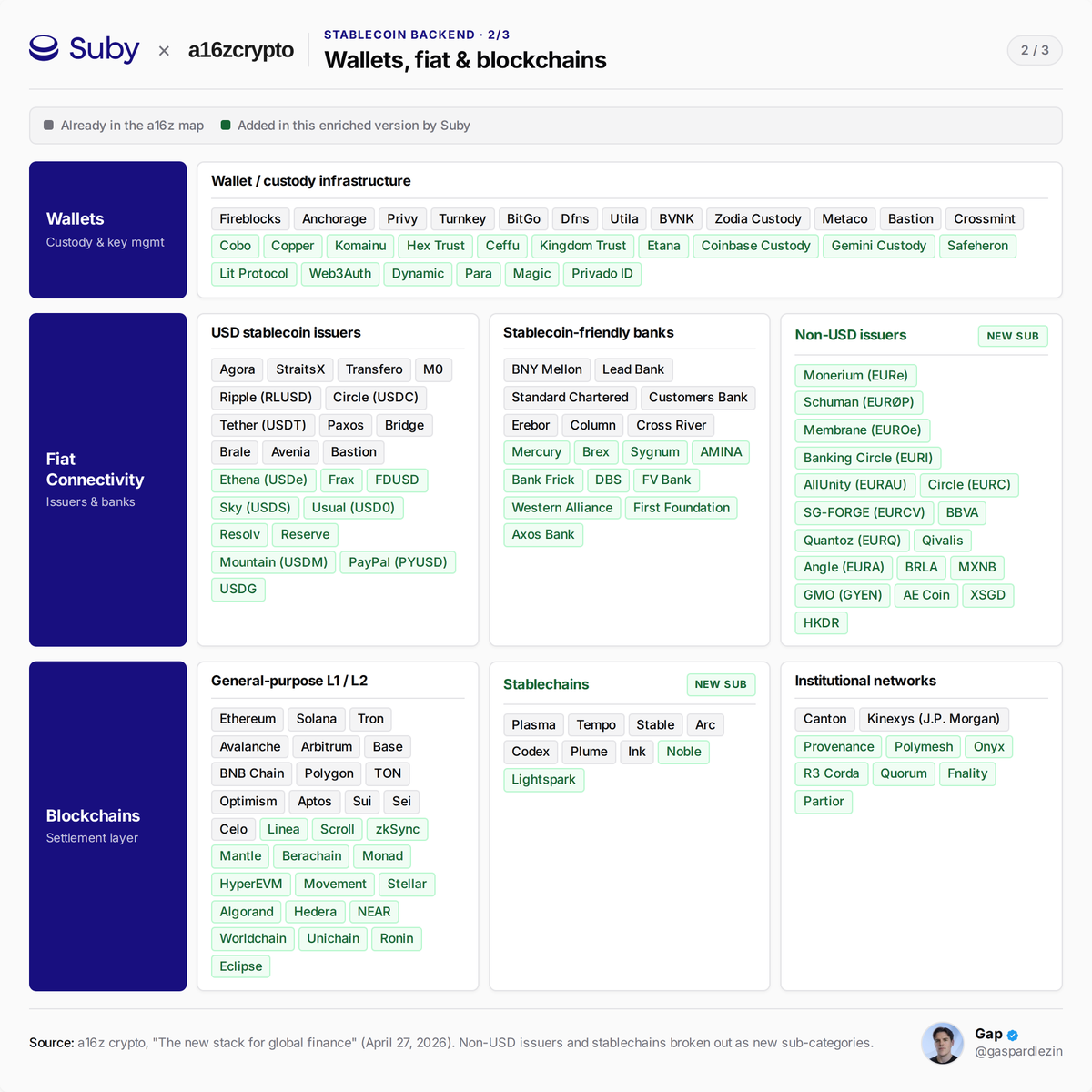
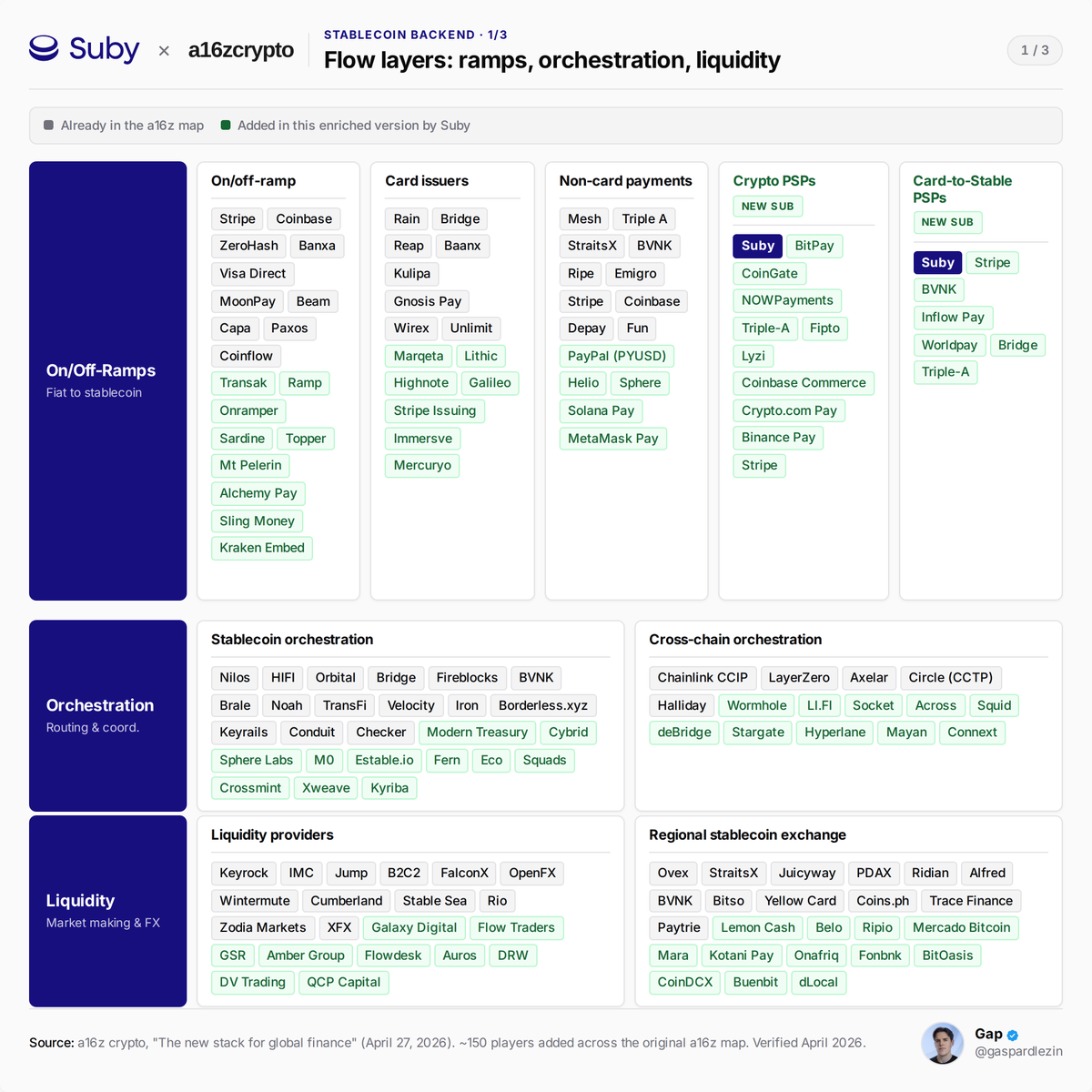
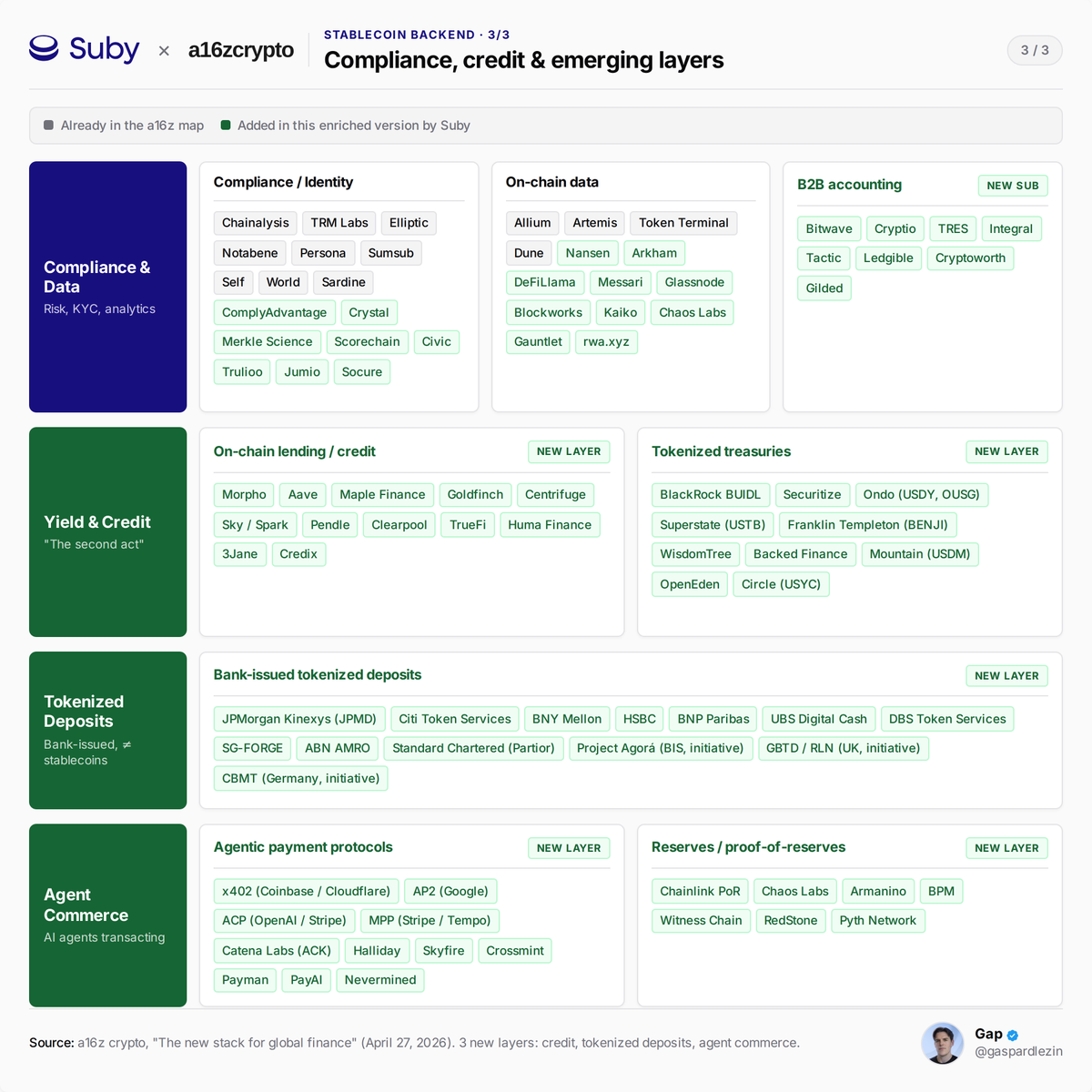
.@a16z crypto dropped their stablecoin map 3 days ago. I spent the last 72h enriching it.
Not because they did a bad job they did a great one (ty Noah Levine). But the stablecoin backend is so vast that no single map can capture it. So I added 150+ players and broke out the categories I think deserve their own row.
𝗧𝗵𝗲 𝟰 𝗹𝗮𝘆𝗲𝗿𝘀 𝗜 𝗯𝗿𝗼𝗸𝗲 𝗼𝘂𝘁
Layer 1: On-chain credit. Stablecoins aren't just rails anymore. They're collateral. Morpho, Aave Labs, Maple Finance, Centrifuge are originating loans at scale. Tokenized treasuries (BlackRock BUIDL, Ondo Finance, Superstate) crossed $7B AUM. DeFi quietly eating the credit market.
Layer 2: Tokenized bank deposits. Not stablecoins. A parallel system. J.P. Morgan Kinexys (JPMD), Citi Token Services, BNY Mellon, HSBC, BNP Paribas, UBS Digital Cash. Banks aren't fighting stablecoins, they're issuing their own programmable money in parallel.
Layer 3: Agent commerce. AI agents transacting in stablecoins. x402 (Coinbase + Cloudflare), AP2 (Google), ACP (OpenAI + Stripe). 6 months ago this was a thesis. Now it's live protocols.
Layer 4: B2B accounting. Bitwave, Cryptio, TRES Finance. The plumbing nobody talks about until you need to close your books.
𝗪𝗵𝘆 𝗶𝘁 𝗺𝗮𝘁𝘁𝗲𝗿𝘀 𝗳𝗼𝗿 𝘆𝗼𝘂𝗿 𝗻𝗲𝘅𝘁 𝗽𝗮𝘆𝗺𝗲𝗻𝘁
Most "stablecoin maps" you see online are payment-rail-only. Issuers, on-ramps, wallets, blockchains. They miss the half of the stack where the most interesting things are happening.
The real shift isn't "can I send USDC faster than SWIFT." It's that an entire parallel financial system is forming, with credit, deposits, FX, accounting, and AI commerce all natively stablecoin-denominated.
𝗧𝗵𝗲 𝗽𝗮𝗿𝘁 𝗜 𝗳𝗶𝗻𝗱 𝗺𝗼𝘀𝘁 𝗶𝗻𝘁𝗲𝗿𝗲𝘀𝘁𝗶𝗻𝗴
Card-to-Stable PSPs became its own sub-category.
Merchants accept cards as usual. Funds land in their USDC wallet in seconds. No FX markup, no T+2, no correspondent banks.
The players: @subyhq (what we're building), Stripe (via Bridge), BVNK, Inflowpay Worldpay and Triple-A.
Full map (3 slides) below ↓
Hat tip to a16z crypto for the original framework.
PS: I post weekly about stablecoin infra with Suby and the reality of building a payment startup. Follow for more.
Speaking at @SQCollective_SG[email protected].
Topic: AI agents need identity.
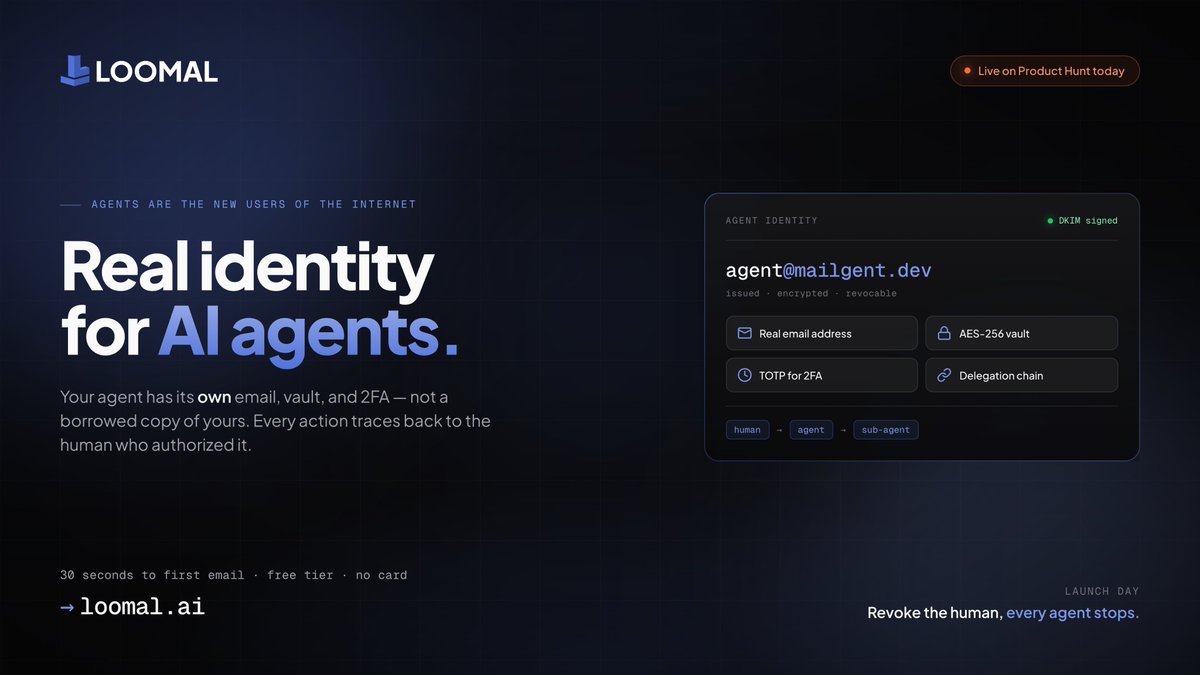
They borrow human emails, share hardcoded credentials, and have zero accountability. Loomal gives them their own stack email, credentials, 2FA via one API.
Live demo included.
https://t.co/BpxesYBWbw
Your AI agent uses your email. Your API keys. Your phone for 2FA.
That's not an agent. That's a remote-controlled you.
Launching Loomal today: real identity for AI agents. 🧵
Free tier. No card. 30 seconds to first email.
If you're shipping agents that need to do things — not just talk — I want you to try it and tell me what breaks.
→ https://t.co/Bu9rkF2Go3