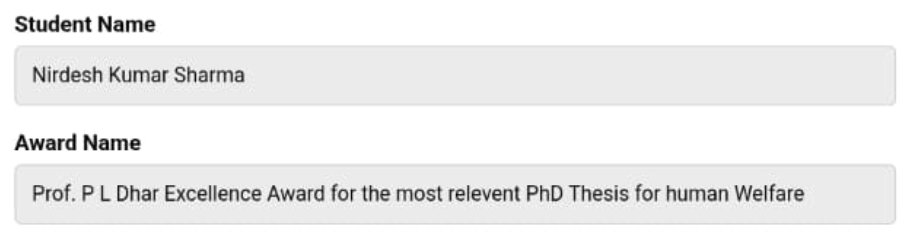
Tomorrow, one of my graduating PhD scholars will be receiving the best thesis award for human welfare, for his PhD on Geospatial AI applications for landslide mitigation in India. He has now moved on as the CEO of a deeptech startup incubated at IITD - EarthSense Labs. These are sparks of a new dawn in the country that a small number of PhD graduates of IITs with excellent international profiles are choosing entrepreneurship as a first-choice. This would not be possible without the support of various schemes. The ecosystem will take time to mature, but our ambition should be develop something that can rival Stanford's.
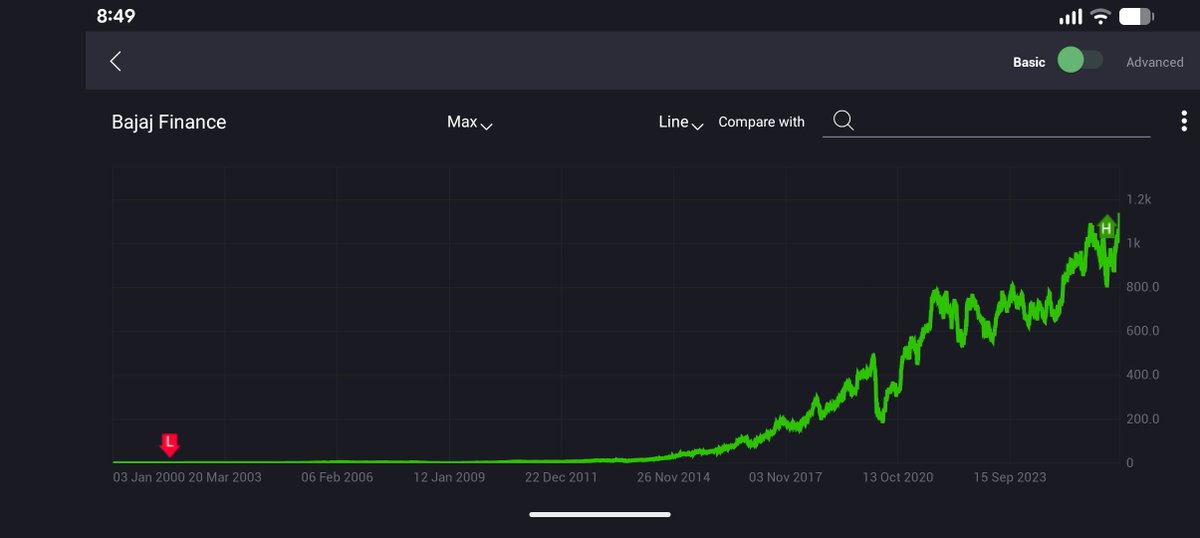
Tell me one stock to own over the last 20 years and for the next 20 years. Tell me one stock I should blindly keep buying when it hits 52w lows. Tell me one stock I can leave to my kids. That's all. Just one.
AI: sure - here you go.
தொடரும் தலித் மீதான வன்முறைக்கு எதிரான நடவடிக்கை, மற்ற தலித் நலன்களை ஆளுங்கட்சிக்கு நெருக்கமாக இருந்தும் இதுவரை முடியாததை சாதிப்பதுதான் விசிகவின் கரிசனமாக இருக்க முடியும். திமுகவின் அபிலாஷைகளை பிரதிபலித்து தொந்தரவு செய்வதில் முனைப்பாக இருந்தால் வரலாறு தந்த வாய்ப்பு பறிபோகும்.
TWO men broke the 2-hour barrier for the marathon today in London.
Both were wearing a super-light, 3.4-ounce shoe that has yet to be released. Adidas' head of running told me how they made it:
https://t.co/yB2jGnHTGE
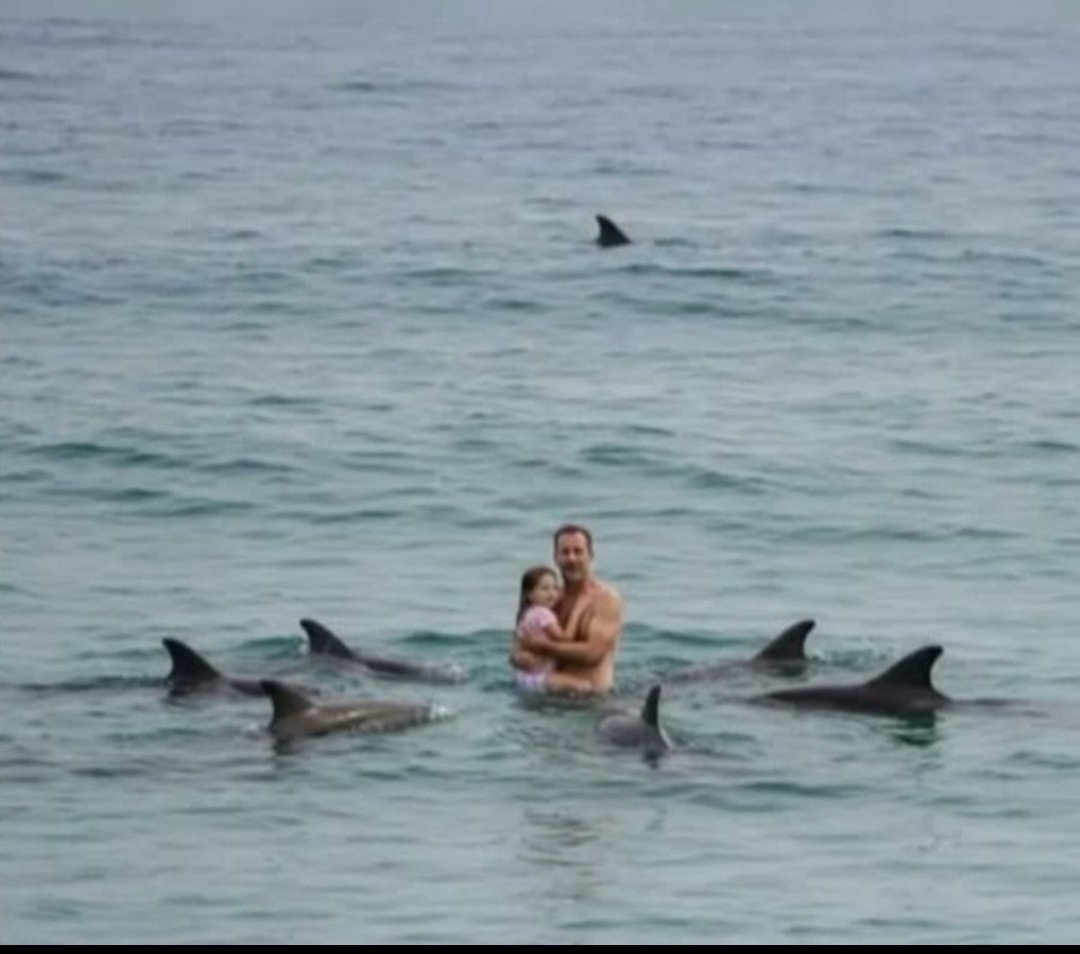
British swimmer Rob Howens was in the water with his young daughter off New Zealand's North Island when a pod of dolphins unexpectedly surrounded them. According to witnesses and lifeguards, the dolphins formed a tight circle around them, repeatedly guiding them toward shore. Shortly after, a great white shark, approximately three meters long, was spotted nearby. For about 30 to 40 minutes, the dolphins maintained their formation, using tail slaps and jerky movements to scare the shark away. They only dispersed when the animal swam away, allowing the swimmers to return safely. This encounter is often cited as a powerful example of dolphins' social intelligence and their coordinated protective behavior toward humans.
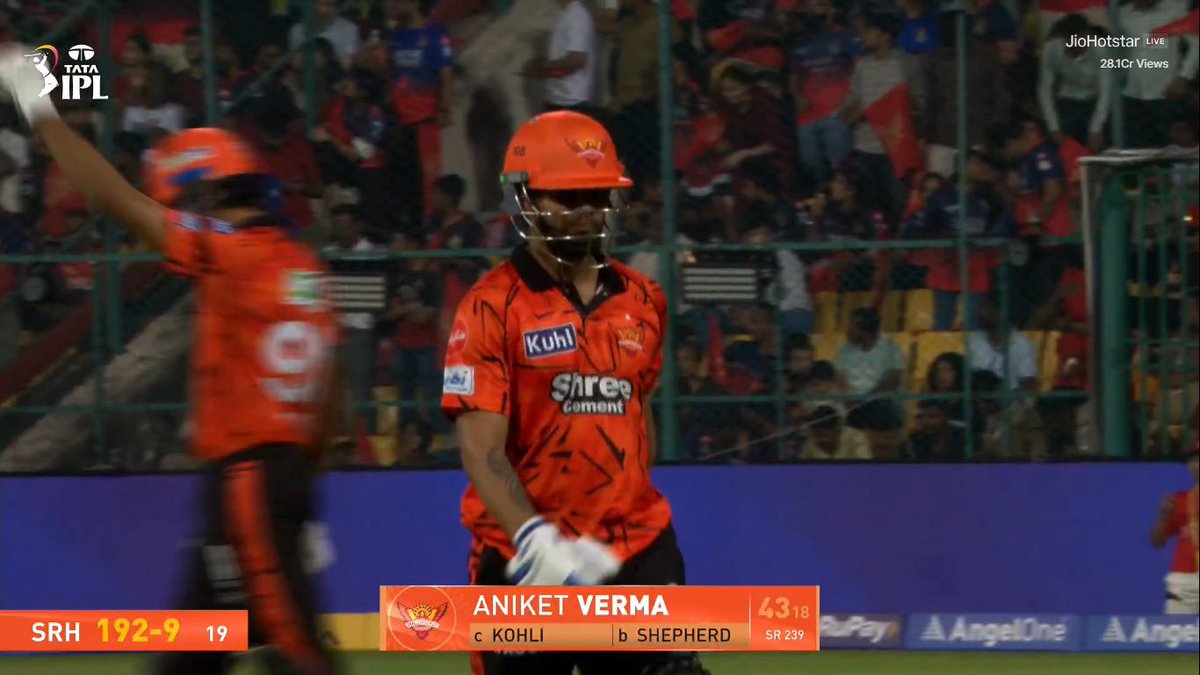
Loved how Ian Bishop effortlessly described the journey of Aniket Verma during his knock. 🙌
Losing mother at 3, his father remarried, he went to his Grandma’s house, how much sacrifice his uncle made for him, taking him to training regularly and all.
This is what the Audience wants Hindi commentators to replicate.
Have banter, it's fun but also educate the audience about the struggles of these rising stars.
Kudos to Ian Bishop for his behind the seen researches. 👏
Mumbai could have built a modern coastal commuter railway moving 10× more people, like the Rodalies de Catalunya I rode in Barcelona. Instead, it chose a massive bridge in the sea for cars, the least efficient and most polluting way to move a city. 🚇🌊
The biggest fumble in business ever might be Philips spinning off ASML, TSMC and NXP
Philips co-founded ASML in 1984, then co-founded TSMC in 1987, then they founded NXP
They sold each of them for short term profits in the 2000s
ASML is now worth $545B
TSMC is worth $1.76T
NXP is worth $50B
Philips today is worth just $27B
If they'd never sold, Philips would be the largest company in the EU today, worth $650B
Philips CEO Cor Boonstra called it "making money with the success of the past"
🤡
And that is a milestone broken in Indian long distance running...a sub 60 half marathon from Gulveer Singh at the NYC Half Marathon. 59.42 mins to be precise bettering the previous 60.30 of Avinash Sable.
Sets it up well for a sub 2.10 full marathon whenever he decides to do that!
Gokul (@gokulr) has worked with generational founders like Brian Armstrong (@brian_armstrong), Jack Dorsey (@jack), and Tony Xu (@t_xu).
Here he explains how great companies use "bet sizing" to keep innovating:
"Every company has a core business, but if they don't take any bets alongside the core business then they're destined to fail".
The Founding Partner of @MarathonMP break this down into three core principles:
1. Allocate Resources: "A core business should have about 70% of resources. The remaining 30% can be used to make four or five bets, with each bet maybe having 5% of resources".
2. Time-box and Goal-Set: "Give these bets a certain amount of time and a specific goal to hit. The first goal is typically "product market fit," where you have maybe a hundred customers who "love you and use your product on a daily, very regular basis".
3. Double Down: If a bet hits its goal, you "double down" and act like an investor, seeding the bets and figuring out which one deserves "Series A investment".
@gokulr mentions that @coinbase has 12 products worth more than $100M and "almost every single one of them outside of the core transaction marketpalce started as a bet".
"You never bet the whole company, but you got to take multiple bets".
Proud to be adding companies like Databricks, Declancy, WRLTEN, and TwinStar to our B2B list.
The interesting part?
Employees wear our products with their company logo…
then check out the brand and come back wanting the same pieces without the logo.
B2B quietly becoming our B2C acquisition engine.
Lululemon does $11B in revenue… and in the US they’re running ~170 mostly static ads. We run 130 at Wellbi combination of static and video ads.
Makes me wonder:
at some scale, does brand + retail presence become the real advertising?
Maybe creative volume matters less once the brand compounds over years.
BYD's vertical integration is insane, much moreso than Tesla's
They make their own batteries, chips, motors, and even mine their own lithium.
A couple of years ago they felt there weren't enough transport options for their cars, so they built their own fleet of car carrier ships, and- per this video, the cars drive off of the ships autonomously.
They now operate the largest car carriers in the world. Each carries up to 9,200 cars and is powered by LNG.
The fleet can export ~1M cars/year and cuts per-vehicle shipping costs 30-40%. Wild!
Whole Truth spend just 17% on marketing (industry avg is 40%) and still lose money. Why?
Because they refuse to compromise on quality. Clean ingredients are super expensive.
At Wellbi, our manufacturing cost is 1.5–2X higher than basic cotton. Premium fabrics. Extra quality inspection. Better finishing.
We price competitively. Some months, we even lose money. Not because we’re inefficient. But because we choose value over shortcuts.
Affordable ≠ cheap. It means giving more than you charge for.
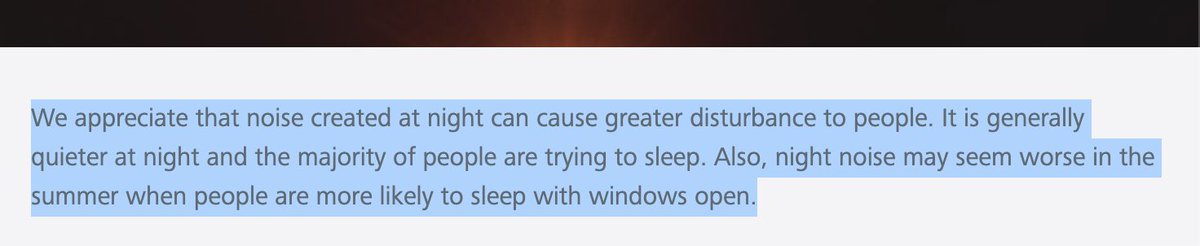
Fun fact that a lot of people find surprising - a large airport like London Heathrow shuts down from 11 PM to 6 AM with no scheduled departures and no arrivals before 4:30 AM.
Same with Sydney, Frankfurt, Zurich.
Why? So people living nearby can sleep.
There are many reasons i like Republic Day, but my favourite is that its accounting treatment is different from other anniversaries.
Your 10th birthday is 10 years after your birth. Your 25th wedding anniversary is 25 years after your wedding. But the 77th republic day is 76 years from the founding of the republic.
It's because the first republic day was the day the republic was founded, not a year after. In this regard it's different even from Independence Day. And for that reason alone, a superior holiday :)
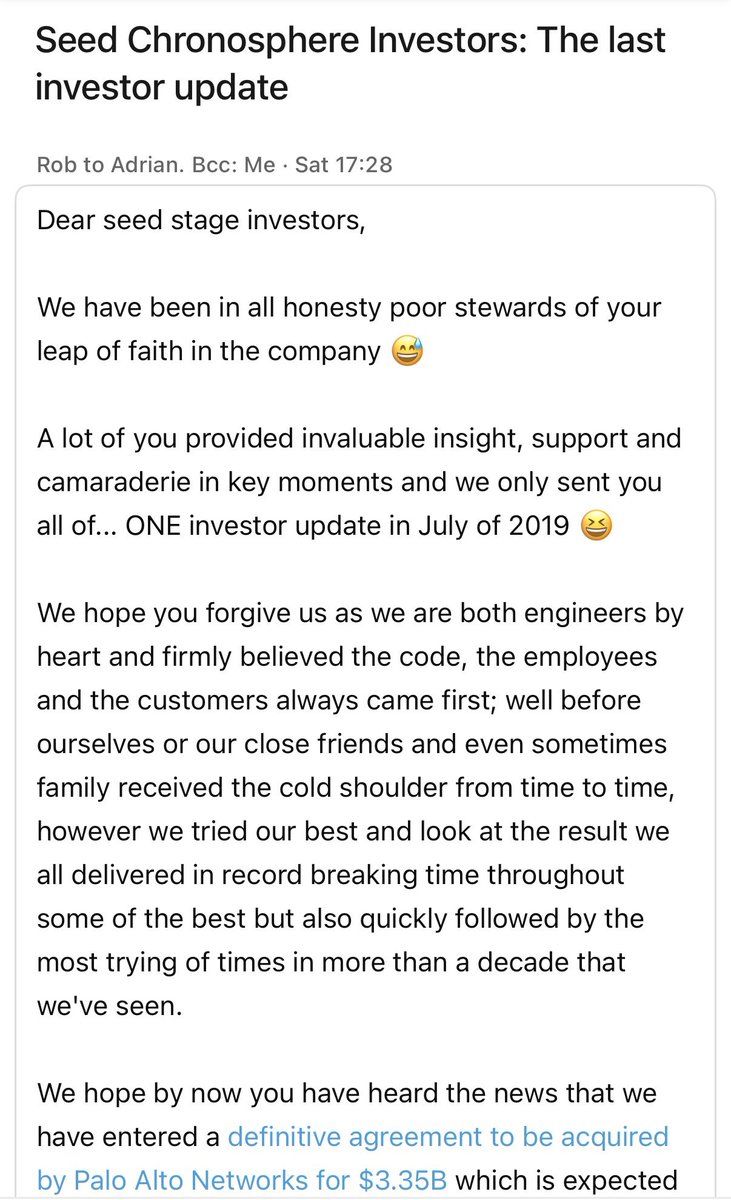
Only 2 investor updates matter:
1) confirm investment was received
2) sold the company for 3.35 billion dollars.
Number of interim updates in the messy middle is not correlated with success in my experience, but they are well appreciated.
@roskilli@chronosphereio
Came across this video by Evernote founder @plibin detailing the 'Amazing State Machine' framework. This is very high on insight density. Thanks Phil for this!
Founders selling a subs product or service should look at the 'Amazing State Machine' framework. Sadly not so useful for one-time or low frequency usecase like mortgages, or college admission.
The framework deconstructs user activity into 14 flows (see image), e.g., #6 moves low value users to high value users (those who use the app more frequently and extract value from you, not pay most or you extract value from), or #12 (holding on to high value users). You can now have specific teams assigned to each flow
#6 - upgrade team
#12 and 7 - high value user retention and delight team. You can even track revenue and costs per flow.
Three big learnings:
A/ All churn is not the same. First time user to inactive != High value user to inactive user (or even Low value user to inactive user). This was a very actionable insight.
B/ There is a heirarchy of flows - #12 is v important. If #2 is v high, then there is usually no point focusing on #1 (acquiring new users). This is a leaky bucket.
C/ The most aligned startup models allow you to make the most revenue from high value users. If there is a user extracting highest value but doesnt pay the highest (e.g., Meta) it is a less aligned biz model than one where your revenue from user increases in proportion to the value they derive from your platform (e.g., Apple).