From Longevity Genetics to Precision Interventions: Integrating Nutrigenomics and Epigenetic Mechanisms of Ageing
... Interconnected Mechanisms of Ageing and Emerging Therapeutic Strategies: From Cellular Pathways to Clinical Translation...
https://t.co/XlxQpcK96L
New episode of Lifespan: Inside the World’s First Age Reversal Trial. New updates on how the trial is going & how to maximize vision!
https://t.co/ChZb3EsOlz
I'm a cardiologist. Two of the cheapest amino acids on earth just did something in Baylor clinical trials that no expensive longevity drug has matched — and almost no physician is talking about it.
Glycine and N-acetylcysteine. Together they're called GlyNAC. Both over the counter. Both pennies a dose.
In aged mice, the combination extended lifespan by 24%.
In older humans — in a randomized, double-blind, placebo-controlled trial at Baylor College of Medicine — 16 weeks of supplementation improved nearly every hallmark of aging at once:
Glutathione restored toward youthful range. Oxidative stress and lipid peroxidation slashed. Mitochondrial function repaired — greater fat oxidation, better cellular energy. Insulin resistance improved. Inflammation down across IL-6, TNF-alpha, and hs-CRP — the exact markers I track in my heart patients. Endothelial function better. DNA damage and muscle breakdown reduced. Body fat down, strength up.
And here's the line that stopped me: for some markers, older adults became statistically indistinguishable from young adults after 16 to 24 weeks.
It wasn't just lab values, either. Cognitive scores improved. Processing speed and executive function improved. Exercise capacity improved. And gait speed improved — which matters more than most people realize, because walking speed is one of the strongest predictors of survival in older adults.
One intervention. Nearly every system.
The mechanism is elegant. Glutathione is your master antioxidant — it neutralizes free radicals, recycles vitamins C and E, protects your mitochondria, and detoxifies. Production collapses with age; older adults are reliably deficient.
But the bottleneck isn't one ingredient. It's two. Glycine runs short and cysteine runs short. NAC alone doesn't fix the glycine gap. Glycine alone doesn't fix the cysteine gap. Supply both and the factory restarts. Sekhar's team calls it the "Power of 3" — glycine, cysteine, and the glutathione they build together.
The trial doses were substantial: roughly 100 mg/kg/day of each. For a 70 kg adult, about 7 grams of glycine and 7 grams of NAC daily, split up. You can't reach that from food.
Now the honest caveats, because this is where hype usually wins.
The trials were small — dozens, not thousands. The strongest effects were in older adults with documented glutathione deficiency; a young, healthy person may see little. The lifespan data is in mice. And critically: stop taking it and the benefits fade within about 12 weeks. This is maintenance, not a cure.
NAC can cause GI upset. If you're on nitrates or blood thinners, or have kidney disease, talk to your physician first.
I take glycine daily and have written about it before. What the Baylor work changed for me is understanding that the pairing is the point — not either amino acid alone.
If you're over 60 with fatigue, insulin resistance, or climbing inflammatory markers, this is a real conversation to have with your doctor. Two amino acids that cost pennies, with randomized human data, hitting mitochondria, inflammation, insulin, strength, and cognition simultaneously.
We spend fortunes chasing exotic longevity molecules.
Sometimes the answer is restarting a factory your body already built.
Liver tissue carries no pain fibers. Only the capsule around it does, which is why scarring accumulates for years in silence and cirrhosis tends to announce itself late, once a good deal of the organ is already gone. That silence is what makes a cheap, modifiable exposure worth taking seriously.
Cedars-Sinai researchers followed 354,957 UK Biobank adults with no cirrhosis or liver cancer at enrollment for a median of 13 years. Against people who drank none, those drinking five or more cups of coffee a day had 32 percent lower rates of cirrhosis, 47 percent lower rates of liver cancer, and 42 percent lower liver-related mortality, with risk falling step by step as intake rose.
Coffee and liver findings are not new, and that is the point. Pooled cohort data put liver cancer risk roughly 15 percent lower for each additional cup per day. A separate meta-analysis found about 30 percent lower risk of fatty liver disease among coffee drinkers, and a similar reduction in fibrosis among those who already had it. The direction has held across populations for years.
What the new analysis adds is corroboration from instruments that do not depend on what people report. In 28,961 participants scanned by MRI, higher intake tracked with less hepatic fat, less iron, and less fibroinflammation. In 44,633 with plasma proteomics, roughly 2,900 proteins were screened, and intake tracked with more of the proteins tied to healthy liver function and fewer of those tied to scarring and inflammation.
Caffeine is probably not the operative agent. Decaffeinated coffee shows similar effects on fibrosis markers and liver enzymes, which points toward the polyphenols and diterpenes rather than the stimulant. That same literature notes the benefit reads cleanest without added sugar, and the new analysis captured additives too.
This is a cohort, not a trial. Intake was self-reported once. UK Biobank volunteers are healthier and less diverse than the general population. In participants with diabetes the cirrhosis association weakened, though liver cancer and liver-related death held. And five cups a day is a substantial habit; a graded relationship means less coffee carried less benefit.
References:
Kim et al., Clin Gastroenterol Hepatol 2026 · DOI 10.1016/j.cgh.2026.04.035
Alicandro et al., Eur J Cancer Prev 2017 · PMID 28288025
Wijarnpreecha et al., Eur J Gastroenterol Hepatol 2017 · PMID 27824642
Contaldo et al., Curr Opin Clin Nutr Metab Care 2019 · PMID 31219824
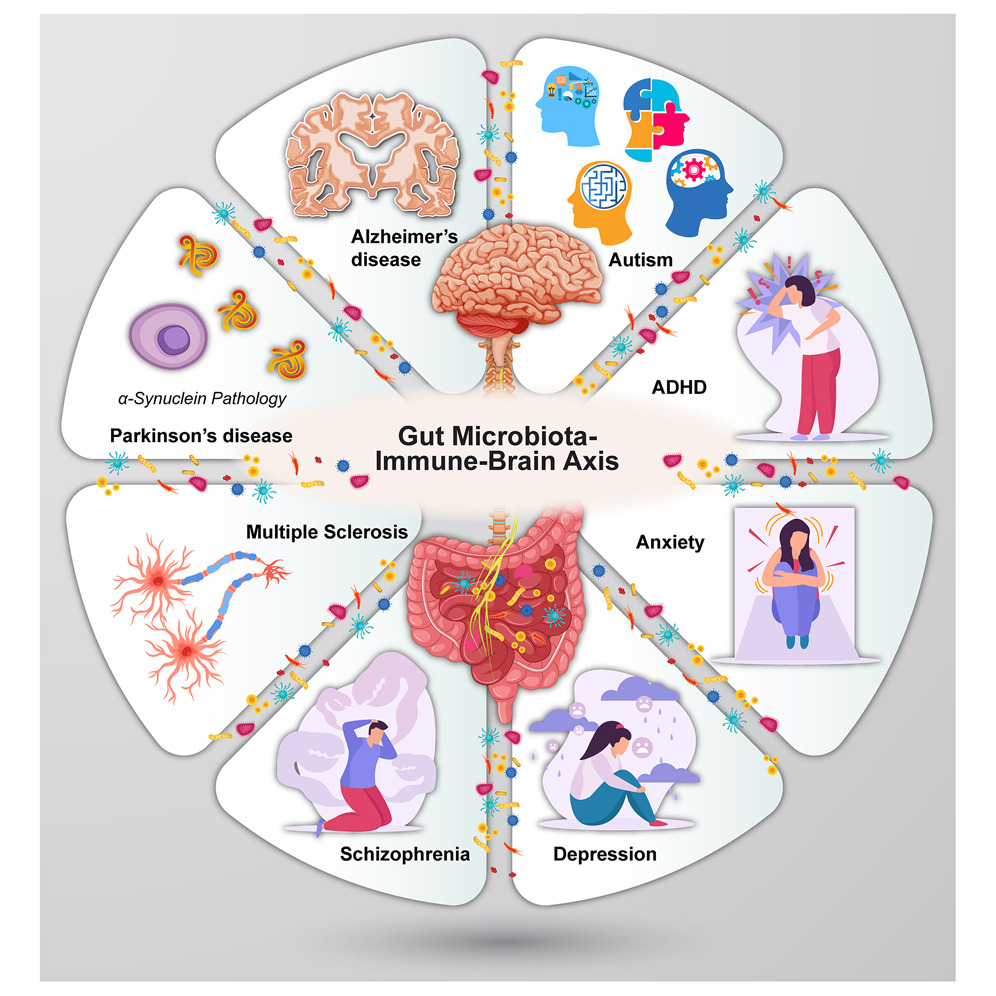
The Gut-Brain-Muscle Axis: Microbial Regulation of Neuromuscular Aging and Cognitive Frailty
"Collectively, the gut-brain-muscle axis provides a novel systems biology framework for understanding cognitive frailty and developing integrated therapeutic strategies for healthy longevity."
https://t.co/U1ltKP2tUR
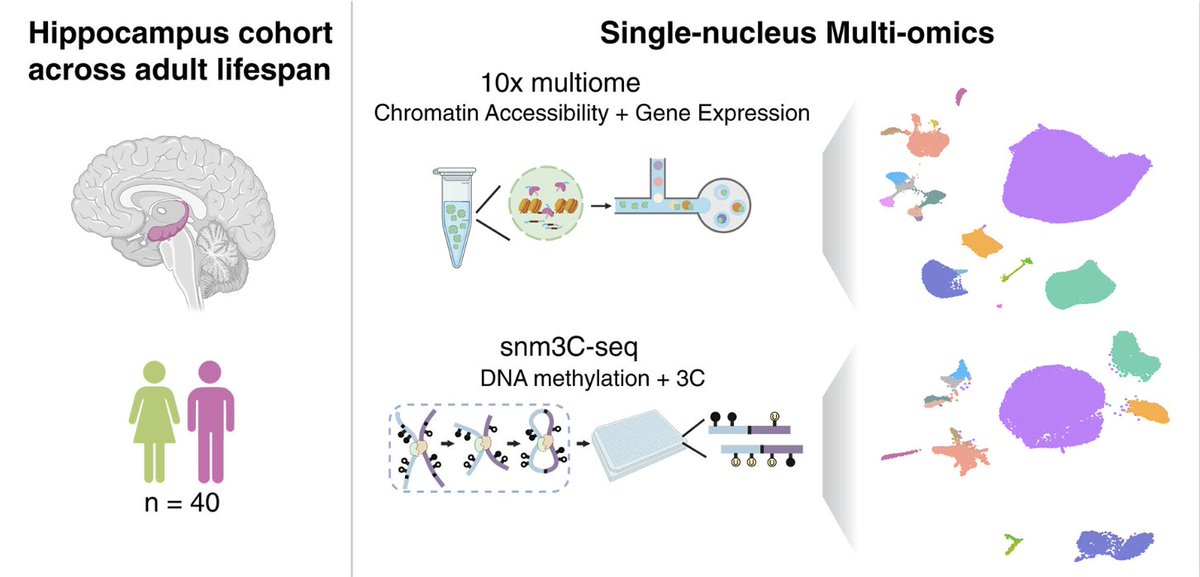
Aging doesn't just change what brain cells do, it changes what they are! New study shows microglia cells replaced over time by monocyte-like inflammatory cells due to DNA methylation changes, consistent with brain aging and dementia resulting from epigenetic information loss👏🧵
BIG ANTI-AGING PROGRESS:
Scientists just reversed a form of molecular aging once thought permanent. 🤯!
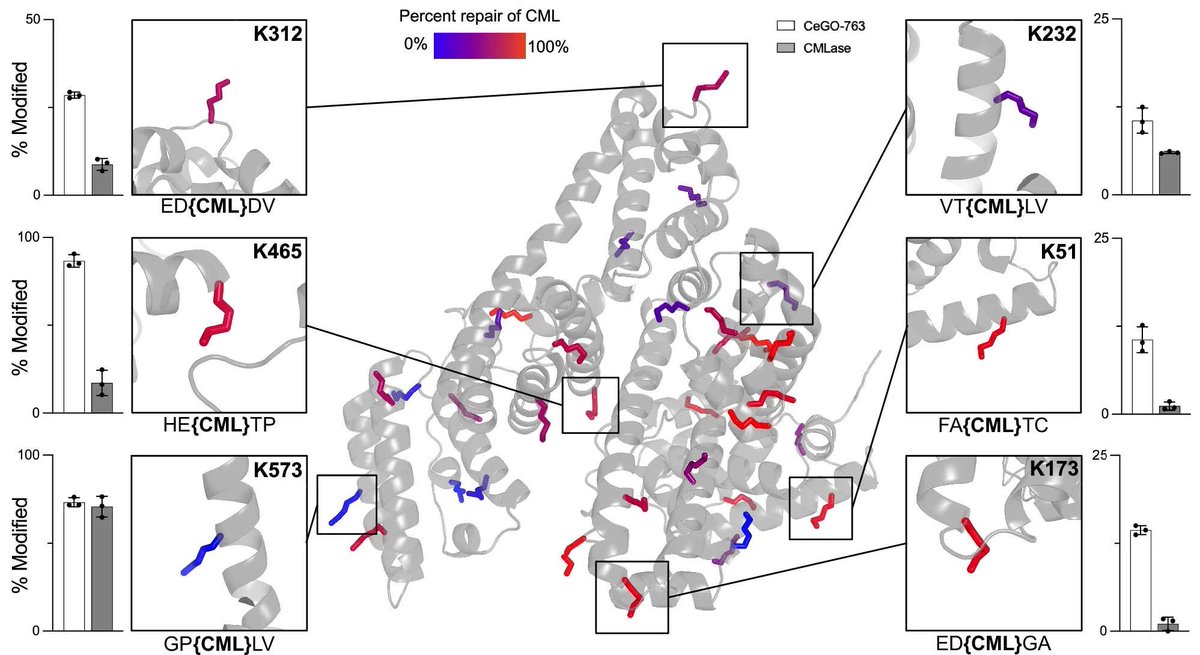
"For decades, scientists believed Nε-carboxymethyllysine (CML), one of the most common Advanced Glycation End Products (AGEs) that accumulates on our proteins with age, was essentially irreversible."
But not anymore!
"Researchers just engineered CMLase, the first enzyme designed to repair this age-related damage by removing CML and restoring the protein's original lysine residue."
The results were remarkable:
> 55% reduction of CML in aged human skin
> 70% reduction in elderly human arteries
> 45% reduction in a 64-year-old human lens
Even more striking, CML levels in treated aged skin fell below those measured in skin from a 31-year-old donor.
"Instead of replacing cells or slowing future damage, CMLase directly repairs proteins that have accumulated decades of chemical aging. It's the first demonstration that this type of molecular damage can be enzymatically reversed in naturally aged human tissues."
This breakthrough could open an entirely new frontier in rejuvenation biotechnology.
Longevity Progress
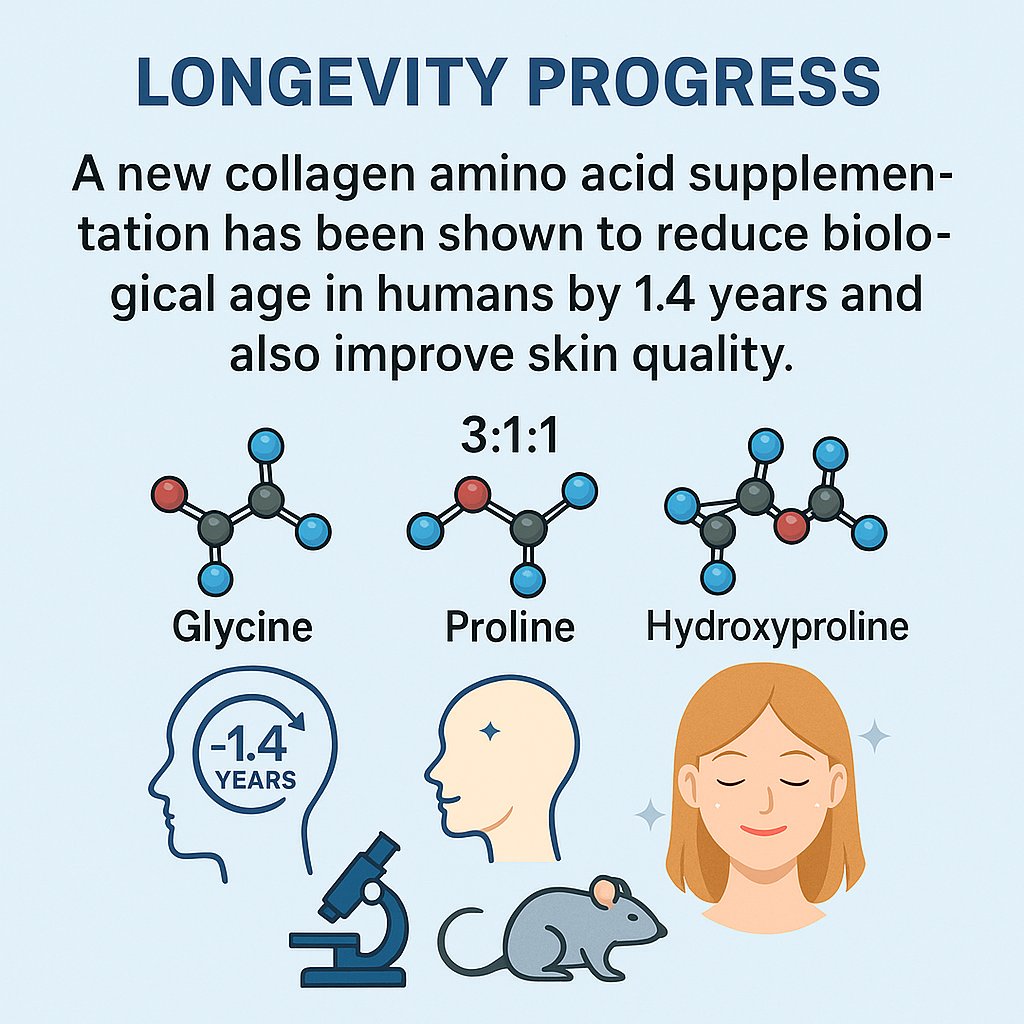
A new collagen amino acid supplementation has been shown to reduce biological age in humans by 1.4 years and also improve skin quality.
Scientists have discovered that a precise blend of 3 amino acids found in collagen can measurably rewind aspects of human aging.
The formula is surprisingly simple: glycine, proline and hydroxyproline in a 3:1:1 ratio. These are the core building blocks your body uses to produce collagen.
In lab tests, this amino acid mix extended lifespan in worms and boosted health and strength in aging mice. But the headline comes from the human data: in a 6 month study of older adults, daily supplementation reduced their biological age by about 1.4 years based on epigenetic testing.
Participants also showed noticeable improvements in skin quality within just three months, hinting that the body may be restoring collagen production more efficiently.
The researchers suggest this works because the collagen supporting amino acids activate a deeply conserved repair pathway across species, helping tissues maintain structure as they age.
Another one. Anti Aging Acceleration is real
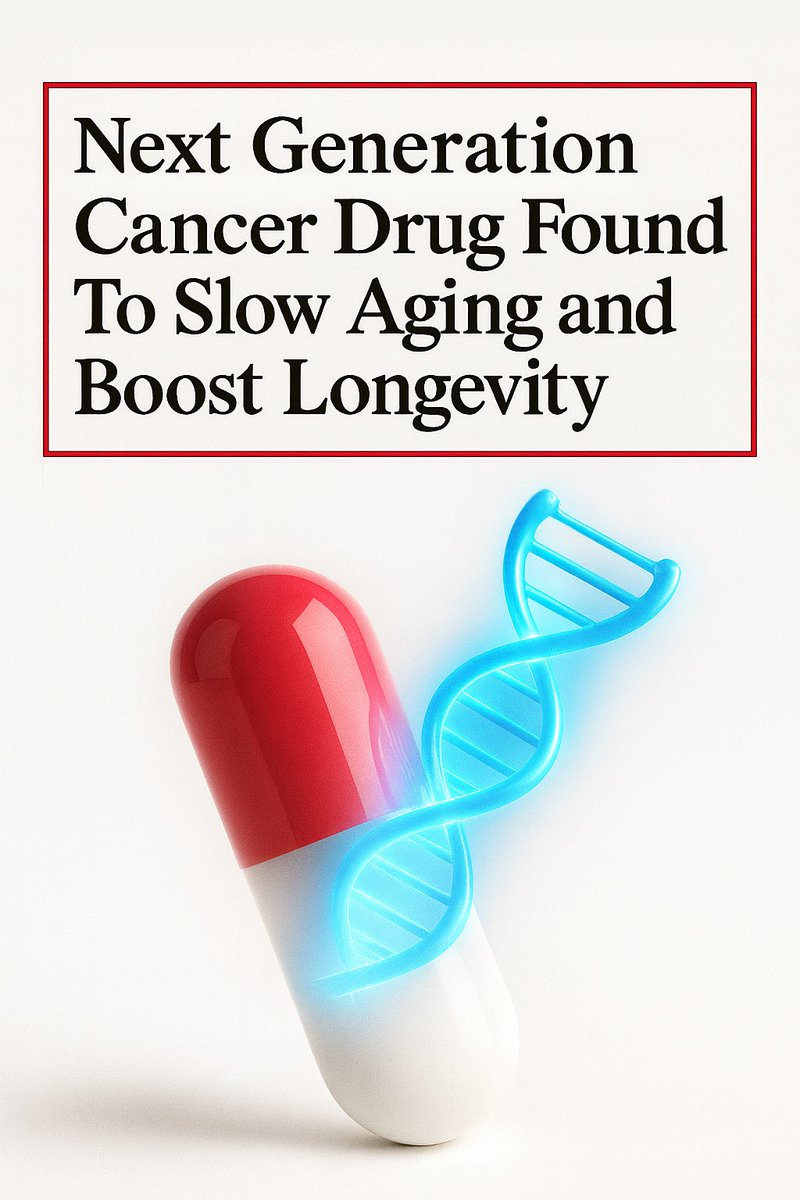
Next Generation Cancer Drug Found To Slow Aging and Boost Longevity
A research team at Queen Mary University of London has discovered that Rapalink-1, an advanced cancer drug targeting the TOR pathway, can significantly extend lifespan, at least in simple yeast.
TOR is one of the most important aging related pathways in biology, conserved from yeast to humans.
While studying Rapalink-1, researchers uncovered a previously unknown metabolic feedback loop involving agmatinases, enzymes that convert the metabolite agmatine into beneficial polyamines. This loop helps fine tune TOR activity.
Here’s the surprise
Blocking agmatinases made yeast grow faster but age dramatically sooner.
Boosting agmatine or related metabolites extended lifespan under certain conditions.
Rapalink-1 extended lifespan specifically by dialing down TORC1, the growth driving arm of the TOR pathway.
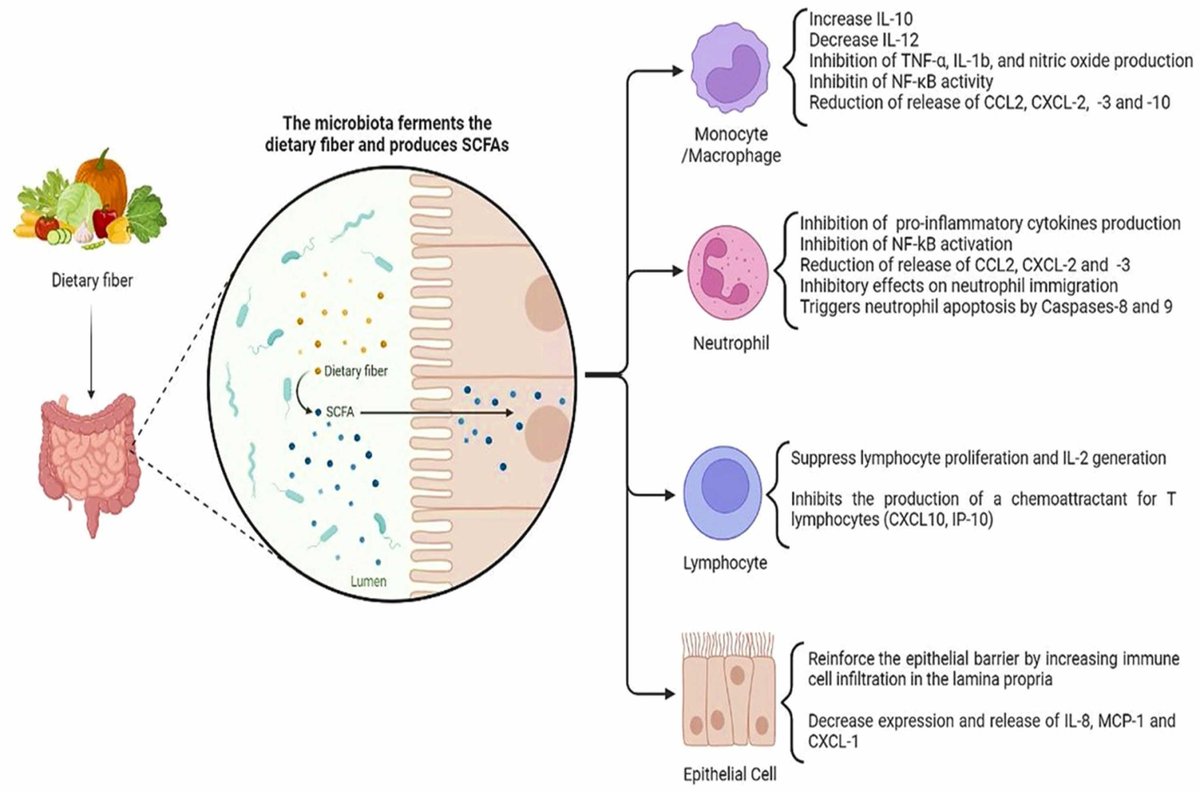
Because agmatine comes from diet and gut microbes, this discovery hints at a direct biochemical link between nutrition, the microbiome, metabolism, and the aging process.
The study opens a new direction in anti aging science:
combining TOR-targeting drugs with metabolic or dietary interventions to extend healthy lifespan.
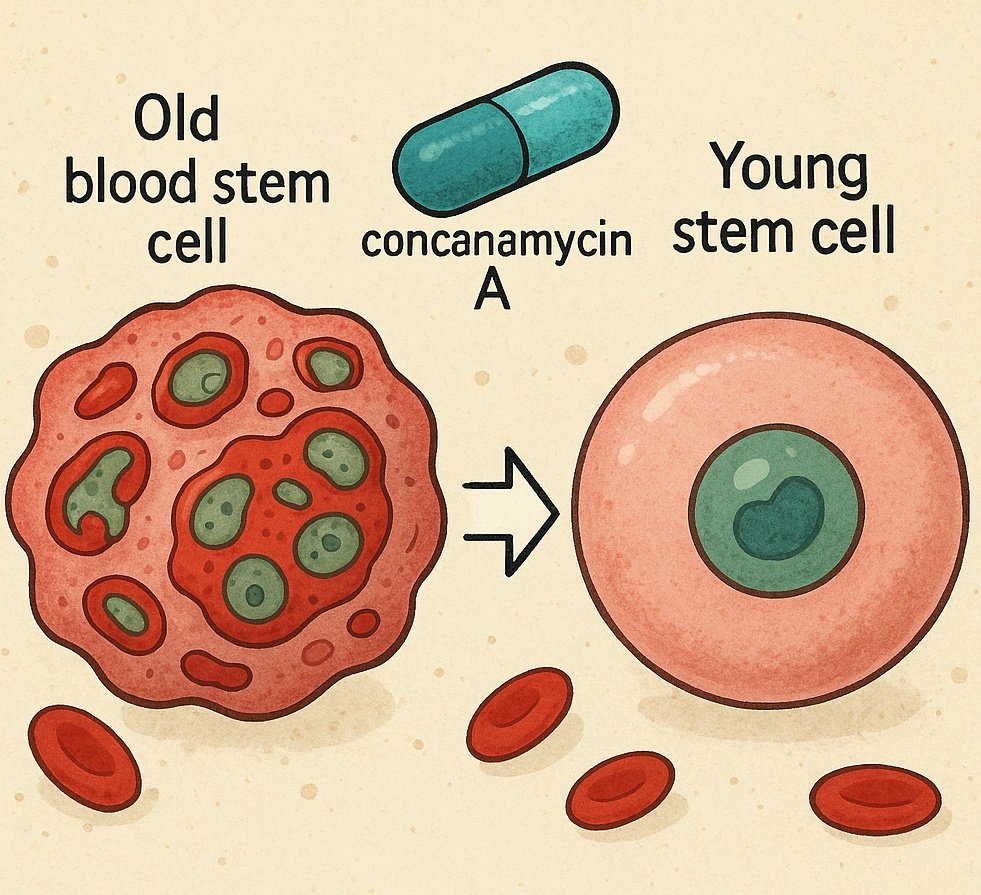
Scientists may have just found a way to rewind the ageing clock in blood stem cells.
A team in the US researchers figured out that as blood forming stem cells get older, their lysosomes go kind of haywire. Lysosomes are the tiny “cleanup crews” inside cells, and when they get overactive and messy, the stem cells start ageing faster and lose their ability to regenerate.
The researchers tested a compound called concanamycin A on old stem cells in mice. It basically calmed the lysosomes down and brought their internal pH back to normal. Once that happened, the old stem cells started acting young again and showed much better regenerative power.
Every vitamin has a job.
Every deficiency has a consequence.
Every food choice moves the needle.
A quick breakdown:
🔵 Vitamin D
Bone strength and calcium absorption.
Low levels raise the risk of weak bones and fatigue.
🟣 Vitamin B12
Builds DNA and protects nerves.
Low B12 can mean anemia, tingling, and brain fog.
🟡 Vitamin A
Vision, immunity, and tissue growth.
Deficiency can lead to night blindness.
🟢 Vitamin K
Clots your blood when you’re injured.
Deficiency increases bleeding risk.
🟠 Vitamin C
Major antioxidant and collagen builder.
Low C = weak immunity and poor wound healing.
🔴 Vitamin B6, B7, B9, B1, B2, B3
These B-vitamins run your metabolism, fuel your brain, make neurotransmitters, support pregnancy, stabilize energy, and protect your nerves.
Each one solves a different problem in your biochemistry.
What this all means:
• Vitamins aren’t optional
• You feel them long before you see them
• Deficiency symptoms often look like “stress” or “low energy”
• Small improvements in diet can fix problems people chase with supplements for years
Nutrition is chemistry you can control.
Your cells are listening to what you feed them every day.
36% of people who live beyond 100 say they participate in stress relief, like meditation or prayer. Many focus on a healthy diet, 40% play video games regularly, and 1/3 have tried ChatGPT or another AI platform
Probably no coincidence
https://t.co/190cyWctzi
Imagine being able to predict or detect diseases with a cheek swab? NEW STUDY finds a cheek clock associates with 33 conditions:
1. Various cancers
2. Aging
3. Prediabetes
4. Depression
5. Lung fibrosis
6. Chemicals
7. Fatty liver
How is it possible? 🧵
https://t.co/diKymGGoOd
Ejercicio, restricción calórica, vitaminas, antioxidantes, sulforafano, resveratrol.. favorecen la biogénesis y eficiencia mitocondrial reduciendo el estres oxidativo e inflamación asociadas al envejecimiento y enfermedades relacionadas💪
#ejercicio#dieta
https://t.co/aIChmZfvYD
This review presents the intrinsic physiological and metabolic processes governed by circadian biology and highlights their connection to human performance across different times of the day.
We discuss the impact of the gut microbiota on the brain and review emerging research that suggests a disruption in the microbiota-brain axis can affect AD by mediating neuroinflammation.
https://t.co/kPnB1neEgk