Newborns are among the most vulnerable to sepsis, and the antibiotics that save them are losing power. For World Sepsis Day, join a global panel on neonatal antimicrobial stewardship: prescribing behavior in LMIC units, AMR tracking at scale in India, and NEST360's stewardship work across 5 African countries.
Background: ReAct's 2020 global survey of 400+ physicians across 74 countries documented widespread concern over antibiotic resistance threatening newborn sepsis treatment.
Read the report: https://t.co/BmGzmayIcb
A lab technician's eyeball call on a petri dish can determine whether a patient gets the right antibiotic. That's the problem.
In Aden, WHO, Yemen's MoPHP and MSF just launched a 5-day workshop training lab professionals on Antibiogo and WHONET — tools that standardize how antibiotic resistance is read and recorded, replacing inconsistent visual interpretation with reliable data.
No surveillance data, no way to see resistance spreading. No way to see it, no way to stop it.
https://t.co/ZVsOcuCfoM
You can kill 99% of bacteria in wastewater and still have an antibiotic resistance problem. Why? When bacteria die, they release their DNA into the water, including the genes that make them drug-resistant. That DNA survives treatment and gets picked up by other microbes.
Researchers tested wastewater plants in Tshwane, South Africa and found resistance genes for last-resort antibiotics still present after treatment, before discharge into rivers.
This is an environmental issue as much as a medical one. Full study: https://t.co/pQyNkqoA1x
🚨 Misusing antibiotics can affect everyone.
AntimicrobialResistance (AMR) occurs when bacteria, viruses, fungi and parasites no longer respond to medicines. Drug-resistant bacteria can spread and make infections harder to treat.
Let’s handle antibiotics with care and protect our communities!
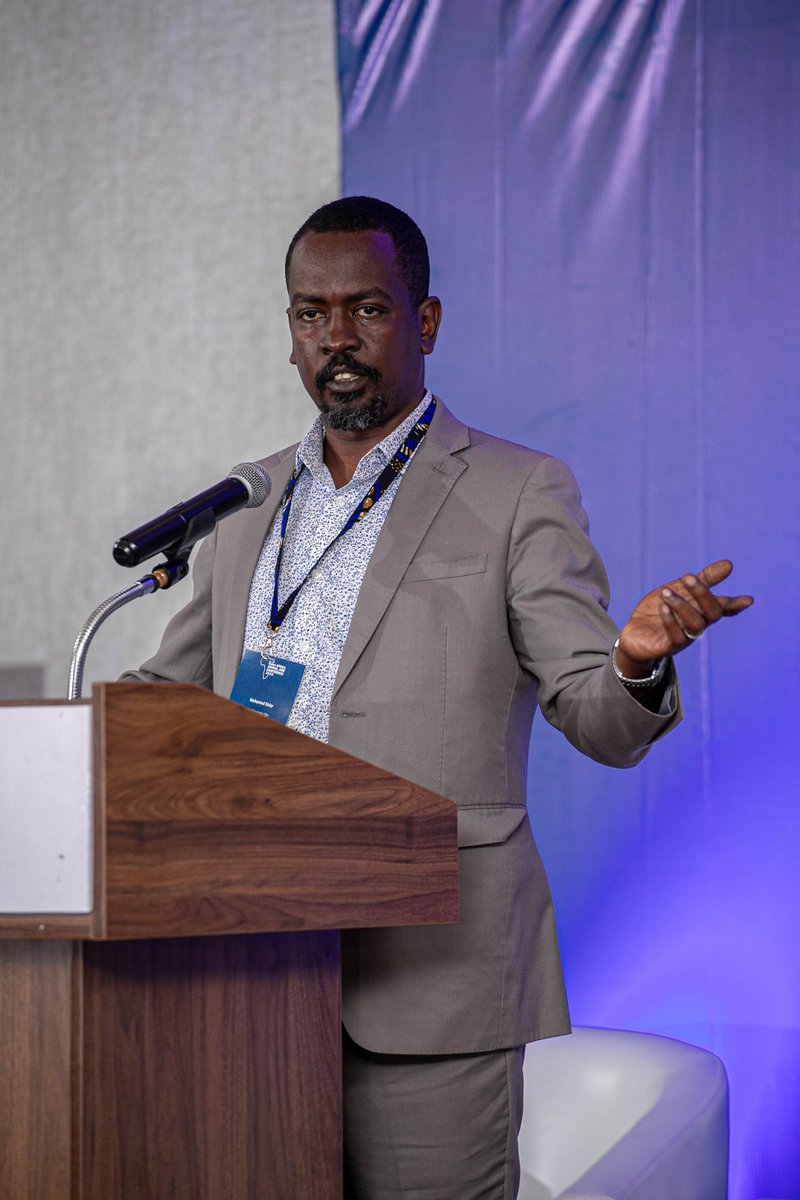
ISID-Africa was proud to participate in the ReAct Africa AMR Conference 2026. Dr Mohamed Sirdar contributed to scientific sessions, expert discussions, and more, advancing African-led solutions to antimicrobial resistance.
🔗 https://t.co/x8NybnMnNQ
#ISID#RAAC2026@reactgroup
This week, @Telegraph explored how ASPIRE, a programme we support through our partnership with @reactgroup, is strengthening antimicrobial stewardship across Zambia and Kenya. Read now: https://t.co/4He7WdC6M7
🗓️ 18–24 November 2026 | World AMR Awareness Week
📢The theme for #WAAW2026 is: “One Health, one action: Prevent AMR now.”
Antimicrobial resistance is no longer a future threat. It is happening now, affecting people, animals, food systems, economies and the environment.
From 18–24 November 2026, let us turn awareness into action across human, animal, plant and environmental health.
Every sector. Every community. Every action matters.
#WAAW2026 #AMR #AntimicrobialResistance #OneHealth #PreventAMR
💊 The right dose of antibiotics can help control these infections, but their misuse and overuse can lead to resistance. Using antibiotics as prescribed helps treat infections effectively. (3/3)
🚨 This is BIG!
The Thai FDA has approved NUZOLVENCE® (zoliflodacin), a first-in-class oral antibiotic for the treatment of uncomplicated urogenital gonorrhoea, just six months after its initial approval by the US FDA.
🌍 With Thailand being only the second country to approve zoliflodacin, this approval sets a new benchmark for how rapidly novel antibiotics can reach low- and middle-income countries (LMICs).
🤝 The milestone reflects the coordinated efforts of GARDP, Innoviva Specialty Therapeutics, Dr. Reddy's Laboratories and Aurigene Pharmaceutical Services Limited, demonstrating how public-private R&D partnerships can accelerate both innovation and equitable access in the global response to AMR.
🔗 Read more in our PR: https://t.co/bQmxkrN2xz
@innovivastx I @drreddys I @AurigenePharma
#AMR #GlobalHealth #Zoliflodacin #AccessToMedicines
In Jahangirpuri, Delhi’s slum settlement, women are showing how community-led action can make #AMR awareness meaningful and relevant to everyday life.
Through the Antibiotic Smart Communities (ASC) initiative, ReAct Asia Pacific, in partnership with Ek Jeevan Hamari Prerana founded by Sunanda Nadarajan, turned awareness into practical action by placing people's lived experiences at the center of the conversation.
See how community action drives change here 👇
https://t.co/BlvDTNRqFQ
Children are among the most vulnerable to #AMR, making it more important than ever to protect their health.
Indonesia’s 2026 National Children's Day theme, "Love Children, Protect Them, and Build Their Future," reminds us that the future is shaped by the choices we make today. Every small action can help slow the spread of antimicrobial resistance and preserve the effectiveness of antibiotics, ensuring that life-saving medicines remain for today's children and future generations to come.
Happy Indonesia’s #NationalChildrensDay! 🧒👧
#Session8 ✨ #AIDS2026 160 Global Village Networking Zone
👉Infection prevention, right diagnosis, and right treatment with adherence matters beyond HIV & TB: Protecting against #AntimicrobialResistance#AMR👈
👉Join 16 LIVE sessions
https://t.co/MlpCnOJ6kv
#RethinkRebuildRise
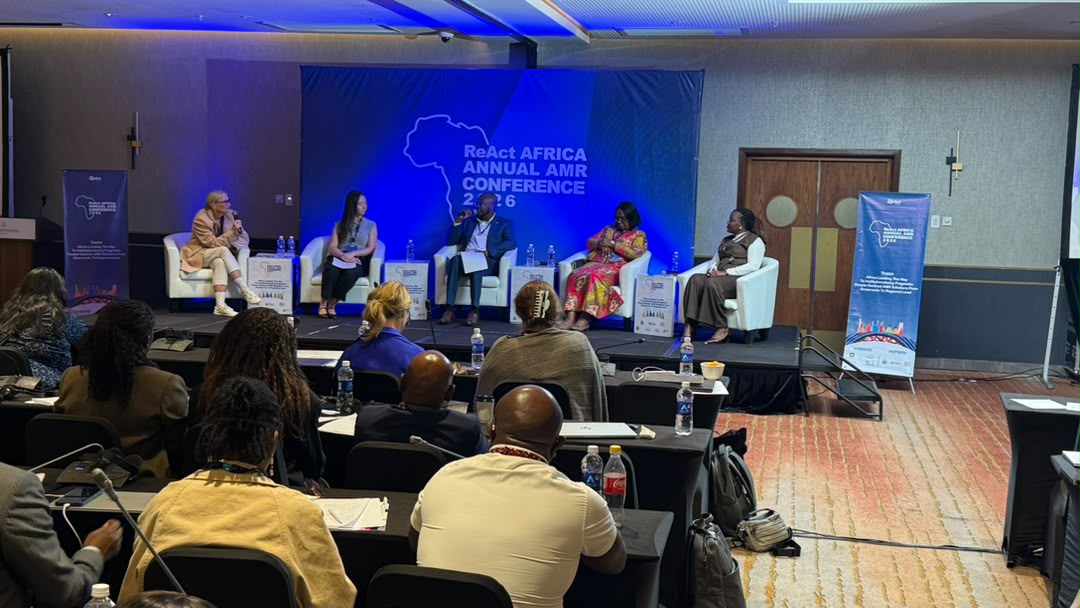
On July 21-22th 2026, @ReActAfrica_RAN gathered policymakers, practitioners, researchers, funders, civil society organisations, and communities during The ReAct Africa Annual AMR Conference 2026 in Lusaka, Zambia.
Representatives from 35 countries and almost 200 participants gathered with one shared goal: turning commitment into action.
The conference showcased how African leadership can drive practical, locally driven approaches and strategies to antimicrobial resistance, focusing on strengthening governance, advancing evidence-based policymaking, and scaling community-driven solutions.
The African region is playing an increasingly central role at the global level, showing the way for concerted action and for AMR response that is tailored to meet the needs in LMIC realities, a work that @ReAct is championing.
Besides the ReAct Africa team, colleagues from ReAct Asia Pacific and ReAct Europe joined in this space to discuss AMR, be inspired and learn from work in the region, and build new collaborations. This collective effort moves us forward in our mission to ensure that everyone has sustainable and equitable access to effective antibiotics.
#RAAC2026 #AMR
ASLM at the @reactgroup Africa AMR Conference 2026
The African Society for Laboratory Medicine is proud to participate in Session 9: Leveraging Technologies to Address AMR at the @ReActAfrica_RAN AMR Conference, taking place on 21–22 July 2026.
ASLM’s contribution highlights how diagnostic tools and strong laboratory systems can transform patient specimens into timely, reliable and actionable data for targeted treatment, antimicrobial stewardship, infection prevention and control, early warning, surveillance and public health policy.
Across 14 African countries, only 1.3% of more than 50,000 mapped laboratories routinely performed bacteriology testing, leaving an estimated 261 million people without access to these essential diagnostic services. Closing this gap requires more than introducing new equipment. It requires quality management systems, external quality assessment, reliable supplies, trained personnel, functional laboratory information systems, connected national networks, and sustainable financing.
Our message is clear: diagnostics are the first technology layer of the AMR response. Strong laboratories generate the intelligence needed for better clinical and public health decisions.
#ASLM #RAAC2026 #ReActAfrica #AntimicrobialResistance #AMR #Diagnostics #LaboratorySystems #AMRSurveillance #AntimicrobialStewardship #OneHealth #AfricaHealth