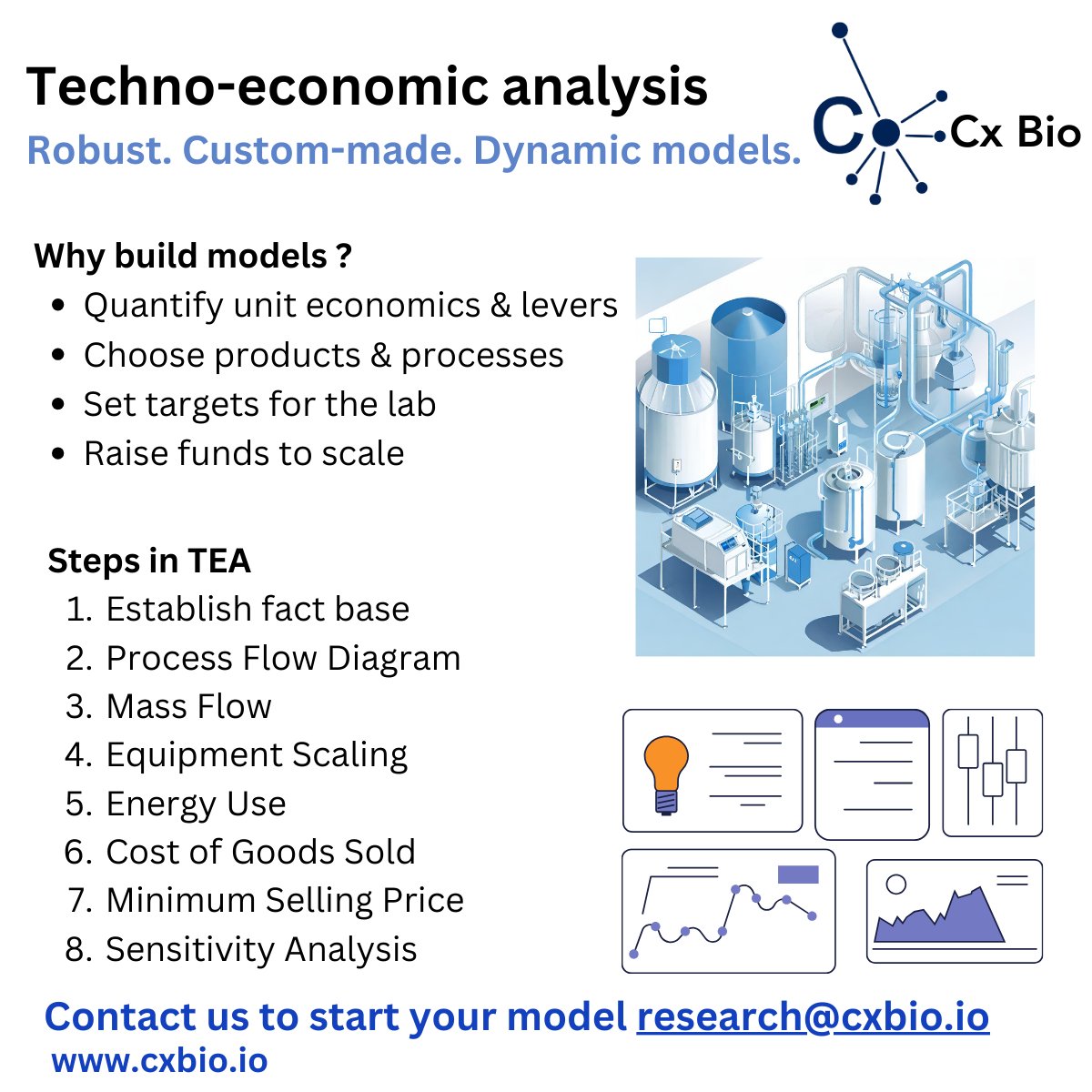
1/ We need new ways of producing foods and fuels to minimise our impact on our planet. Our new paper now in @NatureBiotech examines whether microbes hold the key to producing foods and fuels in the future
Open access: https://t.co/hxkSdDNRKA
https://t.co/OcuXV6NKVe
💡 Excited to share a new study published today in Nature Biotechnology that our team collaborated on:
“Electro-microbial production techno-economic viability and environmental implications”
link: https://t.co/9YhfLn1B6x
🔥 What Makes Beef Taste Like Beef? 🔬 And how can this help Alternative Proteins? Deep dive into the chemistry of meaty, roasted, & umami flavors.
Learn more in our 50 page report available from Cx Bio website -> https://t.co/rQ96blcgPy
#foodtech#fermentation
There are 4 main branches in alternative foods:
🌿 1. Plant based
🧬 2. Molecular Farming
🥩 3. Cultivated Meat & Fats
🦠 4. Fermentation –
• Precision
• Biomass
• Oils & fats
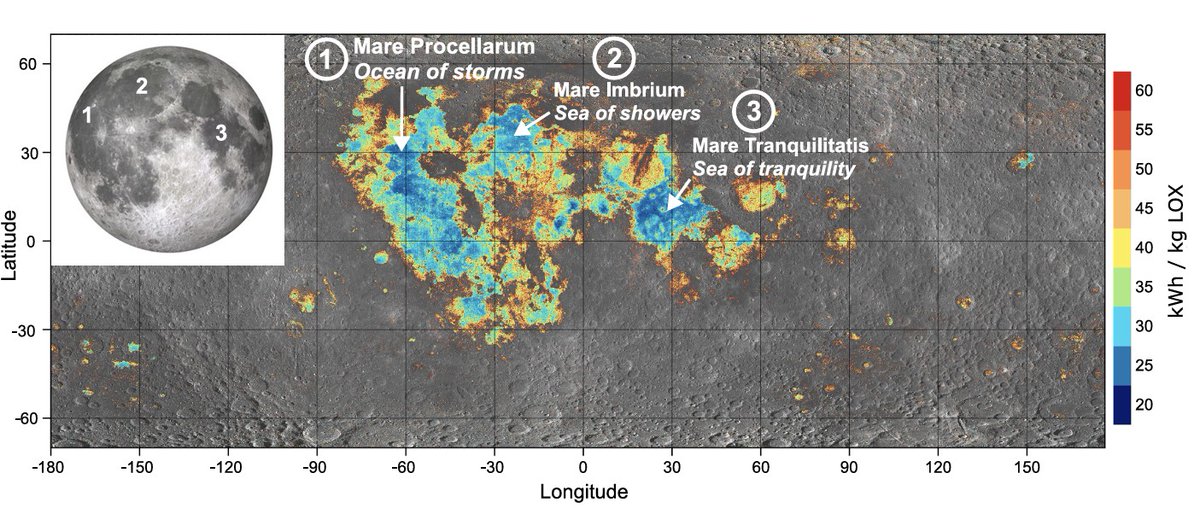
Finally published a model for oxygen production on the Moon in PNAS today !
🚀As humanity expands into the Solar System and settles Mars, we’re going to need lots of rocket propellant in space to move mass from one planetary body to another. Since propellant is ~80% O2 for combustion rockets, we essentially need lots of O2 up there.
🌝As it turns out the Moon is rich in the element oxygen (in lunar soil and water-ice), which can be processed to make O2, and then launched to space-based refueling stations from the Moon's shallow gravity well. This would save considerable propellant and launch capacity compared to shipping all the propellant from Earth.
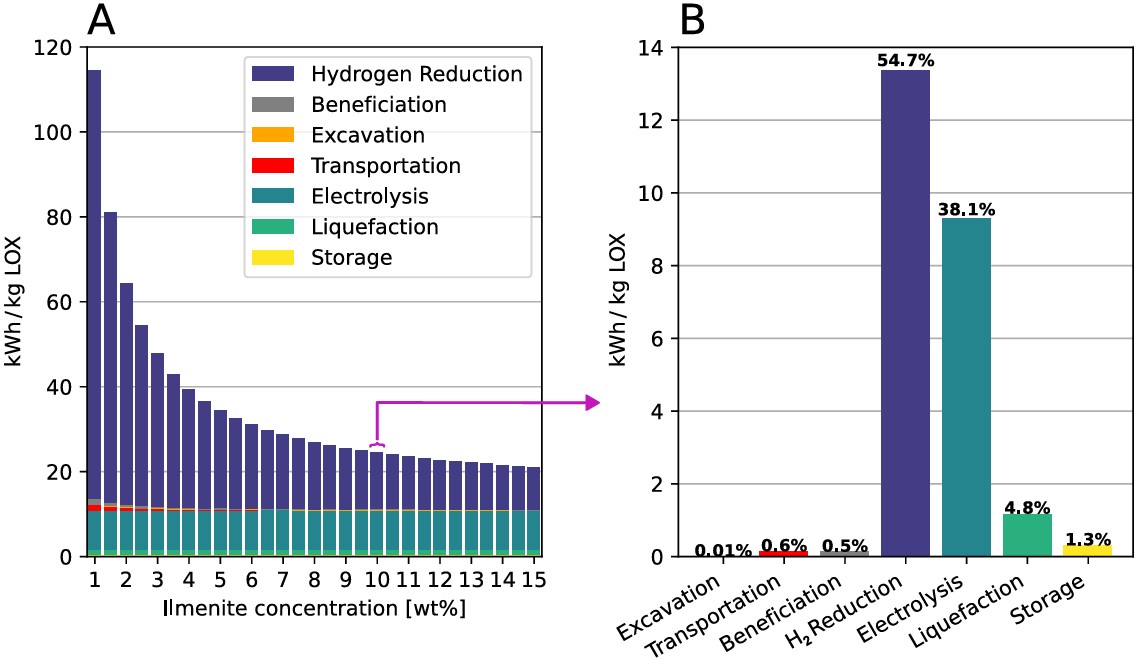
⚡In this study, we calculated how much electricity would be needed for the O2 production chain using one of the candidate technologies called hydrogen reduction, and mapped out regions with favorable soil composition for using this technology.
We’re hoping that the model can support trade-off studies across the different Lunar O2 strategies and help plan infrastructure.
Feel free to reach out if you want to discuss or have questions.
https://t.co/0264gxZmXy
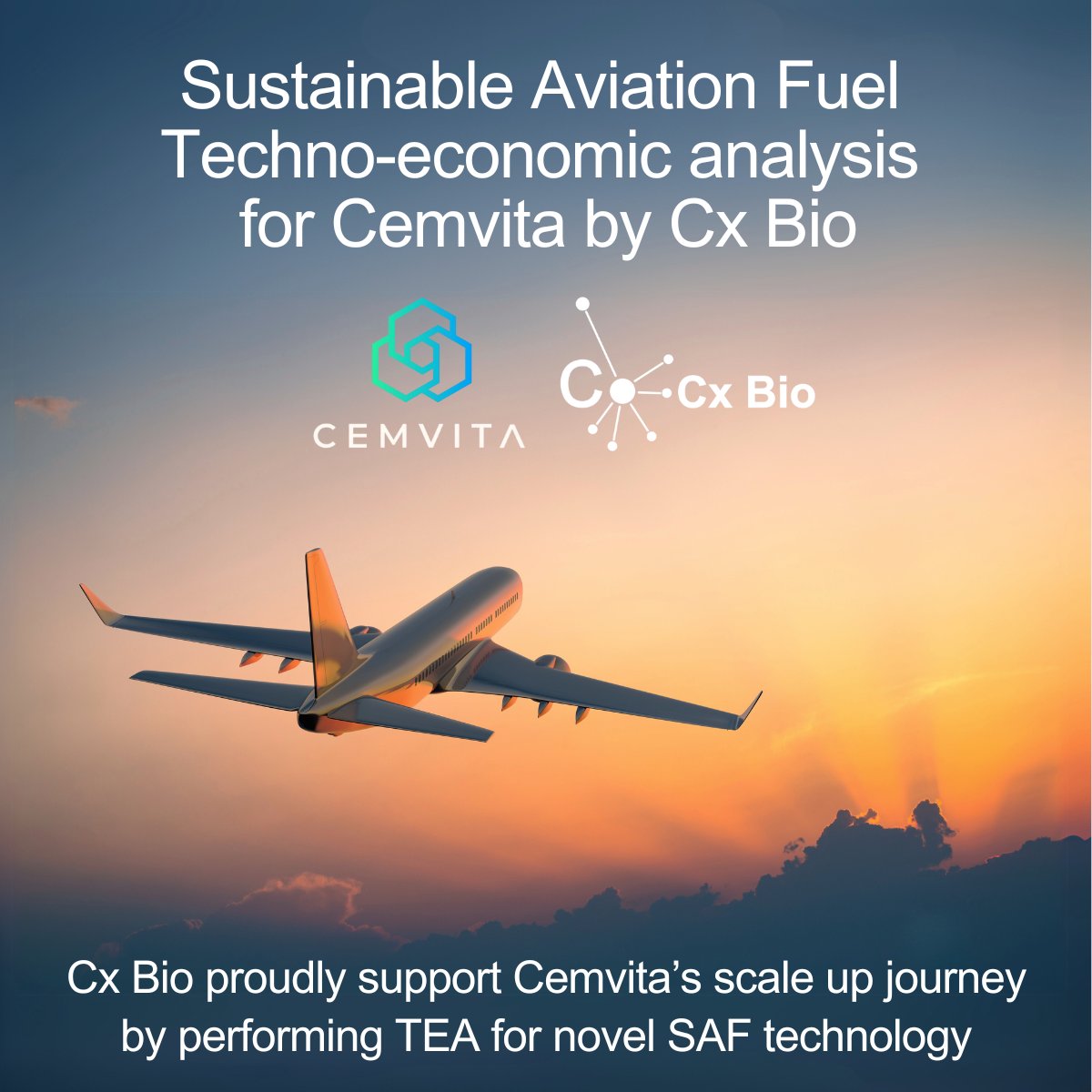
We're thrilled to share the success of our collaboration between Cemvita Inc. and Cx Bio!
Together, we modeled the economic viability of sustainable biofuel production using fermentation technology—a critical step driving innovation in Sustainable Aviation Fuels (SAF)✈️.
Like the many natural cycles, a more circular economy can help us align with Earth’s rhythms.
Here’s to a sustainable future and a happy 2025! 🎉✨
--
Thank you to Aleks at Technographics for the graphic design!
by https://t.co/RBsfCU7iXu and https://t.co/pUsBLXkEaL
Happy New Spin around the Sun ! 🌍☀️
As Earth approaches its 4.6 billionth birthday, change feels faster than ever.
Yet, Nature reminds us that its cycles need time & balance.
Inspired to think about cycles, we reflected on one of biology's timekeepers, the Carbon-14 cycle.
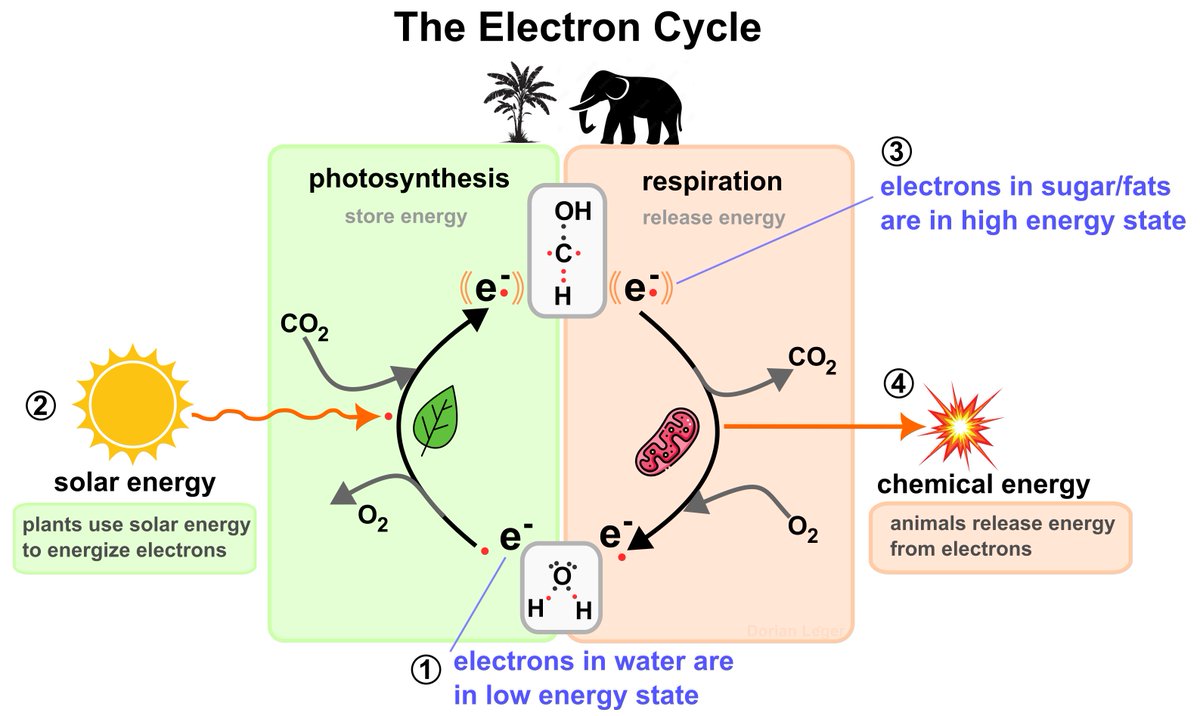
The spark of life: from photosynthesis to respiration, the electron cycle connects plants and animals in the energy exchange that sustains life on Earth.
We often talk about Carbon cycles, N cycles, P cycles. What about electrons, dont they deserve a cycle too?
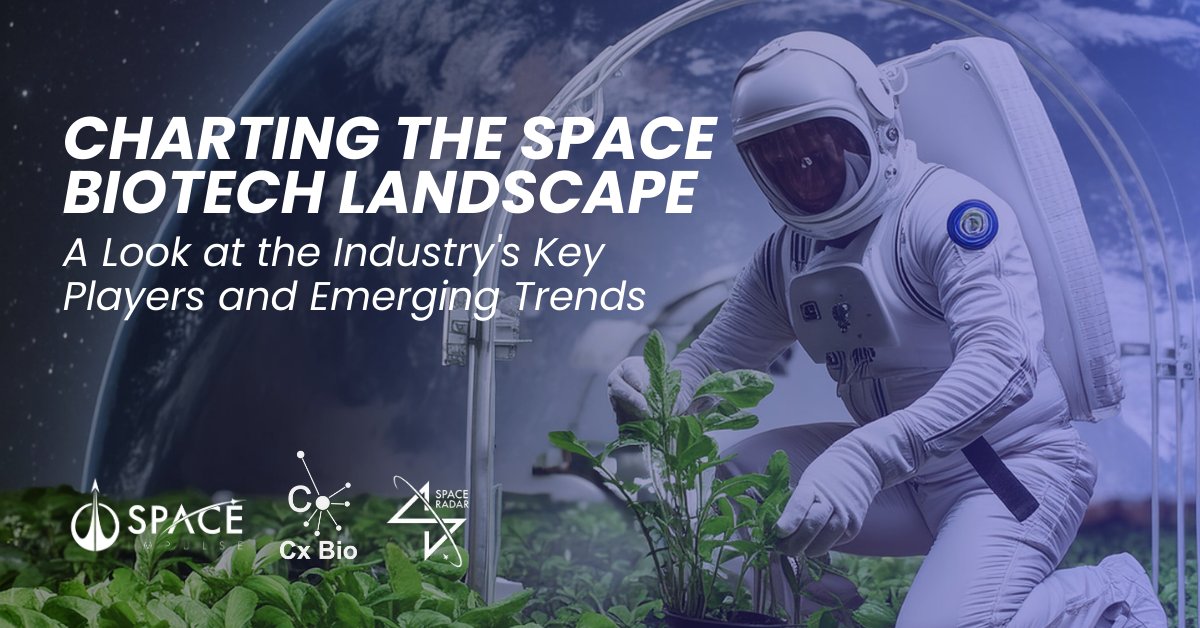
A new era of space biotech is arising.
In this report, we share research on the state of the market, key players, business models, and explain fundamental reasons for performing biological work space.
https://t.co/ZN1jQHHh1B
by: @realCxBio @realSpaceRadar @SpaceImpulseCom
We are excited to share that our waste and side-streams to fermentation-derived lipids project is nearing completion !
Combining methanogens and methanotrophs opens up many new pathways for the circular economy!
Thank you @GoodFoodInst for the support and funding this project!