82 years ago today, nearly 160,000 Allied troops stormed the beaches of Normandy on D-Day, launching the liberation of Europe.
We are free because they were brave. 🇺🇸
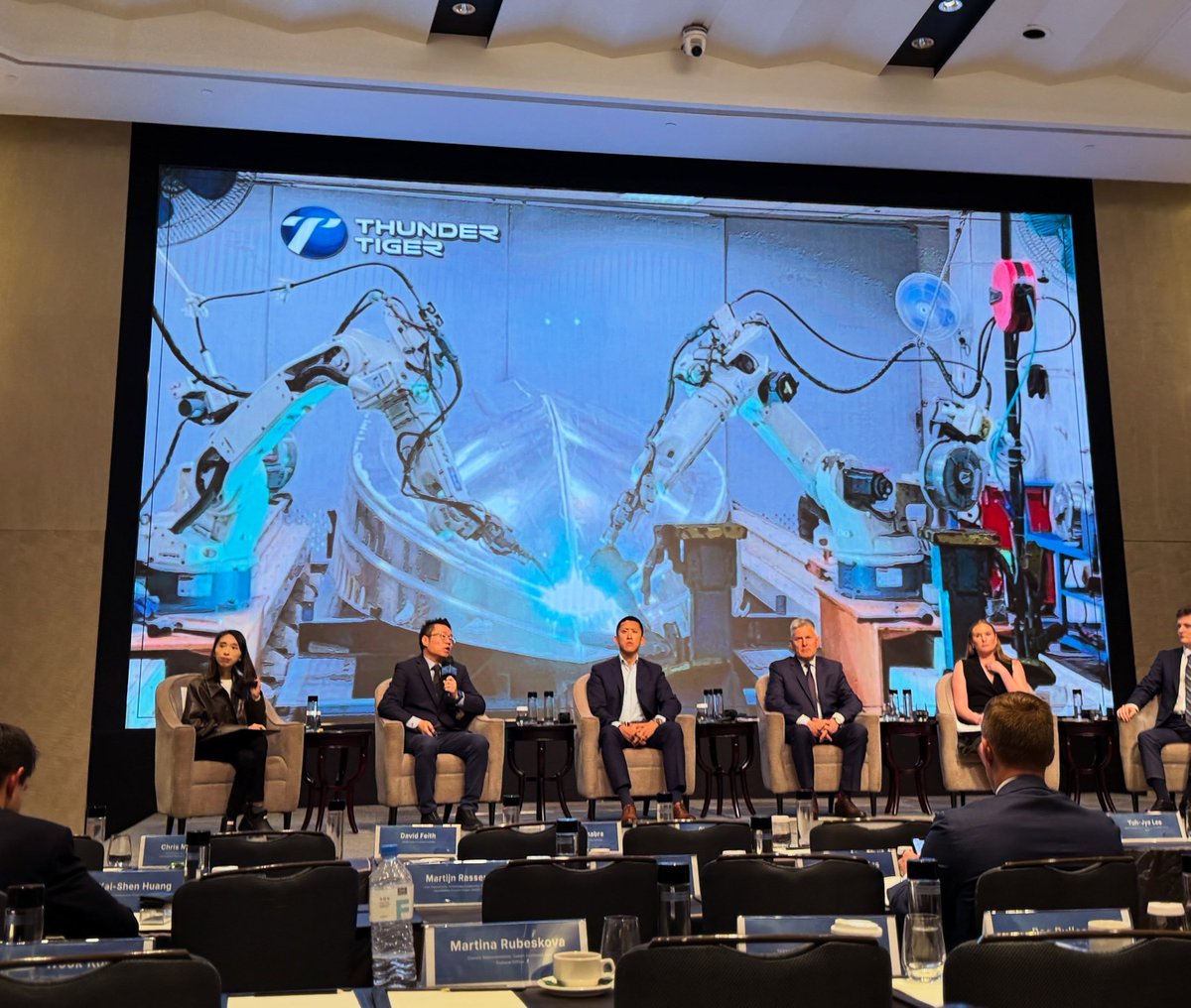
Gene Su, General Manager of Thunder Tiger, laid out how a Taiwanese homegrown manufacturer is playing the game at the drone supply chain panel of the DSET 2026 Forum.
Thunder Tiger is a publicly listed company founded in 1979, with around 350 employees, 50 of them based in California. In September 2025, its Overkill drone was added to the U.S. Department of Defense's Blue UAS list. Soon after, Thunder Tiger and its U.S. strategic partner broke into the Pentagon's Drone Dominance Program (DDP): they placed in the Top 11 of the Phase 1 Gauntlet, landing a first batch of 1,520 units worth roughly US$8 million, and were invited into Phase 2, where the order scale jumps to 60,000 units and about US$300 million.
The DDP is the Pentagon's flagship effort to procure hundreds of thousands of low-cost armed drones by 2027, with a cumulative budget of around US$1.1 billion across four phases. Each phase eliminates vendors through live fly-off evaluations, and only the winners receive production orders. For Thunder Tiger, that leap from a multi-million-dollar order to a multi-hundred-million one is exactly why it is betting everything on mass production. Its focus is on sea drones and a Delta-wing one-way attack drone, in the same class as the U.S. LUCAS and Iran's Shahed.
The real breakthrough is in mass-producing motors and airframes. About 90% of the world's drone motors are made in China, and Thunder Tiger wants to win that back. Its approach borrows from Tesla-style single-piece stamping, using 2,000- to 4,000-ton presses to mass-produce aluminum airframes. Where traditional carbon-fiber methods turn out just three Shahed-class airframes a month, a stamping line can run day and night, pushing monthly output toward the hundreds of thousands.
Stamp the airframe, weld it, run it through AI-driven automated assembly, fit the engine and flight controller, and you have a sea drone ready to go aboard a vessel. Thunder Tiger is also investing about US$30 million in Chiayi for final assembly, where finished units can be packed into containers and shipped to any port or airfield, ready to deploy when needed.
As supply chain competition shifts from design to "who can mass-produce around the clock," Taiwanese firms are bringing the manufacturing muscle honed in consumer electronics into defense. And this race has only just begun. 🏭
#ThunderTiger #drones #defensetech #BlueUAS #MadeInTaiwan
NEW: Taiwan’s Legislature approved a budget of NT$8.811 billion (US$258.7 million), an initial installment for 2026 to fund purchases of five U.S. weapons systems: M109A7 self-propelled howitzers, HIMARS, anti-armor drones, Javelin anti-tank missiles, and TOW 2B anti-tank missiles.
The budget, passed without opposition, comes two days before the payment deadline for the HIMARS systems included in the package. It is the first annual installment of a total NT$295 billion (US$9.39 billion) budget for the five systems notified in December. These funds also fall under Taiwan’s broader special arms procurement framework, which authorizes up to NT$780 billion in spending between 2026 and 2033 for U.S. arms purchases.
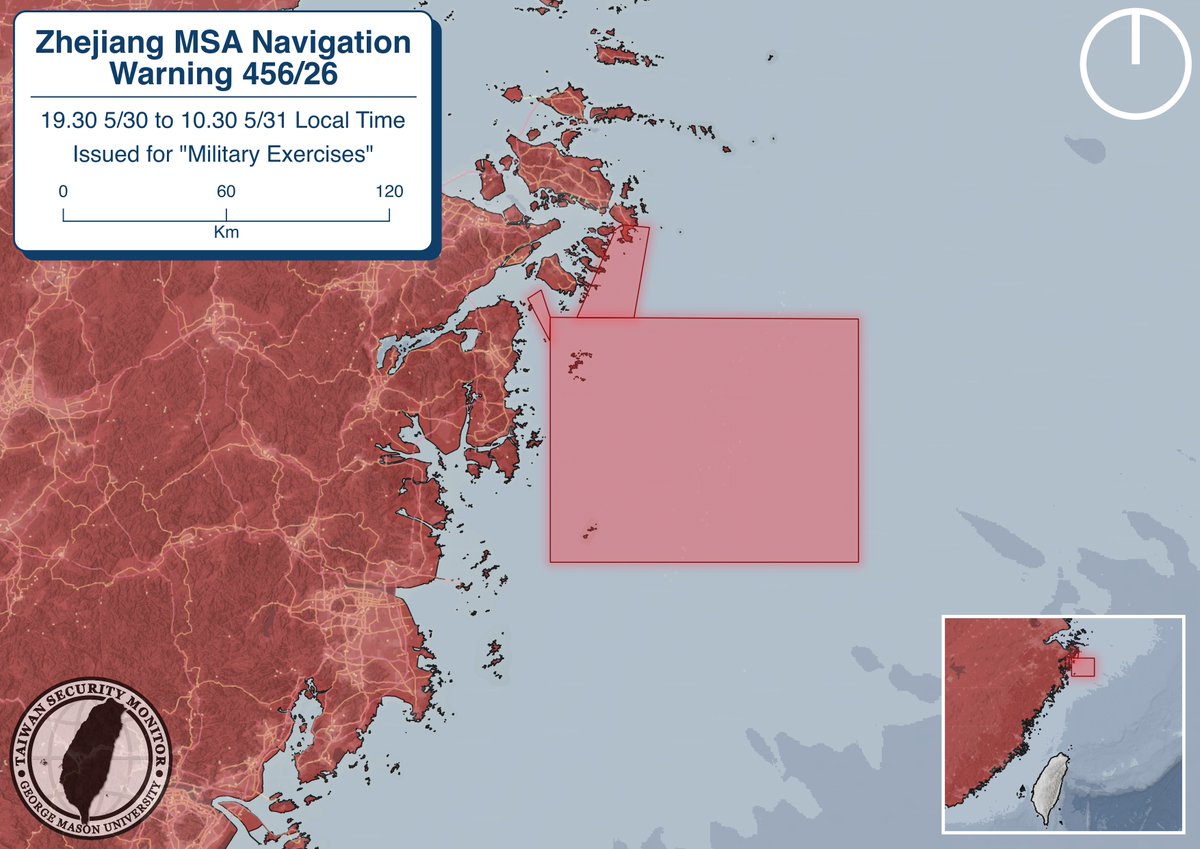
The PRC's Maritime Safety Administration has issued a navigation warning for military exercises in waters east of Zhoushan, Zhejiang Province.
Entry into the designated area is prohibited from 19:30 on May 30 to 10:30 on May 31 (local time).
NEW FROM TSM: Taiwan will inaugurate its new Littoral Combat Command (LCC) on June 1st, integrating the ROCN's naval surveillance and anti-ship missile forces into one unified command.
Read more about the LCC's organization and equipment inventory in our latest analysis piece in The Monitor: https://t.co/6oTbGgvfFF
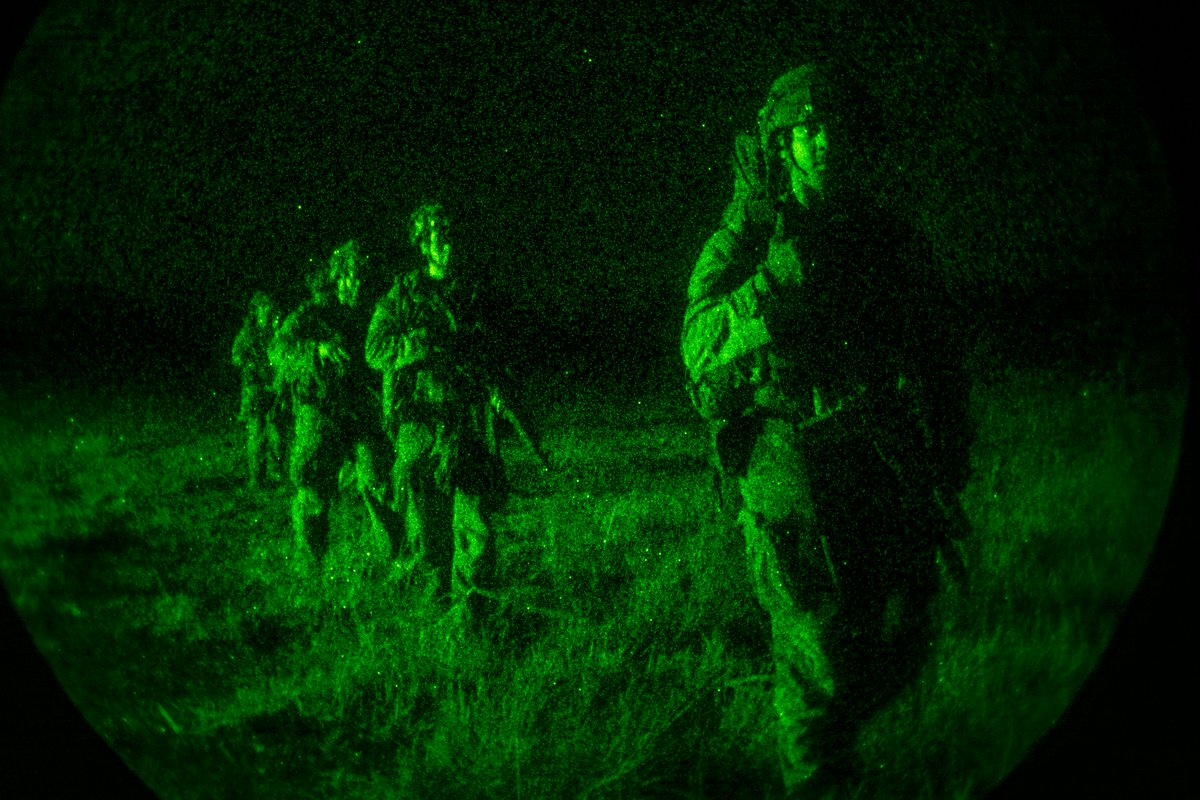
25 ID Soldiers concluded Joint Pacific Multinational Readiness Center Exportable with a night air assault in the Philippines. Day or night, the U.S. Army, alongside our partners and allies, are prepared to fight and win anywhere in the Indo-Pacific.
#FreeAndOpenIndoPacific
Affordable mass just got smarter.
@DoWCTO (OUSW R&E) selected Shield AI to integrate Hivemind onto LUCAS, the @DeptofWar's new class of low-cost, one-way attack drones built to operate in large numbers.
“LUCAS is about delivering affordable mass, but mass without coordination is limited in value. Hivemind is the AI pilot that makes that mass intelligent. It’s the autonomy layer that enables teams of drones to sense, decide, and act at scale. We’re proud to partner with OUSW R&E to put this capability in the hands of the warfighter at the speed of relevance." – @brandontseng2
Read the full press release at the link in the comments.
Autonomy for the world. The greatest victory requires no war.
Taiwan's National Chung-Shan Institute of Science and Technology has unveiled a second-generation Kestrel rocket launcher system that can penetrate 67 centimeters of armor and has an effective range of 500 meters.
https://t.co/j5AA3ZIRG1
@grok@xai Having serious issue with Grok for the past half hour. Looks like it's down. Won't even connect unless I use a VPN (I'm in Taiwan). Can't translate SRT files, which is why I pay for Grok
“We don't want a war. We want peace and stability,” says Taiwan’s representative to the U.S., Ambassador Alexander Yui, regarding relations with China.
“We are sovereign, independent away from the Chinese People's Republic of China's attempt to swallow us as one of their own. They have never ruled or controlled Taiwan, ever,” he adds. “Those are intruders trying to get into our house. We're trying to beef up our security system. And then they complain, the intruder complains that because we're trying to improve our security system it’s making his job harder.”