Dusting off this tweet from April because this gap in shared understanding of LLM capability is *widening*. It's now less "two groups of people speaking past each other" and more a sharp funnel.
- Napkin math somewhere around 6B people (~75% of the population) have barely come in contact with LLMs at all.
- Around 1-2B (~20%) are casual and infrequent users of free-tier ChatGPT-like products. This group sees derpy chatbots and treats them a bit like a better Google search, a writing aid, or etc. Maybe an agent tries to book you a flight. I have non-tech friends who (reasonably, imo) say they have not much use for it at all. Even many professionals outside of math&code are in this tier. For example, execs and many other functions spend a lot of their time talking to other people, so while they understand what is happening intellectually, it is still second-hand and a bit abstract.
- Now we get to professional use of frontier-grade LLMs in math&code. Somewhere around 20M people (0.2%) see first-hand that large, complex projects that used to take them weeks/months can now be completed by agents with a prompt. Building apps, copying apps, translating apps, decompiling apps from binaries... This has all happened very quickly and recently - less than 1 year ago, I was writing code manually by hand, typing memorized computer code commands into a code editor character by character, occasionally pressing Tab to autocomplete a little chunk of code.
- And finally we get to the ~5,000 people (~0.00006%) with access to frontier-grade systems internally. The external world has seen the preview. It looks like swarms of thousands of agents collaborating over weeks on software mega projects: minting zero days, running cyber attacks and defenses at machine speeds, discovering new science, advancing the frontier of mathematics. Things that would have taken top professionals in the industry years of work. Meanwhile, human review and comprehension are starting to fall behind. For example, people are still involved in the "archeology" of the OpenAI-HF incident from many months ago. Mathematicians may be poring over the 722 manuscripts on frontier mathematics for a while.
The funnel is driven by a combination of factors:
1. The impact scales with ambition, problem size, and horizon. A question with a paragraph answer barely stresses the system. You need a reservoir of big, difficult problems that you really care about. This aspect drives the consumer / professional dimension of the funnel.
2. The jaggedness of the system (which I have written about a lot separately). Capability peaks in domains that are digital, verifiable and economically valuable. This is because LLM capability emerges from reinforcement learning on verifiable rewards on a curated environment mixture driven by revenue potential. This aspect primarily drives the area (e.g. math&code) dimension of the funnel.
3. Access. Free-tier, paid-tier, internal.
So this is the weirdness of the moment. The general public has mostly not interacted with these systems. When they have, it looks like a derpy chatbot. The majority of professionals still see only a modest uplift. And a small sliver of professionals are experiencing the vertigo of the curve going vertical. And it is all happening at the same time.
[실험 기록] 유튜브 영상 속 '100% Code 애니메이션 스튜디오'를 직접 재현해 보았습니다.
Google의 Creative Technologist Matias Piña Aguilera가 공개한 Gemini 4 Argon 기반 실시간 애니메이션 워크플로(외부
이미지·영상·사운드 파일 0개)를 보고, 실제로 동일한 아키텍처를 재현할 수 있는지 실험해 보았습니다.
🧪 실험 목표
외부 에셋(PNG, MP4, WAV)을 일절 사용하지 않고 오직 코드만으로:
1. 6막 스토리보드 애니메이션
2. 다중 화풍 실시간 렌더링 갤러리
3. 실시간 파라미터 슬라이더 GUI
4. 생성형 오디오 신디사이저(DAW)
5. 캐릭터 표정·체형 커스터마이저를 구현할 것.
🛠 실제로 구현된 결과물
• Art-Code Studio (studio.html): 순수 HTML5 Canvas 2D + Web Audio API 기반 5탭 스튜디오
- #37 볼펜 공책 스케치, #08 수채화 번짐, #04 1비트 디더링, #20 스테인드글라스 등 12종 화풍 실시간 전환
- V1/V2/V3 팔레트 3분할 비교 및 5종 셰이더 슬라이더
- 6채널 스템 믹서 + 4밴드 EQ + 16스텝 모티프 시퀀서 + 실시간 WAV 바운스
- 눈 크기·눈썹 각도·고개 기울기·얼굴 클로즈업(Portrait Zoom) 캐릭터 커스터마이저
• 100% 코드 렌더링 비디오 (reproduced-100pct-code.mp4):
- 900프레임(30초)의 모든 픽셀과 44.1kHz 스테레오 오디오 파형을 코드로만 계산해 인코딩한 영상
• 따라하기 카드 10장 & 5단계 가이드 문서
이번 실험을 통해 확인한 핵심은 두 가지였습니다.
첫째, 기본 장면 기하학(Geometry)과 렌더링 패스(Style Shader)를 분리하면 서브에이전트 병렬 작업으로 수십 가지 화풍을
동시에 탐색할 수 있다는 점.
둘째, AI에게 수정 프롬프트를 수십 번 입력하는 것보다 '슬라이더가 달린 커스텀 GUI'를 먼저 만들게 하는 편이 훨씬 빠르고
정교하다는 점입니다.
원본 영상: https://t.co/KMZH3lGaLF
#Antigravity #Gemini4Argon #ProceduralAnimation #CreativeTechnologist #WebDev #AIWorkflow
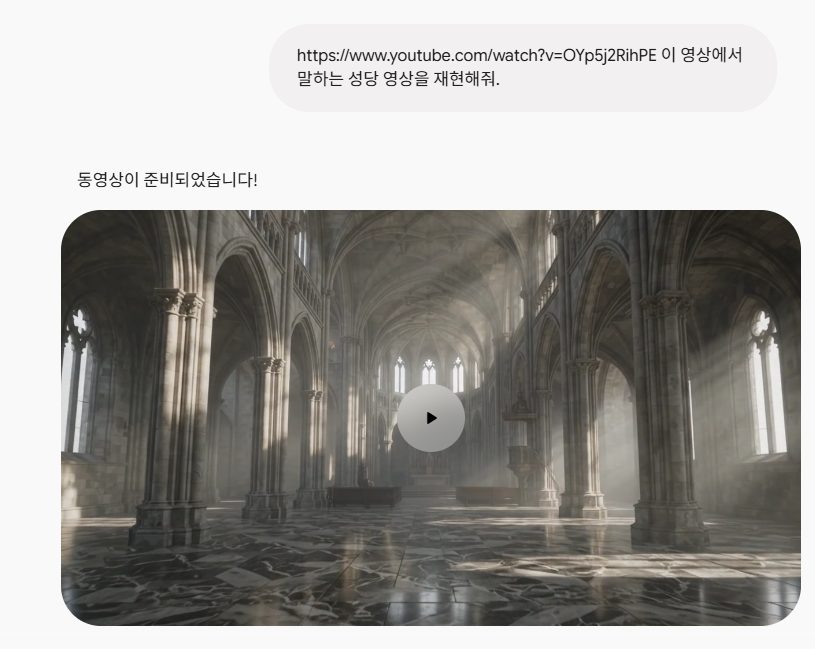
Gemini 4 Argon이 드디어 Gemini 앱에 떴다. 첫 테스트는 일부러 불친절하게 했다.
Google이 직접 공개한 데모 영상 링크 하나 붙이고, 딱 한 줄.
"이 영상에서 말하는 성당 영상을 재현해줘."
성당이 어떻게 생겼는지, 빛이 어디서 들어오는지, 카메라가 어떻게 움직이는지. 아무것도 안 적었다. 그리고 나온 게 이거다.
[원본은 뭐였나]
링크한 영상은 Google for Developers의 "Gemini 4 Argon and Google Antigravity: From 2D concept to 3D cathedral".
Nano Banana 이미지 한 장에서 시작해서, Argon이 Antigravity 안에서 Blender MCP를 자율 루프로 돌린다. 카메라 그리드를 맞추고, 고딕 건축을 깎아내고, 소리에 반응하는 조명까지 세팅해서 완성된 3D 씬을 만든다.
[결과를 보고 놀란 점]
1. 링크가 곧 프롬프트였다
내가 준 정보는 URL과 "성당"이라는 단어 하나. 나머지는 Argon이 영상에서 직접 뽑아냈다. 리브 볼트 천장, 끝없이 이어지는 기둥 열, 높은 창으로 쏟아지는 빛줄기, 그 빛을 받아 반사되는 대리석 바닥, 공기 중에 떠 있는 먼지까지. 원본의 분위기를 정확히 짚었다.
Google이 Argon을 소개하면서 긴 영상 이해 벤치마크(LVBench) 91.7%를 내세웠는데, 숫자보다 이 한 장면이 더 설득력 있었다.
2. "재현"이라는 애매한 말을 알아서 해석했다
"재현해줘"는 사실 애매한 요청이다. 똑같이 만들라는 건지, 그 느낌을 살리라는 건지. Argon은 원본에서 무엇이 핵심인지(고딕 성당 내부, 빛, 공간감)를 골라내고 거기에 집중했다. 되묻지도 않았다.
3. 군더더기 없는 응답
답은 "동영상이 준비되었습니다!" 한 줄. Google이 이번 모델은 덜 머뭇거리고, 같은 말을 반복하지 않고, 상투적인 표현을 뺐다고 했는데 바로 체감된다.
[냉정하게 보면]
원본과 같은 결과물은 아니다.
원본은 Blender에서 만든 진짜 3D 씬이다. 카메라를 돌리고, 기둥 하나를 고치고, 조명을 다시 칠 수 있다.
내가 앱에서 받은 건 영상이다. 보기엔 근사하지만 열어서 고칠 수는 없다.
원본 데모의 진짜 핵심은 "예쁜 성당"이 아니라, 모델이 도구(Blender)를 직접 쥐고 스스로 보고, 고치고, 다시 보는 반복 루프다. 이걸 제대로 재현하려면 Gemini 앱이 아니라 Antigravity + Blender MCP 환경이 필요하다.
그래서 이번 결과는 "Argon이 영상을 얼마나 잘 이해하고, 한 줄짜리 요청에서 의도를 얼마나 잘 읽는가"에 대한 테스트로 보는 게 맞다. 그 기준이라면 합격이다.
[이게 왜 중요한가]
지금까지 이미지·영상 프롬프트는 묘사 싸움이었다. 조명은 어떻고, 렌즈는 몇 mm고, 분위기는 어떻고.
Argon에서는 그게 레퍼런스 지정으로 바뀐다. "이거 봐, 이런 거" 한마디면 된다.
프롬프트를 잘 쓰는 능력보다, 좋은 레퍼런스를 고르는 안목이 더 중요해지는 쪽으로 가고 있다.
[다음 실험]
같은 레퍼런스로 Antigravity + Blender MCP에서 진짜 3D 씬까지 뽑아보고, 오늘 Gemini 앱 결과와 나란히 비교해볼 생각이다. "보기만 하는 영상"과 "고칠 수 있는 3D 씬"의 차이가 실제로 얼마나 나는지 직접 확인해보겠다.
참고로 Gemini 4 Argon은 Gemini 앱에서 AI Pro / Ultra 구독자에게 풀리는 중이고, Antigravity에서는 Ultra 구독자가 쓸 수 있다. API는 도입가 기준 100만 토큰당 입력 $2, 출력 $10.
원본 데모: https://t.co/WftYx14FMk
#Gemini4 #GeminiArgon #Antigravity
Local Laya beat @OpenAI's decision API 🕷
Four decision models raced down a web page ripping out links that name a spider and Laya running locally on an M5 Max took 34 ms a link so it checked 3x more than the cloud models
Run decision models locally -> https://t.co/RbcCOIht9R
Learn Python.
Learn JavaScript.
Learn React.
Learn Docker.
Learn AWS.
Learn Kubernetes.
You finally feel confident.
Then someone says, “I built the whole app with a prompt.”
Welcome to being a developer.
AI 앱을 이제 서버비·API비 '0원'으로 배포할 수 있게 돼서 전 세계 개발자들 지금 난리 났음.
그동안 AI 검색이나 추천 기능 하나 넣으려고 해도 유저 늘어날 때마다 API 비용 폭탄 맞아서 적자 보던 인디해커들 수두룩했는데, 이제 유저 100만 명이 써도 내 지출은 딱 '0원'임.
구글 딥마인드가 기습 공개한 'EmbeddingGemma 2' 때문.
• API 호출 비용 0원 (유저 스마트폰/브라우저에서 직접 연산)
• 텍스트, 코드, 사진, 영상, 음성을 하나의 모델로 싹 다 검색
• 스마트폰 RAM 단 191MB면 완전 오프라인 구동
• 비싼 벡터 DB 서버 불필요 (유저 로컬에 1/6 용량으로 압축 저장)
• 상업적 이용 자유로운 Apache 2.0 무료 오픈소스
0원으로 AI 앱 띄우는 핵심 원리 & 허깅페이스 다운로드 링크 👇 (타래)
Claude Code를 8비트 게임 화면으로 바꾸는 mod 7종을 만들었다.
규칙은 하나. 게임 요소마다 실제로 하는 일이 있다.
HP = 남은 컨텍스트
MP = 남은 사용량
G = 이번 세션 비용
가드 3종은 실행 전에 막고, 대신 할 방법을 알려준다.
· 트랩 가드: cat .env 같은 비밀값 노출
· 결계: git reset --hard, main 강제 푸시
· 루프 차단: 같은 실패 3번 뒤 4번째 실행
/save를 입력하면 한 일, 남은 일, 결정할 것이 RPG 세이브 화면으로 저장된다.
다음 세션 빈 입력창에서 Tab 한 번이면 이어하기.
자동 테스트 60개 통과.
그런데 Claude한테 직접 돌려보면서 녹화하라고 했더니 버그 5개가 나왔다. 전부 테스트 환경에 없던 실제 세션의 동작 때문.
고치고 다시 녹화했다. 테스트는 63개.
설치: claude plugin marketplace add Reasonofmoon/bitgame-mods
mod는 내 권한으로 실행되는 코드라 claude plugin validate로 먼저 확인할 수 있다.
https://t.co/rTMTXycCkO
다음에 붙일 게임 요소, 답글로 받습니다. #ClaudeCode
오늘 눈에 띈 AI 업데이트
• Reflection Beam: 코딩·에이전트용 501B MoE. 조기접근 신청, 가중치는 이달 말 예정.
• Devin Dreaming: 세션 기억을 매일 정리하고 Agent Memory Repo 공개.
• Cursor SDK: 실행 중 steer와 background subagent 결과 반환.
https://t.co/iWSOTINTvM
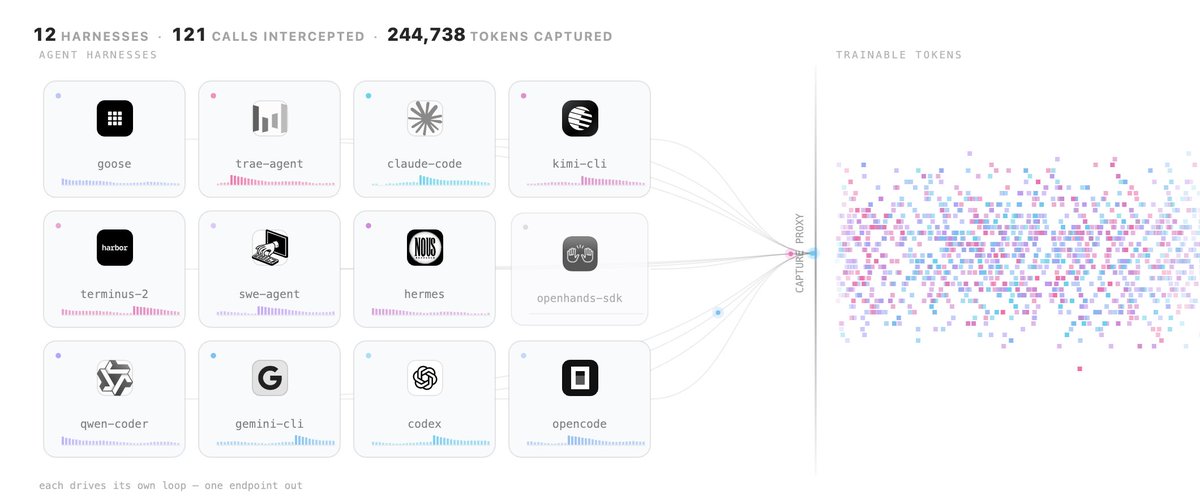
We turned Claude Code, Codex, Hermes, Pi, @opencode and other coding harnesses into RL environments. No changes to the harnesses, no changes to the training code. Any open model, any task set, fully open source my friends!
Same model, same weights: 62% under Mini-SWE-Agent, 33% under Claude Code. But training inside a real harness normally means reimplementing it as an environment, so most models get trained in a scaffold nobody actually ships.
The fix is a proxy, not a rewrite. The harness thinks it's talking to a model API. It's actually talking to a capture proxy that speaks the 4 formats coding agents use (OpenAI Chat Completions, OpenAI Responses, Anthropic Messages, Gemini), forwards to @vllm_project, records the exact token IDs and logprobs vLLM sampled, and hands TRL sequences it can train on. The harness becomes the environment. 10 harnesses run through it today, none modified.
And because you control the reward, you can shape behavior the harness never asked for. We added a small bonus for solving a task in fewer tool calls: on tasks it already solved, the model now uses 31% fewer calls, in every harness, and about half under Codex.
Tested on LFM2.5-2.6B from @liquidai:
→ Train in one harness: better mostly in that harness (OpenCode 34% → 58%).
→ Train in 4 at once: better in all 4 (42% → 54%).
→ SFT on 3,189 rollouts from Qwen3.8-27B instead: plateaus at 47.5%, below both RL runs.
Everything is open and reproducible: the capture proxy in OpenEnv, the trainer in TRL, the tasks, the SFT data, the training code and all 7 trained models. Bigger models and bigger runs next.
Full guide: https://t.co/sKZURuOcza
Introducing Dreaming: Across sessions, Devin builds a memory graph of how you like to work
At night Devin self-improves its memory to remove stale records and discover latent information
We are creating an OSS standard called Agent Memory Repo: https://t.co/b6qzEJsaeT
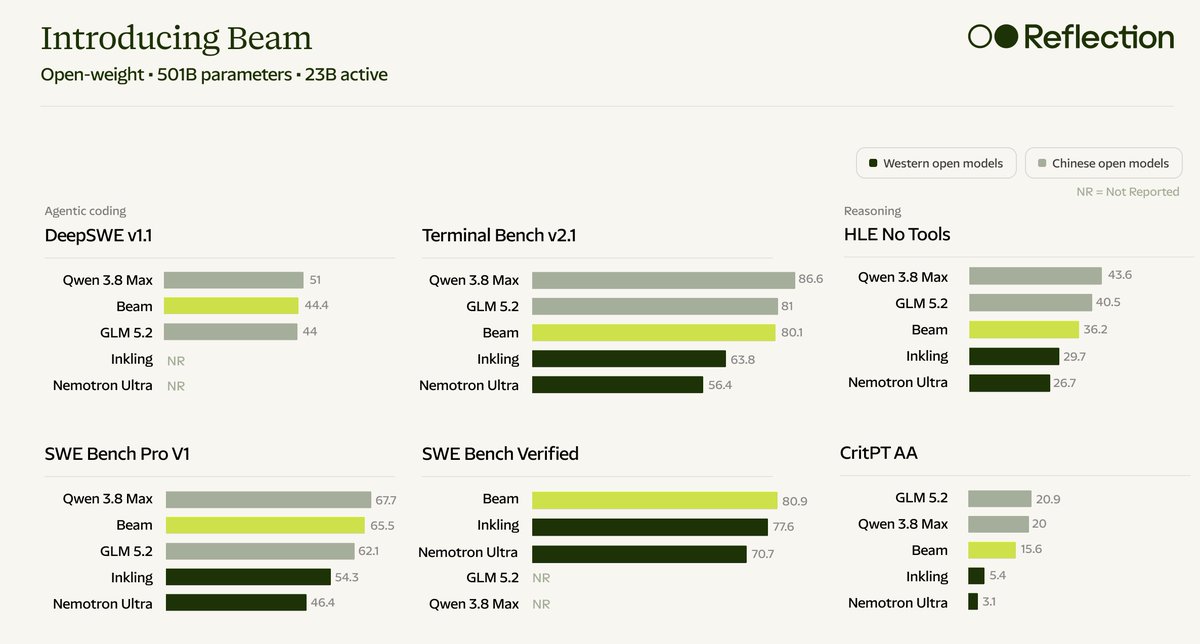
Introducing Beam: a highly efficient agentic open model with 501B total parameters and 23B active.
- Frontier reasoning efficiency
- Advances the Western open frontier on coding & agentic tasks
- Trained end-to-end from scratch
Full weights release this month.
Learn more about Beam: https://t.co/c3Qx2cpM8G
오늘 본 AI 업데이트
• cinetic: 에이전트가 콘셉트부터 영상·QA까지 생성. 제품 티저용.
• Plannotator 0.28.0: Ask AI를 에이전트 세션에 연결. 코드 리뷰용.
• Sideshow: 에이전트 결과를 공유 보드에서 검토. MCP용.
https://t.co/PpCcb54NZl
This is what https://t.co/ROG2Ql0Oep was all about btw
- a home for explainer visuals from any agent
- baked-in skills that help produce good ones
- shareable w/ your team
- open source and free
Plannotator 0.28.0 is being released.
Bi-directional async communication while you: annotate docs, html artifacts, code review. You can now Ask AI direct to your session.
Supported in: Claude Code, Pi, OpenCode. Codex support will land when MCP Events are fully baked out.
Previously this wasn't supported and others would have to hack CLI polling based solutions - but I've been fairly strict on the type of UX I'm willing to hack versus not. The better UX is now available, so we're releasing it.
The previous version of AskAI is being phased out.
Claude Code's plugin is now 100% a mod. Similar to Pi and OpenCode.
Today I'm releasing a new skill
One that makes your coding agent direct a GOOD launch video/short film.
This video below was made with it in a quick short prompt!
npx skills add Leonxlnx/cinetic
https://t.co/LiMwNhnJ8Y
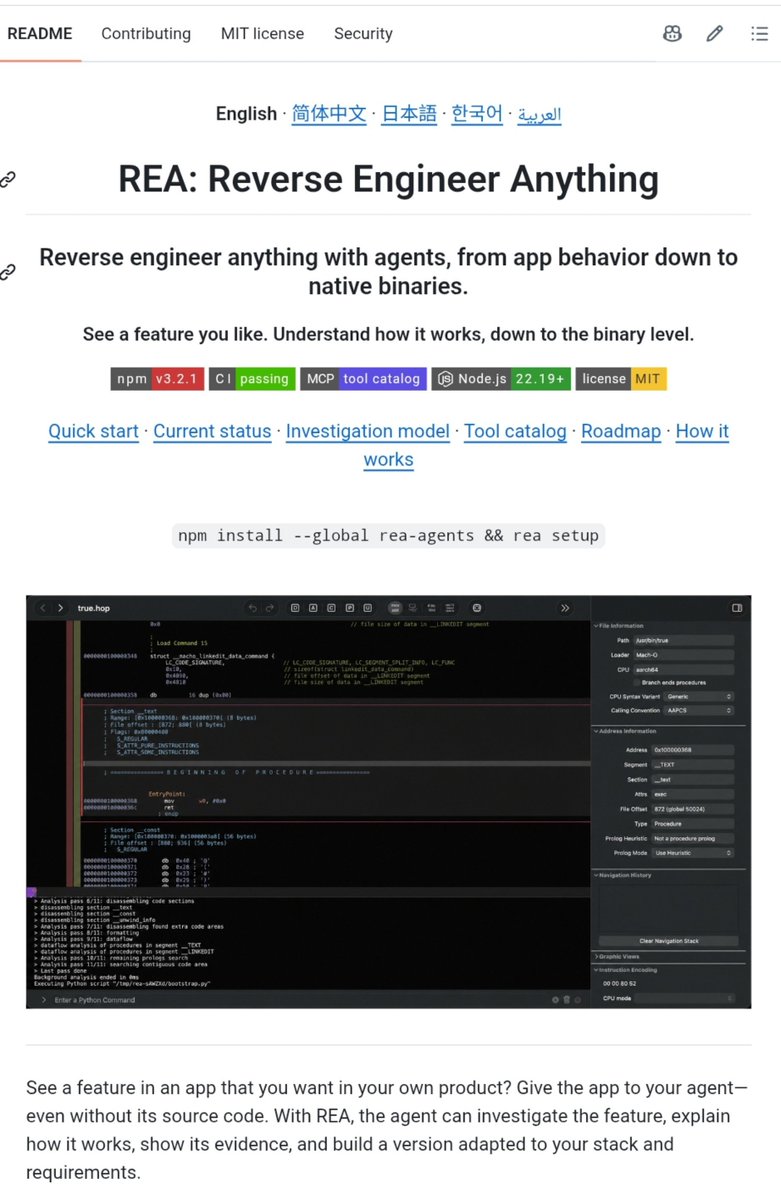
Want to know how a feature works in an app, down to the binary level...?
Meet REA (Reverse Engineer Anything) an open-source toolkit that brings reverse-engineering capabilities straight to your AI agent via MCP and CLI
🔹 Decompile apps & native binaries
🔹 Trace execution & inspect evidence
🔹 Recreate features for your own stack