@CoreyWriting During the 1994 Rwandan Genocide, an estimated 800,000 to 1,000,000 people were systematically slaughtered over 100 days. Thats 10,000 per day, 70,000 per week.
I broke Kindle's DRM protection tonight through a mix of static and dynamic analysis. AES key is derived from accountSecrets, kindle device ID, and voucher path. Book is decrypted in parts using OpenSSL from Ion blobs and then decompressed with LZMA.
Huge respect to @lifterlms
Submitted a 6.8 CVSS this morning affecting restricted components, and within ~12 hours they validated, patched, release, and credited the fix publicly!
This is what excellent coordinated disclosure looks like.
#AppSec#WordPress
Claude helped me with this bug too but in a different way... Tried to gaslight me saying it wasn’t ~exploitable in practice~ and I got obsessed with proving it wrong 😩
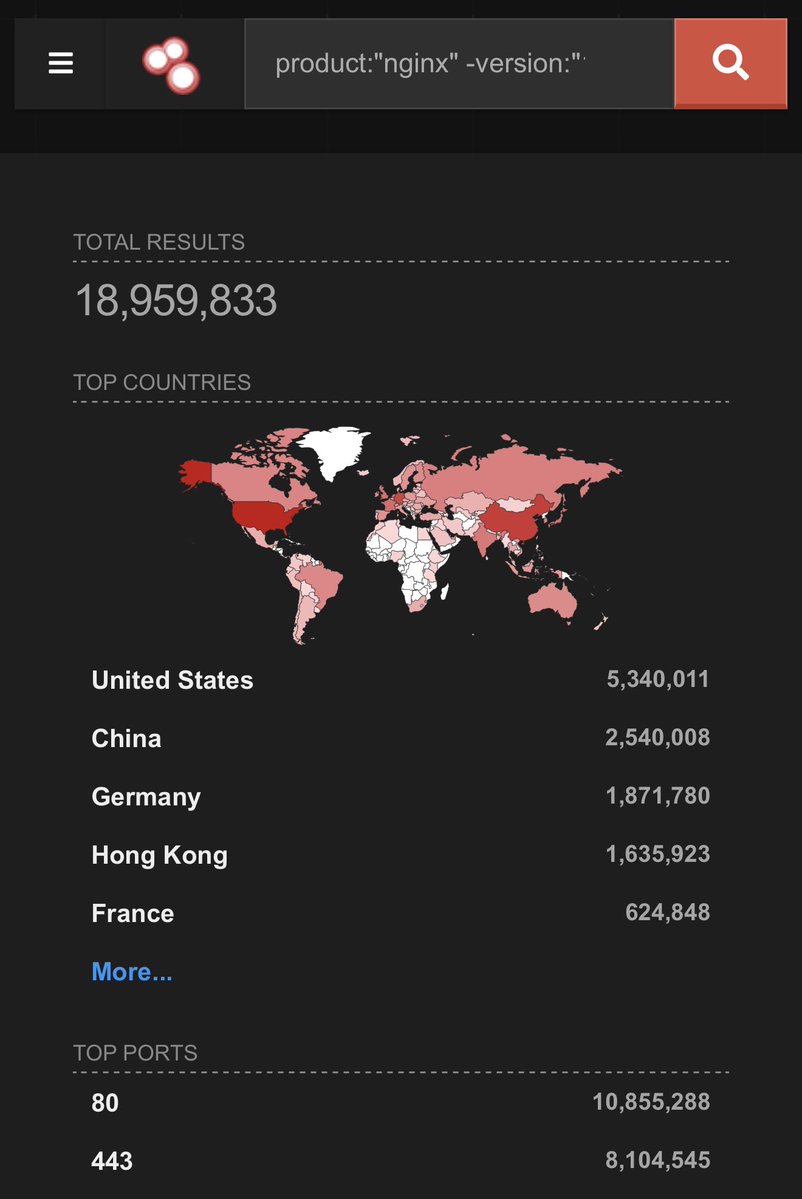
🚨 UPDATE: 19 MILLION exposed NGINX instances hit by the 18-year-old NGINX RCE found by AI.
Top exposure by country:
- United States: 5,340,011
- China: 2,540,008
- Germany: 1,871,780
Note on ASLR as added security: not all of these instances will have ASLR disabled, but every one of them is running a version inside the vulnerable band.
The vulnerability is a heap buffer overflow. ASLR randomizes memory layout, which makes reliable RCE much harder because the attacker cannot predict where their payload or useful gadgets land. But the overflow itself still happens. The corrupted memory still causes the NGINX worker process to crash.
ASLR-enabled hosts are still trivially DoS-able. ASLR-disabled or non-PIE builds are RCE-able. Either way, patch ASAP!
@rekdt Just wait until you ask product to implement a new control/mitigation in an existing service, and see how far down the roadmap they kick it ...
The game goes both ways 🤣
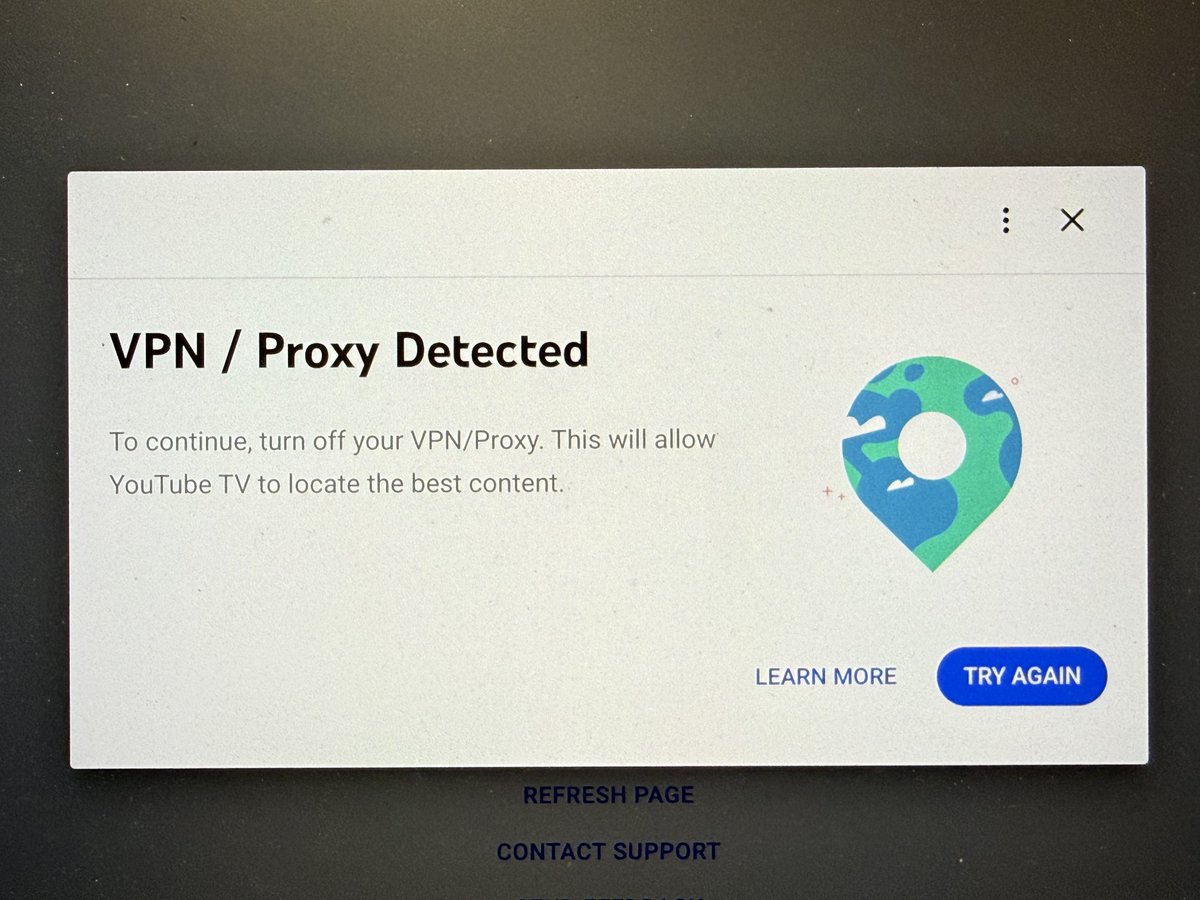
Hey @YouTubeTV, I have the option to protect my computer using a VPN or canceling my YouTubeTV service since you won’t allow me to protect my computer with a VPN while watching TV.
Which do you suggest I do?
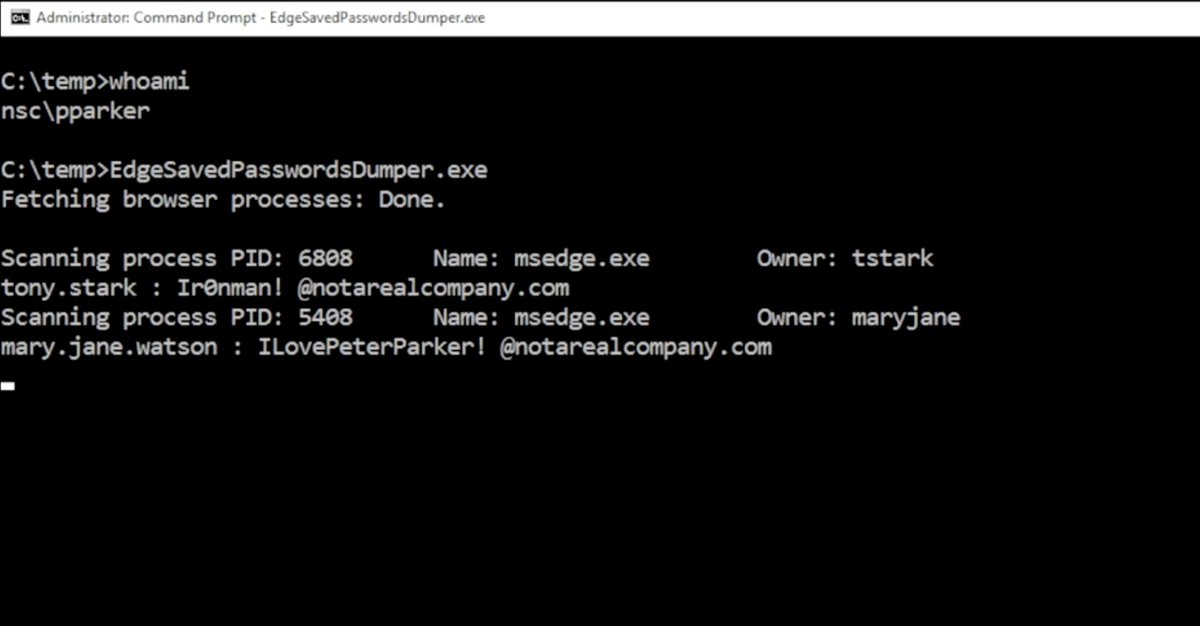
❗️🚨 Microsoft Edge keeps every saved password in process memory as cleartext from the moment it launches. Microsoft's responsed when reported: "by design."
All of them. Including credentials for sites you won't open this session.
Researcher @L1v1ng0ffTh3L4N tested every major Chromium browser. Edge is the only one that behaves this way.
Chrome decrypts credentials on demand, and App-Bound Encryption locks the keys to an authenticated Chrome process so other processes can't reuse them.
In Chrome, plaintext surfaces only during autofill or when a password is viewed, making memory scraping far less useful.
What makes this extra weird is that Edge still demands re-authentication before revealing those passwords in its Password Manager UI, while the same browser process already holds every one of them in plaintext.
In shared environments, this turns into a credential harvest. On a terminal server, an attacker with admin rights can read the memory of every logged-on user process. In the published PoC video, a compromised admin account lifts stored credentials from two other logged-on (and even disconnected) users with Edge running.
Microsoft's official response when notified: "by design."
The finding was disclosed April 29 at BigBiteOfTech by PaloAltoNtwks Norway, alongside a small educational tool that lets anyone verify the cleartext storage for themselves.
📣📢 Calling all Android and Chrome bug hunters 🧑💻🔎!
We're updating our Android & Chrome VRP programs to ensure we can continue to reward the most challenging and impactful vulnerabilities researchers find in our products. For details, 👇
https://t.co/hyZzEIampk
Her dad brought home a $300 box that gave him thousands of channels, every movie, every show, even pay-per-view.
Her sister said the home network had been slow ever since. So she took one home, put it on its own network behind a firewall, and watched who it was talking to.
Here's what she found.