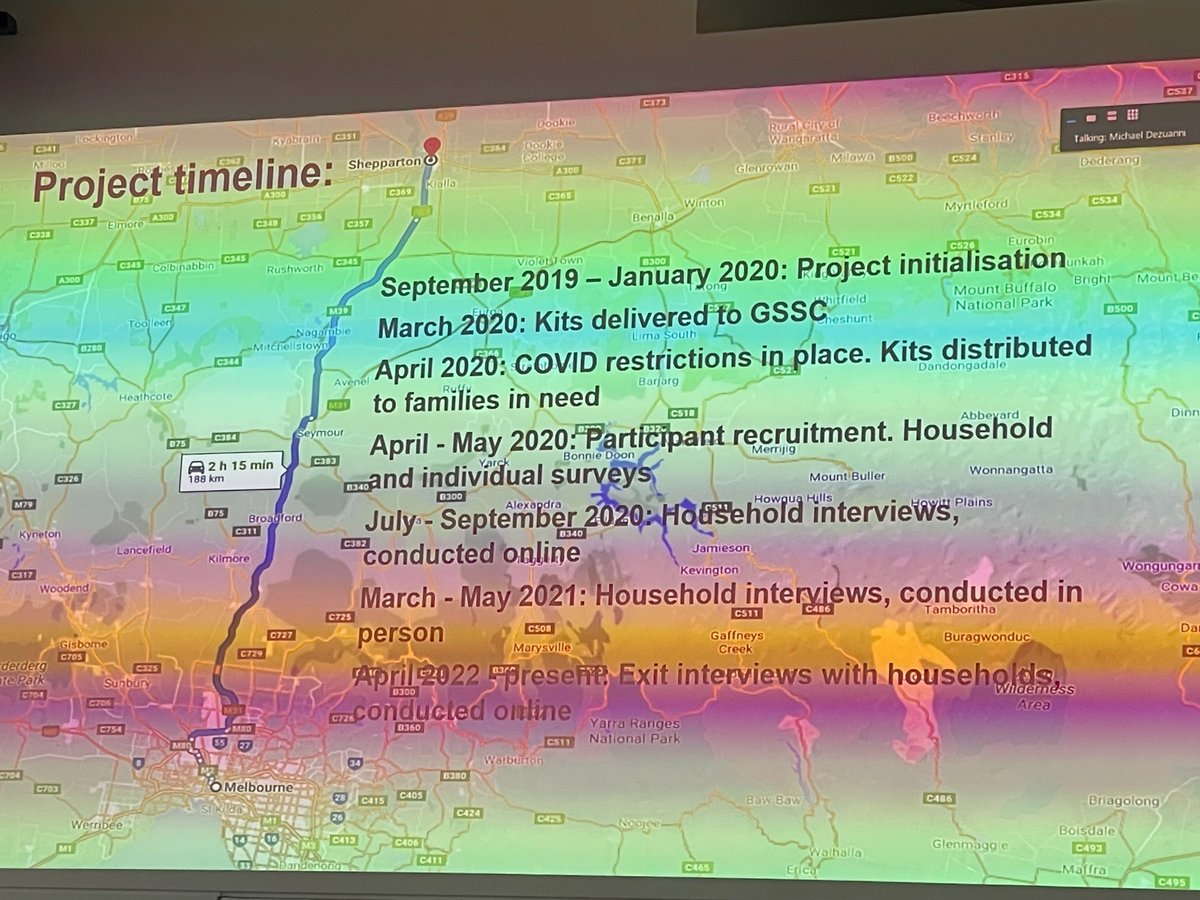
Many Australian families experience digital poverty. We’ve released interim findings from our ARC Linkage project for #GetOnlineWeek & #AntiPovertyWeek showing families are struggling to stay in touch with digital technologies, particularly for education. https://t.co/YzZ1HCebnV
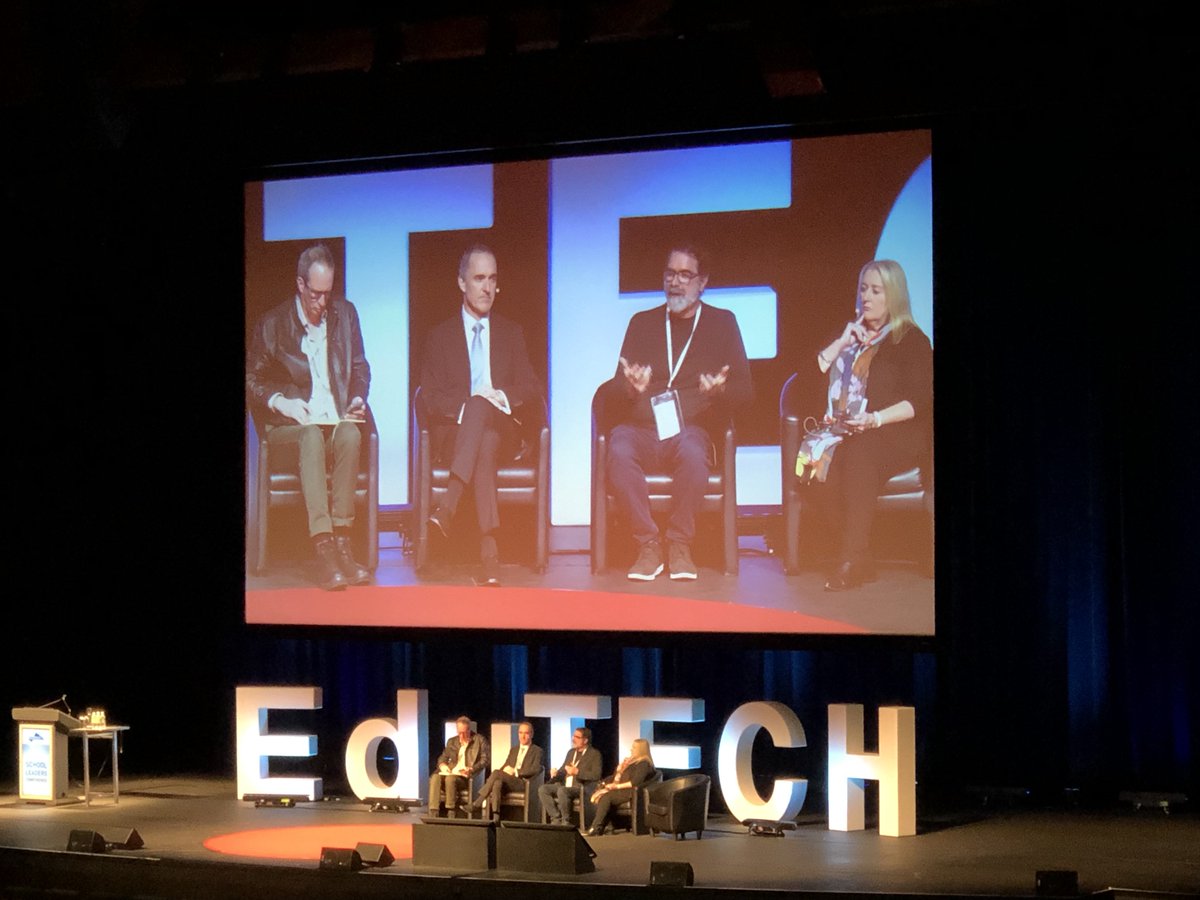
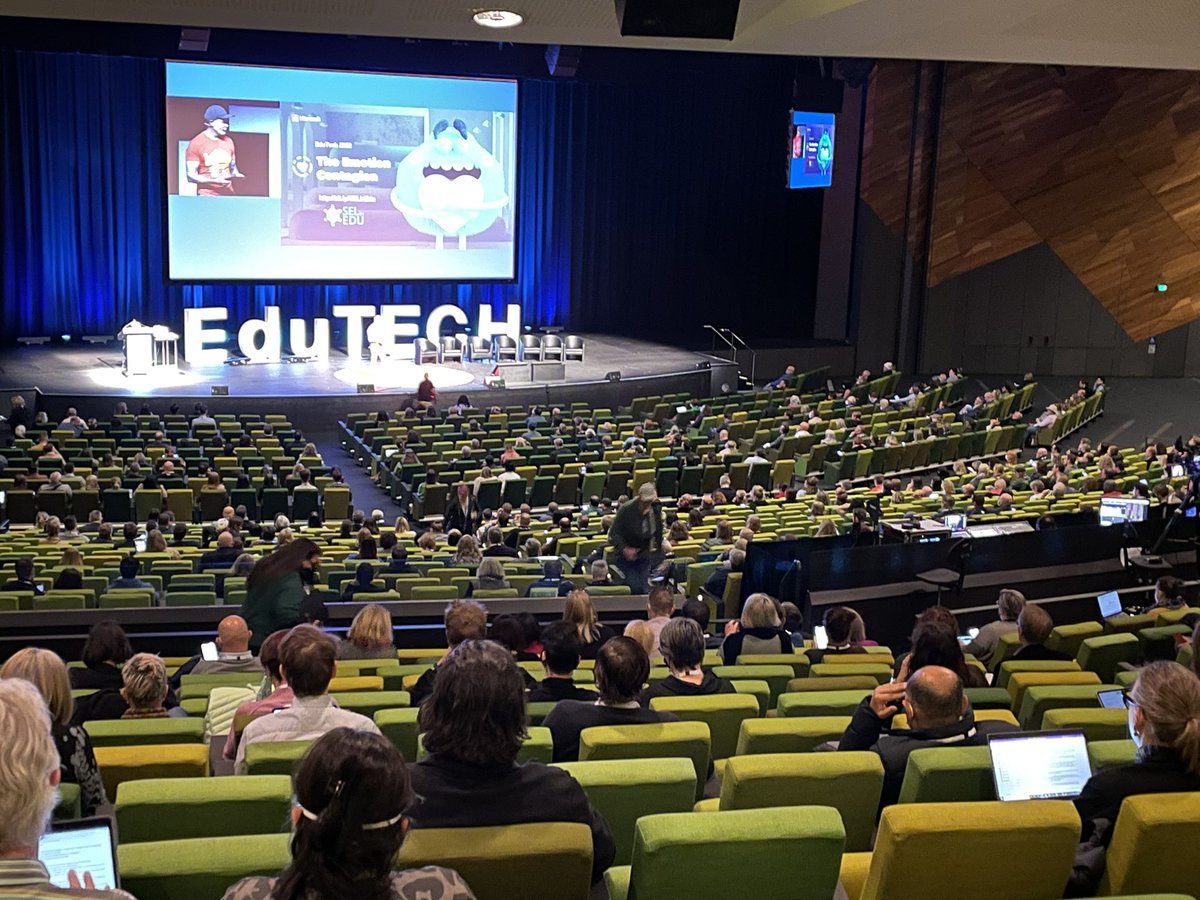
Talking fake news and media lit. at #EduTECHAU My key points: 1. Yes, address fake news, but in the broader context of #medialiteracy education. 2. Media Arts and other parts of the Aust. Curriculum support media literacy. @digitalchildau@ATOMQld @aus_media_lit
Join us online next Thursday 28 July for the DMRC Digital Inclusion and Participation Keyword Series Forum #5 - 'Agriculture'. Visit https://t.co/xyIBjlUIvp for more info.
#QUTResearch#QUTCreativeIndustries
Come and join us for #GetOnlineWeek this year! You can support people in your community to have fun and connect with each other while learning #digitalskills#Grants are available now for #community organisations to participate
This is a serious #digitalinclusion issue for people in rural and regional areas. “Long phone appointments are no longer covered by Medicare but video calls are”. @amber_m @kimosman @Jessa_Rogers https://t.co/trn0desyCO
@kimosman and I are walking 50kms each in June to raise money for kids living in poverty in Australia.
We know @SmithFamily_org does amazing work in communities and directly with families, through @researchingDI. If you can, please consider sponsoring us
https://t.co/r4ZDfArzvR
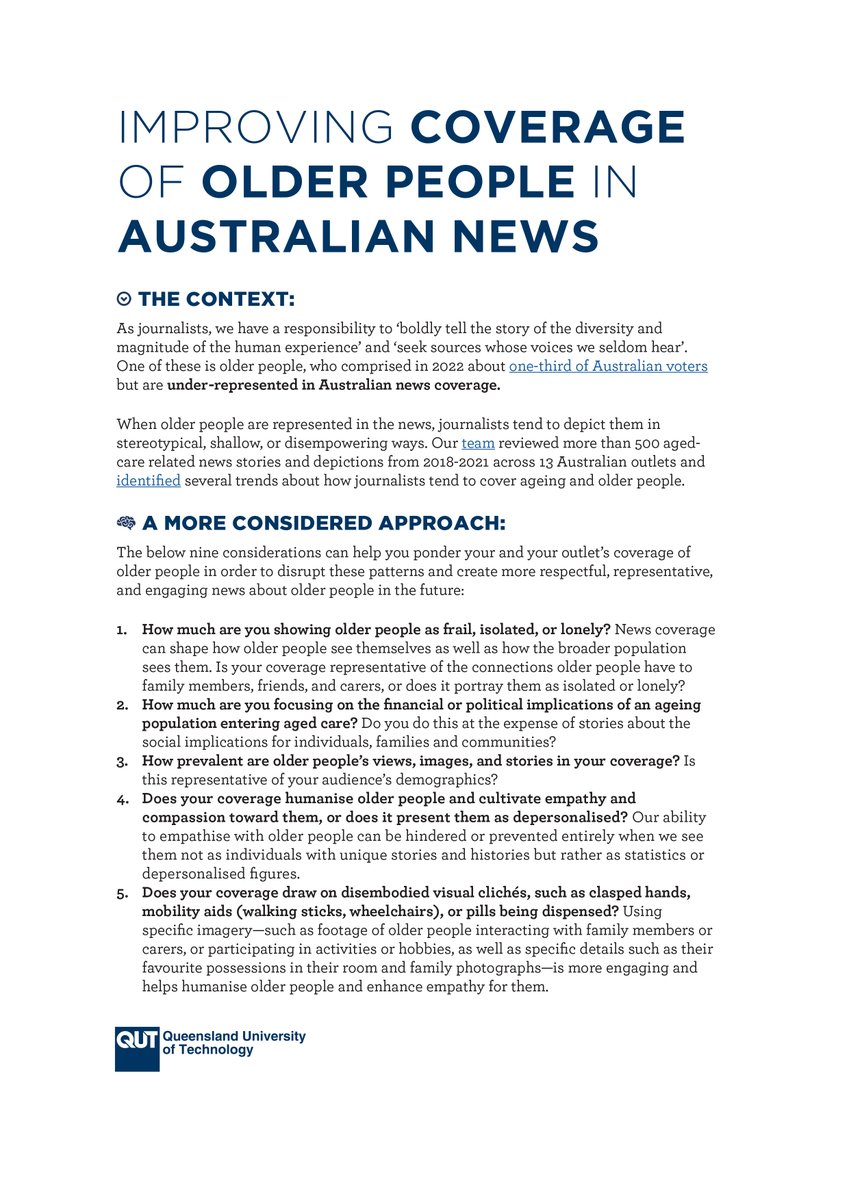
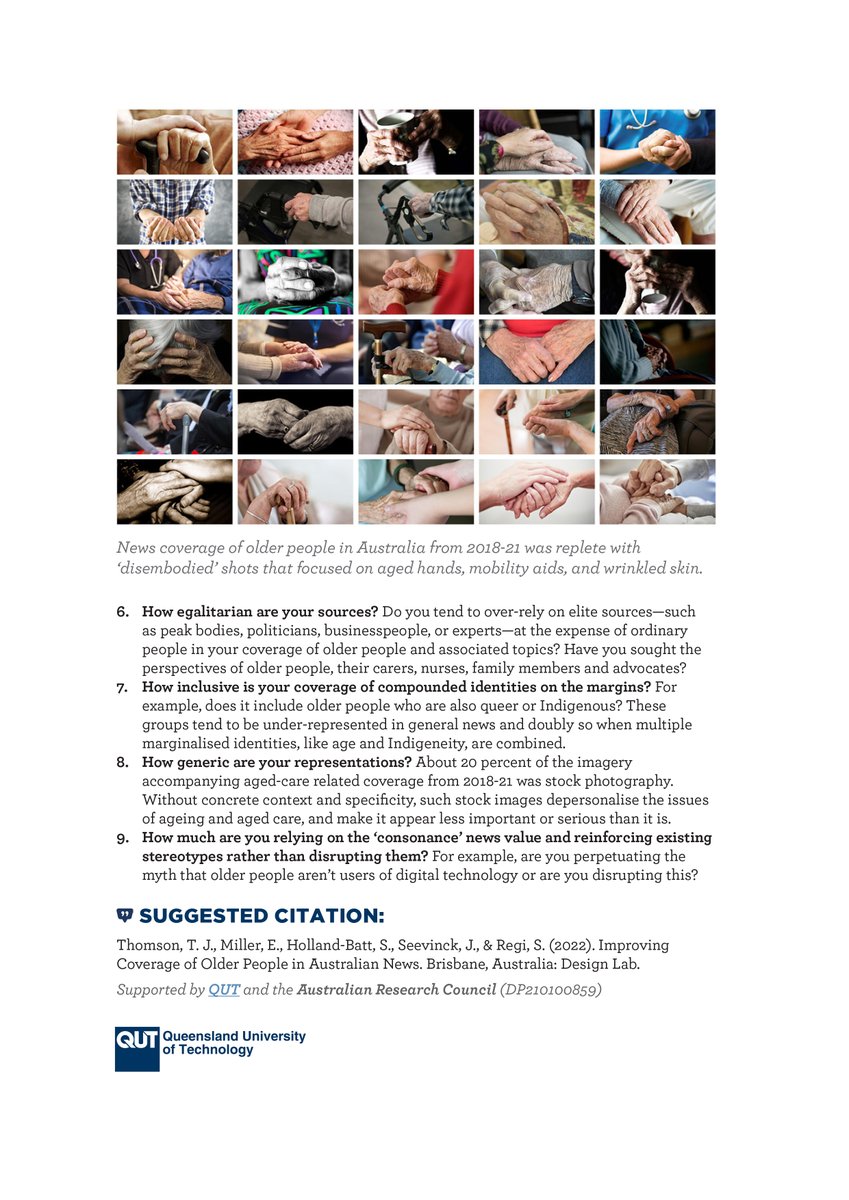
How do journalists tend to cover older people and #agedcare in #Aus? 🤔 This is a question my team and I tried to explore and we also put together this nine-point guide to help our journo friends think through some considerations. https://t.co/yO0Hum8kBH @anneconnollyabc@qutdmrc
The European Union’s Plan for Children’s Rights includes the digital world #ChildRights#Europe#DigitalWorld (as indeed it should!). Here's the child-friendly version...
https://t.co/Al3ytilqQU
Some of our QUT researchers look at digital inclusion issues in the AgTech sector, suggesting that the rural/urban 'digital divide' has transitioned into a 'data divide'. @amber_m@sunday9pm@dezuanni
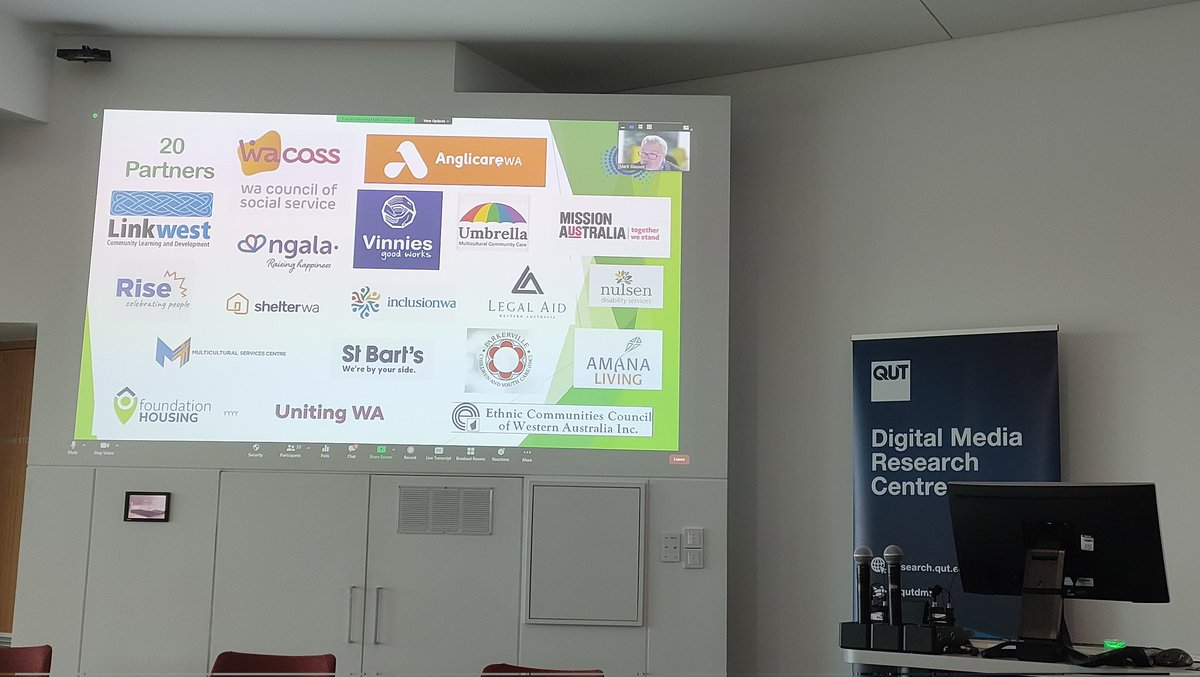
In our final session, Mark Glasson from Anglicare WA zooms in from the west coast to emphasise the critical importance of partnerships to address digital inclusion challenges. They will be executing a 20+ partner project.
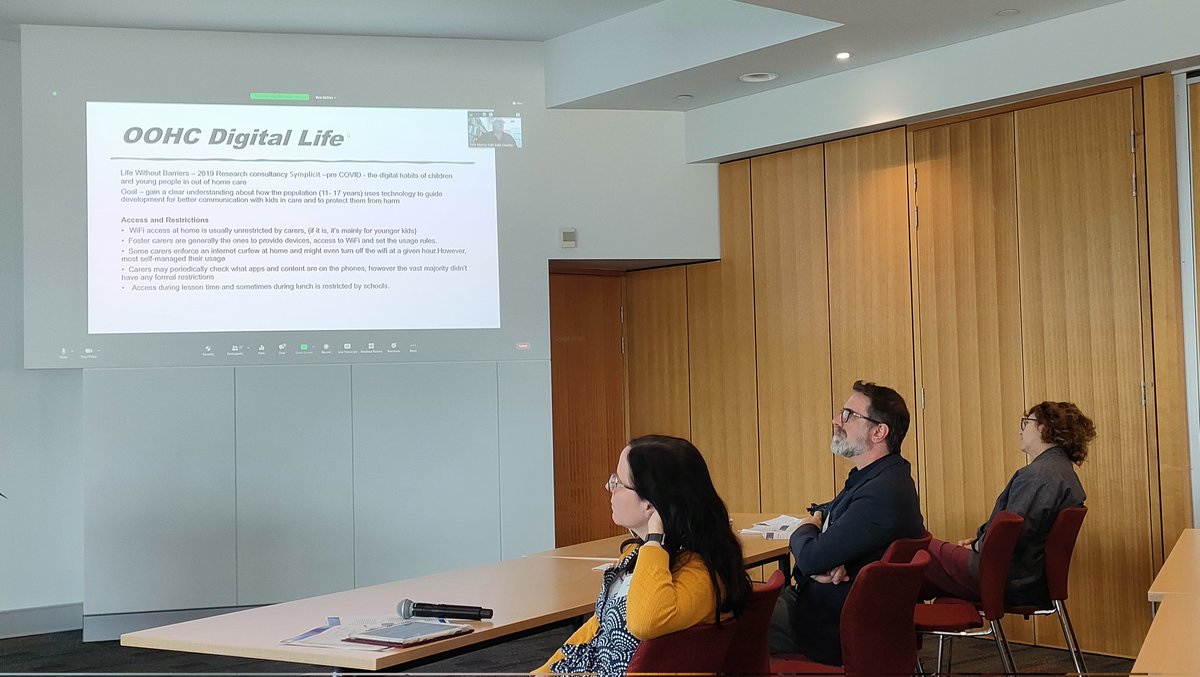
Dale Murray from Life Without Barriers shares insights on digital inclusion from young people in out of home care (OOHC). Mobiles provide continuity in life and education. Diverse devices and uses amongst pre-teens and teens, boys and girls, primary and high schoolers.
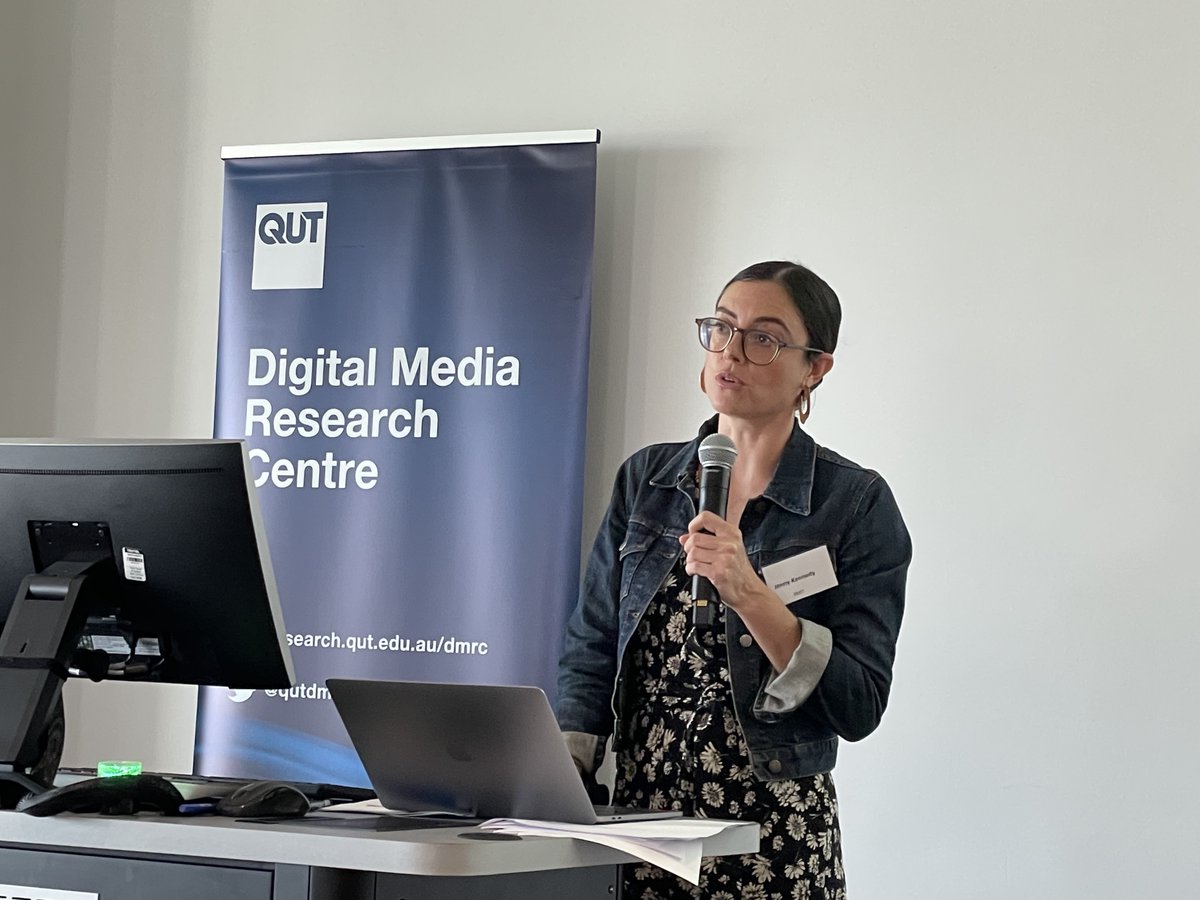
@jennykennedy is providing fascinating insights into low income students' complex and varied experiences of digital inclusion in the Connected Students project in Victoria. She shows individual device access is critical to inclusion. @qutdmrc#DigitalInclusion
Plenty to ponder after this presentation. Ben suggests that in times of disaster, those that are digitally excluded but socially included are better off that those who are digital included but socially excluded (disconnected with local community).
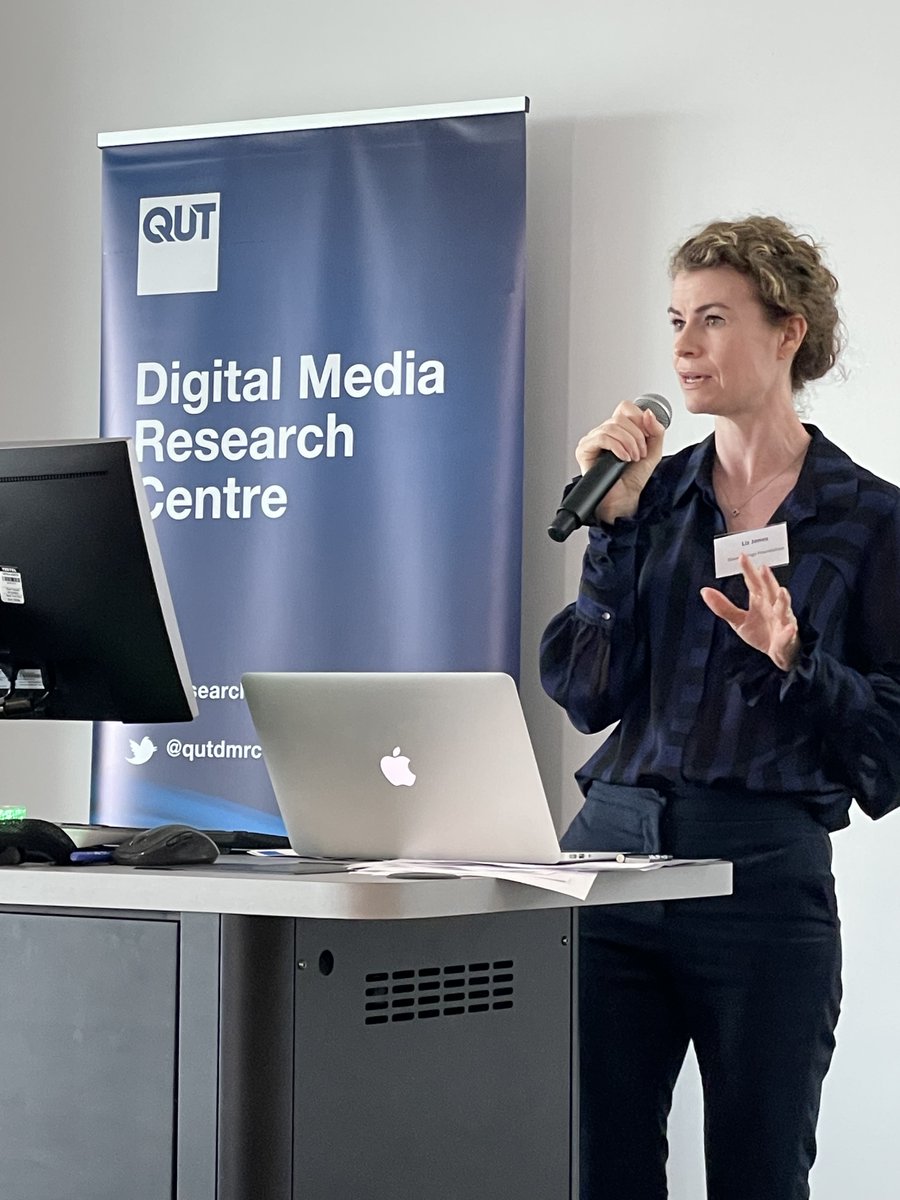
Wonderful to hear from our Digital Inclusion project partners in this session, including Liz Jones from @goodthingsaus who is presenting on the 2021 Digital Nation Report. #digitalinclusion
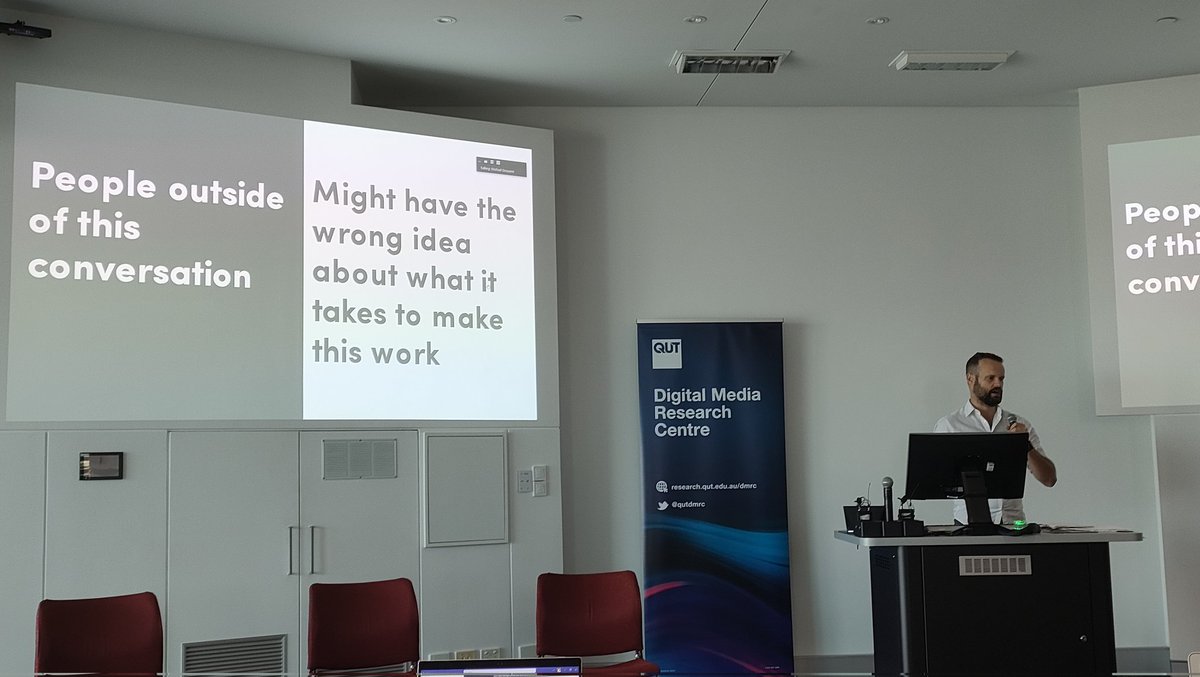
Ben Shaw of @Infoxchange suggests the challenge for people working in #DigitalInclusion is to communicate the need for it to outsiders, using disaster resilience as an example... @qutdmrc