Buat yang DE, lokernya akan segera di publish di channel WA https://t.co/JKC4BiTSE3
Ada klien yang request sekitar 100 kandidat DE di tahun. Masih nunggu acc nya dulu buat di publish 🙏
Dear techbros/techsis, atau yang mempertimbangkan mau pindah karir ke tech, please do consider learning/switching into DevOps/Data Engineer.
Demand nya lagi buanyak banget di Indonesia.
ngineers don't just build , we need to explain WHY we build 👇
As Engineer when we create initiative, feature, or build something , we need to create PPT or Slideshow to showcase how and why we build this.
With using @MiniMax_AI and MiniMax Skill for PPT Generator, we able to create simple PPT to get better idea about what we build and why we build.
Just need polished hand to get better on it!
Here example what i do 🔥
Kita harus ngeliat pasarnya dimana.
Dari yang aku observe, sektor yg masih konsisten ada demand-nya itu bank, corporate, sama agency. Bukan startup. Bukan berarti startup mati total, tp loker yg stabil keliatan lebih banyak kesana sekarang. Startup yang bertahan sekarang, juga ga bisa dibilang startup juga, udah transformasi jadi corporate.
Kalau global? ya di AI. VC masih ngalir deras kesana. Cursor, Windsurf, ChatGPT, prusahaan wrapper AI atau sejenisnya. Duitnya disini. Check aja gimana issue kerjasama Cursor dan xAI.
Tp bukan berarti semua orang harus jadi AI engineer. Lebih ke gimana caranya kita jadi bridge antara AI sama domain yg udah kita ngerti. Gabung ke perusahaan AI, Buat perusahaan dengan nuansa AI.
Yang bahaya tuh kalau adaptasinya sama persis kayak semua orang. Kalau semua orang lari ke arah yg sama, kompetisinya cuma pindah lokasi aja. Adaptasi yg worth it itu yg ada differentiation-nya, masuk ke pasar yg survive tp dengan angle yg unik.
Aku sndiri skrng masih di corporate, cman pelan2 ngedeketin arah AI lewat jalur yg sesuai sama yg aku punya sekarang. Makanya jadi Dev Ambassador.
Ga ada jalan instan. Tp nunggu keadaan balik kayak dulu juga bukan jawaban.
Guys, just wanna say take care of yourselves, okay?
Work's probably already exhausting, and opening socmed now is full of headache-inducing news with barely anything uplifting
Find whatever makes you happy and don't die just now, GTA VI and Persona 4 Revival aren’t out yet
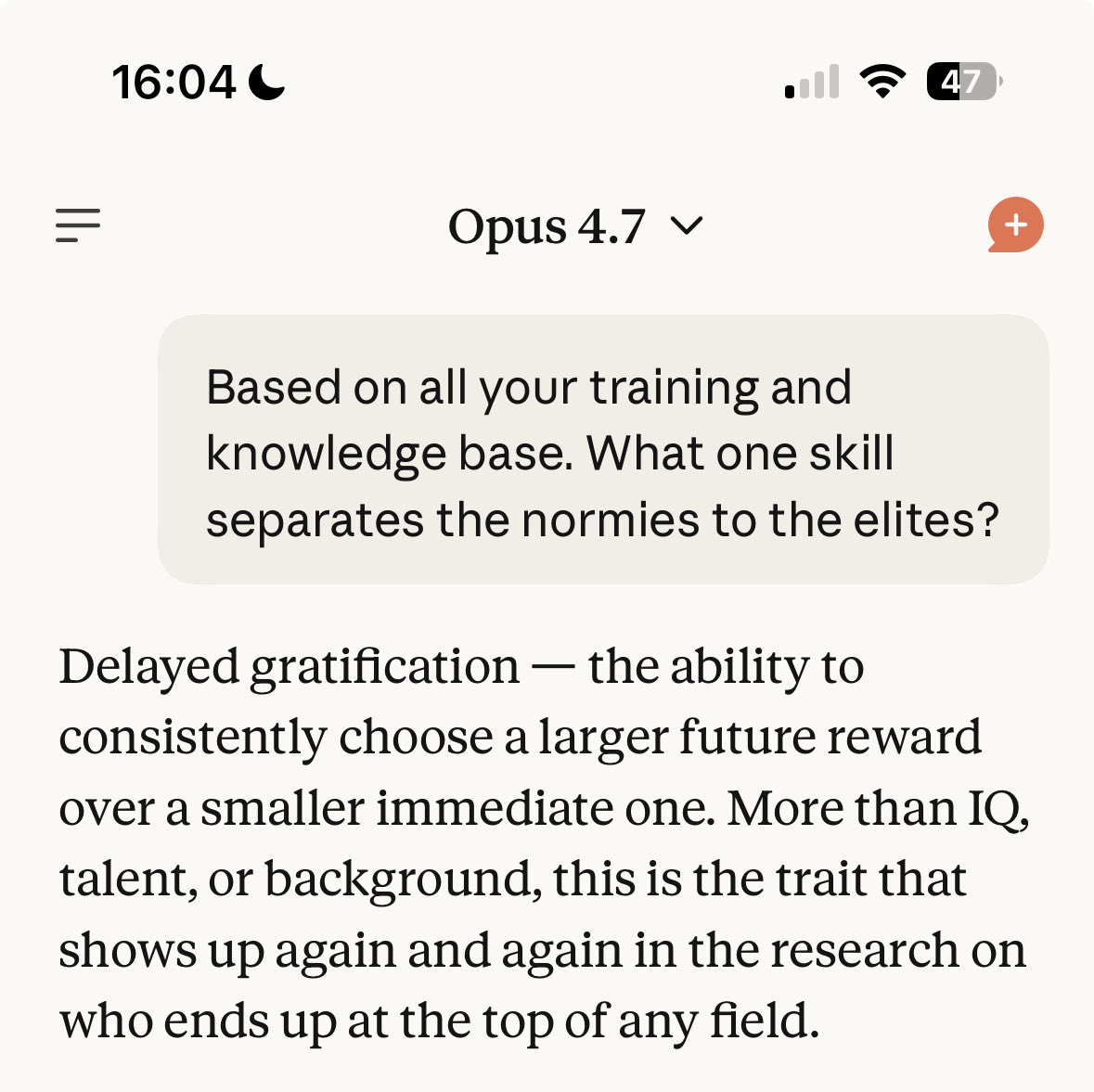
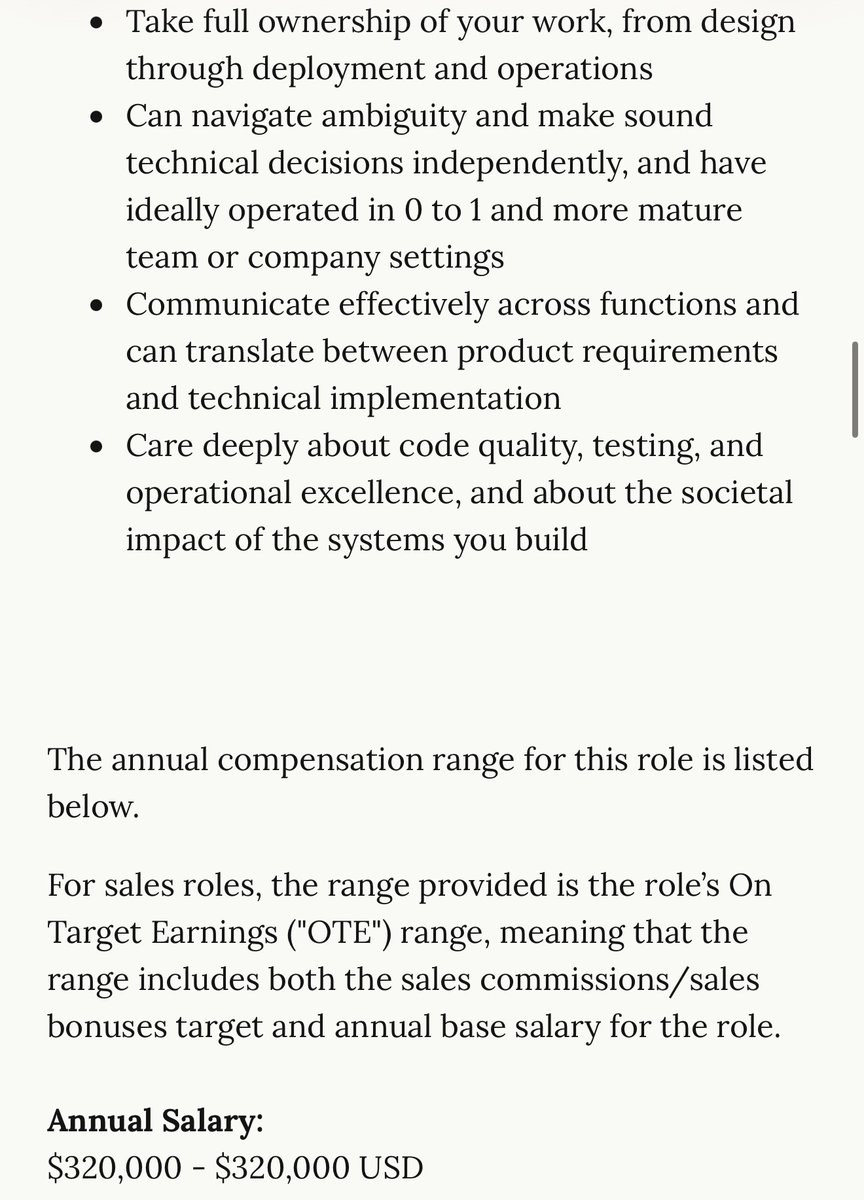
Anthropic has 454 open roles. The company is hiring software engineers at $320K-$405K. Their CEO, Dario, said three months ago that coding is "going away first, then all of software engineering."
The paradox resolves instantly.
Dario's engineers told him they don't write code anymore. They let Claude write it. They edit. They review. They architect. They didn't lose their jobs. They got faster. Anthropic grew from a small research lab to 1,500 employees in four years, adding engineers the entire time.
This has played out five times in computing history. Compilers replaced assembly. Frameworks replaced boilerplate. Cloud replaced server management. Every prediction was the same: most programmers won't be needed. Every result was the same: the number of engineers grew.
The global software engineer pool went from roughly 5 million in 2010 to 28.7 million today. BLS projects 17% growth in US software developer roles through 2033, adding 304,000 positions. The pool is projected to hit 45 million by 2030.
When building software gets cheaper, more problems become worth solving with software. A startup that needed 10 engineers now needs 3. But 50 companies that couldn't afford to build at all now can. The denominator shrinks. The numerator explodes.
Meta's engineering headcount is up 19% from January 2022. Google's is up 16%. Apple, 13%. These companies adopted AI coding tools years ago. They're using Copilot and Claude Code daily. They're hiring more engineers than before those tools existed.
Every generation of "coding is dead" content creates two cohorts: engineers who freeze up, and engineers who build 10x more with the new tools. The second group has won every single time.
We changed how we interview engineers in November, right after Opus 4.5 shipped.
The old process: give someone a problem, watch them code, evaluate the output. How clean is the solution? How fast did they get there?
For infra and architecture roles, that still holds. But for product engineering, we threw it out.
Now we put candidates directly in our codebase with AI tools on, and we watch. The code quality matters less than we thought.
What we're actually evaluating is how they think about the problem, whether they prompt precisely enough to get something useful, whether they read and question the output or just accept it, whether they know when to slow down before shipping.
Prompting well is part of it, but so is knowing when the answer is wrong. And verifying behavior without reading every line is its own skill that nobody was really trained for.
The mental model that helped me: it's less like writing and more like managing. A good manager defines the problem clearly, evaluates the work, and knows when to push back. That's what great product engineering looks like now.
The people thriving in this new environment aren't necessarily the strongest coders. They're the people who always had the right instincts about what to build, they just couldn't move fast enough to act on them before. Now they can.
We're still figuring this out like everyone else. But November felt like a clear before/after.
LeetCode is dead.
Developers don't write code line-by-line anymore. They orchestrate AI agents working in parallel, review AI-generated code, and make architectural decisions.
That's the job now.
But most interview processes haven't caught up. They still test algorithm memorization instead of AI fluency, code review, and judgment.
We're building assessments for next-gen hiring that mirror how developers actually work. Here's how we think about it:
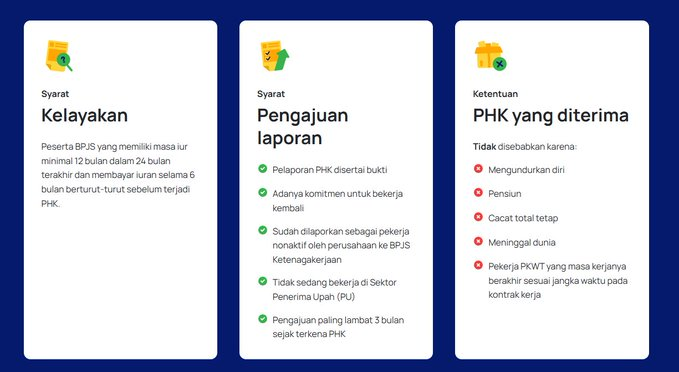
asal lu tau ya kalo lu di PHK minta surat PHKnya aja, nanti claim jaminan kehilangan pekerjaan bisa dapet bantuan pemerintah 60% dari gaji selama 6 bulan
ini dia syarat nya :
you don't remember what you read by reading more you remember by forcing retrieval and compression
memory is built through:
• active recall, not passive reading
• spaced repetition, not one-time exposure
• writing summaries in your own structure
• connecting new ideas to existing models
• re-deriving concepts instead of re-reading them
if you can't reconstruct it, you don't know it
reading is input, recall is learning.