Another big takeaway is that social comparisons can be powerful in nudging behavior, but they tend to work better with high-consumption households. Also, descriptive norms on their own can cause boomerang effect - those injunctive norms are crucial #ENVIR491
One big takeaway from my research is that defaults play massively into behavior! Most people tend to go with the status quo, so just switching something from opt-in to opt-out, for example, can have a massive impact on whether a desirable outcome is reached or not #ENVIR491
I also want to thank @GahaganAmelie for being such a great internship partner! She’s really helped me rally as we get close to the end of the quarter #ENVIR491
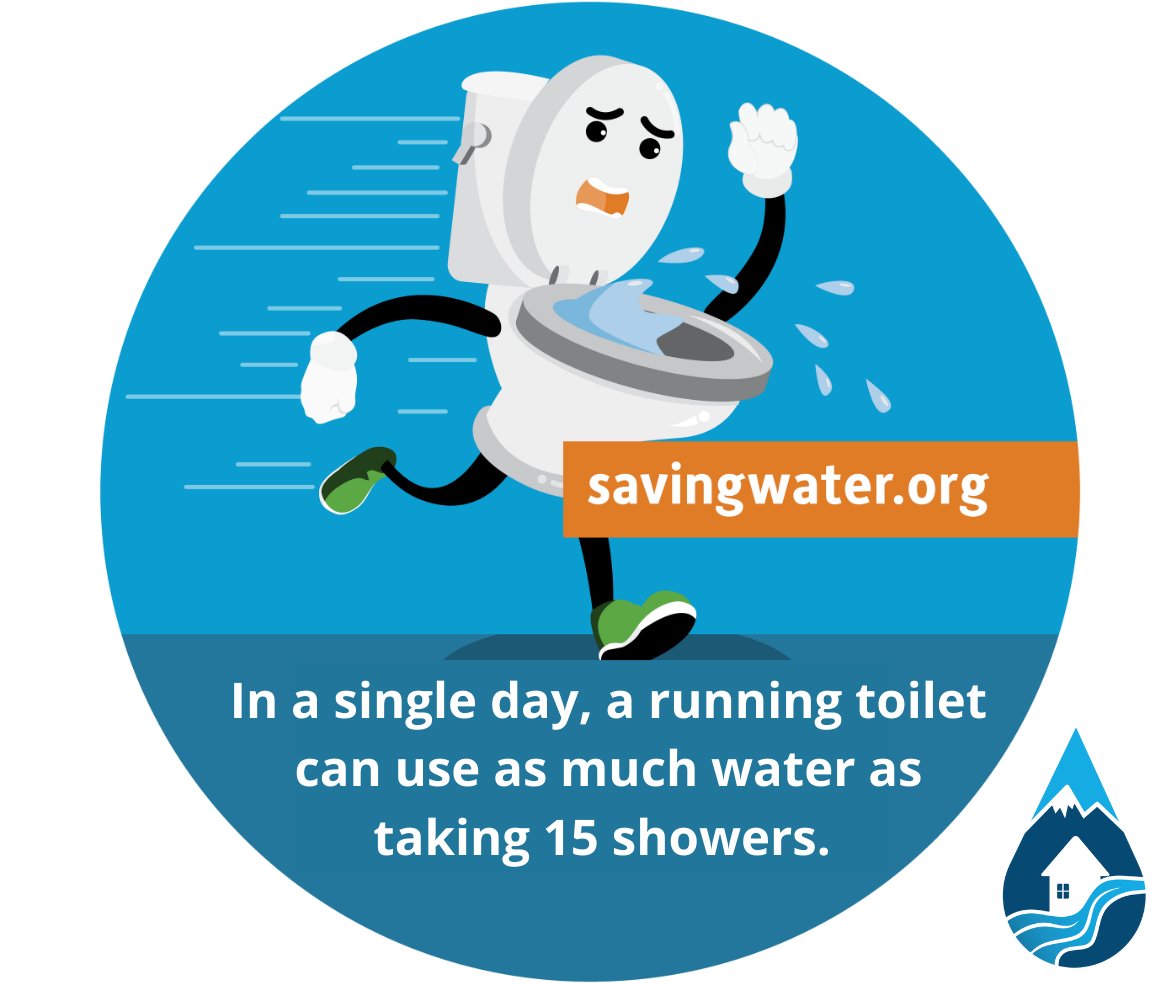
Fixing leaks is one of the most impactful actions you can take to prevent water waste. In a single day, a running toilet can waste as much water as taking 15 showers. Find videos, tips, and tools at https://t.co/DpXWxoMvLf
I want to take a moment to thank @SeattleSPU for all of their help this summer. The behavior change team hosted a great site visit and provided so many resources. Plus, I got to participate in a Leak Sweep (who knew toilet talk was so important?) #ENVIR491
Why are take up rates – the percentage of people who are receiving a benefit for which they are eligble – so low? @dafnabearson and @CassSunstein discuss barriers to take up, the effects this has on an individual’s decision making and more here: https://t.co/1MdZWMlW94
@SeattleSPU Which type of behavior change seems more impactful: incremental habit change or intermittent big actions? For example, the difference between someone taking shorter showers, or staying on top of new, efficient utilities for their home? #ENVIR491
Another super helpful resource on social comparisons through utilities. This is an Opower and Puget Sound Energy study! #ENVIR491
https://t.co/cKdUbytSmf