How specific gum disease bacteria give you chronic and lethal lung diseases…
Summary: Gum disease bacteria get to your lungs (via your airways and bloodstream) and then do their disease and death thing.
👇👇👇
Shi et al 2023
https://t.co/MCPBYJKc7K
The popular joint supplement glucosamine is linked to a 25% faster progression from mild cognitive impairment to Alzheimer's disease.
A groundbreaking study published in Nature Metabolism has uncovered a troubling connection between glucosamine—a widely used over-the-counter supplement for joint pain—and accelerated cognitive decline.
Researchers at the University of Florida analyzed 12 years of electronic health records and discovered that patients with mild cognitive impairment (MCI) who regularly took glucosamine were 25% more likely to progress to full-blown Alzheimer's disease than non-users.
Even more concerning, for individuals already diagnosed with dementia, the supplement was associated with a 25% increase in mortality risk. Because glucosamine easily crosses the blood-brain barrier, scientists believe it feeds into an already overactive protein 'sugar-tagging' pathway in vulnerable brains, worsening metabolic dysfunction.
Crucially, researchers emphasize that this risk appears highly specific to individuals whose brains are already undergoing neurodegeneration. In cognitively healthy adults, previous research has actually suggested that glucosamine may have a protective effect. However, with an estimated 40 million glucosamine users in the United States alone—including many seniors who deal with both joint stiffness and cognitive changes—these preliminary findings underscore the urgent need for clinical trials. Until those trials provide definitive answers, experts suggest that individuals with cognitive concerns consult their healthcare providers before continuing their daily joint supplement routine.
source: Hawkinson, T. R., Gentry, M. S., & Sun, R. (2026). Hyperglycosylation is a metabolic driver of Alzheimer's disease. Nature Metabolism.
One of the largest (and most important) aging studies ever run: 60,542 people, 7,000+ blood proteins, 40+ cell types, 15 years of follow-up.
Your organs age at different speeds, and lifestyle moves it. Extreme muscle aging meant 12.7x ALS risk. Extreme astrocyte aging predicted Alzheimer's as strongly as APOE4.
@StefanAsbom Los mandamientos de Dios escritos por hombres jajaja, no serán las ideas de hombres, además no son solo 10, saqué su calculadora para su próximo Twitter.
How gum disease bacteria lead to formation of amyloid plaque in the brain.
👇👇👇
Association Between Porphyromonas gingivalis and Alzheimer’s Disease: A Comprehensive Review
Sarmiento et al 2025
https://t.co/X6LuV7kfih
Is it time to speak of a gut-bone axis?
This review underscores the potential of dietary interventions targeting gut microbiota modulation as a novel therapeutic approach to improve skeletal health in high-risk populations:
https://t.co/xW2WJmGjx5
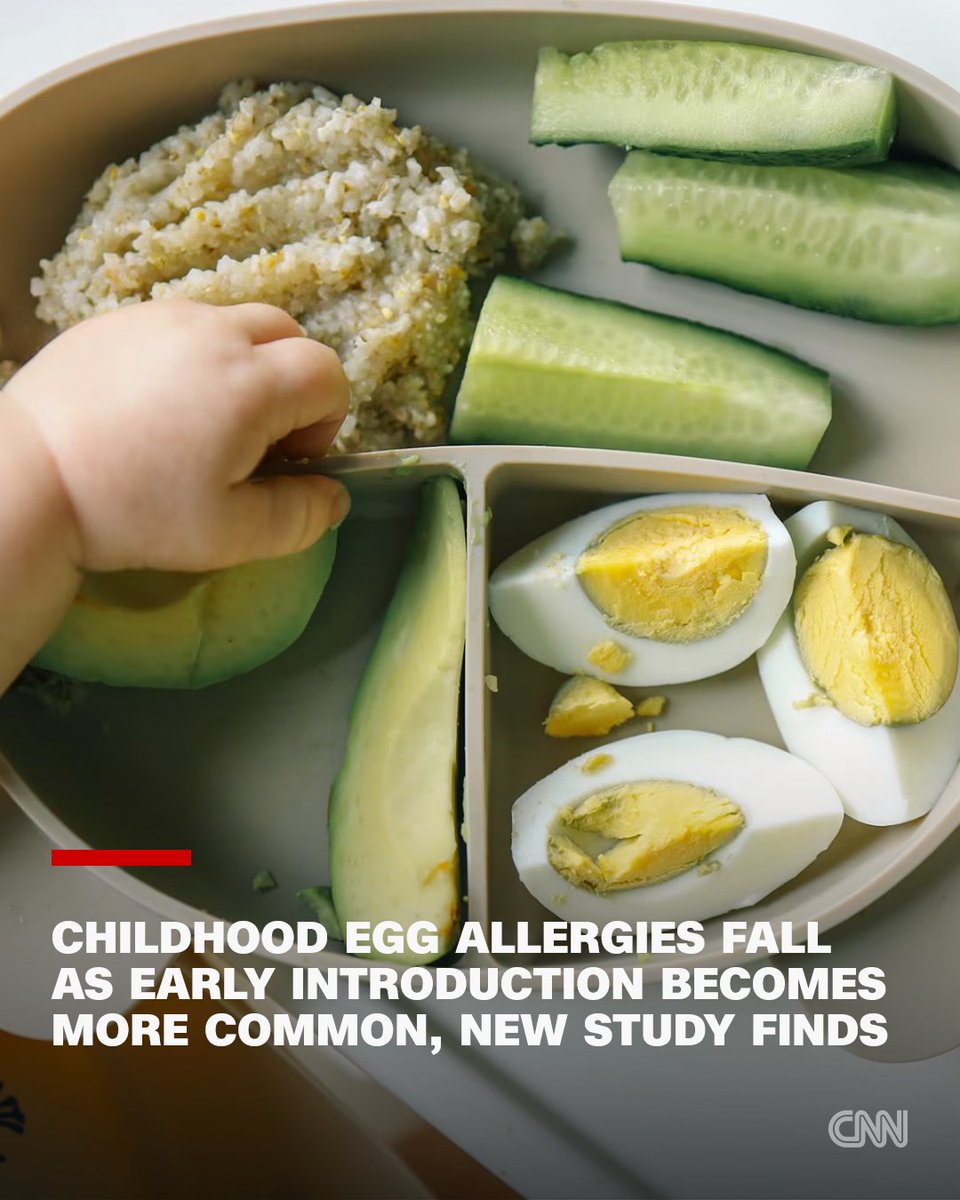
After the drastic change in guidance to no longer keep allergenic foods away from babies until 1 to 3 years of age and instead introduce them by 6 months of age, the prevalence of egg allergy among children fell by more than 17% in a new study published Monday in the journal JAMA Pediatrics. https://t.co/DAYqlFom8N
Psyllium lowers LDL by about 13 mg/dL across 28 randomized trials. The mechanism gets misrepresented constantly. It does not absorb cholesterol.
It does not scrub the gut. The mechanism is purely mechanical, and understanding it explains why most other "soluble fibers" do not produce the same effect.
Psyllium is the seed husk of Plantago ovata. When it hits the small intestine and hydrates, it forms a viscous gel. That gel physically traps bile acids, the cholesterol-derived molecules your liver releases through the bile duct to emulsify dietary fat. Normally about 95% of bile acids are reabsorbed in the ileum and recycled back to the liver. The pool cycles 4 to 12 times per day, losing about 5% per pass. The recycling is efficient because synthesizing new bile acids is expensive. The substrate is cholesterol.
When psyllium disrupts that recycling, the liver loses inventory. Loss of FXR-mediated feedback upregulates CYP7A1, the rate-limiting enzyme in bile acid synthesis, which depletes the hepatic cholesterol pool. SREBP-2 activates, LDL receptors get upregulated, and hepatocytes pull LDL from circulation to refill it. Serum LDL drops. This is the same mechanism used by prescription bile acid sequestrants like cholestyramine.
Jovanovski et al. (2018, American Journal of Clinical Nutrition) pooled 28 randomized controlled trials covering 1,924 participants. The median dose was about 10.2 grams of psyllium per day. LDL fell by approximately 13 mg/dL. Non-HDL fell by approximately 15 mg/dL. ApoB, a more direct measure of atherogenic particles, fell by 0.05 g/L. The apoB evidence was graded as high quality.
Two things matter. First, the mechanism is purely mechanical. Psyllium is not metabolized, does not enter circulation, does not act on a receptor. That is why it has a clean side-effect profile and does not interact with the cytochrome P450 system the way most lipid-lowering drugs do.
Second, viscosity is the active property. Inulin is also classified as a soluble fiber under FDA rules, but inulin does not form a viscous gel. It is highly fermentable instead. The label calls them both soluble fiber, but their functional profiles share almost nothing.
The honest framing on magnitude. A 13 mg/dL drop is meaningful but modest compared to even the lowest-dose statin, which typically delivers 25 to 50 mg/dL. If your numbers are borderline and you want to avoid medication, psyllium is one of the few interventions with this level of evidence. If a statin is indicated, psyllium is not a replacement.
Practical: target around 10 grams of psyllium husk daily, taken with or just before a meal with a full glass of water. That matches the Jovanovski median. Many trials dose 7 grams two or three times per day for a larger effect. Start at 5 grams and titrate up to manage GI side effects.
Jovanovski et al., Am J Clin Nutr, 2018
McRorie & McKeown, J Acad Nutr Diet, 2017
Gonzalez, Compr Physiol, 2012
A new paper describes promising results from a sleep apnea trial, which found an experimental pill can sharply decrease breathing disruptions.
Read our earlier coverage of the trial's findings: https://t.co/pk86o1T9wz
Published in late 2025 in the journal Nature, a study of nearly 35,000 people represents a major step up in scale for human microbiome research: It identified and ranked gut bacterial species — both previously known and uncharacterized — that are associated with BMI, clinical health status, and dietary patterns.
To better understand how the gut microbiome is linked to diet and metabolic health, the researchers developed a score that ranks bacteria according to their association with good or poor health. They also carried out dietary interventions to examine their impact on bacterial profiles. https://t.co/gyO3P5169j
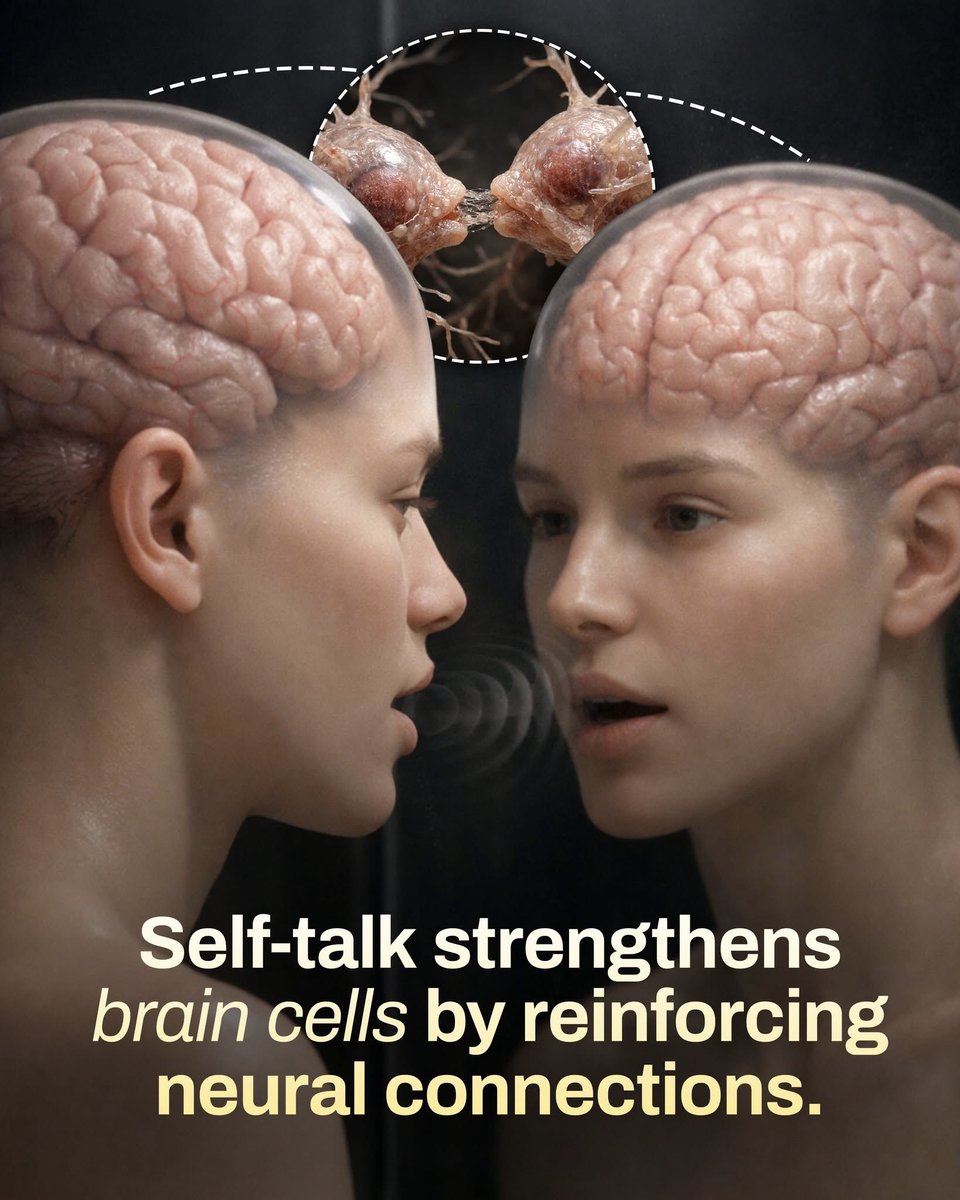
🧠 THE HIDDEN POWER OF THE VOICE IN YOUR HEAD
Your “self-talk” isn’t just thoughts—it may actually help shape your brain. Scientists suggest that the way you speak to yourself can strengthen neural connections, almost like exercise for your mind.
Positive self-talk may support learning, focus, and emotional control, while negative self-talk can reinforce stress and anxiety patterns over time. In simple terms, your brain listens closely to what you repeat inside your mind.
So the quiet words you say to yourself every day might be doing more work than you think.
Source: Harvard Health Publishing. (n.d.). The power of positive self-talk and brain health. American Psychological Association.
Estrogen patches, one of the most popular menopause treatments, have been in short supply this year. Now the FDA is working to fix it. https://t.co/ft325aBBB9
Every magnesium form you take gets absorbed through the same two pathways. The channels don't know what brand you bought.
The form affects how much magnesium dissolves and dissociates in your gut. There is little evidence (in humans) it affects where that magnesium goes once it's in the blood.
If chelates were truly chaperoning magnesium through peptide transporters, that would be a novel finding
A new study reveals that between ages three and four, children’s brains undergo a major structural shift. As specific white matter pathways mature, they unlock the ability to process complex grammar rules, explaining sudden leaps in preschooler language. https://t.co/MODEBJ4KEu
These drugs were hailed by proponents as breakthroughs in the fight to treat Alzheimer’s disease, but a new independent review finds they make “no meaningful difference”
https://t.co/L6q1YLG9Oo
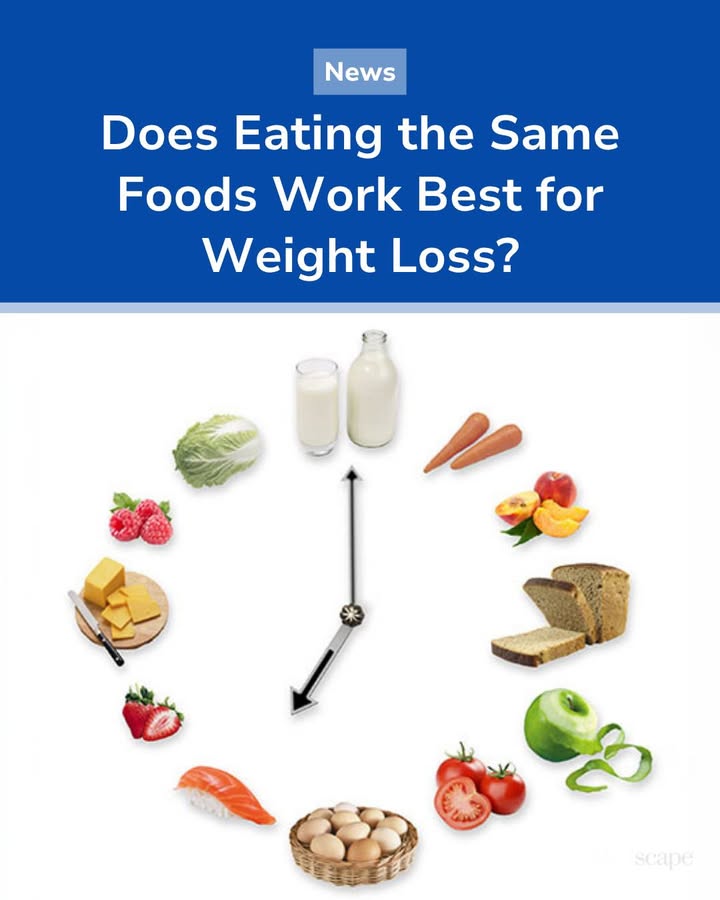
Repeating the same meals and keeping calorie intake steady produced more weight loss than eating a more varied diet among individuals living with overweight or obesity, a short-term trial showed.
“Conventional wisdom around dieting says you should incorporate a lot of different foods to avoid getting bored and that you should splurge on the weekends or special occasions so you don’t feel as deprived,” lead author Charlotte Hagerman, PhD, of the Oregon Research Institute, Springfield, Oregon, told Medscape Medical News. “This contradicts research showing that consistency makes your behavior more habitual, that is, more automatic or effortless." https://t.co/6Atg56ipXw
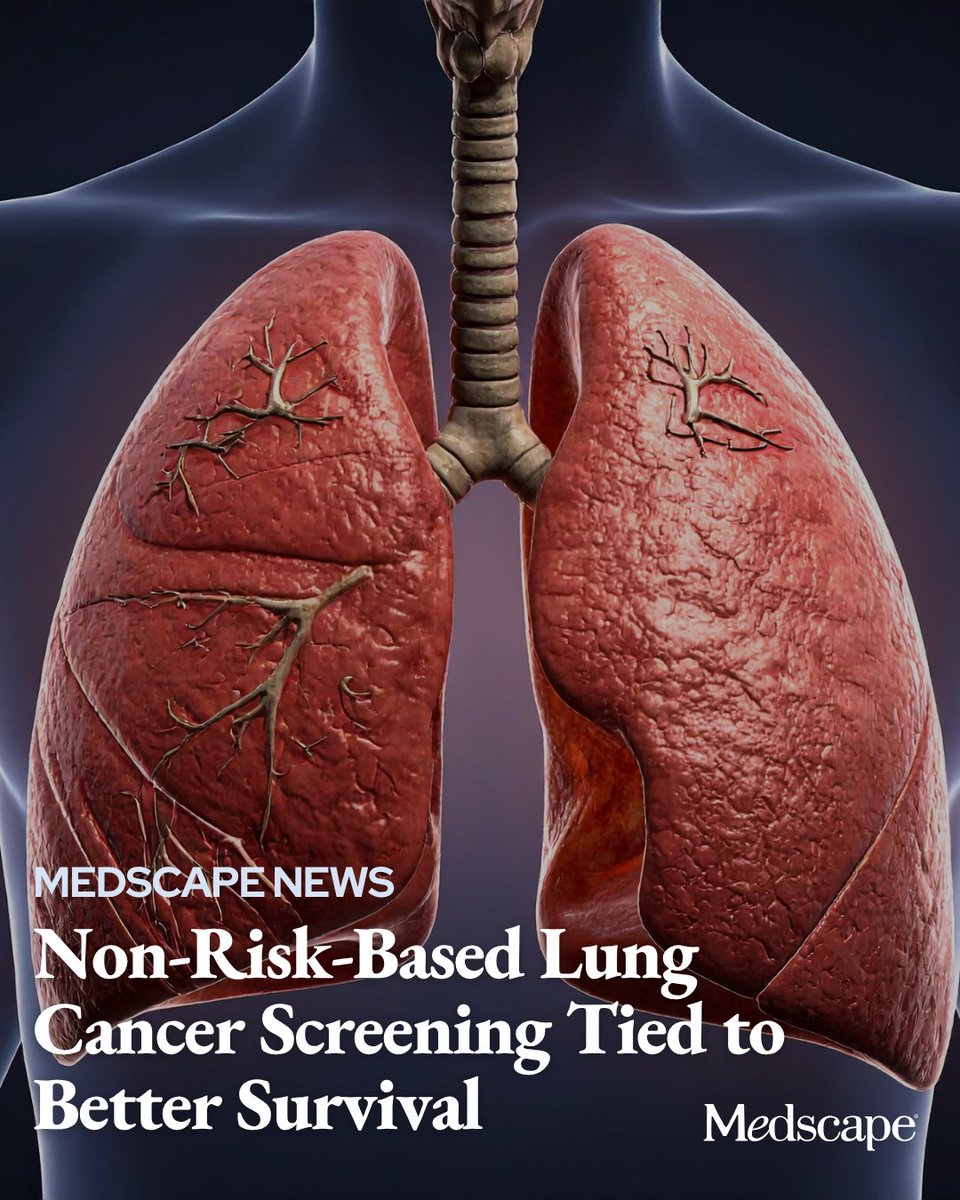
Screening individuals for lung cancer with low-dose CT without preselection based on their risk profile is associated with a substantial reduction in lung cancer-specific mortality vs no screening, suggested a Chinese analysis.
The cancer detection rate was similar to that in risk-based screening trials, and the study results underscore that early-stage lung cancer detection via screening is associated with markedly improved survival, said Caichen Li, MD, while presenting the research at European Lung Cancer Congress (ELCC) 2026 on March 27. https://t.co/CuckfrSq7y
🧬 Identify hypercortisolism in resistant HTN. Apply screening tools, assess clinical features, and optimize treatment selection based on patient-specific factors ⚙️
Access expert guidance by joining this event. https://t.co/9DpJGbFXa9
Updated hypertension guidelines may slightly reduce how many older adults need immediate medication.
In an analysis of NHANES data from 3000 adults aged 65–79, about 11.4% with untreated stage I hypertension would no longer qualify for immediate drug therapy under the 2025 AHA/ACC guidelines. However, most already on treatment would still meet criteria due to comorbidities or elevated risk scores. https://t.co/8lI5Z5XdmX